Using PLA, PHA, natural bamboo, and other bio-based materials as raw materials, create a bio-based tableware manufacturer with global influence
Hefei Hengxin Life Technology Co., Ltd. (Stock Code: 301501) is a high-tech enterprise focused on the research, production, and sales of green low-carbon bio-based products, with its headquarters located in the Shuangfeng Economic Development Zone of Hefei. The company has established production bases in Hefei, Shanghai, Wuhan, Hainan, Thailand, and other locations, building a global supply network.
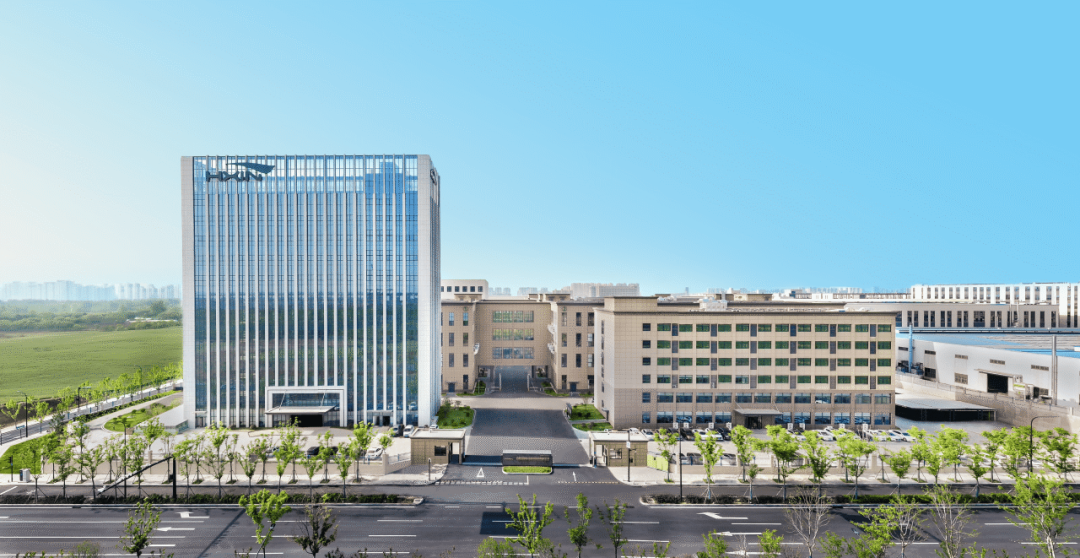
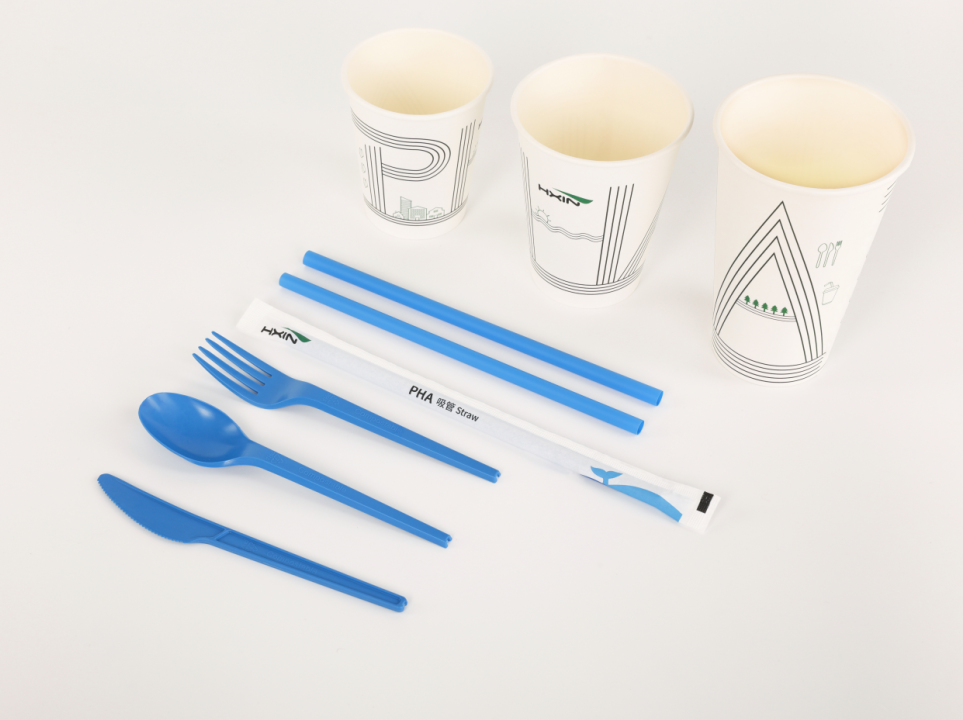
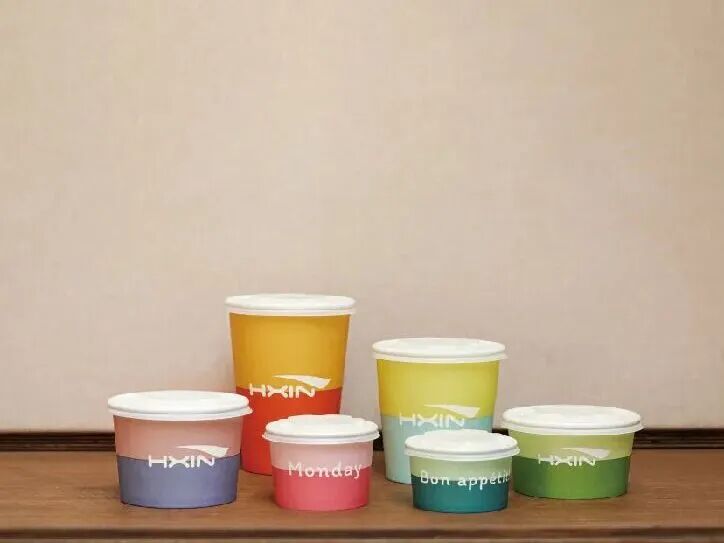
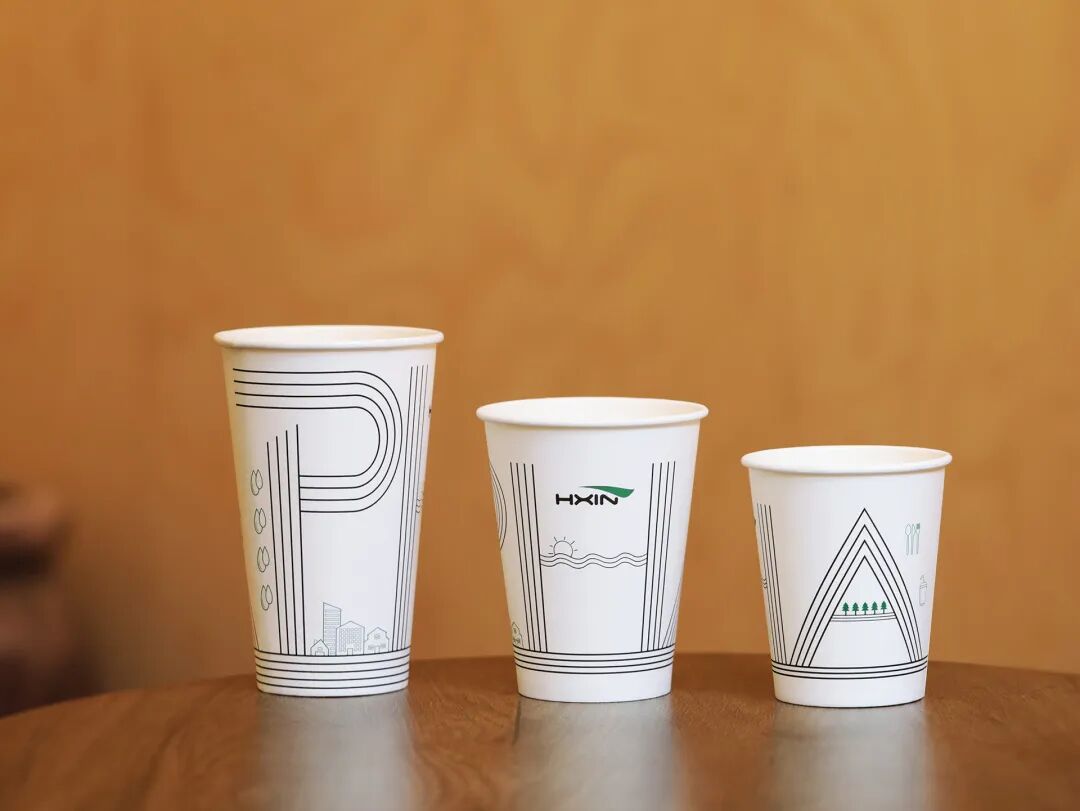
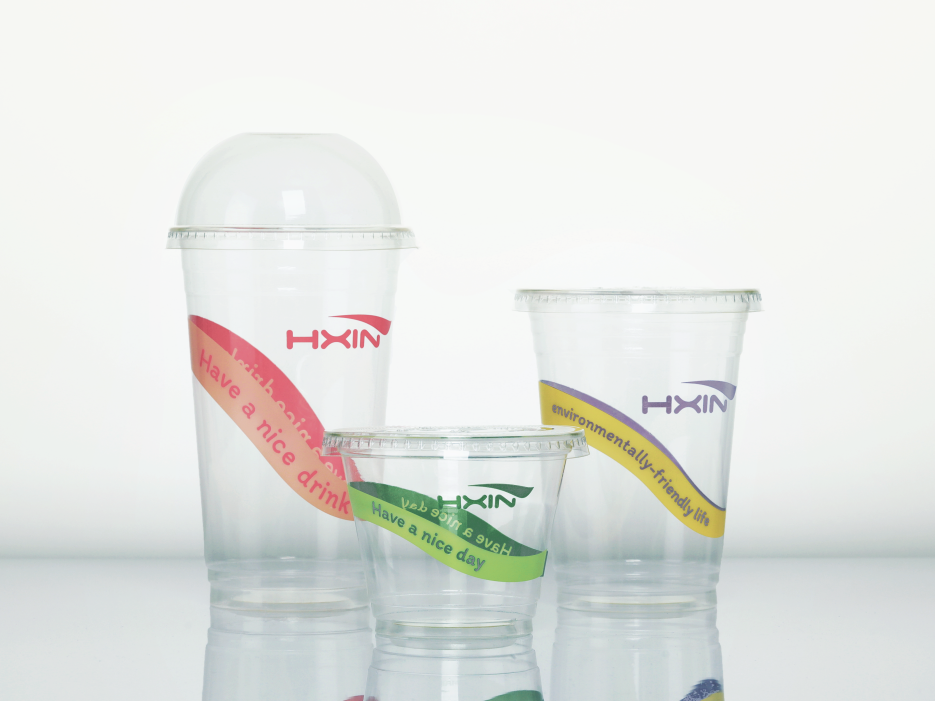
The company's products use PLA, PHA, natural bamboo, and other bio-based materials as core raw materials, aligning with the national requirements for green development of being "recyclable, easy to recover, and degradable." They are widely applied in catering, civil aviation, and other fields, with a sales network spanning five continents. The company actively promotes production transformation, deeply integrates cutting-edge technology, and is committed to building a "lighthouse factory" to achieve the coordinated development of green manufacturing and intelligent manufacturing.
The company and its subsidiaries have led or participated in more than 40 national and industry standards and hold over a hundred intellectual property rights. They master core technologies such as material modification and coating; their products and management systems have received multiple certifications. PLA products have obtained national-level green certifications and carbon footprint verification. The company has been ranked among the top ten enterprises in China's light industry plastics sector (degradable plastics) for six consecutive years.
In the future, Hengxin Life aims to become a globally influential manufacturer of bio-based tableware, continuously contributing to green development and the "dual-carbon" goals. Recently, we spoke with relevant personnel from Hengxin Life to gain an in-depth understanding of the company's exploration and layout in the field of degradable products.
Q: Compared with traditional plastics and ordinary degradable materials, what is the core competitive advantage of the company's core products made from PLA and PHA?
A: Compared with traditional plastics and ordinary bio-based materials, the company's core products use bio-based materials such as PLA and PHA as raw materials, achieving low-carbon sustainability from the source. The products are made from renewable resources, freeing them from dependence on petroleum-based fossil resources and significantly reducing carbon emissions at the raw material stage. In addition, their environmental attributes are outstanding. The core products have passed composting certifications such as DIN and BPI, fully degrading into carbon dioxide and water under composting conditions without leaving microplastic residues, truly achieving environmental friendliness.
At the same time, through independently developed core technologies such as material modification and coating, the products not only meet environmental requirements but also fully adapt to practical usage needs in catering and other scenarios. Moreover, the products have obtained internationally authoritative certifications such as FDA approval and LFGB testing. The PLA core product series has also received national-level green design product certification and carbon footprint verification, with quality and safety meeting globally recognized standards. This is an important foundation for our products to enter the global market.
Q: What practical empowerment has the company's 'Lighthouse Factory' model smart factory brought to the enterprise in the research and production of biodegradable products?
A: Our headquarters' smart factory is an important vehicle for practicing 'green manufacturing and intelligent manufacturing,' bringing multiple practical benefits to the company in the research and production of bio-based products:
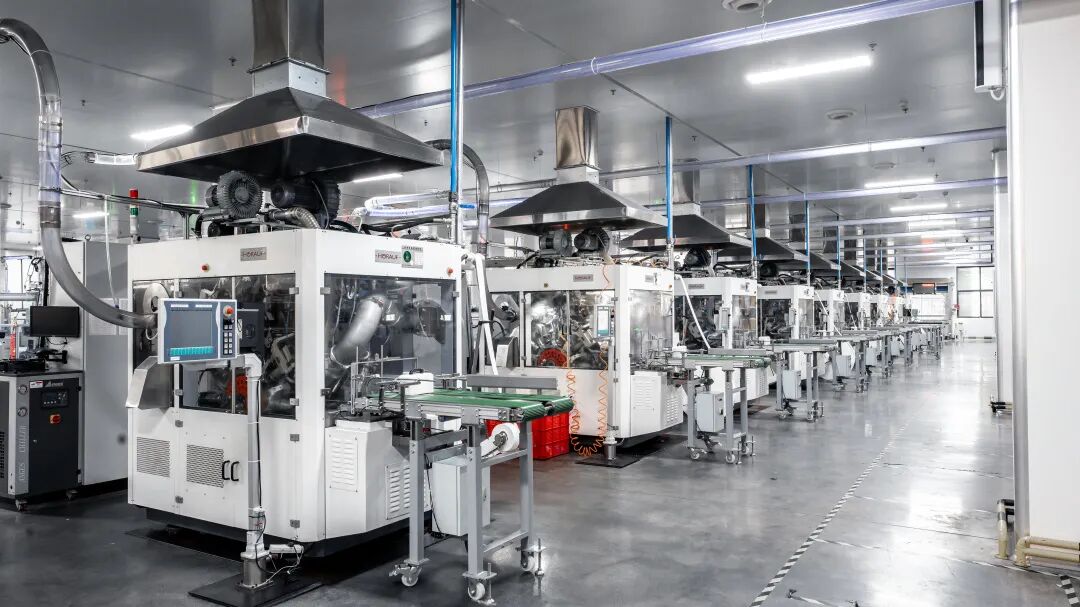
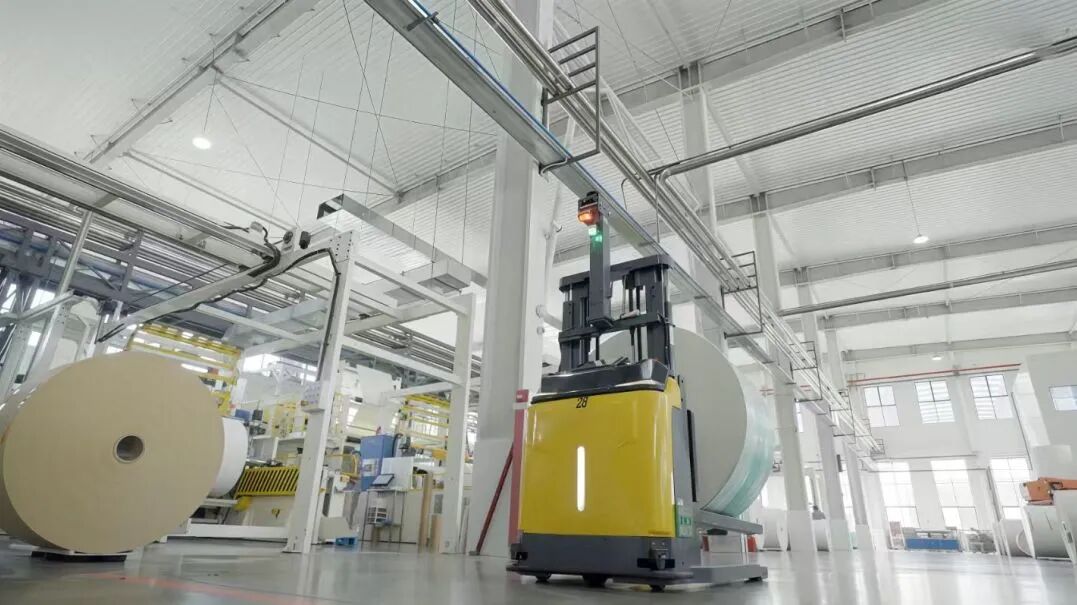
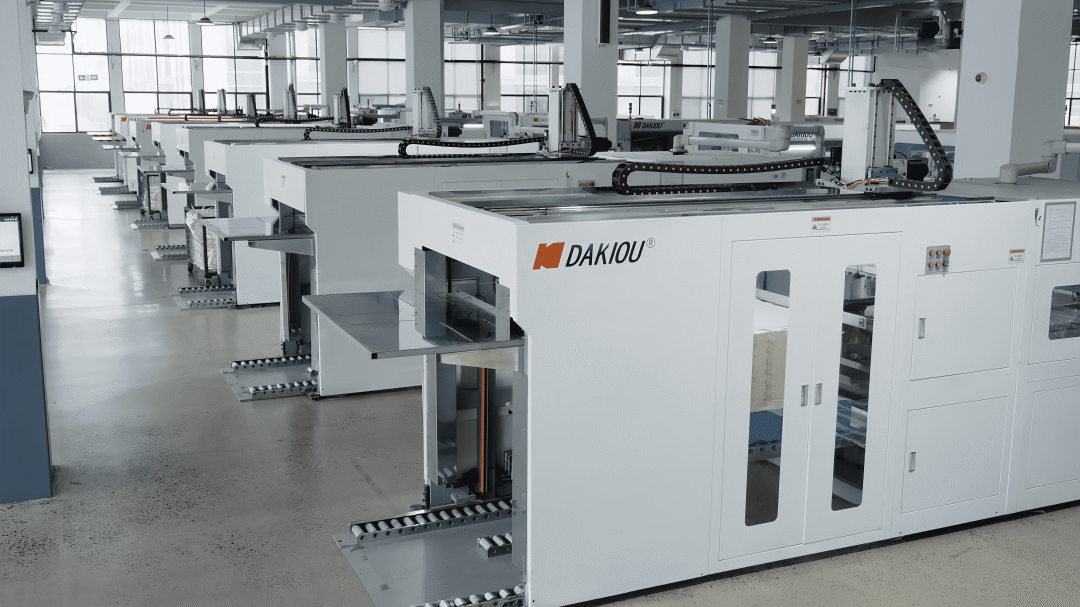
First, it significantly improves production efficiency and quality control levels. Digital production lines and automated warehousing achieve automation and precise control of the production process, greatly increasing product qualification rates and standardization, and reliably meeting large-scale supply demands from domestic and international major clients.
Second, it deeply implements the concept of low-carbon production. The energy consumption and carbon emissions of the smart factory are far lower than those of traditional factories, ensuring that our bio-based products form an environmentally closed loop across the entire lifecycle, from raw materials and production to end use.
Third, it enables collaborative innovation between R&D and production. The factory provides a platform for on-site testing and rapid transformation in research work such as material modification and product structure optimization, accelerating the transformation of technological achievements into mature products, greatly shortening the industrialization cycle, and comprehensively enhancing the company's R&D efficiency, production effectiveness, and overall competitiveness in the field of bio-based materials.