


Is it difficult for traditional newspaper printing factories to become digitally intelligent? The approach of this company is worth learning from!
Today, with the in-depth advancement of media integration, the newspaper printing industry is facing unprecedented pressure: the production cycle has been repeatedly compressed, quality standards have been continuously improved, costs have continued to rise, and market competition has become more and more fierce. In the face of such an "involution" situation, Guangxi Daily Printing Factory chose to take digital intelligence technology as a breakthrough, take the initiative to seek change, explore the construction of an intelligent management and control system covering "printing-production-management", and strive to achieve breakthroughs in the three key links of quality, cost and energy consumption.
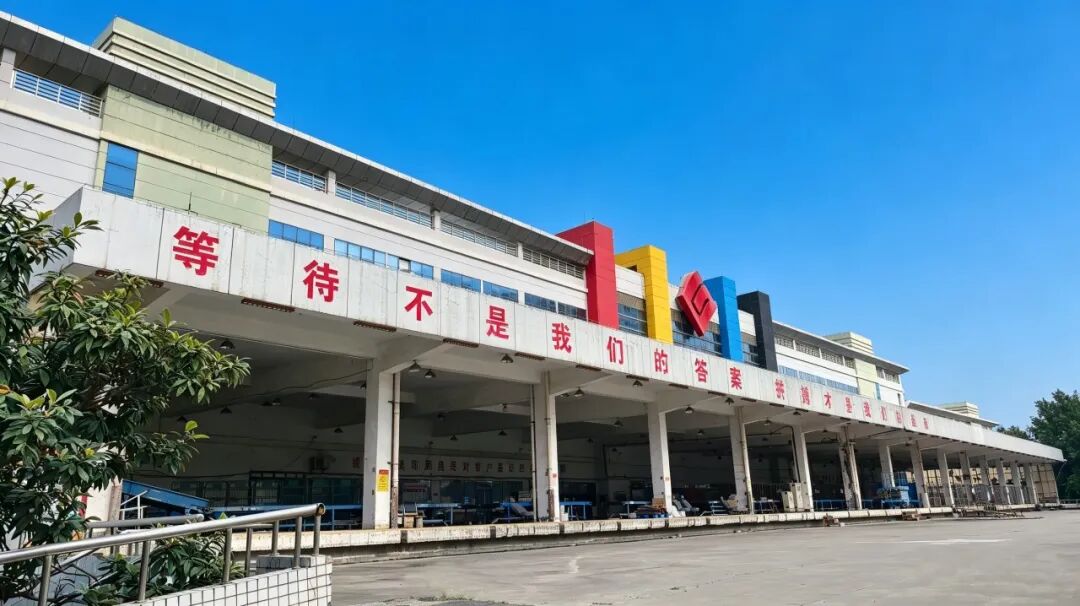

The original intention of construction: why take the road of digital intelligence?
As the printing guarantee unit of party newspapers and periodicals such as Guangxi Daily and the Central Printing Daily, the printing factory of Guangxi Daily shoulders the dual responsibilities of political tasks and market competition. On the one hand, the printing of party newspapers and periodicals must be of high quality, efficient and punctual, and there must be no room for the slightest mistake; On the other hand, the traditional printing market continues to shrink, customers have higher and higher requirements for delivery cycles and personalization, and the problems of aging some equipment and insufficient personnel skill coordination are gradually emerging. At the same time, the requirements for green and low-carbon transformation are becoming increasingly urgent.
In the past, the Guangxi Daily printing factory relied heavily on the experience of the master, relying on manual sampling inspection and repair after equipment failure. This traditional management model has become more and more difficult in the current competitive environment: quality stability is difficult to guarantee, unplanned downtime affects the timeliness of publication, and the cost of electricity and paper consumption remains high.
After repeated research and judgment, Guangxi Daily Printing House deeply realized that digital and intelligent transformation is not a single optional question, but a mandatory question that must be answered. This is not only an inherent need to respond to market challenges and enhance core competitiveness, but also an inevitable choice to fulfill the political responsibility of printing party newspapers and achieve sustainable development. Through the deep integration of digital and intelligent technology, it can break the shackles of traditional production models and realize the transformation from experience-driven to data-driven, so as to effectively solve the problems of cost control, green development and personnel skill collaboration under the premise of ensuring printing quality and timeliness, and inject new momentum into the long-term development of printing factories.
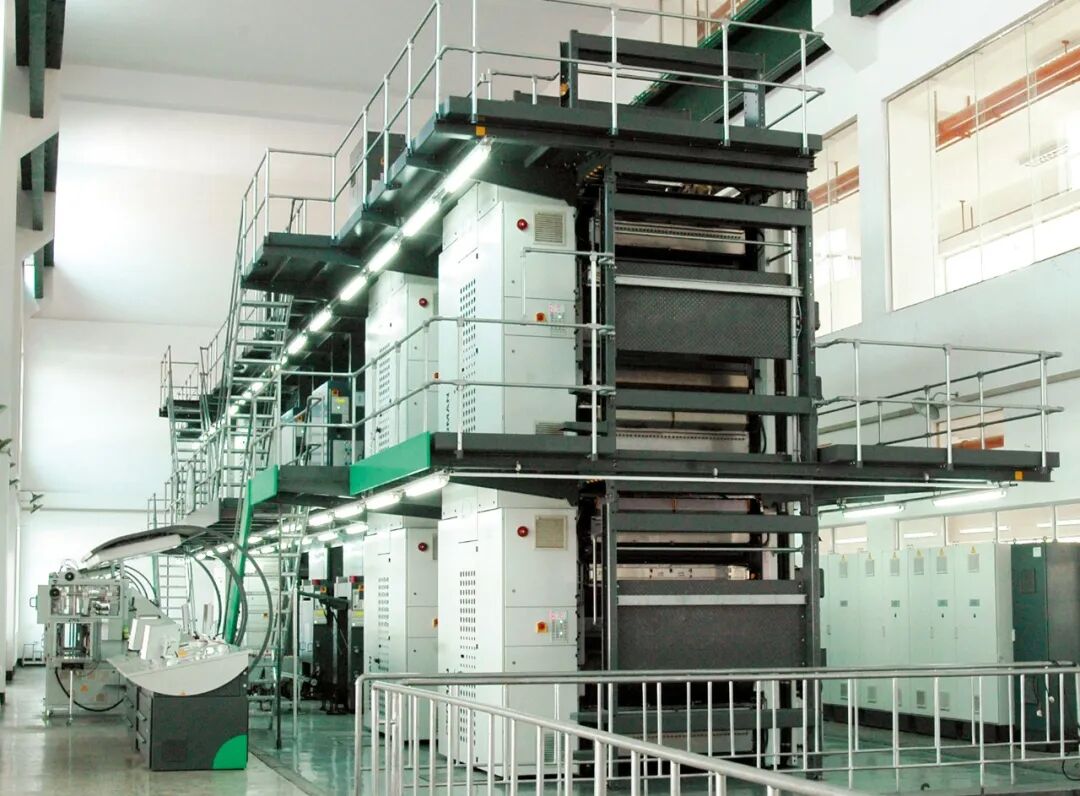
Guangxi Daily Printing Factory Workshop

Overall strategy: three steps to build a smart factory prototype
The digital intelligence exploration idea of Guangxi Daily Printing Factory is very clear: not to pursue big and complete, but to focus on pain points and break through step by step. Specifically, it will start from three directions - ensuring quality consistency through online testing in the whole process, improving production continuity with the help of predictive maintenance of equipment, and promoting green production by relying on intelligent control of energy consumption. Finally, through the unified data center, these three systems are integrated to form an integrated smart factory system covering "printing-production-management".
1. Full-process online testing: from "post-event remediation" to "prevention during the event"
The quality control of traditional newspaper printing mainly relies on manual sampling inspection, which has obvious disadvantages such as high missed inspection rate, inconsistent standards, and a large number of scrapped newspapers when problems are discovered. In order to solve this pain point, Guangxi Daily Printing Factory actively communicated with equipment suppliers and planned to introduce a full-process online inspection system based on machine vision and AI algorithms.
High-resolution industrial cameras are installed in key units such as paper feeding, printing, folding, and stacking output of the printing machine to collect quality data such as paper layout content, overprinting accuracy, ink color density, stain defects, and folding deviations in real time. These data are compared with the preset defect feature library at the millisecond level through the built-in AI algorithm model. Once an abnormality is detected, the system will immediately alarm on the central control screen and accurately locate the location and type of fault, so that the operator can intervene and adjust as soon as possible.
According to the design goal, this system significantly moves the quality control node forward into the production process, changing passive "firefighting" to active "prevention". According to the preliminary research and simulation calculations, after the successful deployment of the system, the first-time pass rate of the product is expected to increase by 10%~15%, and the customer quality complaint rate is expected to decrease by more than 30%; At the same time, it can greatly reduce the waste of paper and ink caused by quality rework, and achieve a win-win situation of "quality improvement" and "consumption reduction".
2. Predictive maintenance: from "repairing if broken" to "preventing problems before they happen"
Unplanned downtime of large printing equipment is the biggest risk affecting the on-time publication and capacity release of newspapers. In the past, the equipment maintenance of the Guangxi Daily printing plant was mainly based on regular maintenance and post-failure repair, and the mode was passive and inefficient. Once the equipment suddenly fails, maintenance personnel need to rush to the scene to investigate the problem and deploy spare parts, which often takes nearly two hours, bringing great pressure to the publishing time.
To this end, Guangxi Daily Printing Factory is exploring the introduction of Internet of Things sensing technology and predictive maintenance solutions. Install IoT sensors for key printing equipment to monitor vibration, temperature, pressure, current and other operating parameters of core components such as main motors, bearings, and air pumps in real time. After these data are uploaded to the intelligent detection platform through the IoT gateway, the platform combines historical fault data and mechanism models for accurate diagnosis and analysis reports. When the real-time data fluctuates abnormally and exceeds the set threshold, the system will issue an early warning in advance, clarify the type and location of possible faults, and give recommended maintenance plans.
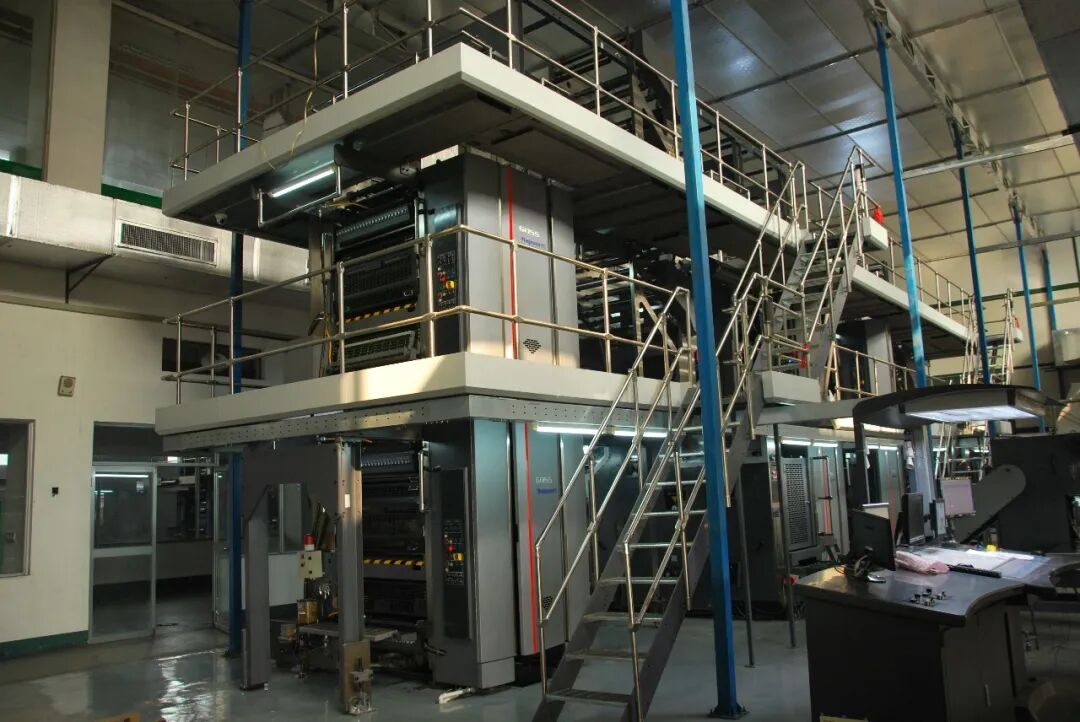
Guangxi Daily Printing Factory Workshop
This model allows maintenance teams to intervene before equipment fails and take advantage of production gaps to complete preventive maintenance. It is expected that unplanned downtime can be reduced by more than 20%, and the comprehensive utilization rate of equipment will be significantly improved. This is not only crucial to ensure the efficient and punctual printing of party newspapers and periodicals, but also to reduce emergency maintenance costs and spare parts inventory pressure.
3. Intelligent control of energy consumption: let every kilowatt-hour of electricity be used on the blade
Printing workshops are large energy consumers, and the electricity costs of printing units, air conditioning systems and lighting circuits account for a high proportion. In the past, energy consumption management was relatively extensive, and only the total meter data was checked every month, and even if the energy consumption was found to be high, it was difficult to locate the specific cause.
At present, Guangxi Daily Printing Factory is exploring the construction of an intelligent energy consumption management and control system based on Internet of Things technology. Wireless IoT power detection terminals (IoT gates), temperature and humidity sensors and other intelligent devices are installed at key energy consumption nodes to capture various energy consumption data such as electrical energy in real time at millisecond-level collection frequencies, and transmit them to the energy consumption management platform through IoT technology.
The platform has multiple functions: first, classified statistics and trend analysis of energy consumption data; second, automatically regulate the operation strategy of equipment and optimize electricity consumption behavior; The third is to generate daily, weekly and monthly energy consumption reports, which intuitively present the energy consumption distribution of different equipment and time periods. At the same time, the system can also identify abnormal energy consumption - when the energy consumption of the equipment suddenly deviates from the normal range, it will automatically trigger an alarm to help managers troubleshoot equipment failures or energy waste problems in a timely manner.
Through targeted energy-saving transformation (such as dynamically adjusting the gas supply according to the production load, implementing zoning control of the lighting circuit, etc.), it is expected that the comprehensive energy consumption of the workshop can be reduced by 8%~12%.

Summary Review: Digital and Intelligent Transformation is a Systematic Project
Looking back at the previous exploration, the Printing Factory of Guangxi Daily has deeply realized that digital and intelligent transformation is a systematic project. It is by no means a simple stacking of technology or equipment upgrades, but involves comprehensive changes in organizational structure, business processes, management models, and even employee mindset. For newspaper printing enterprises, in order to successfully carry out digital and intelligent transformation, there are the following three insights and suggestions.
First, digital and intelligent transformation should not pursue overly ambitious goals. Enterprises should combine their actual situation and prioritize areas that can achieve quick results and where data can be collected as breakthrough points. For example, online inspection and energy consumption monitoring involve relatively controllable investment, provide intuitive data feedback, and can easily show results, which helps to build confidence.
Second, choosing the right partners is very important. Printing enterprises themselves have limited technical capabilities and need to work closely with professional digital and intelligent technology service providers to jointly develop specialized algorithms and equipment tailored to the newspaper printing scenario.
Third, it is hoped that industry authorities can increase policy support, set up demonstration projects for digital and intelligent transformation, and promote the aggregation of resources such as technology, standards, and talent toward traditional printing enterprises.
Digital and intelligent transformation has already become an important direction for traditional printing enterprises to break through development bottlenecks and achieve high-quality development. In the future, with the continuous iteration of technologies such as artificial intelligence, industrial internet, and digital twins, the traditional printing industry is bound to undergo profound changes. The Printing Factory of Guangxi Daily will continue to deepen its digital and intelligent exploration, steadily promote program validation and localized testing, striving to accumulate more replicable practical experience for the high-quality development of newspaper printing. Enterprises that proactively embrace change and are courageous in technological innovation will seize the initiative in the wave of industry transformation.