


Luckin's major shareholder officially 'gets to drink' Blue Bottle Coffee! Nestlé announces the sale to PAG Capital. How will this high-end global coffee competition be played?
Left hand holds Luckin Coffee, right hand holds Blue Bottle Coffee-Dayun Capital is going further and further down the road of 'drinking' coffee.
On April 23, Nestlé Group officially announced that it has agreed to sell Blue Bottle Coffee to Dayun Capital. The transaction still needs to meet the usual closing conditions and is expected to be completed in the first half of 2026.
With this, the acquisition rumors have finally materialized. This means that after acquiring the 'Apple of the coffee world' for more than seven years, Nestlé is finally saying goodbye to Blue Bottle Coffee; in addition, it also means that Blue Bottle Coffee, which follows a high-end specialty coffee route, and Luckin Coffee, which has over 30,000 stores, will now share a common 'owner.'
Why did Nestlé 'let go,' and why did the financial backer behind Luckin Coffee take a liking to Blue Bottle Coffee? And what impact might this have on the coffee industry? Let's take a closer look.
Acquisition Details
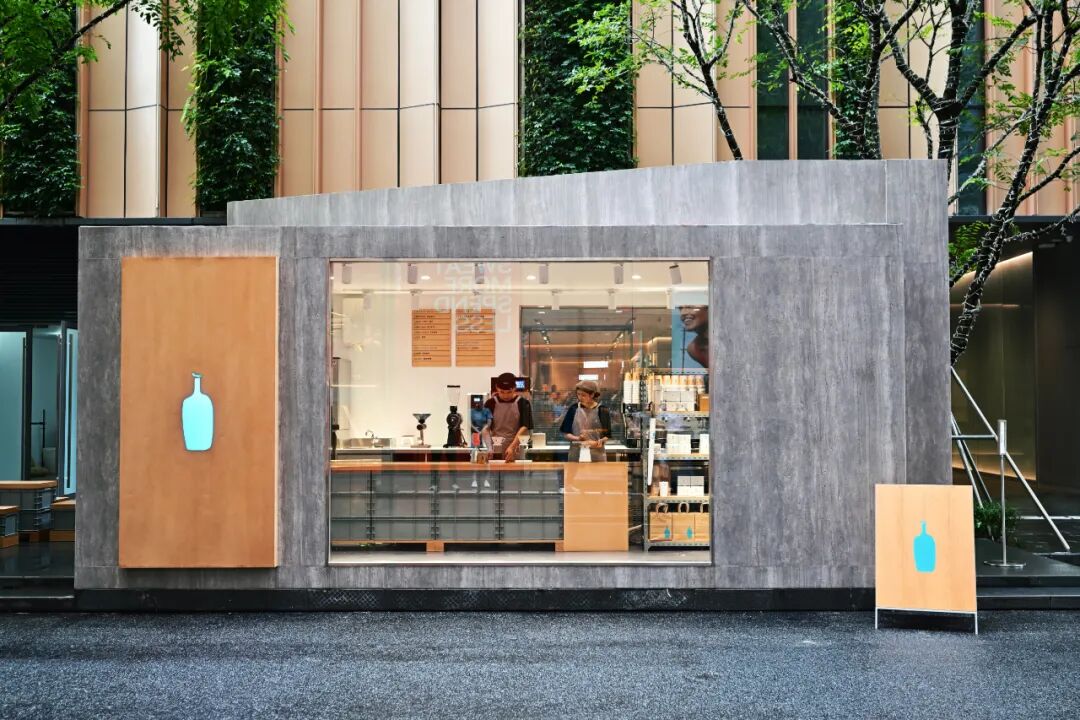
Nestlé Group disclosed this news in its financial report for the first quarter of 2026 released today. The company stated that portfolio optimization is ongoing, including reaching an agreement to sell Blue Bottle Coffee. Specifically, Nestlé Group has agreed to sell Blue Bottle Coffee to Centurium Capital. The transaction is still subject to customary closing conditions and is expected to be completed in the first half of 2026.
Today, Nestlé Group CEO Philipp Navratil said that building a successful business portfolio is one of Nestlé's key priorities. In the first quarter, the group made progress in the disposal of assets in Nestlé Waters, premium beverage businesses, and VMS (vitamins, minerals, and supplements) assets. "Moreover, we announced this morning that we have reached an agreement to sell Blue Bottle Coffee," he emphasized, noting that all this is founded on rigorous execution.
Before this official announcement, news of Centurium Capital acquiring Blue Bottle Coffee had long circulated in the industry. On March 4, LatePost cited an "informed source" saying Centurium Capital won the bid for Blue Bottle Coffee and is about to complete the deal with Nestlé; Bloomberg also cited an "informed source" revealing that Centurium Capital is in deep negotiations to acquire Nestlé's Blue Bottle Coffee and is currently finalizing the transaction details for Blue Bottle Coffee, including its roasting and retail business. 36Kr and Caixin reported that Nestlé originally intended to sell all its shares for $700 million, while Centurium Capital acquired it entirely for less than $400 million. Nikkei Asia cited an "informed source" stating that Luckin Coffee and Blue Bottle Coffee currently have no plans to merge, and the two brands will operate independently.
Nestlé first reported the plan to sell this business last December. At that time, Reuters cited three "informed sources" revealing that Nestlé was working with Morgan Stanley to assess various options for its Blue Bottle Coffee chain, including a potential sale. Nestlé might choose to sell the store business while retaining the brand's intellectual property to continue selling related products.
At that time, Reuters cited "sources" saying that the expected sale price would be lower than the $700 million valuation. Bloomberg also cited "informed sources" revealing that Centurium Capital and Luckin have been evaluating multiple coffee chain brands as potential acquisition targets, including Blue Bottle Coffee, Costa Coffee, and the operator of % Arabica in China.
Parties
As the buyer in this transaction, Centurium Capital was founded in 2017 by Li Hui and focuses on investments in the healthcare, technology, consumer, and enterprise services sectors. According to the investment map displayed on its official website, its portfolio includes consumer brands such as Luckin Coffee, Kidswant, and LOHO Optical, as well as technology companies like Xpeng Motors, Seyond, and Jura Mart. In the healthcare sector, it has invested in companies such as Taibang Bio and Yinno Pharmaceuticals.
Looking at Centurium Capital's investment portfolio, its most well-known investment is Luckin Coffee. In 2018, after leading two rounds of funding, Centurium Capital became Luckin Coffee's largest external investor. In June 2020, Luckin Coffee was delisted from NASDAQ due to a financial fraud scandal. Centurium Capital increased its investment twice in 2021 and 2022, becoming the controlling shareholder of Luckin Coffee.
With the support of Centurium Capital, Luckin Coffee underwent a major restructuring, and its performance significantly recovered by 2022 despite the pandemic. In May 2025, Centurium Capital's chairman Li Hui returned to Luckin Coffee's board of directors and assumed the position of chairman. As of now, Centurium Capital and its founder Li Hui collectively hold 23.28% of Luckin Coffee's shares.
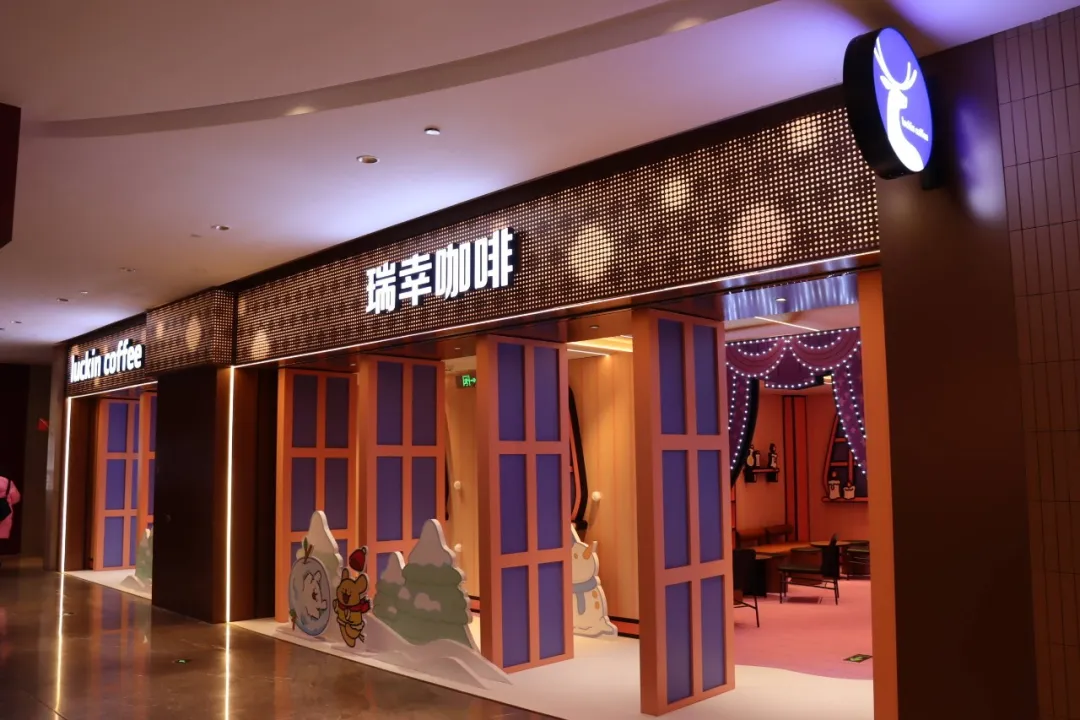
The recently disclosed 2025 financial report of Luckin Coffee shows that as of the end of the fourth quarter, Luckin Coffee had become the coffee chain brand with the most stores in China, totaling 31,048 stores (with over 20,000 directly operated stores). For the full year of 2025, Luckin Coffee's total net revenue was 49.288 billion yuan, a year-on-year increase of 43.0%; net profit was 3.6 billion yuan, a year-on-year increase of 21.6%.
For Nestlé, which has experienced slowed growth in recent years, this sale is part of a broader strategic review led by the new CEO, Philipp Navratil, aimed at streamlining the company's portfolio and exiting physical retail store operations.
Navratil has stated that for Nestlé to accelerate growth, it must focus on its winning product portfolio, namely coffee, pet care, nutrition, and food and snacks as the four pillars. He mentioned that Nestlé will continuously review smaller non-core assets to look for opportunities to simplify the business and unlock value.
Recently, Nestlé has successively announced the launch of business evaluations, including the mass-market VMS (vitamins, minerals, and supplements) business, water business (including Perrier and San Pellegrino) and other brands. Nestlé also stated that it is in deep negotiations with Froneri regarding the sale of its remaining ice cream business.
"We want to grow faster than the market in all areas, and if we are unable to gain market share in the long term, we will reassess these businesses," Navratil said. Evidently, the coffee shop business is becoming increasingly competitive, which falls within the range where Nestlé finds it difficult to gain market share. In addition, the proceeds from asset sales will also be used to reduce Nestlé's debt.
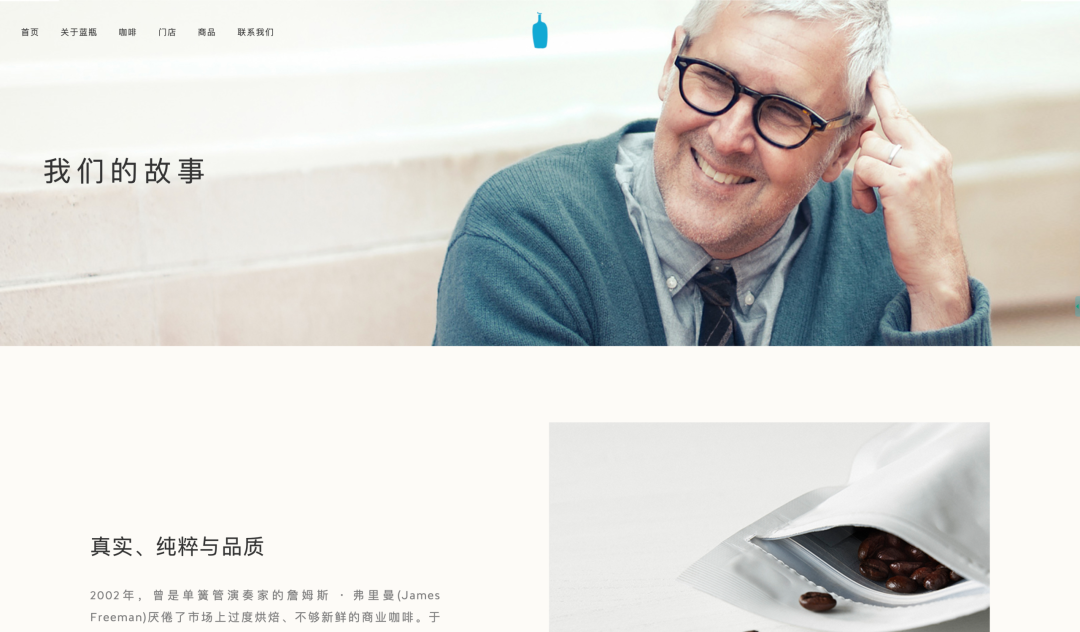
Blue Bottle Coffee was founded by James Freeman in California in 2002, with the first store opening in 2005. This U.S.-originated chain brand has been described as the "Apple of Coffee," focusing on freshly roasted specialty coffee beans, localized "one store, one identity" spaces, and pricing higher than most brands, including Starbucks.
Nestlé acquired a 68% stake in Blue Bottle Coffee in 2017 for approximately $425 million (about 2.931 billion RMB). It is reported that this acquisition was not actively sought by Blue Bottle, but was instead initiated by then Nestlé CEO Mark Schneider, who stated that the acquisition highlighted Nestlé's focus on investing in high-growth categories and keeping up with consumer trends..
"There is no one within Nestlé putting pressure on our brand, products, procurement, or leadership-Blue Bottle Coffee is a completely independent brand from top to bottom," said Karl Strovink, Global CEO of Blue Bottle Coffee. At the beginning of the acquisition, Blue Bottle Coffee had about 50 stores, and more than seven years later, the number of stores has only remained around 100.
Compared to the 'slow' pace of opening stores, Blue Bottle Coffee's consumer goods business collaborates very well with Nestlé. As early as 2022, Blue Bottle Coffee launched Craft Instant Espresso, the brand's first instant espresso product made with specialty beans. Recently, Blue Bottle Coffee expanded its cooperation with Nestlé's coffee brand Nespresso by launching capsule coffee.
In the Chinese market, Blue Bottle Coffee opened its first store in mainland China in early 2022 and currently has two business segments: stores and e-commerce. Blue Bottle Coffee now has 16 stores in mainland China, in the cities of Shanghai, Shenzhen, and Hangzhou.
Blue Bottle Coffee has also remained very independent in China, able to determine its own store opening pace, product mix, and staffing appointments. For example, last year the company appointed Chen Yixiang as its second China General Manager, who did not come from the Nestlé system but spent most of his career in the beauty and skincare industry; the company's first China head had previously worked at Starbucks.
"Our cautious expansion in China reflects Blue Bottle Coffee's philosophy: every café should offer a wonderful experience rooted in exquisite craftsmanship, warm hospitality, and outstanding design," Karl Strovink, Global CEO of Blue Bottle Coffee, explained last year regarding the company's approach to its store opening pace in China.
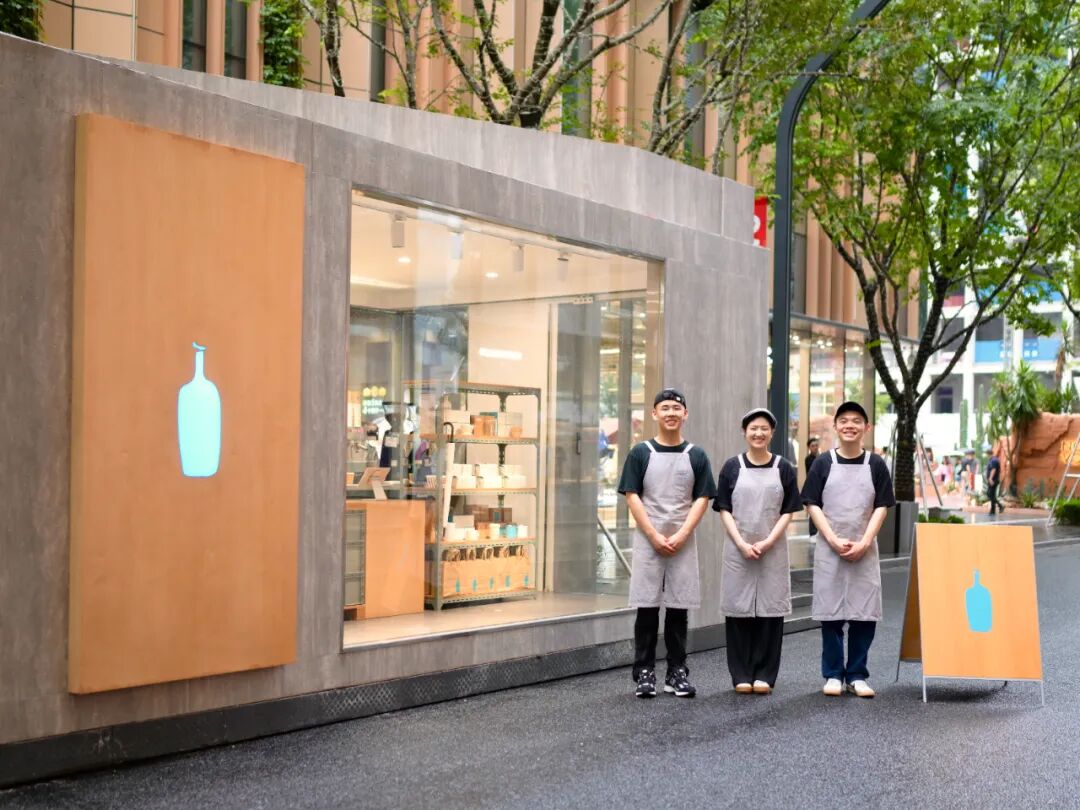
Recently, when discussing future growth, Strovink also stated that global coffee shop expansion will become an important strategic direction in the future and emphasized that the company's growth will proceed in a cautious and planned manner. He said that every new coffee shop opened is a commitment to the team, origin partners, and the community; the company is dedicated to providing a consistent and humanized coffee experience without compromising on quality or brand essence.
Currently, Blue Bottle Coffee still needs a "financial boost." Previously, 36Kr cited information from an "informed source" stating that as of June 30, 2025, Blue Bottle Coffee's revenue over the past 12 months was approximately $250 million, with the U.S. contributing about $150 million and the Asia-Pacific region about $100 million; Blue Bottle Coffee expects to achieve profitability by 2026.
Xiaoshidai learned from industry sources that the statement about losses is true.
Comment
Regarding the above transaction, a senior industry expert told Xiaoshidai that the completion of this deal could not have happened without the mediation and guidance of Nestlé's senior executives in China. As Luckin Coffee's largest investor, Dazheng Capital's acquisition this time mainly focused on several aspects, including supply chain advantages, brand matching, overseas platforms, and industry synergy.
First, Luckin Coffee and Blue Bottle Coffee each have relatively solid supply chain foundations. Both sides can complement and enhance each other in raw material procurement, production and roasting, quality control, and logistics distribution, jointly leveraging supply chain advantages.
Second, the mass-market positioning of Luckin Coffee and the high-end boutique positioning of Blue Bottle Coffee can form a high-low brand combination, covering a richer variety of coffee consumption scenarios.
Third, leveraging Blue Bottle Coffee's international brand influence can provide endorsement support for Luckin Coffee, which is still in the global expansion phase, and build a more competitive overseas platform.
Finally, the two brands can mutually support each other in operations, digitalization, and supply chain aspects, achieving higher efficiency and cost-optimized industry synergy.
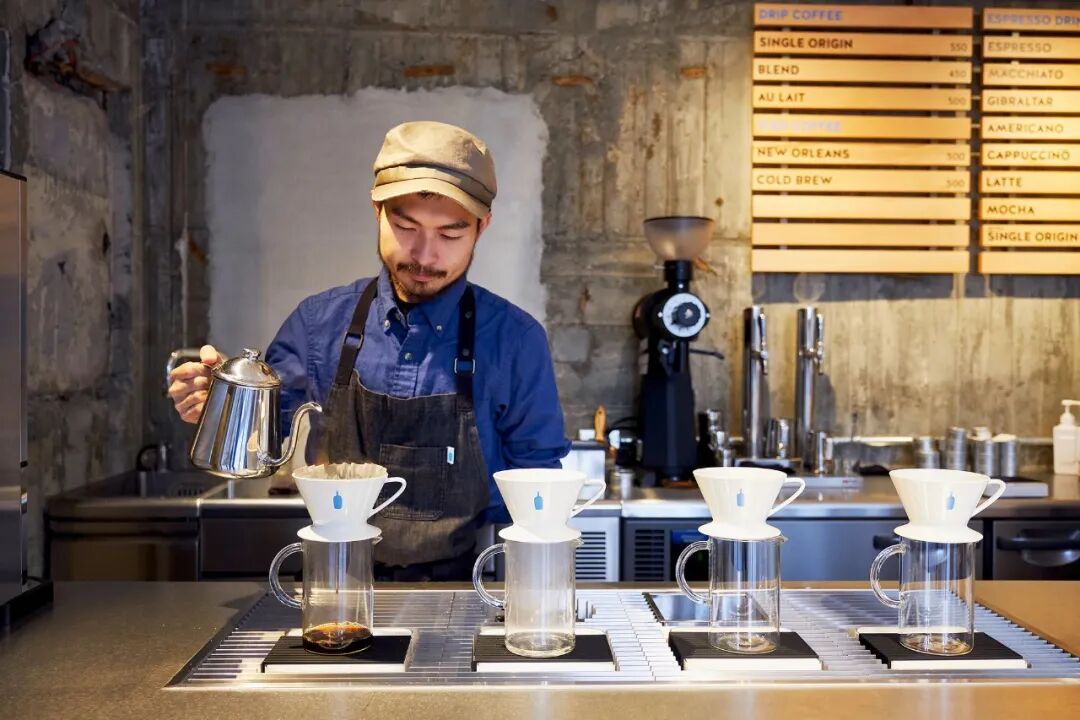
Nathanael Lim, Insight Manager for the Asia-Pacific Beverage Industry at Euromonitor International, believes that Dachen Capital's plan to acquire Blue Bottle Coffee aims to consolidate its dominance in the coffee market and prevent competitors from threatening Luckin Coffee. This also reflects Dachen Capital's continued efforts to enter the high-end market after failing to acquire Starbucks China in 2025.
"The deal will help Luckin accelerate the implementation of its upgrade strategy targeting high-end consumers, while leveraging Blue Bottle Coffee's strong foundation in the U.S. market to promote overseas expansion," Nathanael pointed out. At the same time, Blue Bottle Coffee can also leverage Luckin to expand in China and Southeast Asia, reaching high-end consumers through new channels. The partnership will create a competitive landscape against Starbucks in the specialty coffee sector. In the next 3-5 years, the coffee industry in China and globally will undergo deeper consolidation. Companies with strong financial support will have a competitive advantage in the future.
Euromonitor International data shows that by 2025, the global market size of chain specialty coffee and tea beverage stores will reach $113.4 trillion, with the Chinese market size reaching $21.4 trillion.
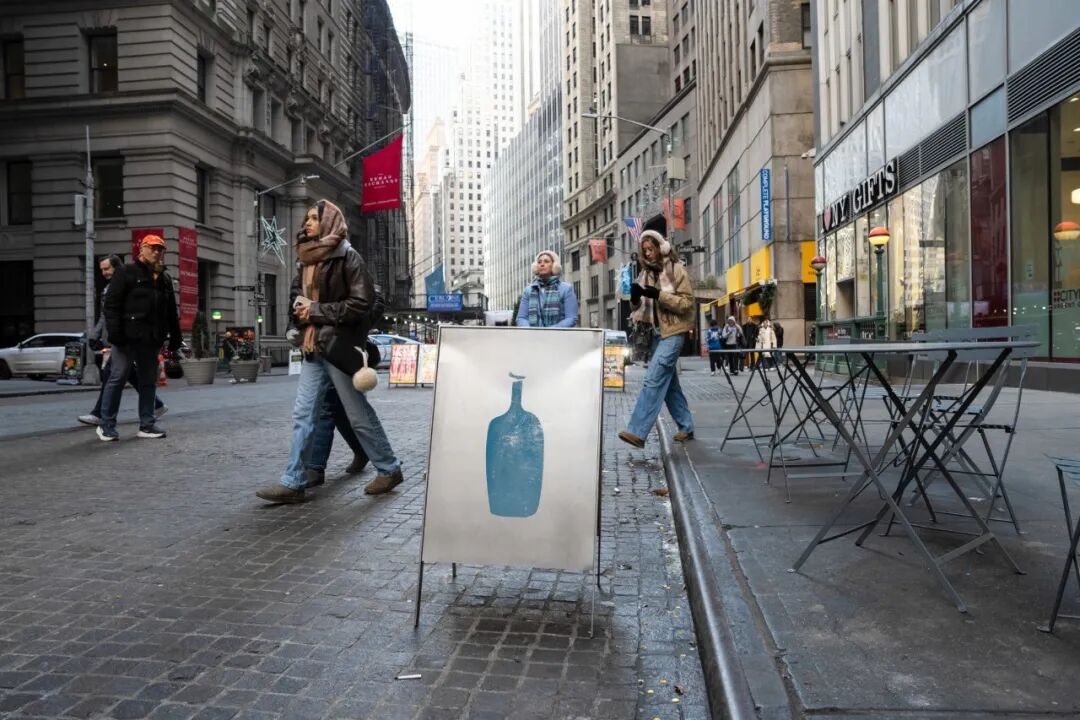
Regarding this transaction, Wang Zhendong, Chairman of Shanghai Feiyue Investment Management Co., Ltd., pointed out, "To truly understand why Dachen Capital is investing in high-end coffee, it is necessary to consider Luckin Coffee's latest financial performance."
Recently, Luckin Coffee released its financial report, showing that for the full year and the fourth quarter of 2025, its delivery expenses reached 6.8787 billion yuan and 1.6309 billion yuan, respectively, up 143.8% and 94.5% compared with 2.8211 billion yuan and 838.7 million yuan in the same period of 2024. In the fourth quarter, Luckin Coffee's net revenue increased by 32.9% year-on-year to 12.777 billion yuan, but net profit decreased by 39% year-on-year to 518 million yuan. From this perspective, last year's food delivery war significantly drove up Luckin Coffee's input costs and also eroded its profit margin.
At present, competition in China's coffee market is still intensifying. "Everyone says that China's coffee market is a very good market, but it is also an extremely competitive market. Every year there are new factors that trigger a new round of competition, whether it is a new model, a new product, or a new player. Including this year's food delivery war, it has brought a shock to the whole market," Li Hui said in a November interview with China Entrepreneur.
Luckin Coffee is currently accelerating its overseas expansion. The 2025 financial report shows that by the end of the fourth quarter, Luckin Coffee had more than 80 stores in Singapore; in the United States, Luckin Coffee had opened 9 stores by the end of last year. Wang Zhendong stated, "In the United States, Luckin Coffee's progress is slow and it has not truly proven itself yet."
"Luckin's current financial data, expansion pace, and other performance indicators suggest that it is entering a stage that requires structural adjustment," Wang Zhendong said. In the past, Luckin Coffee pursued scale, and moving forward, it will focus more on pursuing profits and high-quality development, which means it will need higher value-added products and brand premiums as support. The 'third space,' once considered a burden during the price competition phase, could potentially become a competitive advantage in the future. Blue Bottle Coffee has influence in the global specialty coffee market and enjoys a relatively friendly valuation, which can help supplement Luckin Coffee's deficiencies in high-end experience and brand tone.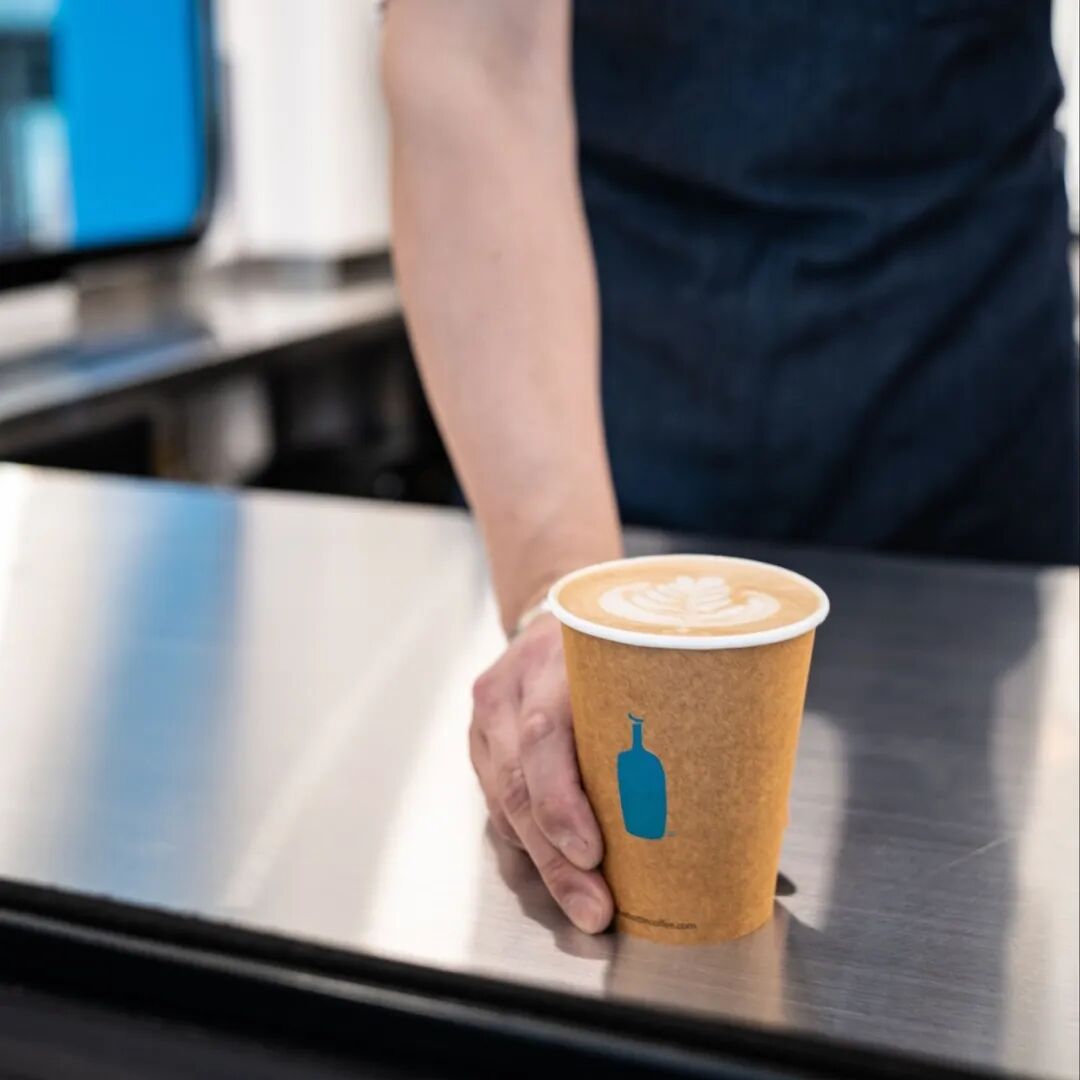
In the future, with the implementation of this transaction, it will also bring an impact to China's coffee industry.
Today, a coffee industry insider in Guangzhou told Xiao Shi Dai that although the Chinese coffee market has been very lively in recent years, it has not yet developed a widely recognized coffee culture. Relying on Blue Bottle Coffee's cultural accumulation, it is expected to fill this gap and promote the smoother globalization of China's coffee business model. From the perspective of the supply chain, Blue Bottle Coffee has influence in the global specialty coffee market. Leveraging its supply chain system, it is expected to help China's Yunnan specialty coffee truly reach the world.
For Blue Bottle Coffee itself, the Guangzhou coffee insider pointed out that although Blue Bottle Coffee is currently operating at a loss, its potential in brand value and supply chain capability is still recognized by the market. How DaZheng Capital improves store operation efficiency and controls costs without damaging the brand tone will be key to achieving Blue Bottle Coffee's profitability goals. As for the Chinese market, Blue Bottle Coffee previously expanded stores cautiously. With the support of DaZheng Capital, it will further penetrate China's high-end coffee market. However, maintaining the experience that Blue Bottle Coffee consistently emphasizes while further expanding will be a challenge to face.
Xiao Shi Dai has noticed that the topic of Luckin's major shareholder "drinking up" Blue Bottle Coffee has recently caused heated discussions among consumers. On social media, some netizens joked, "Will Luckin lower Blue Bottle's prices?" "Is Blue Bottle preparing to sell milk tea?" "Will the beans be standardized?" "It's fine, it's still Blue Bottle"; while others worried after the acquisition about "cost reduction, quality decline, opening stores everywhere" "crazy franchising again" "looking at my Blue Bottle cups on the table, it doesn't feel as special anymore."
In fact, consumer skepticism also appeared when Nestlé acquired Blue Bottle Coffee. At that time, there were claims that while Nestlé would "benefit" from Blue Bottle, Blue Bottle's own reputation might be harmed, because Nestlé is known for selling mass-market instant coffee, which is completely different from the high-end path of specialty coffee shops.
Regarding this, then Blue Bottle Coffee CEO Bryan Meehan said: 'You can't decide how to run your business just because you are worried about what others think; you have to believe in what you are doing, that's the only way. And I know what our future will be, our customers do not.'