


How to technically evaluate a digital printing device
"Everything that can be digitized will eventually be digitized, and printing is no exception." In recent years, digitalization has gradually taken an increasingly important position in the printing industry, and more and more printing companies are beginning to accept digital printing and embrace the transformation of digitalization. Comparatively speaking, investing in digital printing equipment requires a considerable budget. Printing factories or print shops, when faced with the dazzling array of digital printing machine brands and models on the market, as well as the various promotional strategies from major manufacturers, still face significant challenges in making a reasonable choice of digital printing equipment, even with brand certifications and model customer endorsements. So, how can one actually procure digital printing equipment that truly suits their own needs and preferences?
To buy and use digital printing equipment well, factors such as equipment price, operating costs, brand effect, after-sales service, delivery conditions, and technology development trends are all essential considerations. In addition, conducting comprehensive technical evaluations of the equipment is a top priority in project assessments and equipment introduction, especially for medium to large production equipment. This is an indispensable process and a touchstone to determine whether the equipment meets current production needs.
In recent years, I have been fortunate to be deeply involved in a series of technical evaluations, promotional sales, and other work related to digital printing machines. Here, I would like to offer some preliminary insights. Taking the sheet-fed color digital printing machine as an example, we will explore and share, from twelve aspects including quality, media compatibility, color, stability, productivity, and post-press adaptability, how to evaluate digital printing equipment in a manner that is fair, professional, and comprehensive from a technical perspective.

01
Quality
The print quality of digital printing equipment is a key necessity for equipment buyers and a hard metric for evaluation. However, when judging quality, one should not blindly trust the paper specifications in the manufacturer's brochures. Instead, it is necessary to rely on tangible test samples that can be seen and touched. To assess printing quality, besides the normal visual evaluation, it sometimes requires using a high-powered magnifying glass to compare and observe the reproduction of dots, in order to detect finer differences or even potential quality risks.
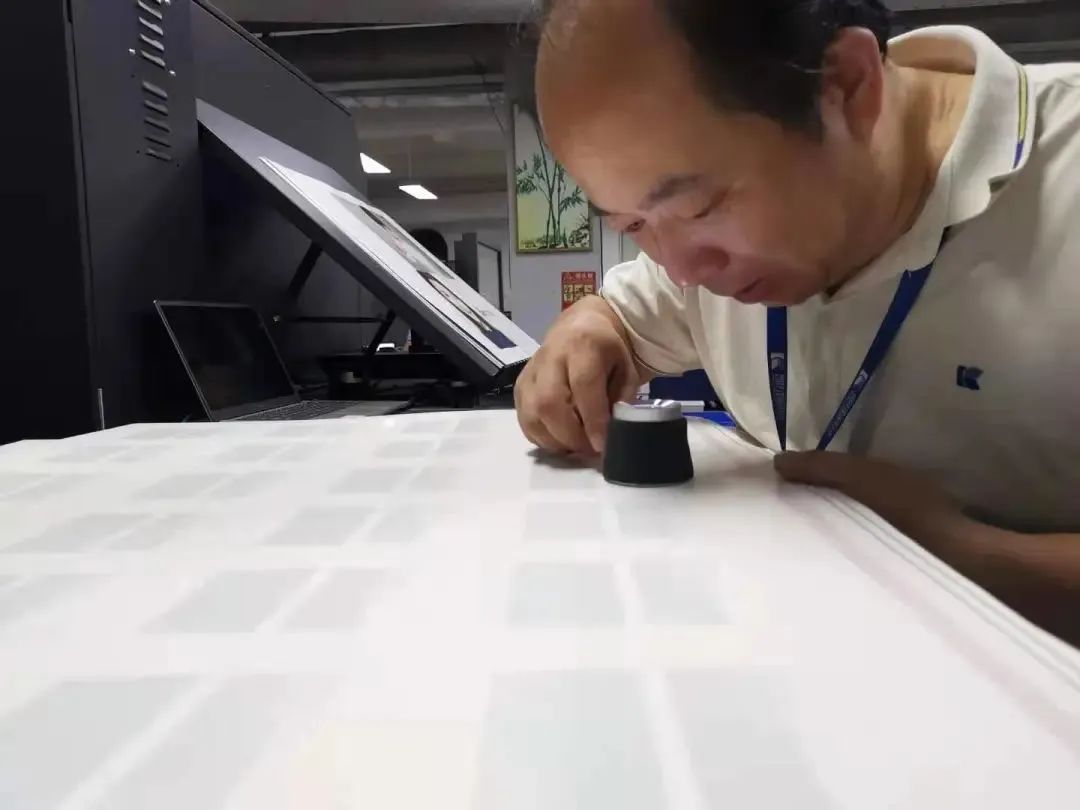
When evaluating quality, the most common aspects are the precision of the image, extremely small characters (including engraved and raised characters), and extremely fine lines (including engraved and raised lines). Within the same grade, the higher the precision, the better; the smaller the font, the better; the finer the lines, the better. Sometimes, complex characters in different font sizes with very tightly arranged lines are also commonly used as indicators to test device precision.
Of course, the performance of actual locations, tonal gradation, and halftones is also very important. Especially, whether the tones from 1% to 99% are smooth, whether there are breaks or jumps in transitions; additionally, focusing on whether highlight and shadow details can be faithfully reproduced or if some parts are lost. Is screening done with frequency modulation (FM) or amplitude modulation (AM)? Will AM screening cause moiré patterns? How do different screening methods perform? Observing the halftone dot texture in image areas such as skin, how does it feel? Are the dot edges sharp and clear or blurry and rough? Are there issues like ink splatter in blank areas?
Moreover, smooth and burr-free line edges, and lines that are straight without bending, are also important aspects of quality evaluation. Diagonal lines, in particular, are the easiest to judge for overall quality. Furthermore, barcode grade is a key point used in the packaging printing industry to assess the quality of digital proofs. Scanning with a barcode reader should at least meet a C grade to be acceptable, though the best is A grade.

Finally, the performance of quality also depends on whether there are any abnormal quality or defects in the appearance of the test proof, including but not limited to obvious streaks, blurs, broken lines, scratches, scratches, dirt, wear, corners, blisters, bars, transparent bottoms, black lines, white lines, registration, excessive bending, etc.
02
Medium
The adaptability of printing media is also an important aspect of digital printing machine evaluation. In the field of printing, since the digital printing press is used to replace some of the functions of traditional printing machines, it is generally measured by the standard of traditional offset printing. For example, whether the coated and uncoated papers commonly used in traditional printing can be adapted to digital printing equipment, such as copperplate, matte powder, book paper, pure quality, white card, powder gray card, etc.; Because packaging printing often uses UV ink printing, the application of some special materials is indispensable, such as gold and silver card, PET/PVC/PP, synthetic paper, kraft paper, colored cardboard, etc. In addition, for labels, graphic quick printing or image fields, the demand for media is even more diverse, such as textured paper, aluminum foil paper, laser paper, pearlescent paper, self-adhesive, silver dragon, butter paper and photo paper, etc. are all commonly used materials.
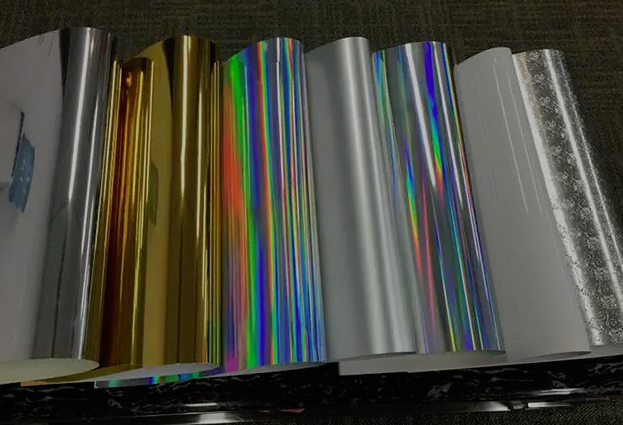
Restricted by different printing and reproduction technology factors, the adaptability of equipment to the medium should not be blindly pursued to 100% satisfaction, after all, traditional printing is also divided into UV machine and ordinary machine, each with its own adapted medium. Under the premise of being able to meet the existing media, the more support can be made, of course, the more advantageous and more advantageous, but after all, not all equipment can be compatible with all media, and it is more realistic to see whether it can adapt to the current business direction of digital printing.
In addition, after obtaining the information on the media supported by the digital printing equipment, it should also be understood during the actual test process, single or double-sided printing? How much does the thinnest and thickest limits support? Are there any special requirements for the texture of the paper? Does the paper need to be coated with pre-treatment or surface treatment such as corona before feeding? Do you need to do the corresponding post-processing after completion? If so, does post-processing have an impact on the paper? How many different media can be allowed at the same time? Is the paper road smooth, and is the probability of paper jamming high? If you encounter paper abnormalities such as paper jams, what is the mechanism and operation of its processing? Is it easy and quick to operate when printing with other types or sizes of media?
03
Format
In addition to the medium itself, the size of the format that the equipment can print is also a rigid indicator for buyers to decide whether to buy or not. If the format does not meet the minimum requirements, no matter how strong the other performance is and how good the performance is, it will never be included in the customer's consideration.
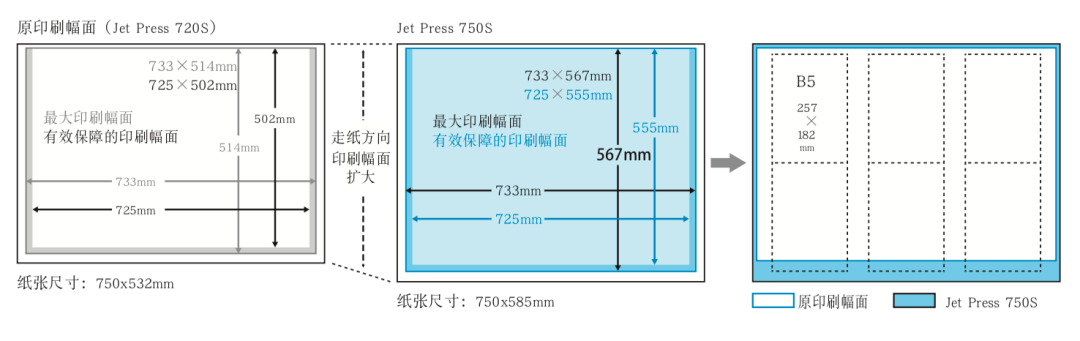
The positioning of different devices varies, which affects their support for sheet sizes. From the perspective of the final product, most digital printing devices currently fall within the A3 sheet size range, which can meet the needs of general books and magazines as well as a small portion of packaging. Devices that reach the B2 large four-fold sheet size can meet the needs of the majority of books, posters, images, and packaging. As for B1 double-fold sheet size, it can fully match the sheet size of mainstream traditional printing presses, and aside from oversized packaging boxes, there is almost nothing that cannot be printed. However, the larger the sheet size, the higher the relative cost. B1 double-fold is more expensive than B2 four-fold, and B2 four-fold is more expensive than A3. There are also devices gradually appearing on the market that fall in the segment between A3 and B2 sheet sizes.
It is also necessary to conduct in-depth evaluations of sheet size parameters. For example, even among B2 sizes, the exact size parameters of different devices vary. Is it 750*530mm or 750*585mm? Don't underestimate the extra 55mm in height. If calculating by imposition, taking 210*285mm as an example, the former can only fit 4 in a horizontal row, while the latter can fit 6 in a vertical row, increasing capacity by one-third. If the cost per sheet remains the same, this also saves one-third of the cost.
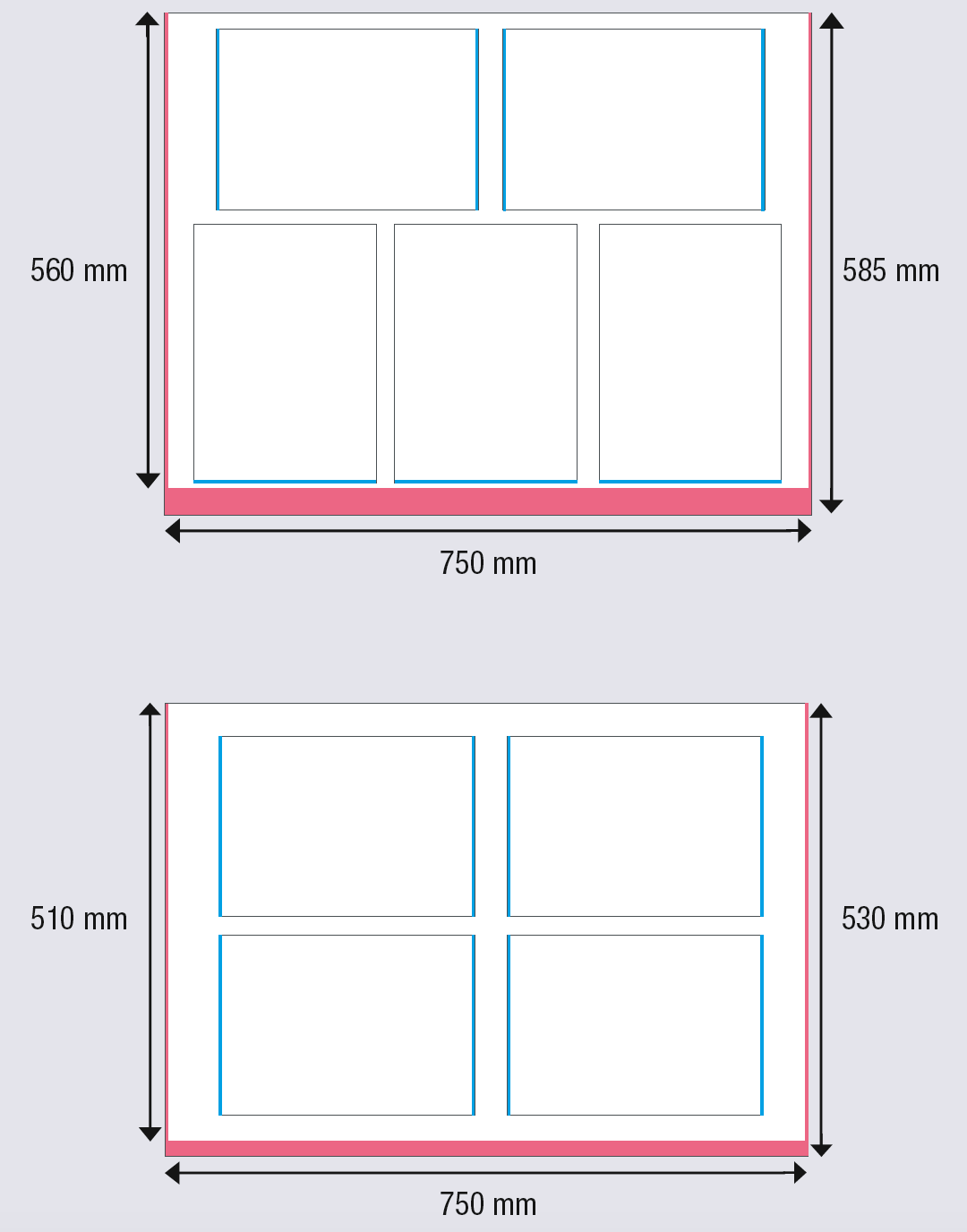
In addition to the maximum print paper size, you also need to know the minimum paper size, in addition to the regular size, is custom size acceptable? If custom sizing is not supported, is there a lot of waste in media options, or is additional sizing required to optimize cost-effectiveness?
At the same time, what is the maximum printable area corresponding to the equipment, which means that in the case of borderless printing, how much still needs to be deducted for each margin, so that the resulting size can truly calculate how much of the finished product ratio can be arranged for production on this equipment. Is it convenient to switch between different sizes of media? This can be assessed by the steps and timing of the media size switching operation. Furthermore, Is paper feed long or short side feed? The feed direction directly affects the alignment direction and also has a series of chain reactions in the subsequent process.
04
Color
If dots are the body of prints, then color is the soul of prints. The first focus is on the maximum color gamut of color, that is, the three-dimensional color space generated by the reddest, greenest, yellowest, bluest and blackest starting from paper white on the specified medium. Of course, you can also evaluate whether the spot colors commonly used by the factory can be accurately restored, but the latter is a bit generalized and relatively incomprehensive.
If the congenital initial printing color gamut is larger than the ISO standard color gamut of similar media, then if the color reaches the ISO standard, it is natural to achieve color matching with traditional printing through a series of color management software; If this initial color gamut does not reach the ISO standard color gamut of similar media in some areas, it means that this color will have some defects compared to traditional printing. In this case, it is often only possible to make some attempts to improve the hardware or consumables, such as adjusting the amount of ink or changing the ink of other models or even brands for further testing.
The most common color evaluation of digital printing equipment is through the G7 beta version and GMI test layout, because there will be more or less elements such as MediaWedge, Colorbar, or Testchart. The conventional evaluation of color reproduction is nothing more than the following:
01
Evaluated according to the standard of ISO 12647-7/8
Including paper white, average color aberration, maximum color aberration, chromatic aberration and gray balance and other parameters are included in the evaluation, if it can meet the tolerance and pass the standard, it can prove that the color reproduction accuracy of the equipment is relatively high, which is definitely a great confidence for buyers. The evaluation object is mostly the measurement and control strip or color table in the layout, of which ISO 12647-7 is the evaluation standard for digital proofing, ISO 12647-8 is the evaluation standard for digital printing, so the former is more demanding and more difficult than the latter, and the digital printing equipment that can be achieved under normal circumstances is also rare, only a handful.
02
Assessed by PressSIGN software score
If the first method focuses on prepress evaluation, then this method is more similar to a common evaluation method when printing large quantities. Among them, the evaluation objects are mostly for color bands, short ribbons or long ribbons, according to the specified color standards such as GMI to score, the items to be evaluated include four-color field, overprinting, gray balance and dot expansion, etc., generally need to reach 85 or more points to meet the buyer's requirements.
Of course, some other specific evaluation methods are not ruled out. For example, specify the printing of P2P51 charts for G7 gray balance compliance evaluation, or separate evaluation of CMYK four-color gradation and its dot expansion, or visual evaluation of CMY three-color gray. At present, the domestic C9 beta version has also begun to be used in the evaluation of some domestic digital printing equipment.
On the basis of pure digital evaluation, Chinese people are relatively more inclined to advocate the use of visual evaluation of color, especially for some special field customer groups. Among them, memory color and skin color are more directly related to people's senses, and gray, orange, blue, purple, etc. are also common colors that are often discussed.
As an evaluator, we need to be soberly aware that the color target of the test printing, the paper medium and even the color viewing light source and observation angle will have a significant impact on the sensory results, so the correct color target, the standard color viewing light source and the standard observer are obviously indispensable, and it is best to use the same printed document and the same medium based on the same observation conditions, and strive to use the method of multiple people to evaluate to obtain relatively more objective results.
In addition to the four colors, another key point of color evaluation is the restoration of spot colors, especially in the field of packaging and printing. Generally, the general Pantone spot color is used as the test object, and there are also some designated customer spot colors, mostly brand colors, and physical sample spot colors as the target test, which requires the color difference between the digital printing equipment and the target within a certain tolerance. Generally speaking, the spot color aberration △E is as small as possible, and the general requirement is that ∆E2000 should be less than 2.0. For example, the digital proofing standard ISO 12647-7 requires ∆E00<2.5, the GMI audit requirement is within 2.8, and some brands even have strict requirements to less than 1.5 or 1.0.
Unlike traditional printing blended spot inks, except for the Indigo series, which allows users to purchase specially blended spot inks separately (although they are also very expensive), almost all other digital devices are based on the idea of using a series of advanced color management systems to simulate the expression of spot colors with 4 colors or even an additional 5-7 existing color inks. Therefore, theoretically, the more color groups of printing equipment and the larger the color gamut range, the more likely it is to accurately simulate more spot colors. For example, the addition of pink, golden red, special green, special orange and fluorescent colors has greatly expanded the expression space of the original four-color color gamut, so that many spot color problems have been solved since then.
In addition, if the equipment has special colors such as gold, silver, white and other special colors, which has broken through the field of printing color performance, through special design, these special colors can be combined with many different types of printing media to produce special visual effects, bringing customers a unique feeling, these wonderful chemical reactions, beyond customer expectations, naturally have the opportunity to expand a larger business scope and achieve higher added value.
Whether it is color reproduction of four colors or spot colors, its basis is automatic color matching with the measurement calculation of the color management system, but if it needs to be used as proofing with traditional matching, it is inevitable to carry out some temporary manual adjustment actions on site. In general, the adjustment of the four-color curve, the adjustment of the honeycomb visual spot color will help with this. Therefore, whether it can quickly respond to the actual production for on-site color grading, or overall adjustment, or partial change, is also a concern in the mature digital equipment evaluation system.
It is worth adding that in the individual evaluation process, it will also be required to match the test sample with the traditional sample or digital proofing after the surface treatment, including the matching of four colors and spot colors. If after the surface treatment, the color gamut of digital printing is still large enough, it is not difficult to meet this kind of requirement, but it needs to be the cooperation of post-press materials and processes, and there will be more variables that need to be controlled, and the color calibration process needs more steps, in addition to the adaptability of the post-press process, it is more to test the professional ability of the equipment manufacturer's pre-sales technical support.
05
Stability
Printing production is never just a matter of time, but a unit cycle, such as a day, a week, a month, a year or even more, which requires the printing press to maintain the same state and be able to complete production and delivery with quality and quantity. The same applies to the evaluation and selection of digital printing equipment, but it is often overlooked by buyers.
Theoretically, the simpler the equipment structure, the more direct the imaging, and the shorter the intermediate link, the fewer influencing factors and the higher the relative stability. In this regard, direct printing will undoubtedly have higher stability than indirect printing.
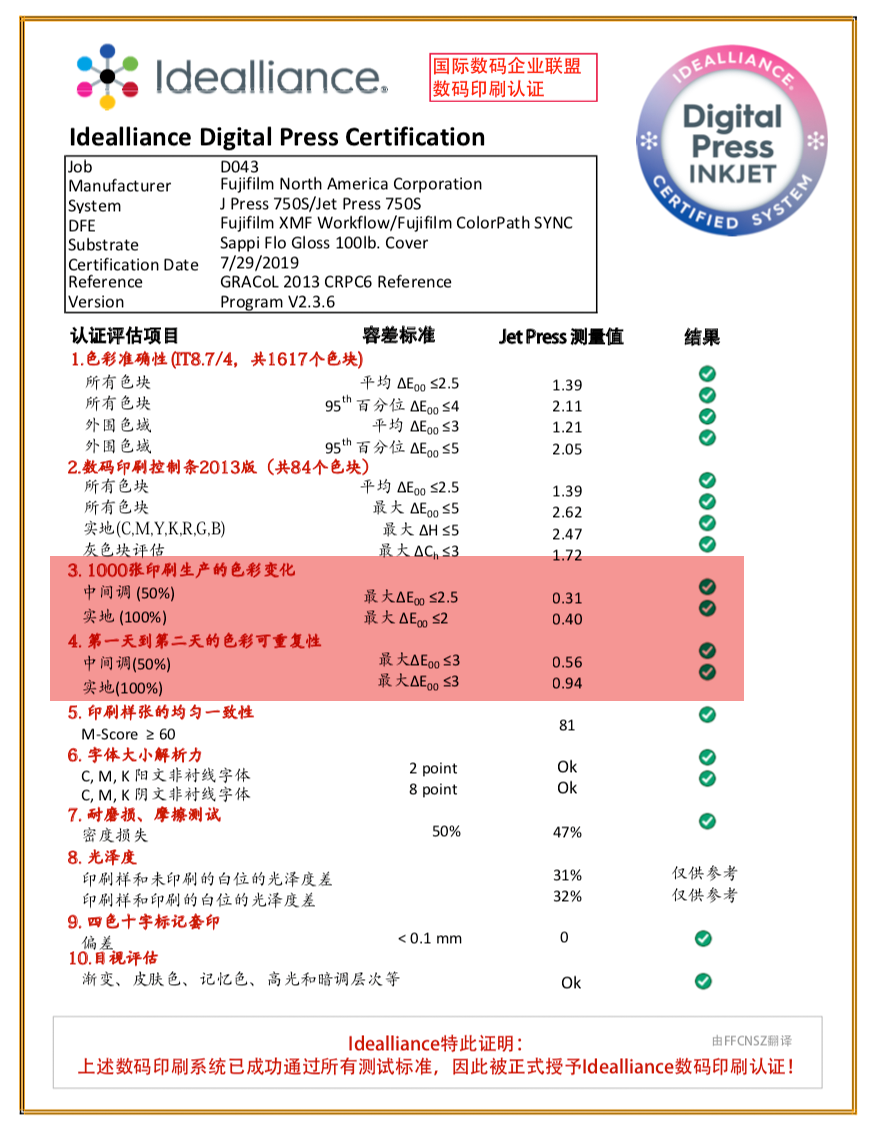
A comprehensive and professional equipment evaluation system usually pays attention to the stability of the equipment, tracking changes from day 1 to day 2, day 7, and even day 30. This is called temporal stability and requires that under the same conditions, the color difference measurements on-site and at outlets remain within a certain tolerance range. Similarly, changes from the 1st sheet to the 10th sheet, the 100th sheet, the 1000th sheet, and so on are referred to as continuous stability or short-term stability. The heavier the production load of the equipment, the more test samples should be used accordingly.
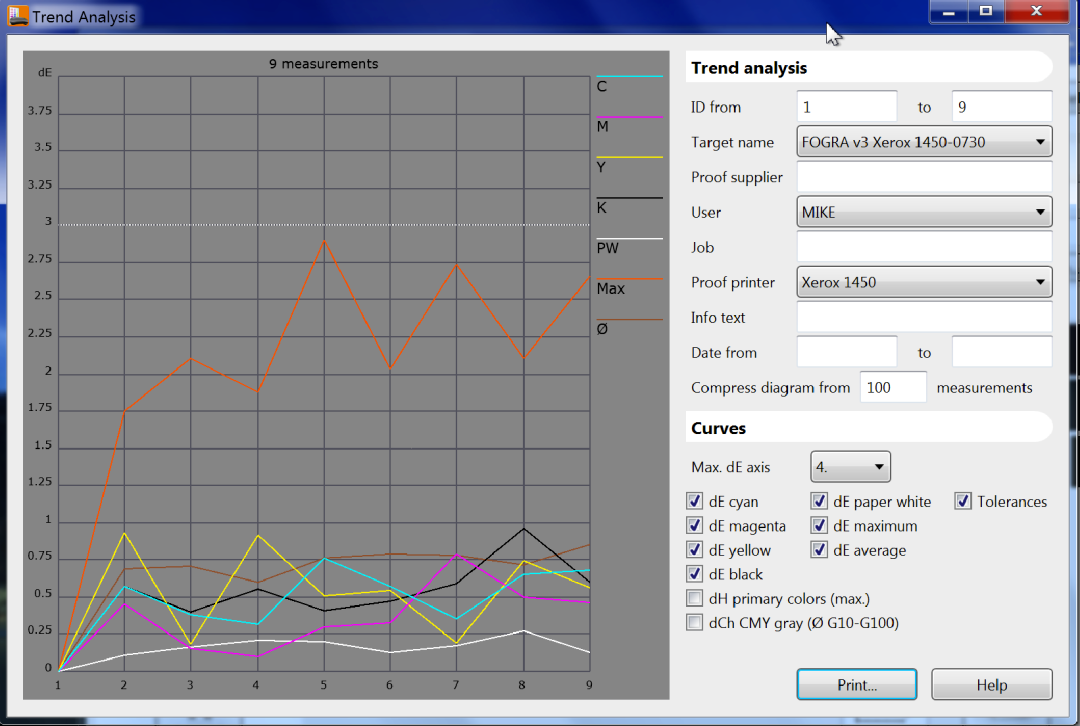
By observing the color changes of multiple prints, you can use the software to draw statistical charts and judge the color fluctuations at a glance. If you add a measurable ribbon to the test layout, it is more efficient to use an orbital scanner to detect the sample to obtain a more accurate fluctuation data chart. If the color fluctuation is smaller, it means that the stability of the equipment is higher and more reliable; On the contrary, the greater the fluctuation or sudden jump, the worse the stability of the equipment, and whether it can meet the relatively picky quality requirements in the production process of bulk goods is debatable, and investors need to think twice and make prudent decisions.
06
Uniformity
In addition to stability, the uniformity of the equipment needs to be examined. In particular, multi-mode printing, which is more common in the field of packaging and printing, and spread-page printing in book printing have high requirements for the uniformity of equipment. The most direct and commonly used evaluation method is the beta version of Yinping.com, which is a very challenging hurdle for most digital printing equipment, and its difficulty coefficient can be called five stars. At present, in addition to inkjet printing equipment, other digital imaging methods including electrostatic imaging, electronic ink, and nanoprinting are not satisfactory in terms of flat screen performance.
For the design of the flat screen, you can choose the CMYK primary color separation color flat screen test layout, including 25%, 50% and 75% dots, or you can choose RGB secondary overlay color or CMY three-color gray balance or CMYK four-color superposition test layout, and then carry out on-machine test proofing, visually observe whether there are abnormal phenomena such as flat screen bars, starting lines, unevenness, local too dark or too bright, etc., if there is, it proves that the uniformity of the equipment is not good enough, and hardware engineers need to intervene. Adjust the status of the optimized device.
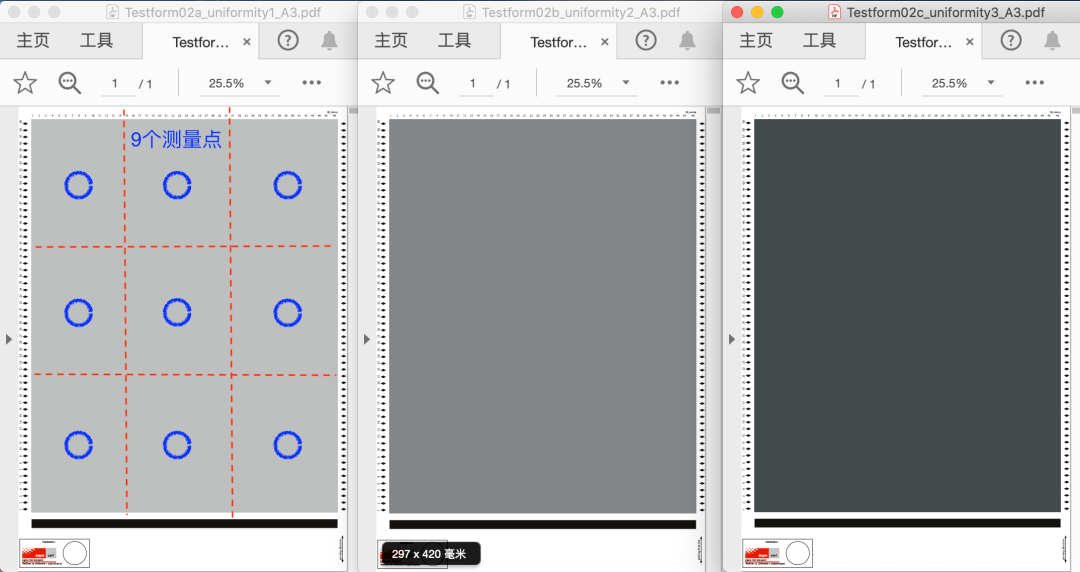
The most scientific way to evaluate screen printing is to use instruments to measure the density or Lab color values at different positions such as top, bottom, left, right, and center. The most common approach is the nine-grid method, though there are also methods that take more points. Based on this, it is possible to assess whether the uniformity at various points on the page (for example, the top left corner and the bottom right corner) is within a reasonable range.
At the same time, uniformity can also be observed by measuring uniform color strips placed in different positions. A GMI test page is a good example: consistent color strips are distributed at the tail of the page, the gutter, the middle, and both sides. By quantifying and scoring each color strip, the differences in uniformity across the page can be clearly seen.
07
Registration
Registration is a basic skill in printing. It includes checking four-color registration, front-to-back registration, sheet-to-sheet registration, and even registration with other media. Since traditional printing uses separate color plates, test pages generally include crosshairs to check color registration with a magnifying glass. Additionally, the crop marks and cross lines at the four corners of the finished product are used to detect registration. Generally speaking, a commonly acceptable standard is less than 0.1 mm, and special attention should be paid to maintaining the same registration accuracy at the top, bottom, left, right, and center.

In the layout graphics and text, the common practice of traditional printing is to compensate for the possible white leakage caused by inaccurate color and color set. Therefore, the splicing pattern of two or two solid color blocks in the middle of the test layout (such as C/M, C/Y, M/Y, etc.) is a more professional test method to check whether it is necessary to fill in the gaps and the effect of filling in the gaps.
In addition to four-color registration, registration during front and back printing is also an important indicator that is often examined, generally tissue paper is mostly judged by visually observing the degree of overlap of double-sided overprinting marks with your back to the light, while thick paper can judge the accuracy of overprinting by punching a hole in the center of the overprinting mark with a needle and seeing the degree of deviation from the registration mark on the back. Its accuracy, in addition to the relationship with the cutting of the paper itself, is more related to the tension gauge control of the paper feeding device of the equipment itself. If the equipment has a paper feed structure similar to the traditional printing feeder, equipped with front gauge and side gauge, it is easy to achieve front and back registration, while the general electrostatic imaging equipment mostly relies on the paper roller to control the pull gauge, and the performance in registration will be unsatisfactory. Of course, in the software that outputs DFE at the front, manufacturers often have some deformation compensation functions that can be manually adjusted to make up for the front and back registration errors caused by the paper feeding process or paper deformation.
In addition to the above two registration checks, it is also necessary to check the stability of the pull gauge or the paper feed, that is, the deviation of the pull gauge between the previous sheet and the next sheet, generally a number of consecutive prints can be lined up in a line, observe the angle offset position of each corner, and judge the stability of the pull gauge in turn, or the same sheet repeatedly hits the machine twice, for example, in rare cases, it is necessary to go through white ink or black ink twice to meet the customer's expected effect, and the repeated text and images on the layout can amplify the accuracy of the equipment paper pull gauge. Using the proofs on other equipment for supporting post-processing, such as local UV or hot stamping, or aligning with 3D grating sleeves, etc., all of which put forward higher requirements for the error of each pull gauge in continuous production. The performance of the pull gauge is more closely related to the deformation caused by paper feeding, paper feeding control device and paper drying.
08
process
The entire digital printing equipment is a complete ecosystem, not just the press itself, but also the digital front end (DFE), workflow software (Workflow), and the human-computer interface on the device.
Generally speaking, the process of digital printing needs to have functions such as document reception, document interpretation, color management, large plate imposition, equipment output, job management, and template automation. If the equipment hardware itself is powerful, but the front-end DFE function is incomplete, it can easily become a shortcoming in the barrel theory, greatly dragging down production efficiency.
EFI Fiery is the most common application in the industry, but there are also some other brands of processes that are very functional, including not supporting other file formats other than PDF and TIFF? Is there a PDF file preflight and correction function? Can I set up a gap in the process? Is there a small edition function and a large imposition function? What version of APPE is the kernel explained by the file? Can I pass the RIP test for Ghent PDF? How well can you interpret complex transparency effects and the latest version of the document? Are the ICC color options comprehensive enough? Does Device link ICC support? Is it easy to select and switch paper parameters? Is the device parameter selection on the interface simple and straightforward? Can it be operated simultaneously within the LAN? What is the server's throughput and redundant disaster recovery backup capabilities? What is the compatibility with large files over 1GB? How much work does peak burst value explain and respond to at the same time to reach the bottleneck? How many ways are there to submit assignments? Can simultaneous commits be prioritized? Is it user-friendly to temporarily adjust or change some job parameters? Is it compatible with variable data printing? whether there are open interfaces such as JDF for automated management of prepress and post-press, etc.
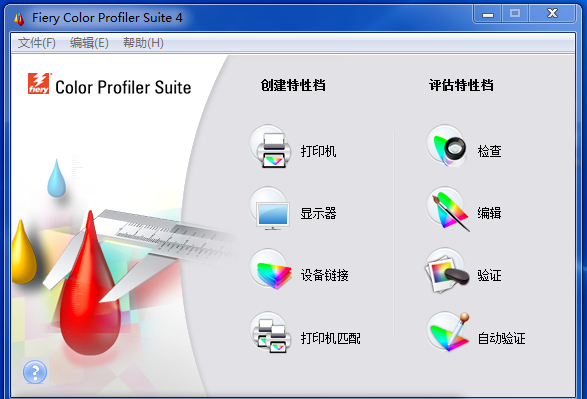
As for the ability to instantly generate ink volume data for cost calculation, color management functions including visual spot color adjustment, automatically generating variable data content based on templates, real-time remote assistance requests, or online self-diagnosis functions, these are all bonus points for an excellent DFE workflow.
09
Suitability
After printing, samples often need to undergo a series of material suitability tests. Common tests include fold resistance, lightfastness, abrasion resistance, yellowing resistance, high and low temperature resistance, adhesion testing, etc. Only when these performance criteria meet certain standards can the final product's functional requirements be satisfied.
As is well known, printing is never the end of production, especially for packaging printing, where post-printing processes are where the real craftsmanship shows. A series of post-processing tests also pose challenges for digital equipment. These tests include, but are not limited to, varnishing, lamination, embossing, hot stamping, screen printing, die-cutting, gluing boxes, folding, lamination, scoring, etc. The suitability tests for post-processing are numerous, diverse, and complex, and cannot be enumerated one by one; they vary depending on the business type and the application of the processes. For example, taking varnishing alone, considerations include whether it is UV varnish or water-based varnish, inline or offline varnishing, whether there will be graininess after varnishing, how is the leveling, adhesion, scratch resistance, whether the transparency meets the requirements, and whether it affects box gluing, etc.

For printed materials to be recognized as qualified products by buyers, they not only need to withstand tests of their own suitability, but also pass the dual test of compatibility with post-printing processes. According to past experience, the former is mostly related to the characteristics of materials, equipment, and ink (dry ink or electronic ink), so it can only be addressed by finding solutions through the equipment and materials themselves. The latter, in addition to being related to the materials themselves, also requires consideration of the interactions among other materials, equipment, and process parameters during post-printing processes, which goes beyond the original understanding of digital equipment and needs to be addressed through two or even multiple complex relational dimensions. When necessary, it is also required to consult users, manufacturers, or professionals in chemistry, physics, or materials science to solve the problem.
10
Production Capacity
Experienced buyers know that equipment sample tests and actual production often cannot be directly equated, so making a decision to purchase solely based on the parameters in the equipment brochure and simple sample tests is increasingly rare. What needs more testing is the actual operational performance of the equipment in production.
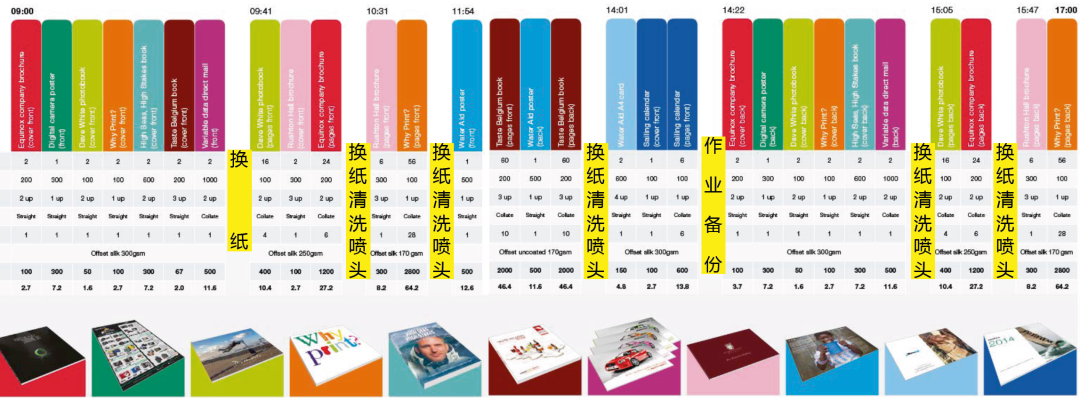
实际产能最直接的指标就是模拟其在真实的生产环境中,这台设备的有效工作时间.一般来说,标称的设备速度与实际产能相去甚远,需要考虑到在现场生产场景中需要更换纸张,升温自检,清洗保养,耗材维护,校准校色,换墨换纸,参数调节,异常卡纸,过热停机,开机重启等等实际情况.可以观察整一个班次时间,扣除一系列的非生产时间,从而才得到的净值才是实际有效的生产时间.有条件的话,还可以观察更长时间或是更多频次,以得到更真实的结果.如果有效生产时间能够得以确认,考虑到正常的日常维护保养规则,则大体可以推算出日产能,每周产能以及月产能.
如果真实有效生产时间能够大于80%,那么据此得到的产能就非常可观;而如果达不到而且甚至低于60%,那么就得好好考虑设备的产能是否真如厂家所说的那么理想.
还有一个专业名词叫宕机率,因为设备本身故障,或是耗材更换,设备维护,参数调整等原因导致的停机统称宕机.与有限生产时间成反比,宕机率越高,则有效生产时间就越短,反之,有限生产实践越高,这才是设备买家的心仪之选.
一般来说,设备的结构及原理越是简单,设计负荷越高,工业生产应用越广,其结构稳定性高,产能相对越高;而结构越复杂,稳定性越差,设计负荷越低的设备,其产能则越低,实际生产效率往往得不到保障.
11
环保
碳达峰和碳中和无疑已经是一个全球共识的战略,因此如果要长远发展,环保始终也是印刷行业绕不开的一个话题,甚至从某种角度上与申请高新技术企业称号也有着密切关联.
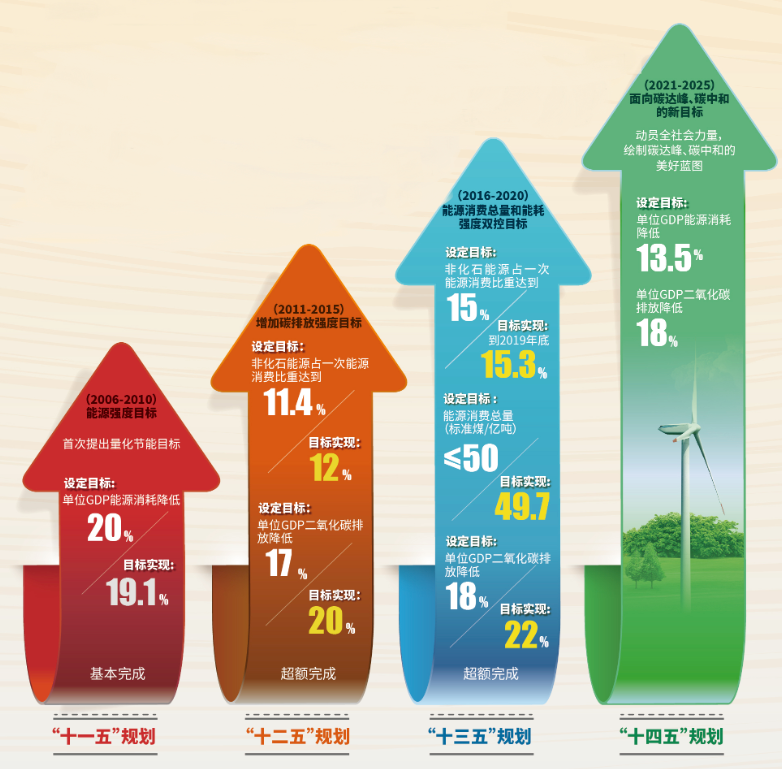
Compared with traditional printing methods, digital already belongs to the environmental protection industry, but it still needs to pay attention to the following aspects:
1. Is there a distinct taste? For the printed proofs, they can be intuitively perceived by touching and smelling, among which UV inkjet printing will have a special smell, which will obviously not be as good as water-based ink and electrostatic imaging.
2. Is there any exhaust gas and liquid discharge? Are there environmentally harmful gas or liquid emissions during production? Is there a centralized treatment and recycling method that meets environmental requirements?
3. How is the ink removal? When the printed matter is recycled in the later stage, how is the ink deinking of the paper? Can it be reused to achieve resource recycling, or does it require some special treatment to be harmless to the environment?
If necessary, you can use MSDS materials and some third-party qualification certifications to do some reference and evaluation, as for being able to meet even food-grade packaging environmental protection requirements, or obtain a series of honors such as China Green Printing Certification will be greatly conducive to obtaining a higher evaluation in this sub-project.
12
Other
When the most important items have been evaluated one by one, buyers with special applications have some special requirements for their products. For example, the clicking function test for children's reading materials, the overprinting test of different lines of 3D printing, the extreme temperature and humidity environment test, the efficiency energy consumption or noise decibel test, the open data reading test connected to the production scheduling system, the cost accounting of single ink, the variable data test on both sides of the front and back, the intelligent detection test of AI layout, the test of the post-line process, the human-computer intelligent interaction test, etc. This is the benevolence of the benevolent and the wise of the wise.
In short, compared with traditional printing equipment, digital printing equipment is still a new species, and is still constantly being updated and developed, its functions are also constantly improving, and the quality is also constantly improving. The investigation and purchase of digital equipment is still a relatively complex and challenging decision, especially some high-value assets, which have a greater impact on the development of enterprises. But after all, no one is perfect, no machine is perfect, the ruler is short, the inch is long, and all the parameters of the equipment are perfect and comprehensive, so it is difficult to choose the ideal equipment. The equipment that suits the business requirements and development direction of the enterprise itself and can bring benefits to the enterprise is a good equipment and is worth investing in! Multi-model matching, diversified combination, and using the right equipment for the right business is the ultimate application method.
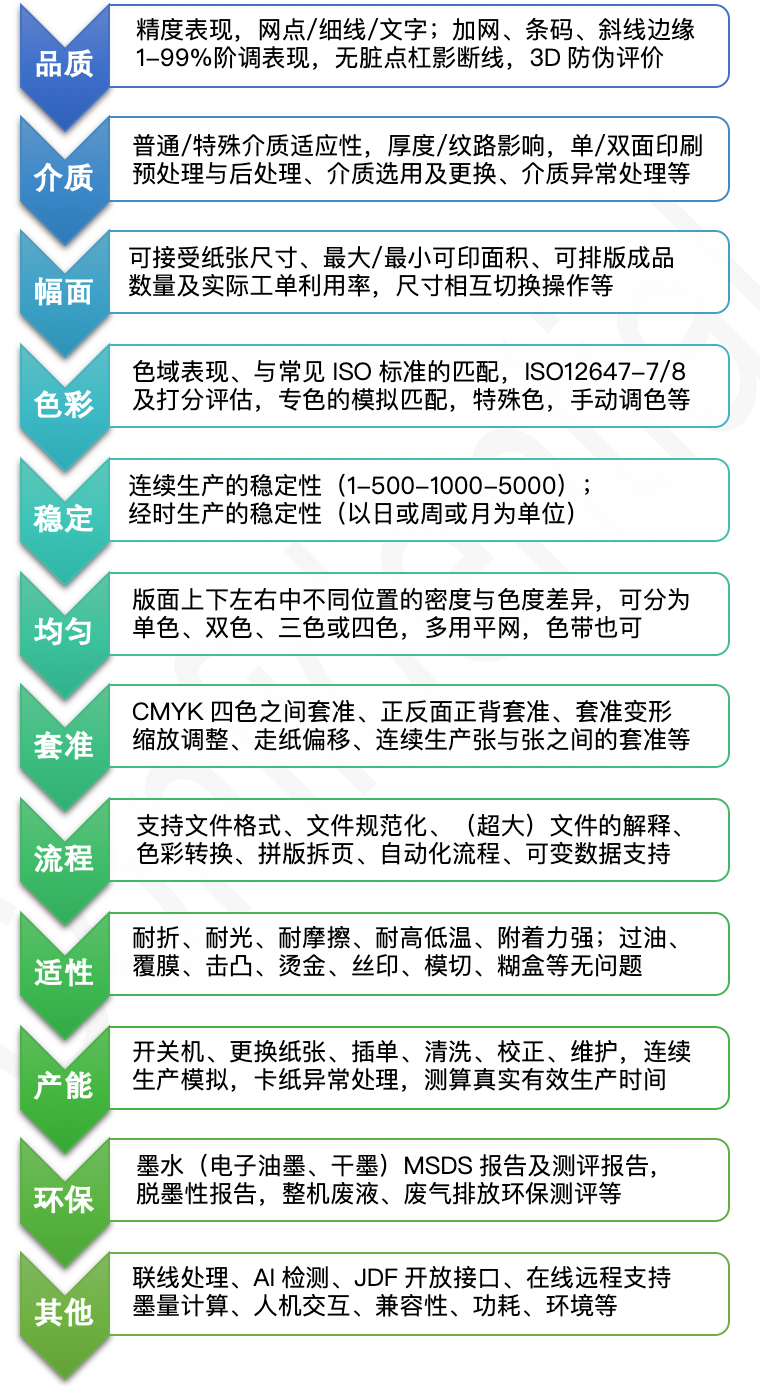
Finally, I hope this article can serve as a humble initiative to inspire valuable ideas, guiding equipment buyers to conduct more comprehensive tests of digital printing equipment and making fairer comparisons, providing some reference and guidance for their purchasing decisions, with the aim of recognizing truly outstanding options and making full use of them. At the same time, I also hope that different manufacturers' models can flourish and compete, promoting the healthy development of the industry, market-based selection, and innovation in models, allowing more excellent digital equipment to stand out and be discovered, recognized, and applied by a wider range of printing company users.