


How to Obtain Vector Graphics? Master These Two Methods and You're Done
Adobe Illustrator (hereinafter referred to as AI) is a powerful vector graphics software that has evolved from version CS6 to CC, widely used in thematic map production. This article will discuss two methods of obtaining vector graphics in conjunction with AI CS6.
01 Local Vector Graphic Acquisition
In prepared vector maps, it is common to "extract" a portion of the vector map for "referencing" or further "processing" to create other thematic maps. For example, to "extract" the content within the black square in the Tajikistan vector map (Figure 1), double-click the "Eraser" tool to adjust its size (typically set to 8pt). While holding the Shift key, draw straight lines along the black square to form a rectangular frame (Figure 2).
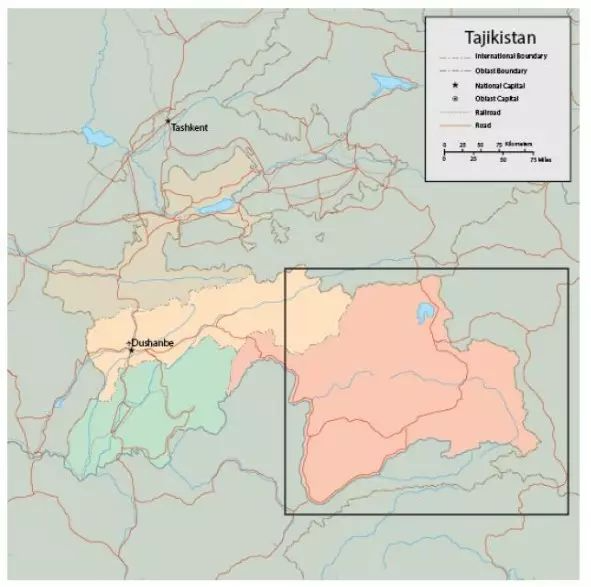
Figure 1 "Extract" the content within the black box
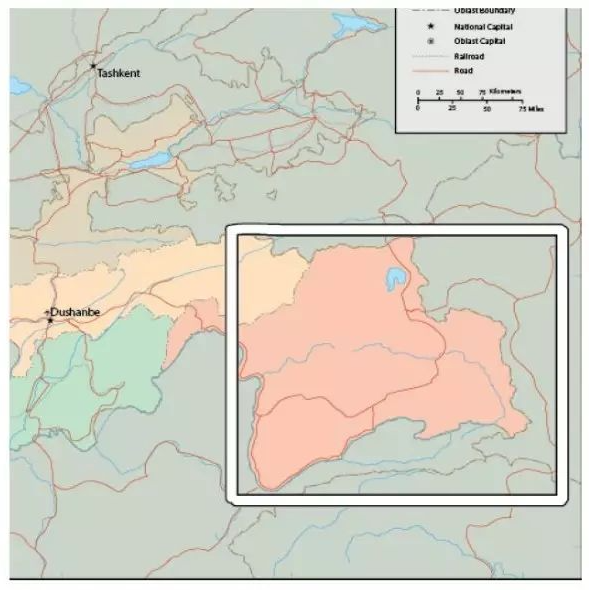
Figure 2: Draw a black rectangular box
Use the AI "direct selection" tool to select the desired content, then click "select reverse" and press the Del key to delete unnecessary content (Figure 3). On this basis, further editing of the vector map can be done, such as zooming in and out, adding geographical name annotations, etc. (Figure 4).
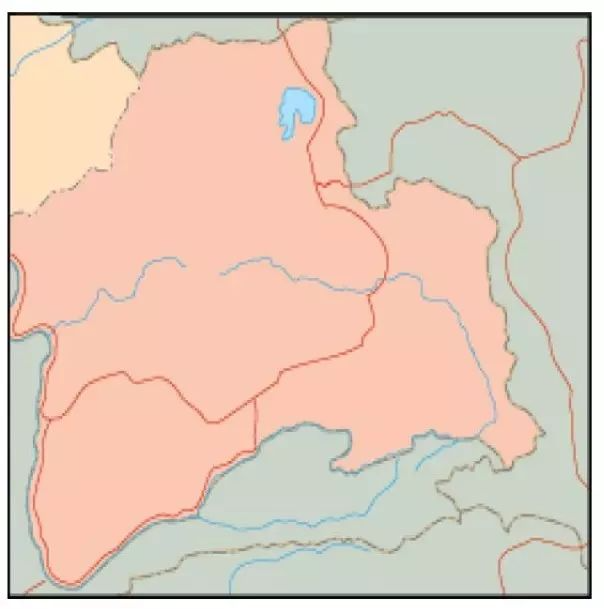
Figure 3: Delete unnecessary content
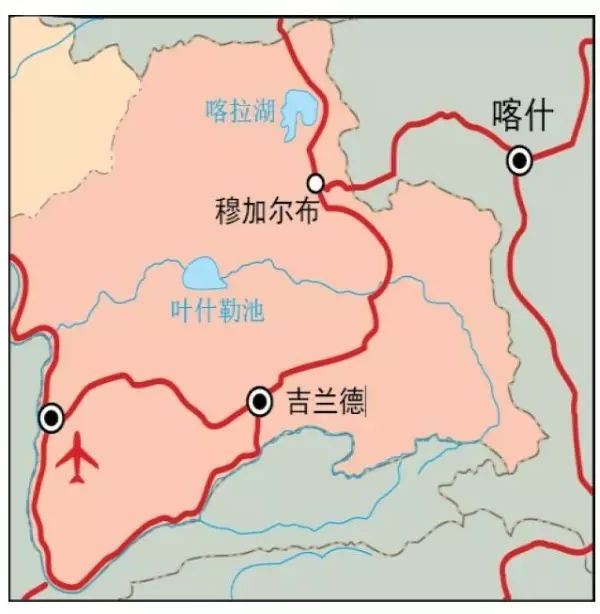
Figure 4: Further Editing of Vector Diagram
Explanation: Hold down the Shift key and drag the eraser tool to draw 0 degree, 45 degree, and 90 degree lines. Press the Alt key to draw rectangles. Press Shift and Alt simultaneously to draw squares and erase the contents of the selected area. The text of unconverted curves within the area will not be erased, nor will it erase locked and hidden layers.
The eraser tool can erase objects from different layers when no objects are selected, and only the selected objects are erased without affecting other objects when the objects are selected. To extract the vector map of irregular areas, use a pencil or pen tool to draw the range path along the selected range, and then use an eraser tool to erase along the path. In addition, after using the eraser tool to erase irregular areas, use the lasso tool to select the range, and then reverse select to delete unwanted content to obtain the desired range vector graphics.
You can use the pen tool to draw the range of grouped objects, use the cropping function in the "Path Finder Tools" panel to crop them, and then ungroup the cropped vector image.
Using a clipping mask to obtain local vector graphics, first group the vector graphics, and then create a clipping mask. The mask and vector graphics need to be on the same layer.
02 Image Copying
The simple bitmap generated by office software (such as Office) and image processing software (such as Photoshop) can be directly copied and pasted into AI for image copying. Select the object, click on the "Image Tracing" control panel, and then click the "Expand" button. The image will become a vector graphic as shown in Figure 5, and the clip art in Office Word 2013 will have an AI copying effect. The expanded vector graphics should be further edited by "ungrouping" the objects.
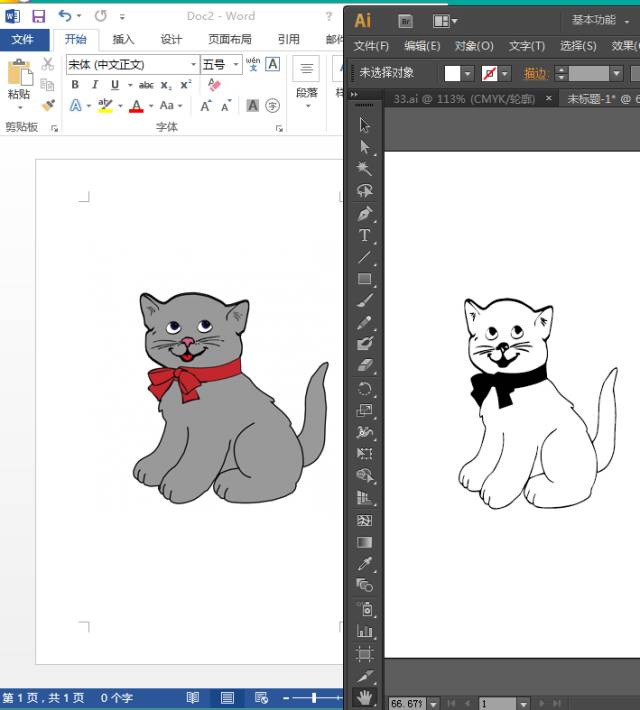
Figure 5: Transform the image into a vector graphic
For blurry or complex images that cannot be copied, manual copying methods can be used. Place the image in the layer lock and adjust the transparency (usually 50%) as shown in Figure 6. Create a new layer and select the appropriate stroke width and color based on the image. Use a pen or pencil tool to copy along the outline of the image to form a rough outline. Then enlarge the view and perform "fine processing" on the local area as shown in (Figure 7) after copying and editing.
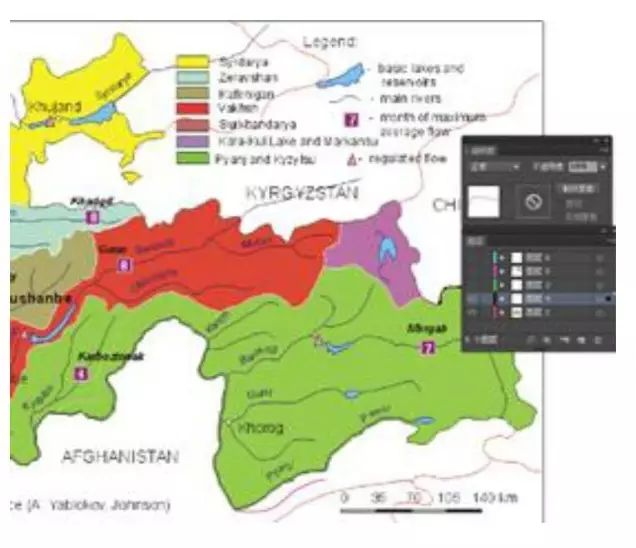
Figure 6 Adjusting Image Opacity
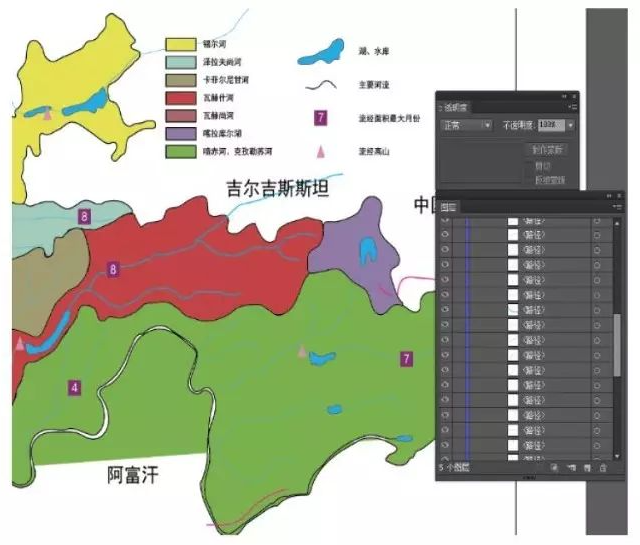
Figure 7: Image rendering after editing