


The biggest 'roadblock' of intaglio matte finishing-watch the skilled worker show you how to tackle it!
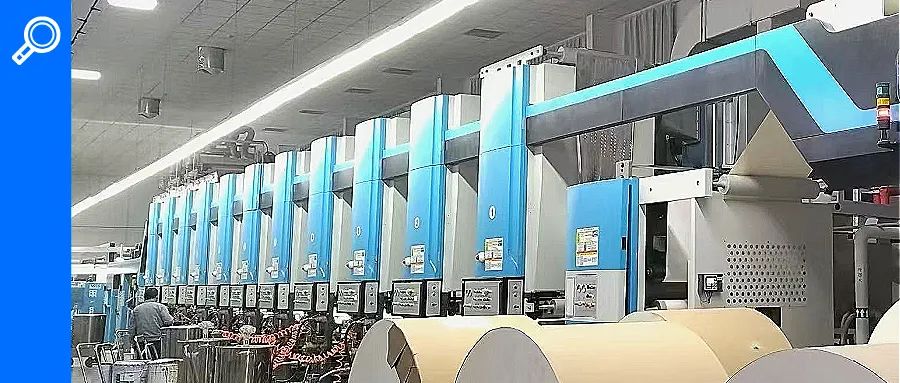
With the continuous improvement of gravure plate-making technology, the ongoing enhancement of gravure matte ink printability, and the constant upgrading of gravure press features (UV curing system and nitrogen protection function), the matte effect that used to be achievable only through screen printing has gradually started to be implemented with single gravure, and has further developed into an online mode of 'gravure color ink + gravure matte,' allowing the gravure matte process to be more widely applied.
Because gravure matte inks have higher viscosity and the particle size of the matte powder is relatively large (usually 15–60μm), issues such as ink foaming, uneven ink on the plate surface, bright spots on the matte layer of the printed product, and increasingly coarse matte effects can occur during printing. To solve these problems, we carried out repeated observation and testing to modify the gravure inking system. The modifications include changes to the ink reservoir, the ink trough, and the inking method. The specific modifications are as follows.
Ink Reservoir Modification
The original ink reservoir mainly consists of a cylinder, ink pump motor, ink supply pipe, and return pipe. Its main function is to continuously supply ink to the ink trough, sending ink from the reservoir to the trough through the supply pipe, with excess ink flowing back to the reservoir through the return pipe, keeping the ink level in the trough constant. Due to the special characteristics of matte ink and the lack of a stirring function in the reservoir, the relatively large matte powder gradually settles at the bottom of the reservoir during actual production. Over time, the matte ink inside the reservoir becomes coarser, causing a series of quality problems.
As shown in Figure 1, the modified ink reservoir is equipped with a stirring device. The pneumatic stirrer continuously stirs the ink, keeping it in a flowing state. This prevents the settling of matte powder in the ink while reducing ink viscosity and improving the printability of the ink.
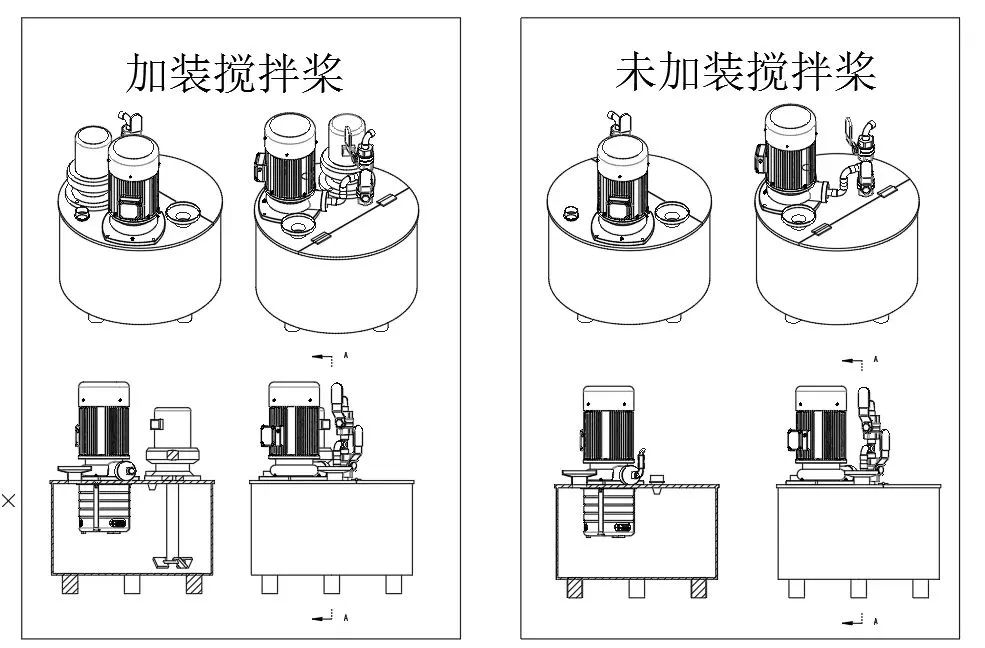
Figure 1 Comparison of the Ink Reservoir Before and After Modification
Ink Tray Modification
The original ink tray mainly consisted of three parts: the ink pouring tray (also called the upper ink tray or liner tray), the return ink tray, and the top ink port. Its primary function was to allow ink to flow from the top ink port located in the middle of the ink tray into the pouring tray, so that about one-third of the printing plate's volume would be immersed in the ink in the pouring tray (immersion inking). Any excess ink would overflow from the pouring tray into the return ink tray and then flow back to the ink reservoir through the return pipe. During the process of delivering ink from the ink pump to the ink tray, a large number of bubbles would form. Since matte ink has a high viscosity, it is difficult for bubbles to escape from the ink, resulting in a quality issue called "ink blisters" on the printed surface. Furthermore, the high viscosity of the ink led to uneven ink distribution on the plate, causing shiny spots on the print. Also, because the abrasive particles in matte ink are relatively coarse, they tend to settle at the bottom of the ink tray, causing the matte effect to become coarser over time.
As shown in Figure 2, the modified ink tray removed the pouring tray (upper ink tray) and installed an ink roller at the bottom of the return ink tray. The middle of the ink roller is about 3mm thinner than the ends. Bearings are installed on both ends of the roller shaft and fixed to the support at the bottom of the return ink tray. The printing plate is mounted directly inside the return ink tray, with the blank ends of the plate resting against the ends of the ink roller. There is about a 3mm gap between the patterned area of the plate and the middle of the ink roller.
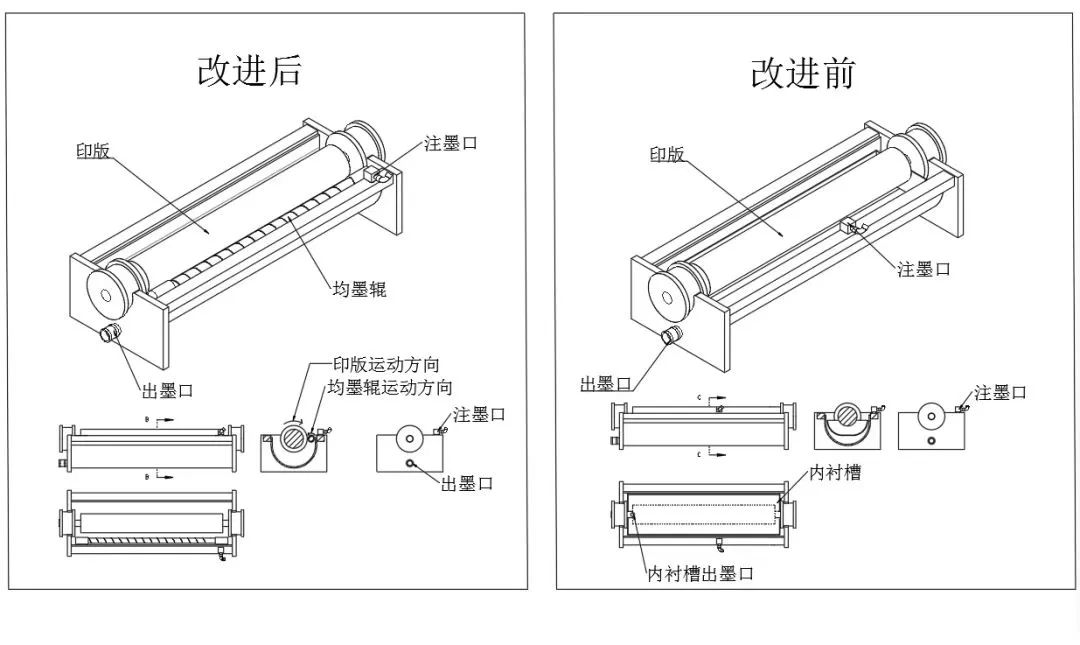
Figure 2 Comparison of Ink Tray Before and After Modification
When the printing plate rotates, because both ends of the plate are in close contact with the ends of the ink roller, it drives the roller to rotate. The ink flows directly into the ink return trough through the ink supply port, controlling the ink level in the return trough so that about two-thirds of the roller is immersed in ink. As the plate and roller rotate together, the ink on the roller is evenly applied to the plate (ink is supplied from under the roller). At this point, the roller functions to supply and distribute the ink. Additionally, the roller squeezes out bubbles from the ink layer on the plate, effectively solving quality problems like 'ink bubble patterns' and bright spots in matte ink layers.
Modification of the Ink Supply Port
Originally, the supply port was in the middle of the ink tray. After switching to under-roller ink supply, we noticed that after printing for some time, issues with 'ink bubble patterns' and bright spots in matte layers were effectively controlled, and the matte texture becoming coarser over time was somewhat alleviated. However, a new problem emerged: the matte effect was uneven between the left and right sides of the product, with the side near the machine's drive showing noticeably coarser texture than the operator's side.
Upon closer inspection, we found that the ink on the drive side of the tray was visibly coarser than on the operator side. Further analysis revealed the reason: the supply port was in the middle of the tray, with the return port on the operator side. Ink entering from the middle flowed toward the return port, cycling quickly on the operator side, but ink between the drive side and the middle circulated poorly, causing accumulation of coarse matte powder on the drive side.
To fix the accumulation problem on the drive side, we moved the supply port closer to that side (the far end from the return port), letting ink flow in from near the drive side, out through the return port, and back to the ink reservoir. Because ink constantly flows in from the drive side, this creates a level difference between the drive and operator sides, increasing ink circulation on the drive side and solving the settlement of matte powder. With this, both the ink tray and reservoir maintain good circulation.
After completing these modifications and verifying through printing for some time, issues like 'ink bubble patterns,' bright spots, and coarsening of matte texture were all effectively controlled, leading to a noticeable improvement in product quality.