


A complete guide! Poor ink adhesion? Check these four main reasons!
Poor ink adhesion (low adhesion and weak durability) refers to the phenomenon where ink does not stick properly to the surface of the substrate. When you rub the ink with your hand or use clear tape to pull on the ink surface, the ink film comes off partially or entirely from the substrate. For example, with films, poor ink adhesion can cause the ink layer to peel off during rolling, leading to back-side smearing or color pick-up issues during overprinting. In severe cases, it can even ruin an entire batch of finished products, which is a big problem for film labels. There are many factors that affect ink adhesion, such as the ink itself, the type of substrate, printing process, and environmental temperature and humidity. A comprehensive analysis from multiple angles is needed. In this article, I'll go through these different factors to explain the causes of poor ink adhesion, hoping to give readers some useful insights.
01 Ink
Improper ink selection
Different types of inks are suitable for different film materials, and products for different purposes may require different inks. If the ink doesn't match the film well or lacks compatibility, it will result in poor adhesion. Therefore, before printing, it's necessary to choose the right type of ink based on the film material and product requirements, rather than using the same ink for everything.
Unreasonable ink formulation
The formulation of the ink directly affects its adhesion performance, especially the choice of ink resin, which directly impacts ink properties. If the combination of resin, pigment, and solvent in the ink is not well balanced-for example, if the resin binder is reduced-it can decrease the ink's film-forming ability and cohesion, which in turn reduces adhesion.
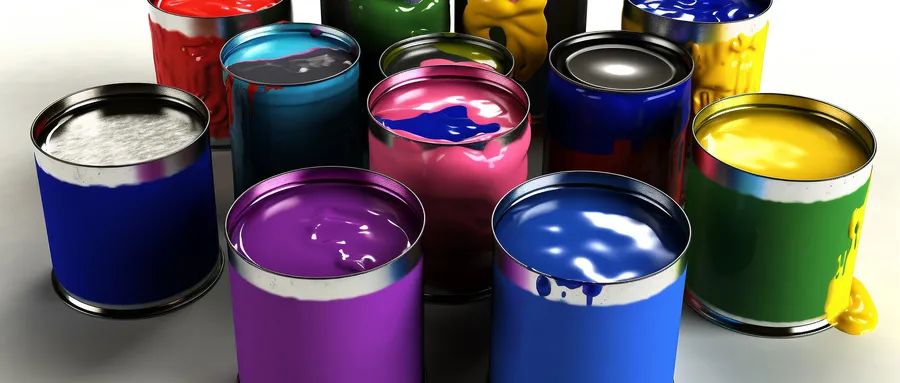
Improper Ink Storage
Improper storage of ink can also lead to a decline in its performance. Generally, inks that have been stored for a long time have relatively lower resin content. Using inks that have been stored for a long time or expired inks for printing can cause the ink's performance to drop, which in turn affects the adhesion of the ink on film materials.
02 Film Materials
Surface Tension of Film Materials
Common film materials like polyethylene, polypropylene, nylon, and polyester have very smooth surfaces and are not naturally compatible with ink, making it hard for ink to stick to them. They need special treatment to change their surface condition and chemical structure, increase surface roughness and molecular polarity, so that the ink can adhere firmly. The adhesion of ink on film materials is closely related to the surface tension of the film being printed. If the surface tension of the film is lower than the ink's, the ink will have difficulty forming a good bond on the film surface. Therefore, before printing, the film should be properly treated (such as corona treatment) to increase its surface tension.
Cleanliness of the Film Surface
Contaminants on the film surface can affect ink adhesion. Substances like oil stains, dust, and other impurities can reduce the bond between the ink and the film material.
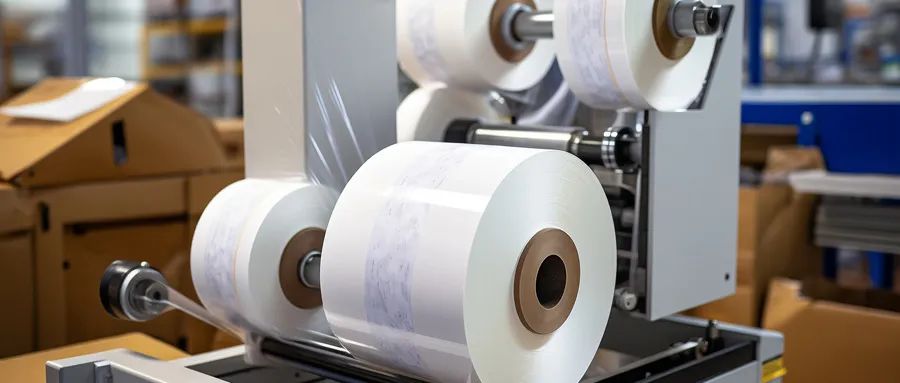
Additive Migration
Most printing films contain a variety of additives, such as antistatic agents, slip agents, release agents, plasticizers, anti-aging agents, etc. When these additives migrate to the film surface, they can form a barrier layer, which reduces the adhesion of ink to the base film and significantly lowers print durability.
Storage Conditions
If the storage conditions for the film are unsuitable, such as high humidity, some film materials (like nylon and polyester) can easily absorb moisture during storage. Moisture absorption lowers the surface tension of the film material, which can lead to poor ink adhesion. In addition, storing films for too long can also degrade their surface properties, resulting in reduced ink adhesion to the substrate.
Printing Process
During printing, issues like ink moisture absorption and emulsification, overly thick ink layers, or incomplete drying can all lead to poor ink adhesion.
Ink Moisture Absorption and Emulsification
Ink emulsification refers to the dispersion or clumping of ink in water or in high-humidity environments. When ink absorbs moisture and emulsifies, the binding and cohesive forces of the resin decrease, which leads to reduced ink adhesion.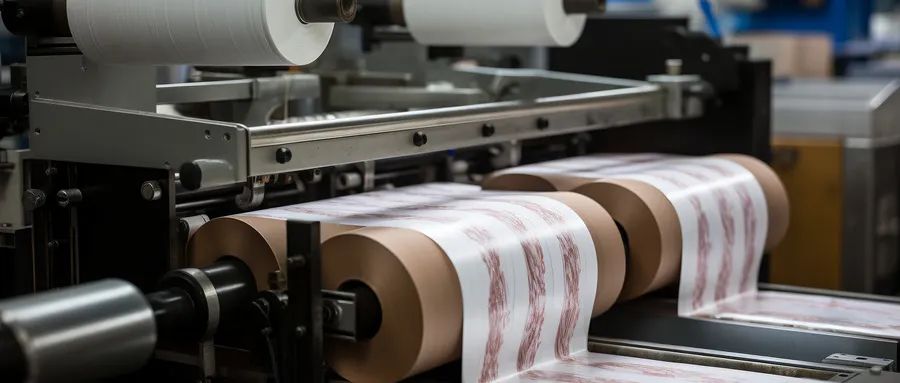
Ink layer too thick
During printing, if the ink layer is too thick, it can cause an uneven coating on the surface of the film material, resulting in a fake-dry effect and affecting ink adhesion.
Ink not drying thoroughly
The printing speed and the equipment's drying capability have a big impact on how well the ink dries. Printing too fast can cause the ink to not dry completely, preventing it from properly adhering to the film surface, which makes it easy to peel off.
Ink resin ratio too low
During printing, using too much diluted ink reduces the resin content. Less resin means weaker ink adhesion, which affects the ink's ability to stick.
04 Environmental temperature and humidity
Environmental temperature
Temperature affects how active the molecules in the film material are. At higher temperatures, the ink's viscosity decreases, the surface activity of the film increases, and both transfer and adhesion improve. The ink solvent levels out better and wets more effectively, so the ink adheres more reliably.
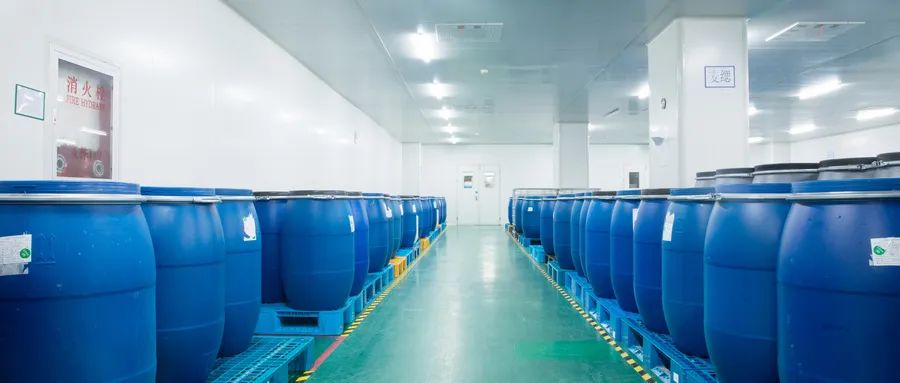
Environmental Humidity
Humidity can also have some impact on the adhesion performance of ink. If the humidity is too high, it can form a layer of water droplets on the surface of the film, and water vapor can penetrate into the ink, emulsifying the ink resin. In unsuitable high-humidity environments, this may lead to a decrease in the ink's adhesion.
In summary, poor ink adhesion can be caused by multiple factors, including the ink's properties, the film material, the printing process, and the environment. In actual printing, you can analyze the reasons based on the specific situation and take corresponding measures to improve the ink's adhesion on the film surface. For example, choose ink that matches the film, try to use higher-quality ink to avoid adhesion problems from the start; select solvents that match the ink and printing conditions, ensuring good dissolving, drying, and wetting properties; pre-treat the film surface to maintain its adhesion performance and check the surface tension before use; strictly follow storage regulations for ink and film, controlling both temperature and humidity while keeping the storage environment clean. Also, follow the 'first in, first out' principle to avoid using expired materials.