


The Boise plant will be closed by the end of 2027
Recently, HP Inc. stated in an email to its employees that it plans to officially withdraw from its factory in Boise, Idaho, by the end of 2027, marking the end of its more than fifty years of deep roots in the area. This withdrawal not only concerns HP's global strategic restructuring but also affects the local technology ecosystem and employment landscape in Boise.
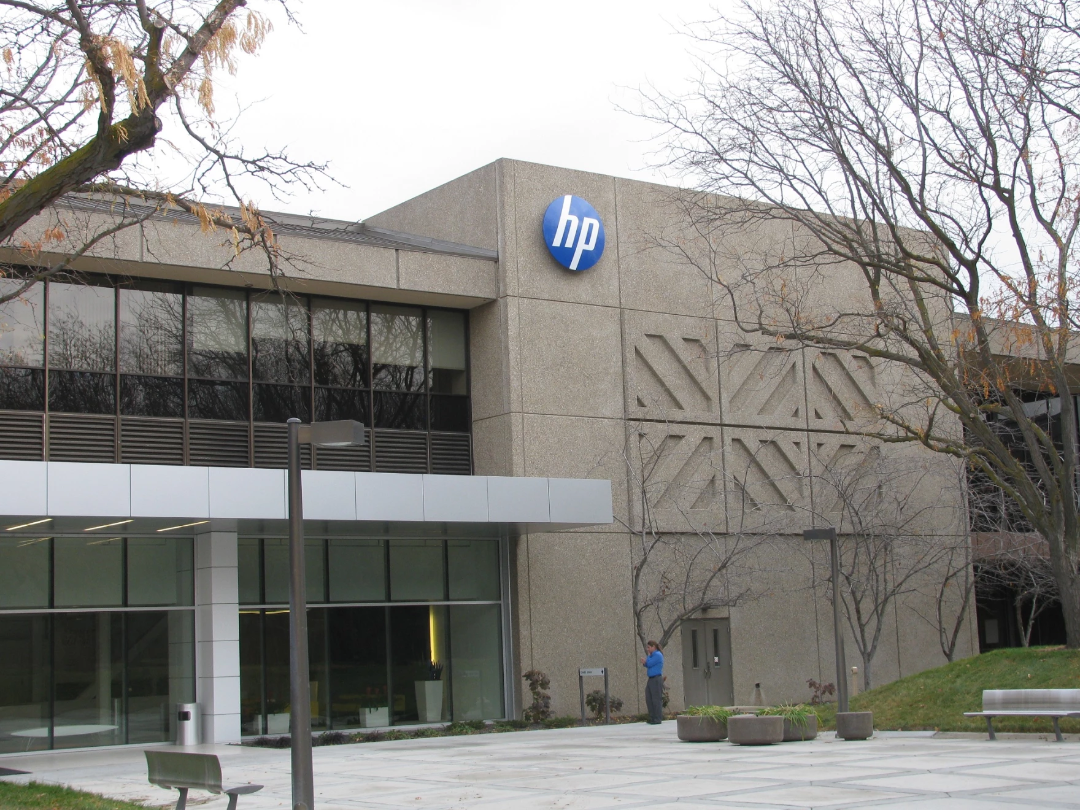
Factory Closure Details Disclosed
Part of Major Global Strategic Restructuring
The company's executive team informed employees in Idaho of the related plans in early March, clearly stating that the closure of the Boise factory will start next year. HP plans to gradually shut down the factory and integrate the related operations into HP facilities near Vancouver, close to Portland, and the HP Innovation Center in Corvallis, Oregon.
Regarding this withdrawal, HP explained in a written statement: 'As part of our ongoing efforts to better align HP's factory layout with our global strategic layout, we will exit the Boise factory.' At the same time, HP admitted, 'One of the most difficult decisions during this factory closure is the impact on employees' development.'
Currently, the company is advancing a global layoff plan, with a scale of up to 8,000 positions, focusing on consolidating operations into fewer locations to improve operational efficiency. However, HP has not disclosed how many local employees will be affected by the Boise factory closure, nor specified whether these employees will face unemployment, be reassigned to other locations, or have the option to remain in Boise with remote work. Relevant placement plans are still to be clarified.
It is understood that this withdrawal is not a temporary measure, but an important part of HP's 'Global Footprint Strategy' restructuring plan announced in September 2025. The strategy aims to consolidate global operations into eight core hubs, focusing on global talent recruitment and investment, optimizing resource allocation, and driving business development in a more synergistic direction. Operations in the Pacific Northwest will be concentrated in Vancouver and Corvallis, with the work in Boise gradually being transferred to these two core regions.

Public information shows that the Corvallis campus has been an important hub for HP's personal computer operations since 1977, while the Vancouver campus has long undertaken key tasks such as HP printer production, power configuration, and multilingual manual creation. Both campuses have a mature foundation in technology R&D and supply chain collaboration, making their operations highly complementary to the Boise factory. In addition, HP's 3D R&D centers in Barcelona, Spain, and San Diego, California, will also link with these two major campuses, further strengthening the global innovation network.
Over Fifty Years of Bonds Come to an End
Boise Witnesses the Rise of HP's Printing Business
Looking back at HP's bond with Boise, it began in the 1970s. In 1973, HP announced plans to build its first factory in Idaho and officially established operations in Boise by the mid-1970s. This location gradually developed into an important hub for HP's printer division and, in 1984, developed a milestone laser printer, laying a solid foundation for the growth of HP's printing business. It is understood that approximately 1,100 employees currently work on the Boise campus, most of whom belong to the company's laser printer division. During its peak, the campus employed around 4,000 people.
It is noteworthy that HP specifically emphasized in its statement that Boise has made a significant contribution to its printing business. The closure of this factory does not mean that the company's broader printing business will retreat; the related operations will smoothly transition to other core campuses. In fact, over time, HP has gradually reduced its footprint on the approximately 200-acre Boise campus, through property sales, leasing office space, and other measures, making this withdrawal an inevitable result of long-term strategic adjustments.
For Boise, HP's exit undoubtedly marks the end of an era. The city is facing industrial restructuring and transformation. Although local leaders are actively working to absorb affected workers into the region's growing technology, government, and service sectors to mitigate the impact of this adjustment, the imprint of HP's more than fifty years of deep cultivation and the long-term effect of this exit on the local tech ecosystem remain worthy of continuous attention.