


China's 'Most Beautiful Books' of 2025: Why Are They Chosen? One-Third Printed by Artron
The results of the 2025 China 'Most Beautiful Books' awards were grandly announced on November 16 in Shanghai, with 25 books from 22 publishing units across 11 provinces, municipalities, and autonomous regions nationwide honored with this year's 'Most Beautiful Book' title.
The 'Most Beautiful Books' is one of the most important book design award events in China, consistently focusing on the overall integrity of book design, the perfect combination of content and form, the enhancement of the book's functionality through design, the harmonious unity of design style and reading experience, and the use of technical means as an important element of design.
The awards advocate closely integrating 'design, reading, aesthetics, and life,' promoting the idea that book design should return to the essence of reading and serve a broad readership. In recent years, large-volume works among the entries for the 'Most Beautiful Books' have gradually decreased, reflecting the updates and shifts in the current publishing industry and book design concepts, highlighting the positive role of the 'Most Beautiful Books' award in guiding design back to the reading experience.
Among the 25 award-winning works, 8 were printed by Artron. Let's take a look at them first!
1/4: 'The World's Most Beautiful Book' Typography Selection
Design: Han Qing Tang / Zhao Qing, Zhu Tao
Publisher: Jiangsu Phoenix Fine Arts Publishing House
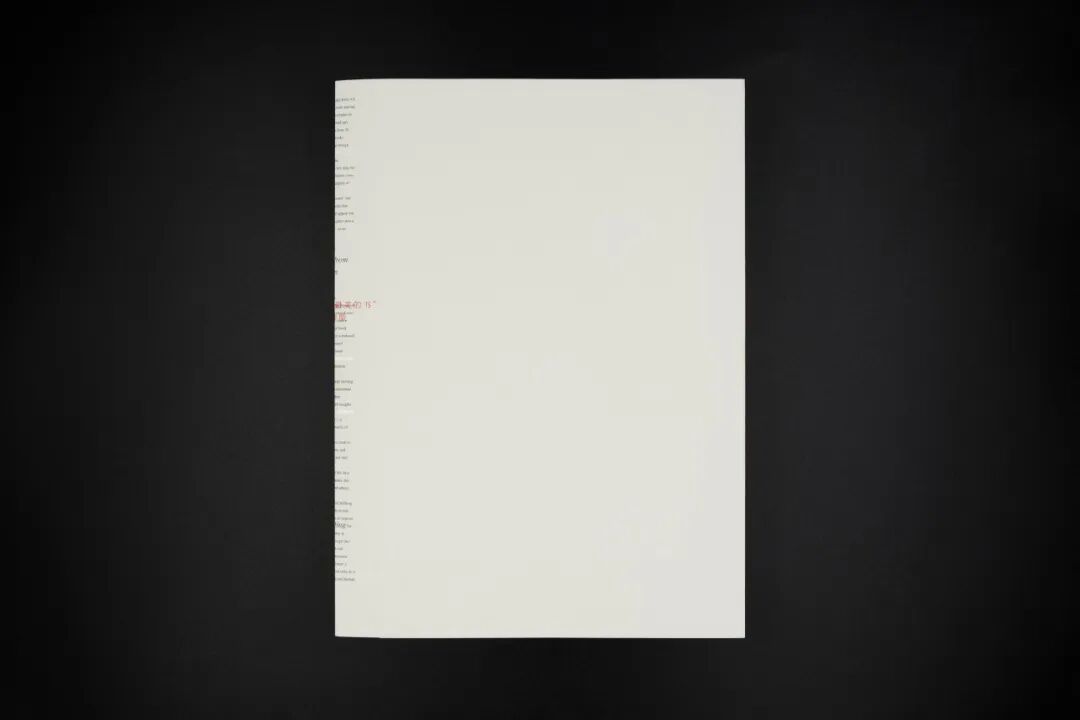
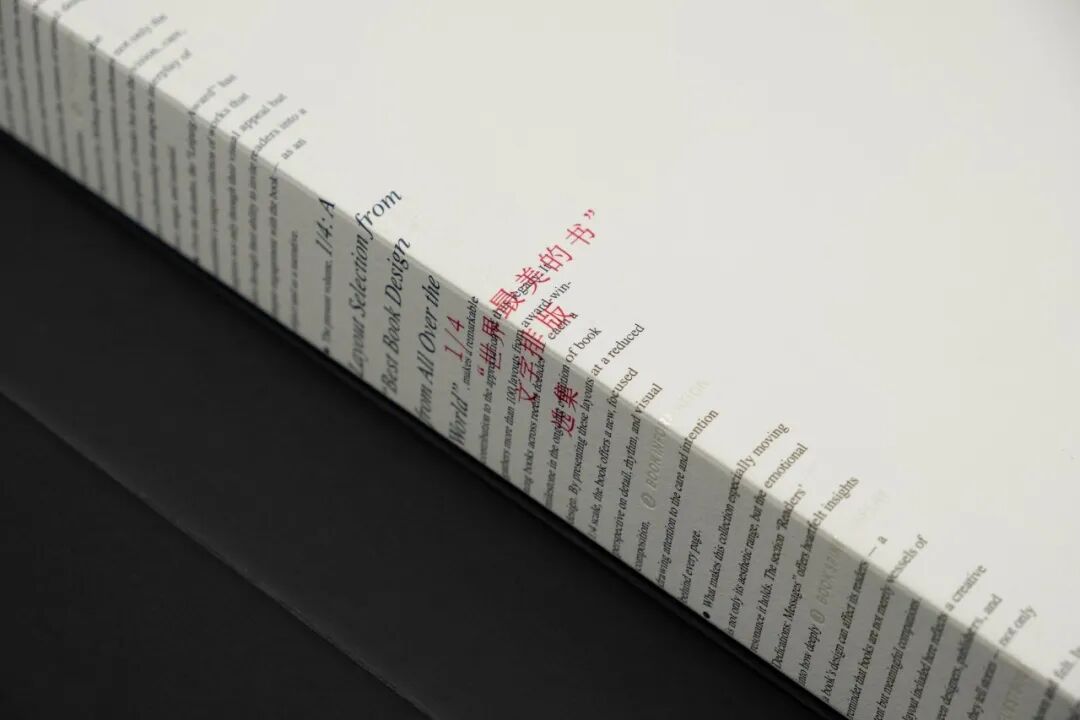
Typography is an essential aspect of book design that cannot be overlooked. The way text is arranged determines how the content of a book is read, defines the hierarchy of information, and guides the movement of the eye. Just as a three- to five-minute song can be composed in countless keys and rhythms, the way text is laid out on a blank page is equally infinite. '1/4: A Selection of Text Layouts from "The Most Beautiful Books in the World"' selects 138 books from the award-winning works of "Leipzig" over the years, showcasing pages primarily focused on typography, which make up about one-quarter of the total, and presents the internal layouts in this book at a 1/4 scale. The book's format is expanded to 8mo, providing more generous space for these layouts to be displayed.
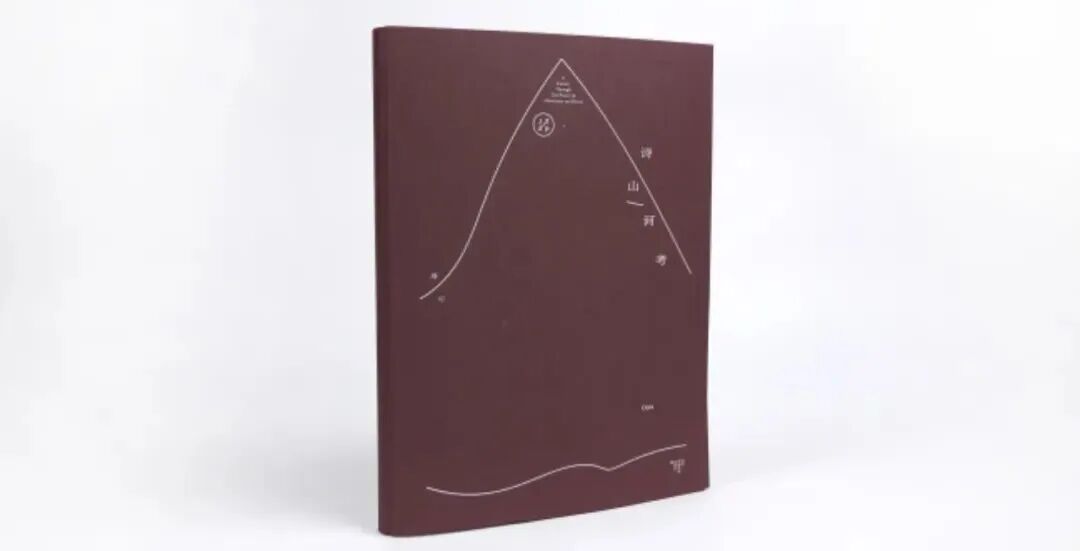
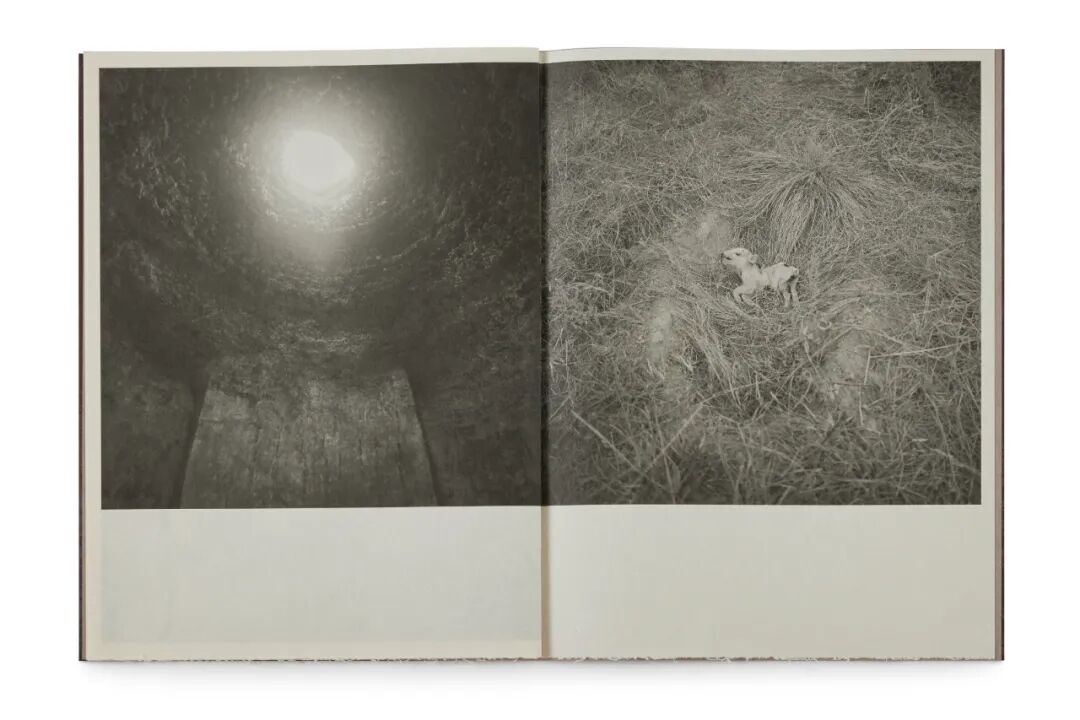 During his field visits to the cultural sites of the Central Plains, Taco often focused his lens directly on the mountains, hills, rivers, and fields mentioned in poetry. However, these images are not reproductions of the texts but an exploration of the origins of language. The compositions of his works are broad yet restrained; the photographer, with an almost detached sense of distance, transforms the space into a kind of spiritual realm. The book is designed by Qu Minmin and Jiang Qian. To maintain the exploratory nature of the work, it does not use traditional binding but instead breaks the book into loose pages across nine chapters, turning it into a space that can be unfolded, juxtaposed, and recombined. Photography itself is a form of transfer; this work is not just a book but an art piece with a sense of the 'original,' allowing traces of light and tactile reading to coexist.
"Collection of Ancient Block-Printed New Year Pictures"
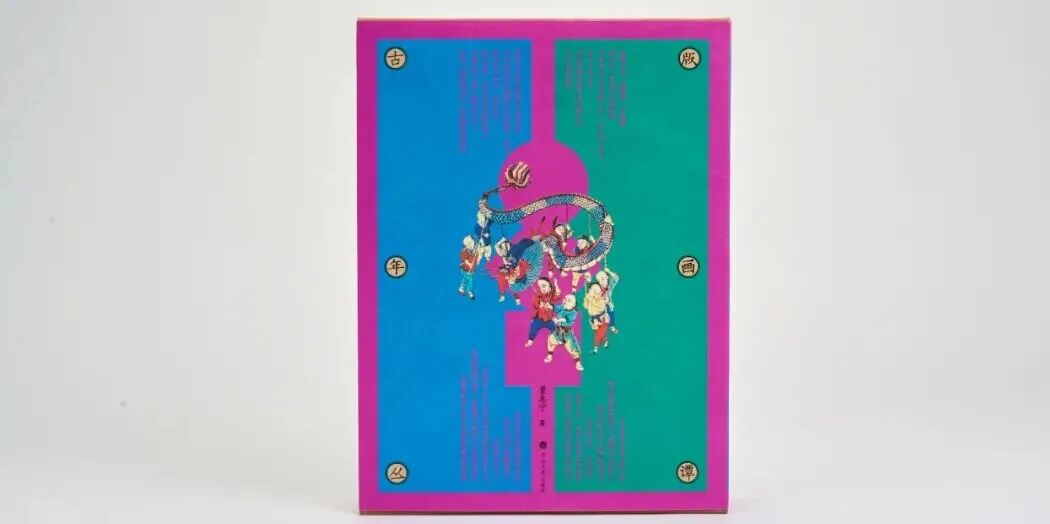
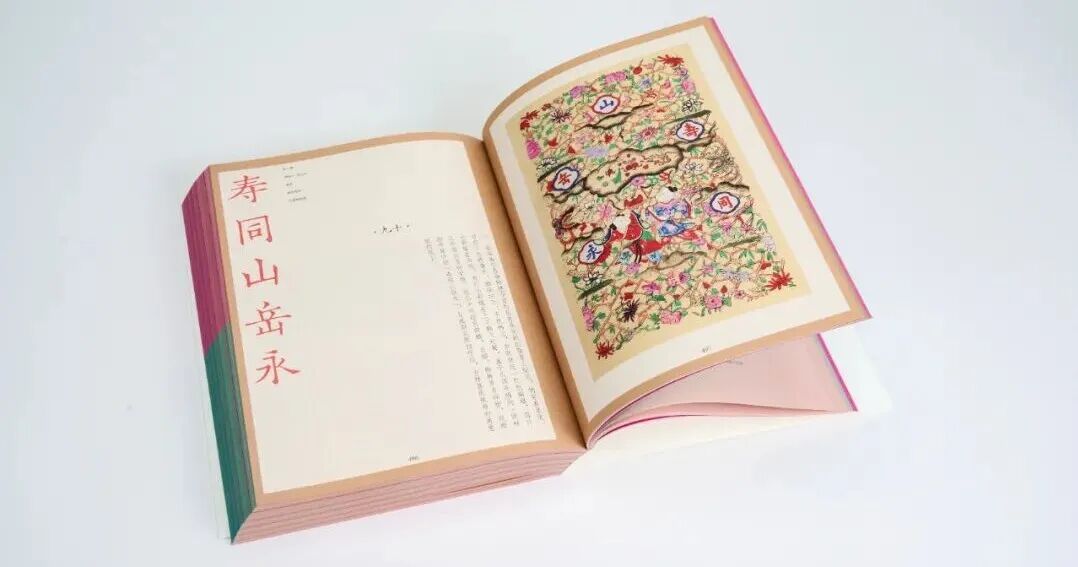
This book is based on decades of the author's collection of authentic Ming and Qing dynasty woodblock New Year prints. Through meticulous observation, research, and comparison with relevant domestic and international literature, the author has continuously accumulated knowledge and synthesized it to create a work that combines both academic value and artistic appreciation. The book's structure is uniquely crafted, divided into two main parts: essays and illustrations, and innovatively employs a layout that combines modern horizontal text with traditional vertical text, creating a dialogue and fusion between tradition and modernity in its form. The illustration section follows the format of 'program introductions,' showcasing the charm of New Year prints while providing detailed explanations of their historical context, guiding readers to immerse themselves in the world of the paintings. The edges of the book cleverly use layers of color blocks to echo the core 'layered printing' technique of New Year prints; the cover employs embossing and debossing techniques to capture the printmaking process of New Year art in a small space, combined with a mock layered printing on the slipcase, bringing traditional craft vividly to life on paper.
City Charm Legacy:
Catalog of Exquisite Bricks in the Nanjing City Wall Collection
Design: Zhou Chen, Gao Sen
Published by: Jiangsu Phoenix Education Publishing House
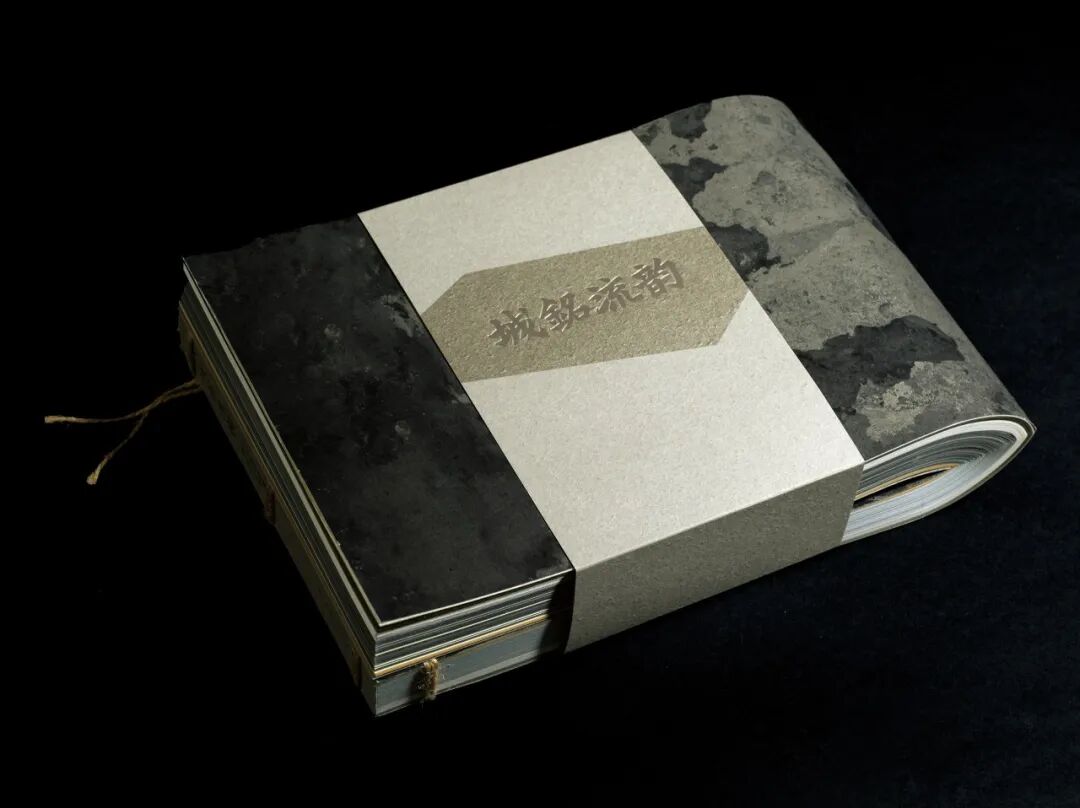
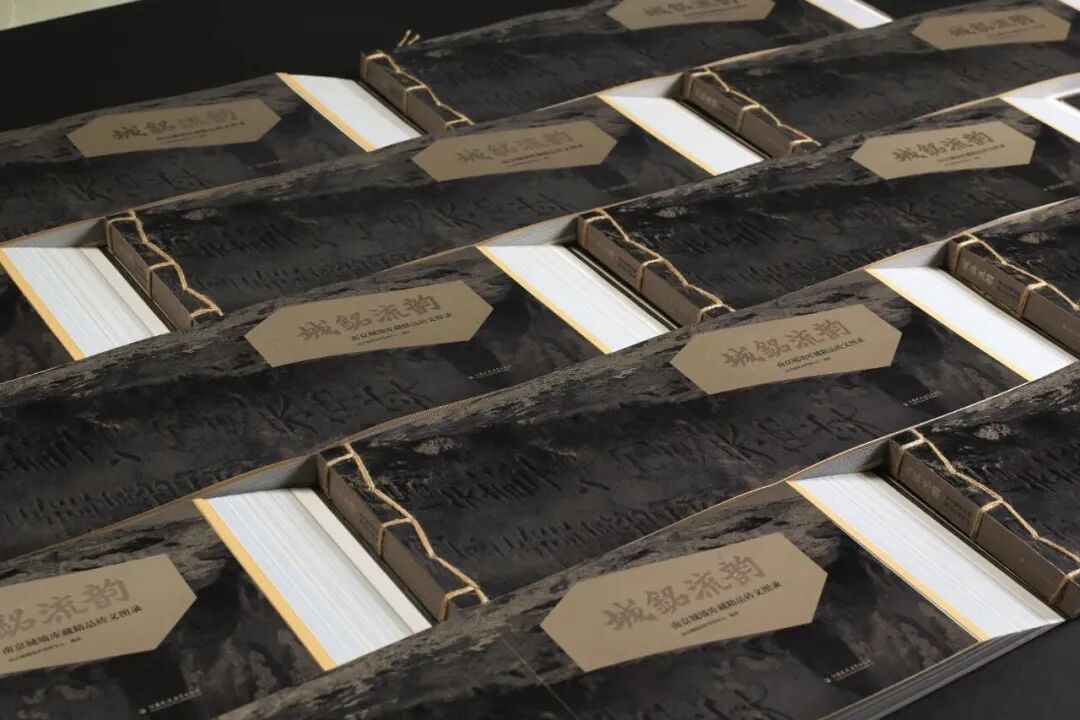
This book features 106 carefully selected representative brick photos and 37 precious rubbings, all collected by the central researchers of the city wall from scattered bricks recovered in recent years through the 'Grains Return to the Granary, Protect the City Wall' project. The design concept draws inspiration from the architectural elements of the horse paths on both sides of Zhonghua Gate of the Nanjing City Wall and employs a ramp-style binding technique. As readers flip through the book, it feels as if they are slowly climbing along the historical path of the city wall; when closed, it resembles a brick that has weathered the test of time. The cover and interior pages use paper with a historical texture, enhanced by special printing techniques that complement the feel of the city wall. The arrangement and binding of each page have been carefully considered to ensure consistent slope and a smooth reading experience.
Design: He Ming
Published by: Jiangsu Phoenix Fine Arts Publishing House
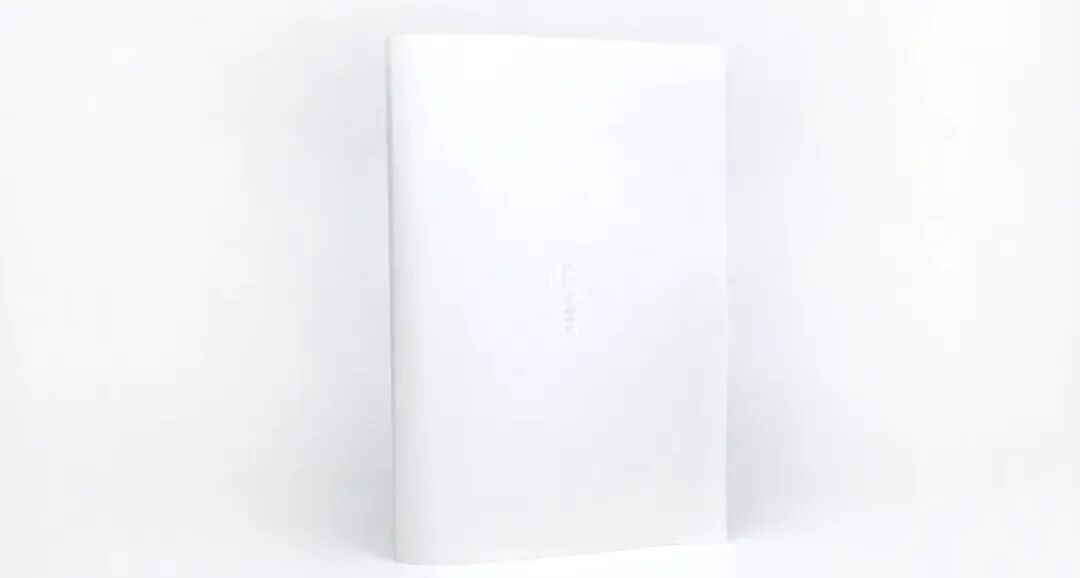
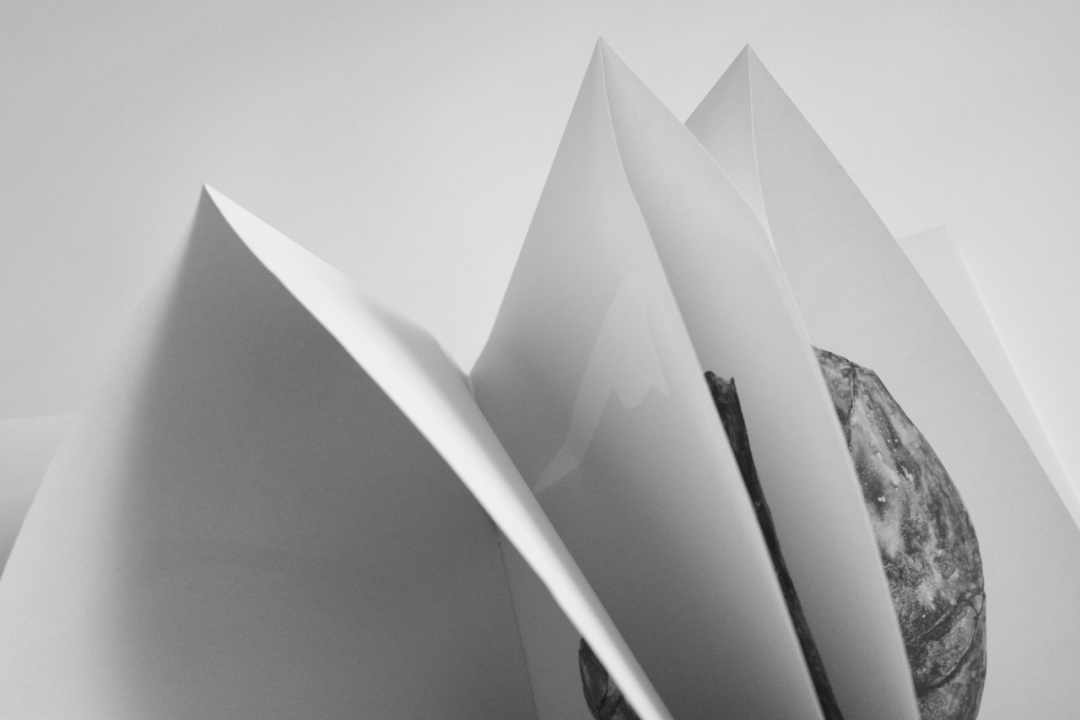
The sister work of 'What Is It', titled 'Clear and White of He Ming'. Like 'What Is It', it is an ink painting. 'Clear and White' depicts incomplete objects, with white ink used to repair the missing parts. The designer placed the shapes for repair on the preceding page, so that through the slightly transparent paper, they overlap with the fragments on the following page, presenting a vaguely complete form. Lifting the top layer reveals the actual ancient artifact-a small, secretive wonder. The book is a large octavo size but not thick, containing only 60 illustrations, with the hope that it remains approachable, something ordinary people can hold and flip through.
Tian Yi Pavilion Quartet
Design: Qingmen Yin
Published by: Ningbo Publishing House
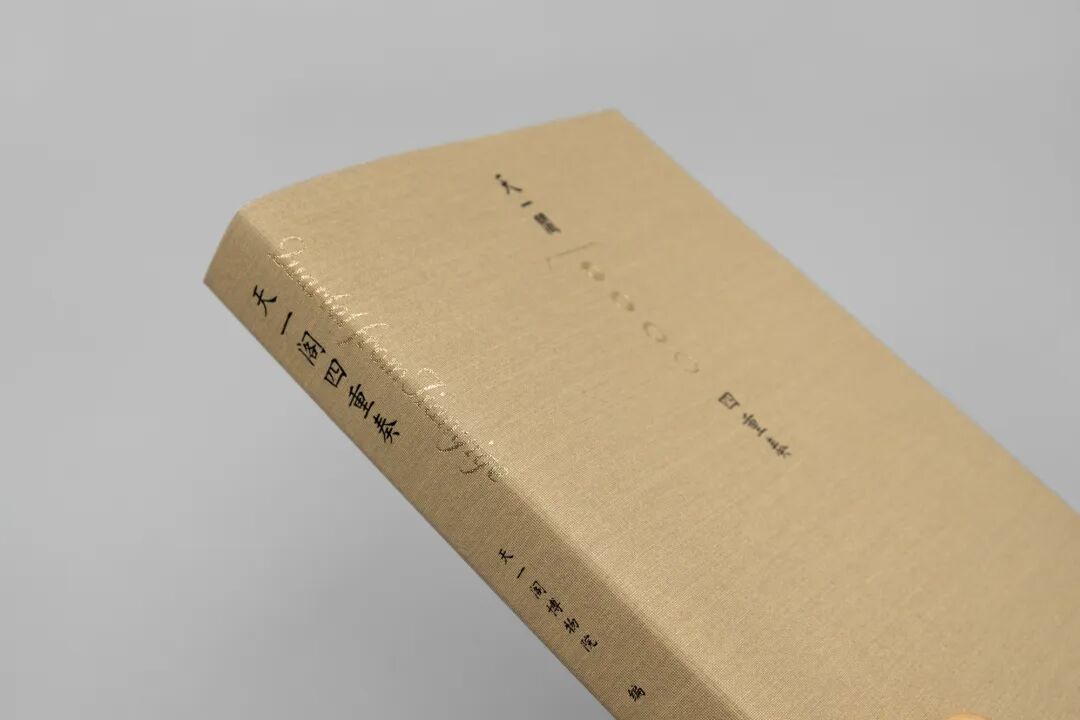
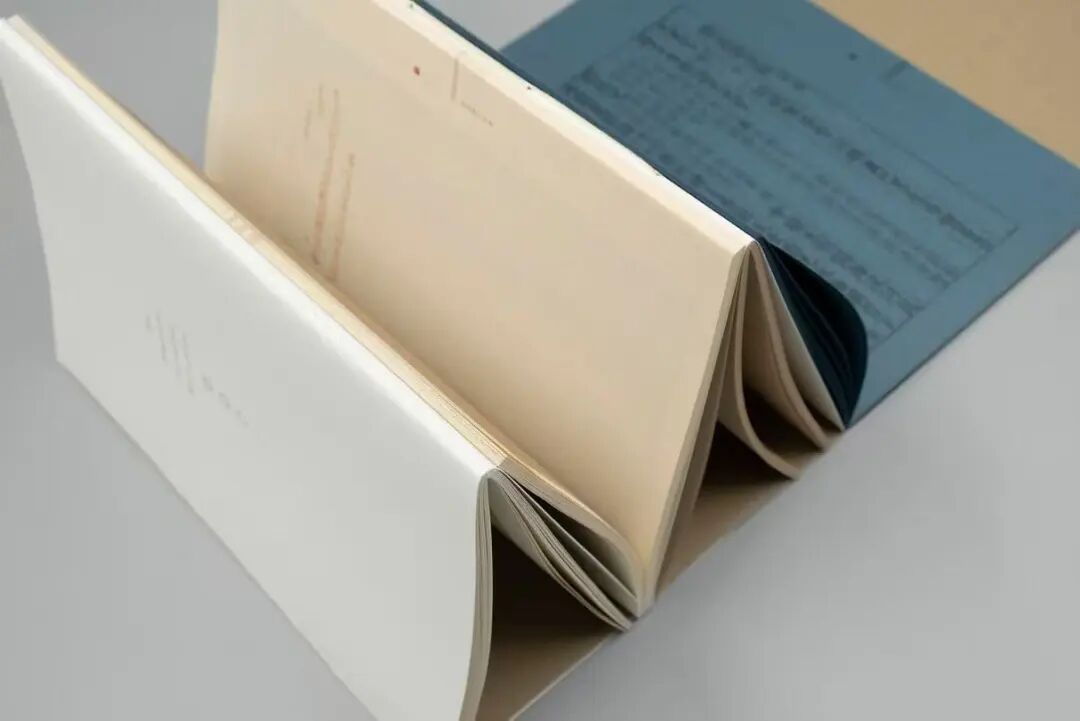
Tianyi Pavilion is the oldest existing private library in China, with a history of over 450 years, making it an outstanding representative of Chinese book collection culture. This book selects four groups of collections from Tianyi Pavilion: ancient musical instruments, ancient characters and rhymes, ancient music scores, and ancient drama scripts, and combines representative content from each into a single volume. All four sections can be brought to life with sound, allowing them to be 'heard,' hence the title "Tianyi Pavilion Quartet." The design is lively, unique, and creative, engaging elements such as binding, paper, printing, and form. The upper part of the four sections features stacked trapezoid die-cuts, expressing the abstract concept of 'Tianyi generates water' while resembling the ancient architecture of Tianyi Pavilion. The printing of the four sections also breaks away from traditional facsimile reproduction; traditional scroll pages are partially preserved using modern thread-binding techniques. This book combines precious ancient texts with modern design, offering not only rich textual content but also significant collectible value, appealing to a wide range of readers.
Fabric Cover
Design: Yin Linlin
Publisher: CITIC Publishing Group
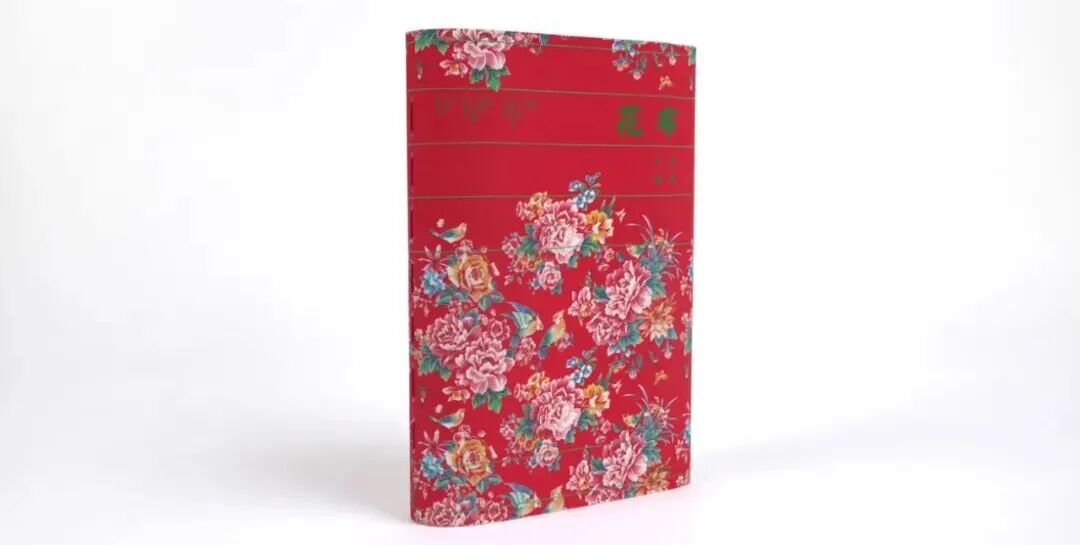
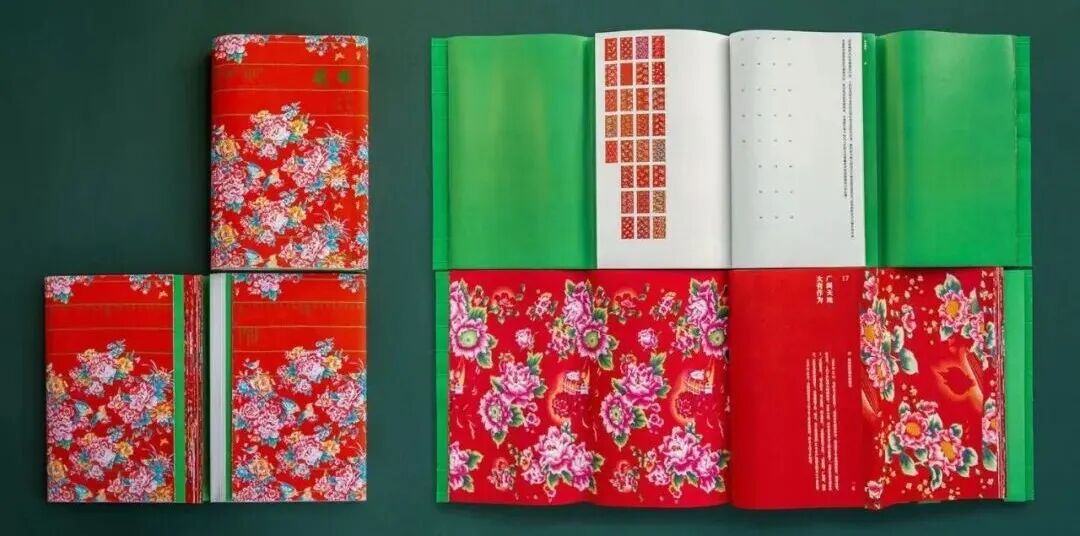
Printed floral fabrics were everyday items that were popular in urban and rural China from the 1950s to the 1980s. This book uses individual pieces of floral fabric to recreate the aesthetics of the era and the memories of the people. In terms of layout and design, field visit records are interspersed with large pieces of floral fabric. The pages are thread-bound along the central axis, creating two layers of information: text read from the front is arranged horizontally, while text read from the back is arranged vertically, with alternating page lengths. This 'folded closure' binding method greatly expands the display size of the floral fabric, fully showcasing both the fabric's draping qualities and the beauty of its patterns. The floral patterns are closely related to major historical events in the People's Republic of China. The design uses a bright red background to highlight the red floral fabric, conveying national memory. The entire book features a vivid red-and-green color scheme for strong visual contrast, echoing the design characteristics of floral fabric and conveying a multidimensional aesthetic fusion and ideological dialogue between tradition and modernity, home and nation, and East and West. At the end of the book, interviews with the designers of the floral fabrics are included. Printed on recycled paper, the book takes readers back to a time when floral fabric supported the economy and people's livelihoods and embodied life ideals.
Sun Circle
Design: Fan Xiang
Publisher: Inner Mongolia Culture Publishing House
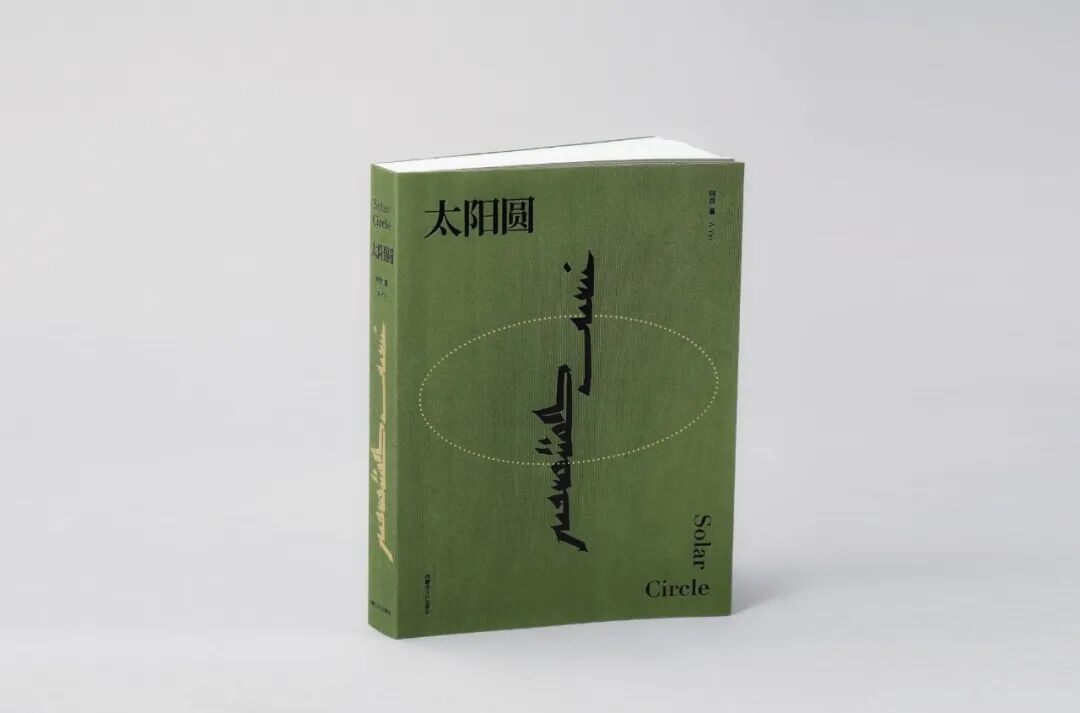
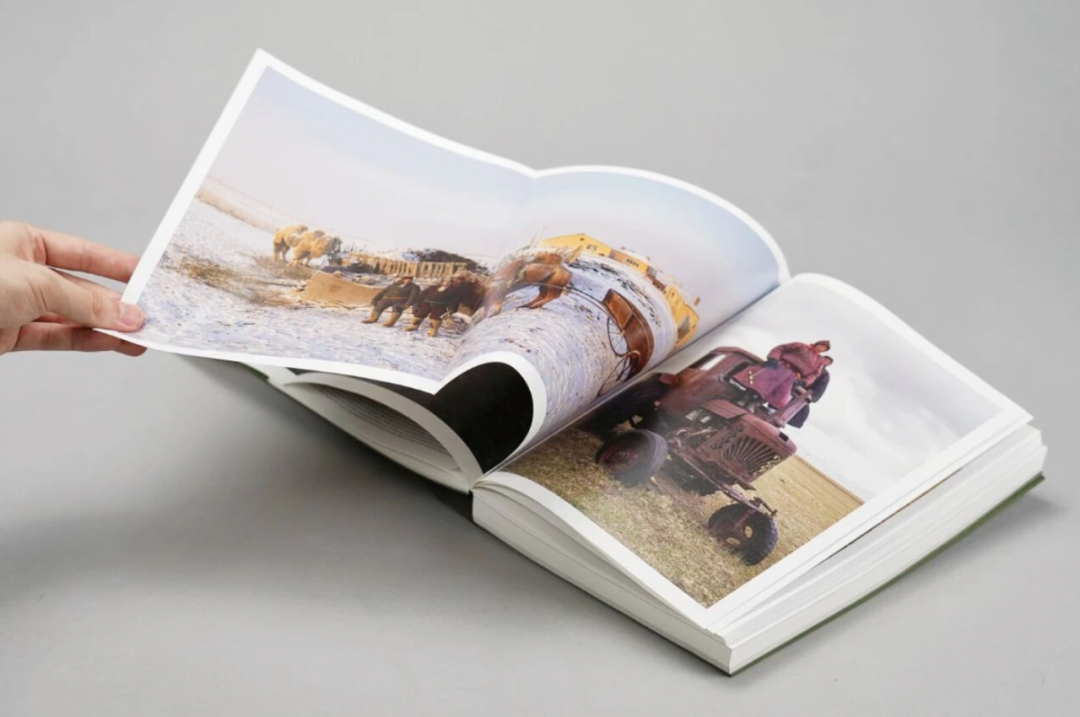
'The Sun Circle' is a visual epic created by Ayin over 11 years, divided into two main themes: 'Buryat Homeland' and 'The Buryat People.' The work deeply documents the real-life experiences of China's nomadic communities in the 21st century from an anthropological perspective, witnessing the Buryat people's cultural perseverance and modern transformation amid changing times. The entire book cleverly echoes the cultural core of 'The Sun Circle'-the oval design of the cover is inspired by the circular sheep pens repeatedly captured in Ayin's lenses; the overall appearance is a soft grass-green tone with a delicate texture. The book is meticulously printed by Artron, perfectly capturing the vastness of the grasslands and the spirit of the people. The book extensively uses fold-out pages to fully showcase the photographic works. The clever combination of left and right pages creates a strong narrative sense, presenting readers with panoramic depictions of nomadic life. As you turn the pages, it feels as if you are in the boundless grasslands, experiencing the everyday poetry of the Buryat people.
In addition to the above eight award-winning works, the remaining 17 award-winning works are also outstanding. Let's take a look!
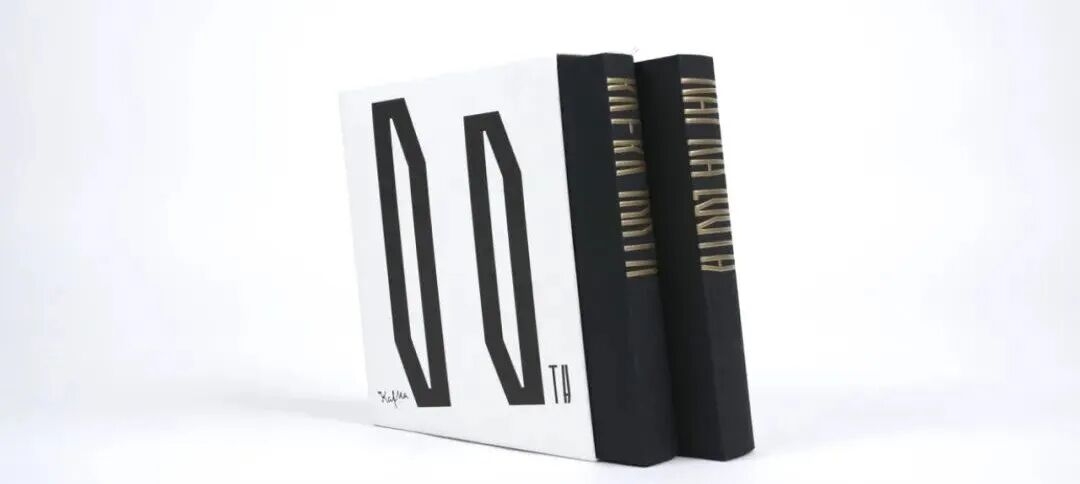
KAFKA 100TH: The Castle, The Trial · USA
Design: Qi Wenyunhai · Design Consultants: Cao Qi, Li Xiaobin, Zhao Xiaoxia
Publisher: Writers Publishing House
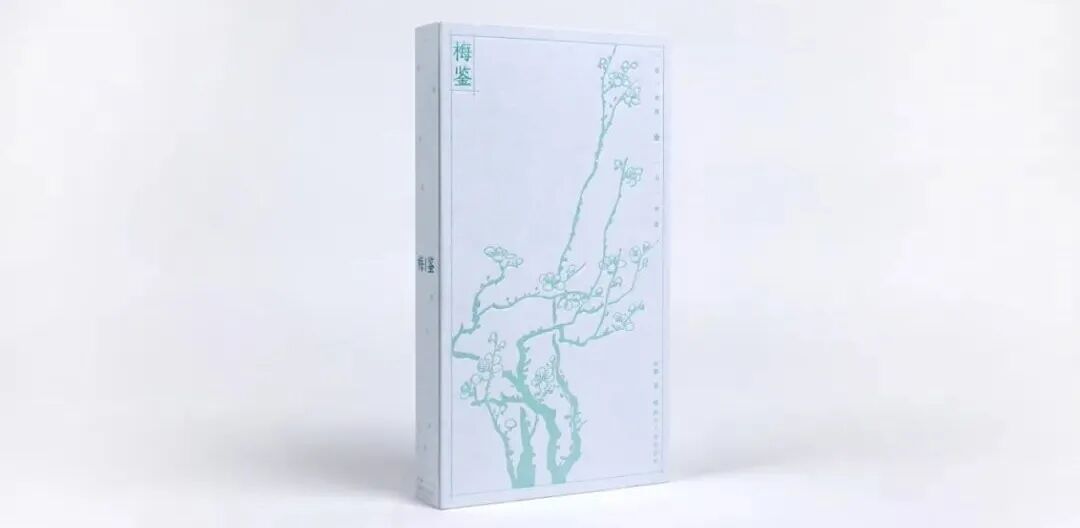
Plum Appreciation
Design: Xu Tianqi, Li Pengyi
Published by: Sichuan People's Publishing House
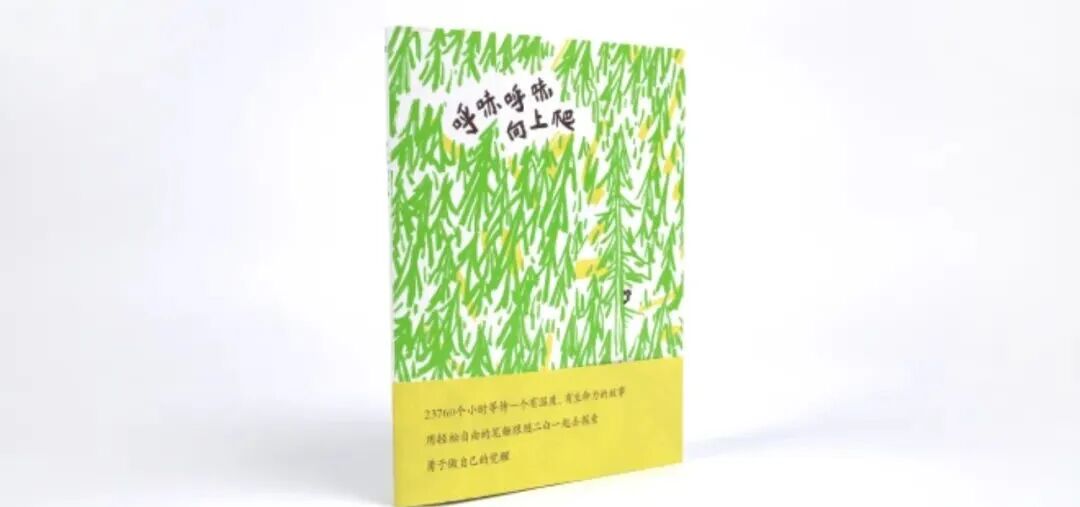
Panting Upwards
Design: Li Zhenghong
Published by: Jiangsu Phoenix Fine Arts Publishing House
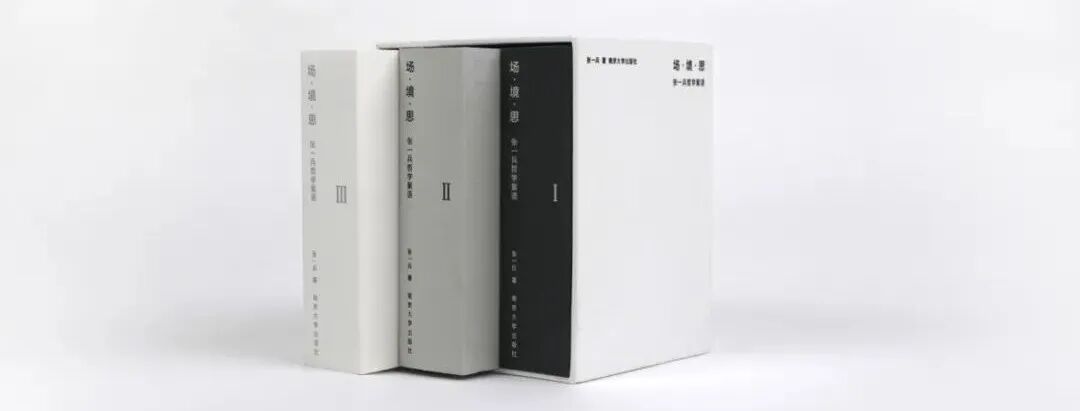
Field · Context · Thought: Zhang Yibing's Philosophical Musings
Design: Zhou Weiwei
Publisher: Nanjing University Press
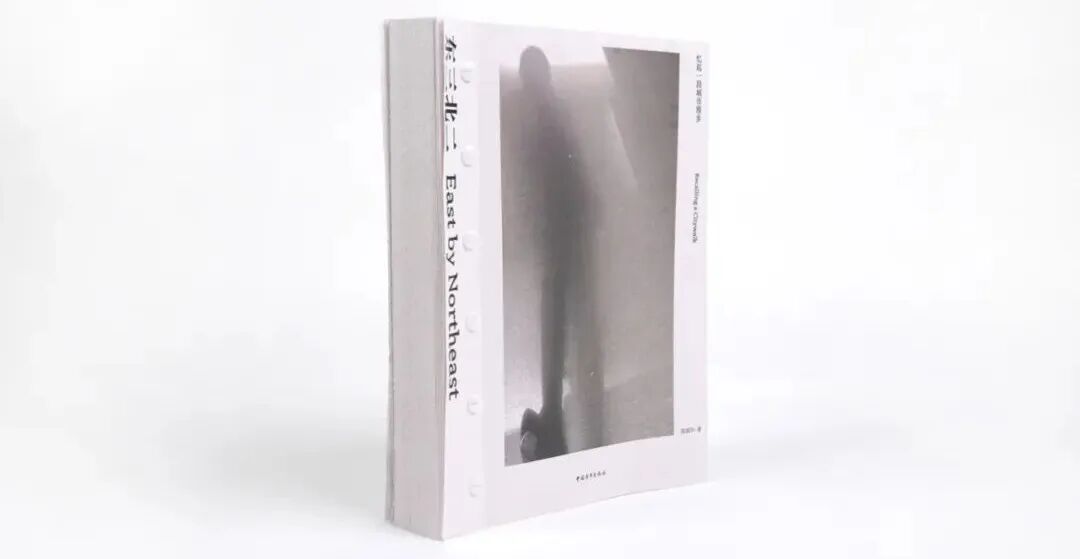
East Three North Two: Recalling a Stroll Through the City
Design: Zhang Zhiqi
Publisher: China Youth Publishing House
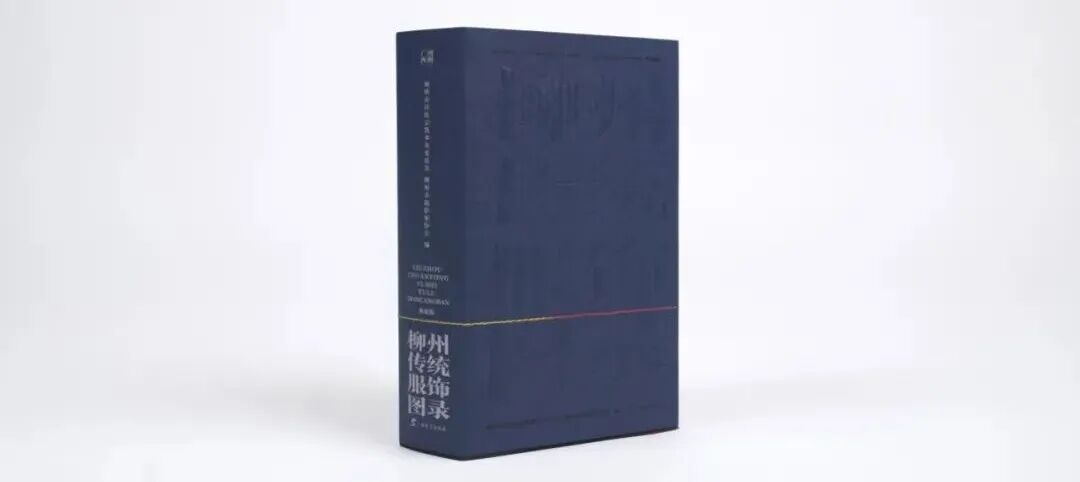
Illustrated Record of Traditional Liuzhou Clothing: Collector's Edition
Design: Pan Yanrong, Pan Xiangrong
Publisher: Guangxi Education Press
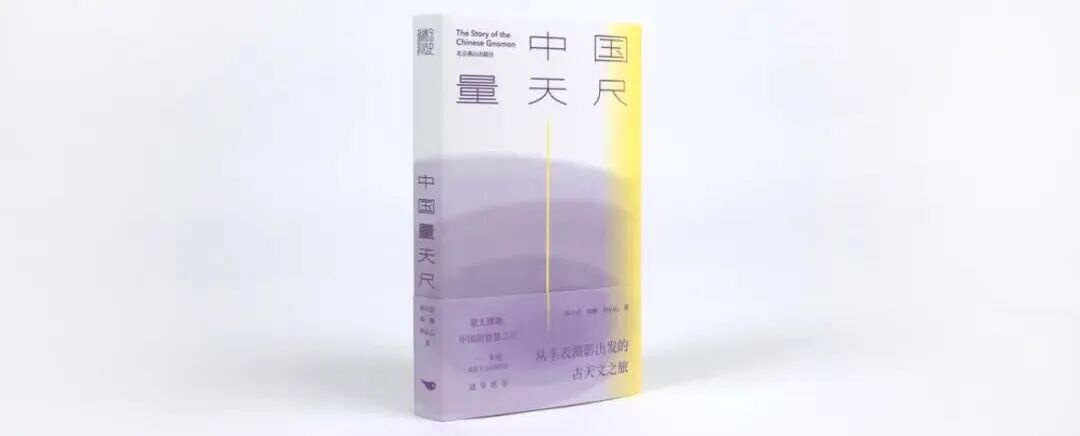
China's Celestial Measuring Ruler
Design: XXL Studio Zhang Yu
Published by: Beijing Yanshan Press
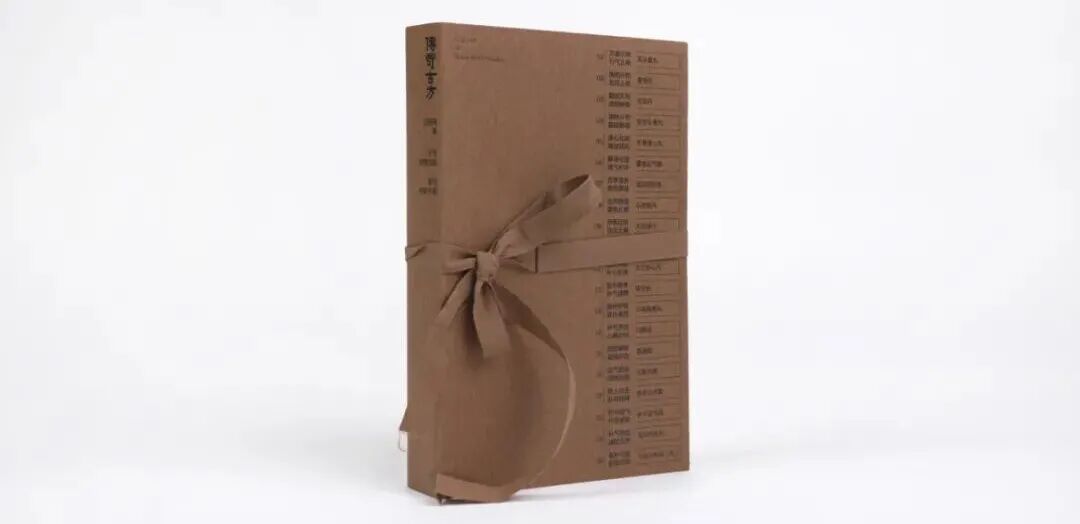
Legendary Ancient Formula
Design: YUAN Lin Haibo
Published by: People's Medical Publishing House
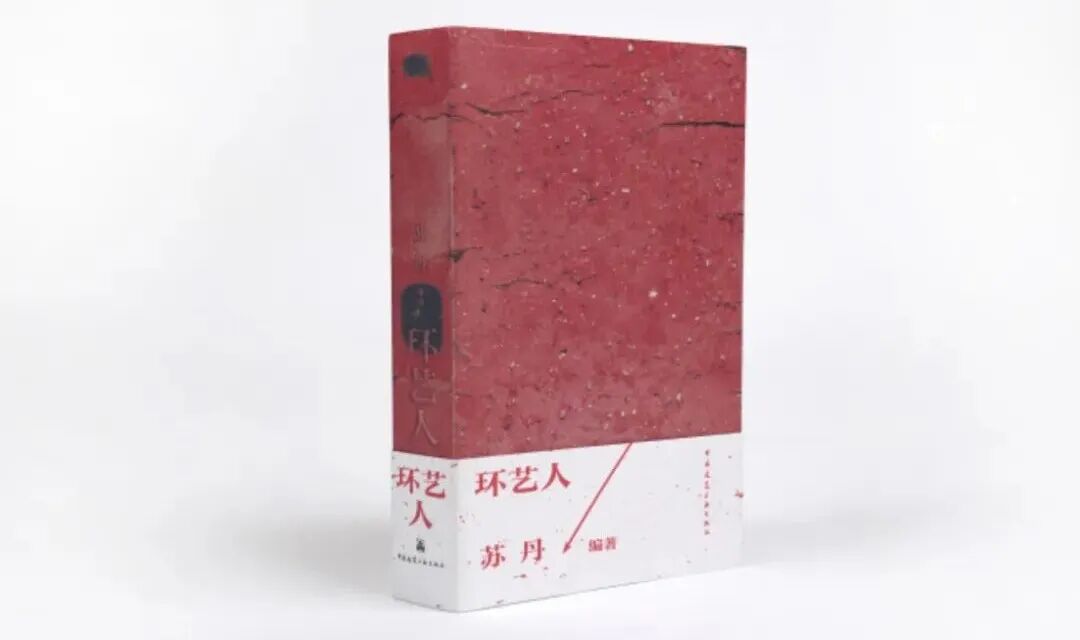
Environmental Artist
Design: Zhang Wujing
Published by: China Architecture & Building Press
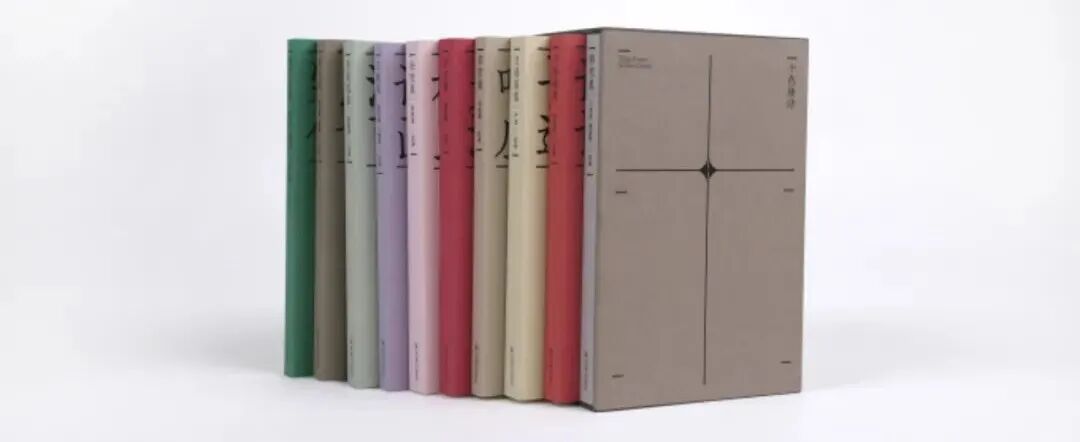
Ten-Colored Tang Poems
Design: Qu Minmin, Jiang Qian
Published by: Phoenix Publishing House
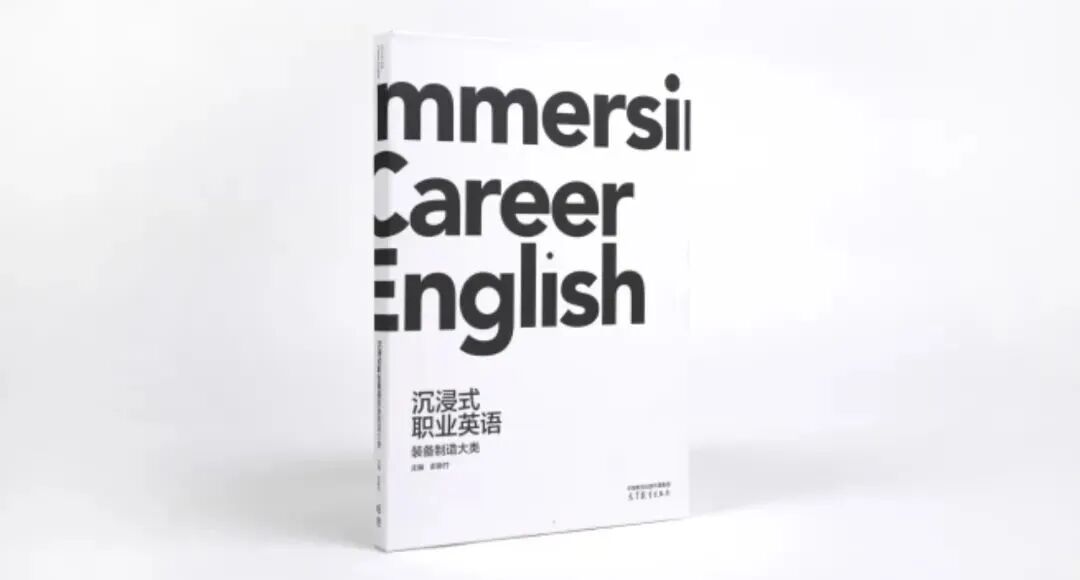
Immersive Professional English: Major in Equipment Manufacturing
Design: Jiang Lei
Publisher: Higher Education Press
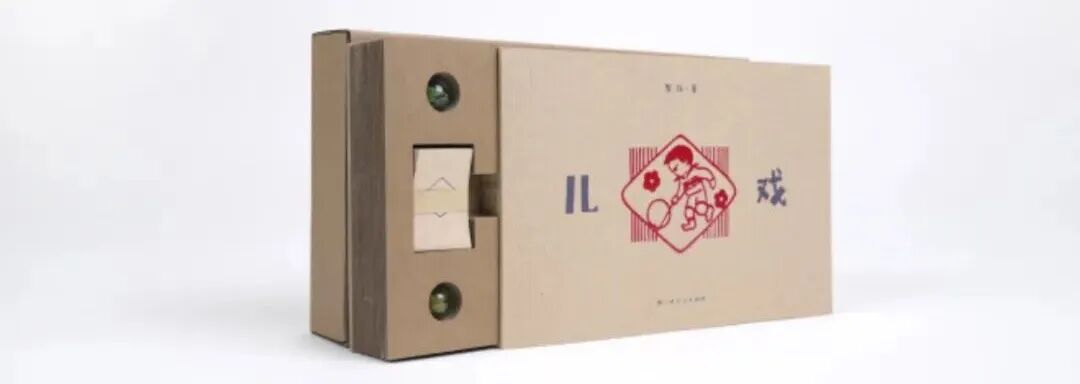
Child's Play (Special Edition)
Design: Zhou Weiwei, Zhang Yunhao
Published by: Guangxi People's Publishing House
Rest in Peace: Ancient Chinese Funeral Culture
Design: Chen Nan
Published by: Shanghai People's Publishing House
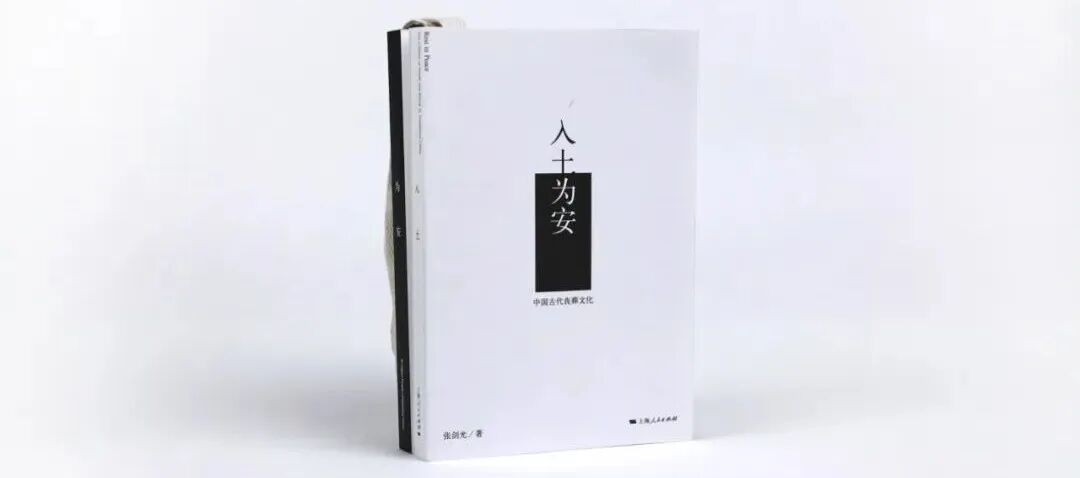
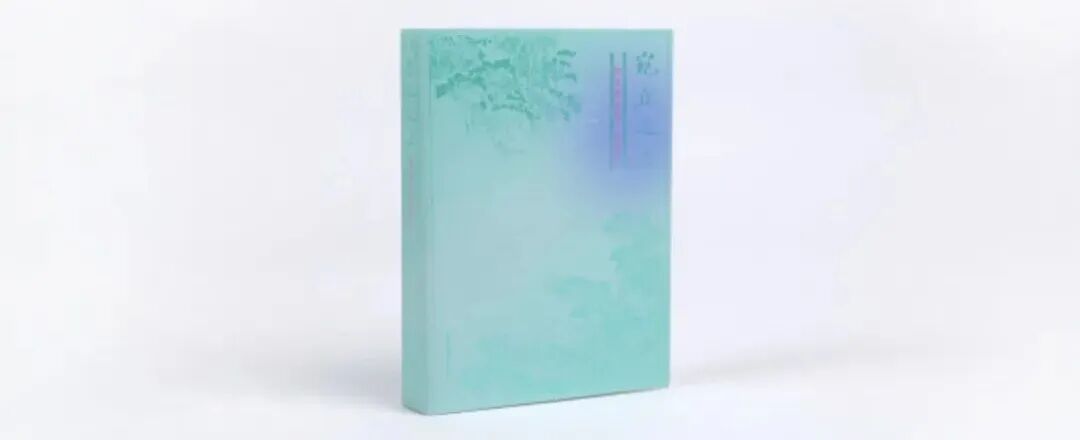
On Wanqiu Hill: A Travel Guide by Chen Feng
Design: Xu Xiao
Published by Shandong Pictorial Publishing House
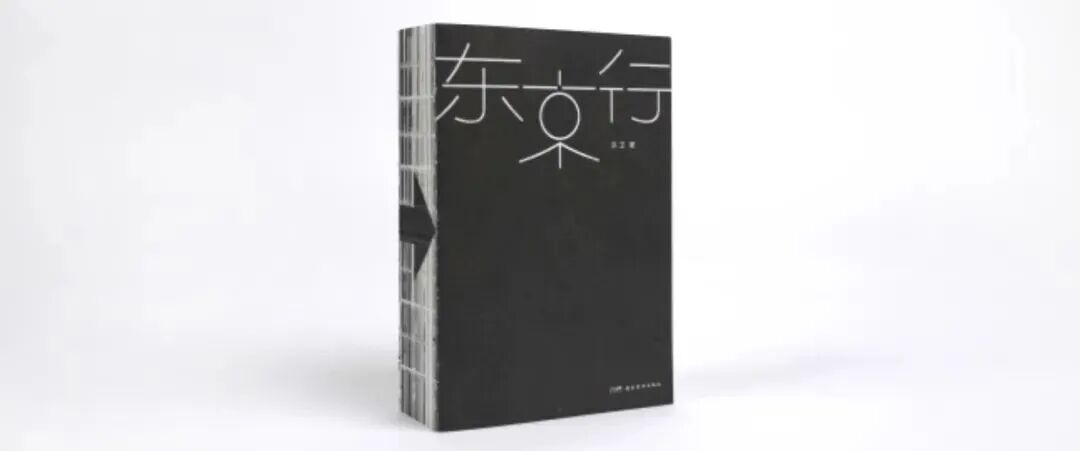
Trip to Tokyo
Design: Hong Wei
Published by: Lingnan Fine Arts Publishing House
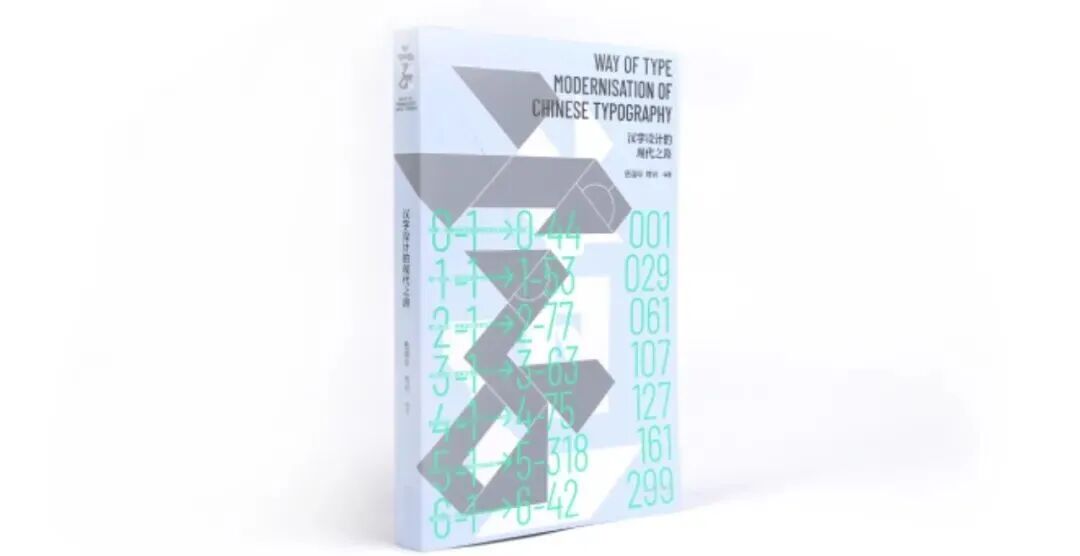
Zidao: The Modern Path of Chinese Character Design
Design: XXL Studio Liu Xiaoxiang, Ye Jiaxin, Xiao Man
Publisher: Hebei Education Press
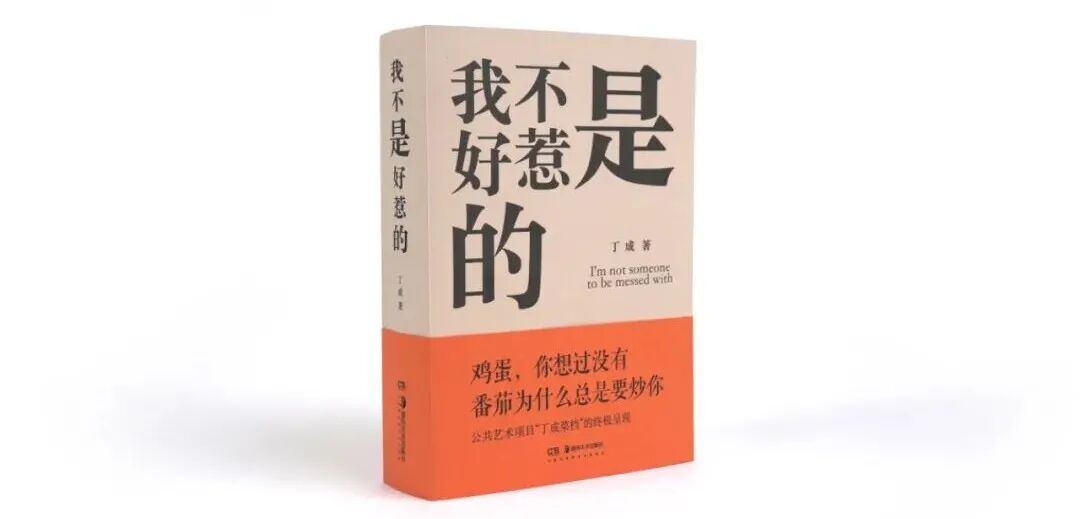
I'm Not Easy to Mess With
Design: Zhang Xin
Published by: Hunan Fine Arts Publishing House
The book that won China's 'Most Beautiful Book' award this time will represent China in the 2026 'World's Most Beautiful Book' competition held in Leipzig, Germany. This will mark the 24th consecutive time that a 'Most Beautiful Book' imbued with Chinese characteristics competes on the world stage alongside works from other countries. We look forward to China's 'Most Beautiful Book' shining internationally again next year!