


Breaking! Label and flexible packaging equipment giant MPS applies for 'creditor protection'
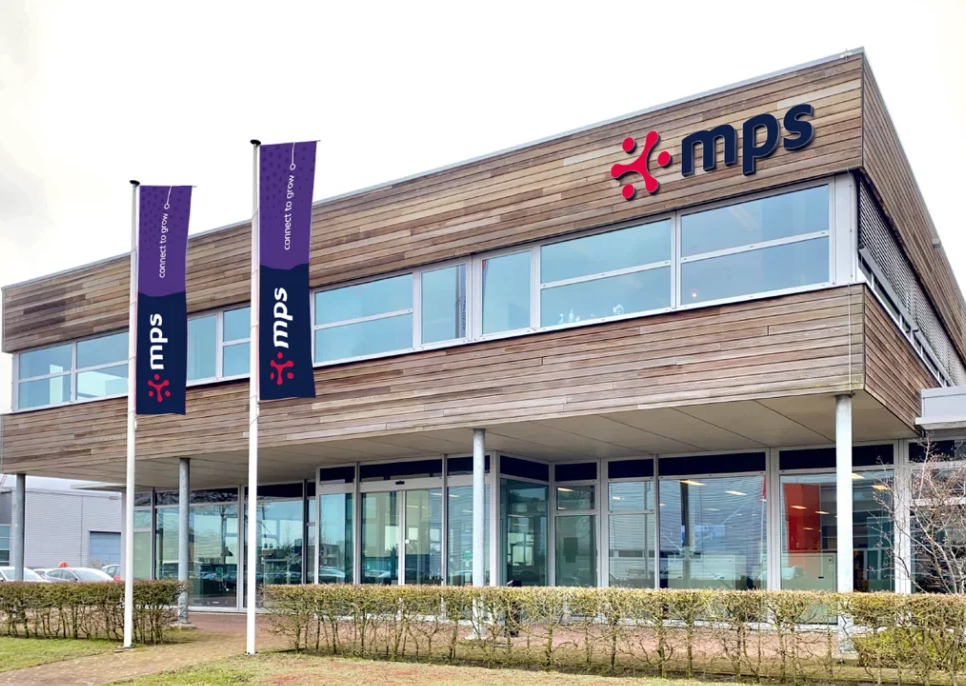
Recently, Printweek reported that the Dutch company MPS, which specializes in label and flexible packaging printing machines, filed for a 'temporary suspension of payments' with a Dutch court on October 23, a measure for creditor protection.
According to reports, several key entities of MPS announced the 'temporary suspension of payments' on October 23, including MPS Holding, MPS Systems, MPS Service & Commissioning, and MPS Supply Chain.
Under Dutch bankruptcy proceedings, companies facing temporary financial difficulties can apply to the court for a 'suspension of payments,' with a maximum duration of 18 months. Once approved by the court, creditors cannot pursue the company's debts during the debt restructuring period. MPS's application is undoubtedly aimed at buying valuable breathing room with the goal of rescuing its ongoing operations through debt restructuring.
Founded in 1996, MPS is a well-established company in the industry, with more than 750 machines installed in approximately 100 countries and regions. It has branches in the UK, Germany, Asia, and the United States. With its deep expertise and global influence in narrow-web printing, MPS enjoys a strong reputation among its customer base. The outbreak of this financial crisis has drawn attention to the challenges faced by this technology-leading manufacturer.
Despite financial difficulties, MPS's strength in technology and product innovation is considerable. The company focuses on producing a range of servo-driven narrow-web printing and processing systems, with technologies covering flexography, offset, screen printing, gravure, as well as digital and hybrid flexo printing machines.
In terms of technology integration, MPS's EF Symjet hybrid production line incorporates the Domino N610i inkjet engine, demonstrating its forward-looking approach to digital-flexo hybrid technology. In addition, its product portfolio includes an expansion aimed at flexible packaging applications-the EF Packaging Printing Unit. Built on MPS's flagship EFA model, it cleverly integrates advanced automation and mid-web capabilities, allowing converters to easily extend into shrink sleeves, wraparound labels, and in-mold labeling while maintaining printing speed, quality, and efficiency.
**From 'Machine Manufacturer' to 'Printing Performance Partner' Strategic Transition**
At the recent European label printing exhibition, MPS focused on presenting its latest strategic focus-'Total Solutions,' also called the 'MPS Ecosystem Solution.' This indicates that MPS is striving to transition from a single equipment manufacturer to a partner providing comprehensive printing performance services.
MPS CEO Michel Bos stated during the exhibition, "What sets MPS apart is that we are not just a machine manufacturer. We are a true printing performance partner for our customers. Our mission is to continuously innovate and overcome the multiple challenges currently faced by processing companies." He emphasized that MPS's solutions aim to help customers improve performance in a sustainable and measurable way.
At the core of this strategic transition is the MPSConnect ecosystem. Global Sales Director Richard Meedma explained that while "the best machine is a good starting point," to truly talk about performance, the machine's foundation must be solid. MPS provides intelligent services through its printers and the MPSConnect ecosystem to ensure long-term value from digitalization and deliver measurable improvements across the entire workflow.
The MPSConnect ecosystem consists of five interrelated elements designed to help converters achieve digital transformation in operations: Data Analytics: using real-time data to guide decisions; Virtual Coaching and AI: optimizing operational processes with smart tools; MIS Integration: ensuring seamless connection with management information systems; Smart Services: providing remote diagnostics and predictive maintenance; Partnerships: emphasizing long-term, mutually beneficial relationships with customers.
With this 'Total Solutions' strategy, MPS aims to go beyond hardware itself through software, services, and deep collaboration, providing customers with sustained competitive advantages.
MPS's application for creditor protection undoubtedly reflects the financial pressure it faces during its strategic transition. This filing provides MPS with an opportunity to regroup, allowing it to negotiate with creditors under court supervision, shed high-cost burdens, and focus on the commercialization of core technologies and the implementation of its 'printing performance partner' strategy.