


How to improve the printability of intaglio plates
With the continuous advancement of deep processing technology, in general, in order to improve production efficiency, the gravure plate (made of brass) is often installed on the die-cutting plate, and the relief plate (made of resin, also called die) is glued onto the steel bottom die, combining the embossing and die-cutting processes into a single process.
Based on the analysis of actual production situations, the main factor affecting the print durability of the relief plate and the gravure plate is the friction between the paper and the plates tens of thousands of times, which causes severe damage to both the relief plate and the gravure plate. This is especially apparent in the fine text and lines of the relief die in the embossing process. As shown in Figure 1, they are the intact relief die and the damaged relief die, respectively.
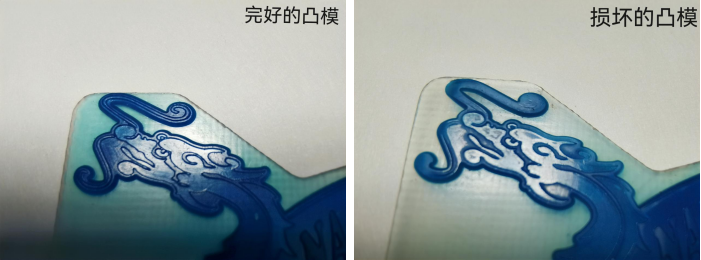
Figure 1 Intact punch (left) and damaged punch (right)
Obviously, in order to improve the print durability of the intaglio and relief plates, we must do everything possible to reduce the friction between the paper and the plates.
Reducing the friction of paper on the relief plate
To reduce the friction of paper on the relief plate, we implemented the following three measures.
01
Increase the depth of the relief plate grooves on the steel base mold
Increase the depth of the relief plate grooves on the steel base mold from the original 0.55 millimeters to 0.6 millimeters, as shown in Figure 2.
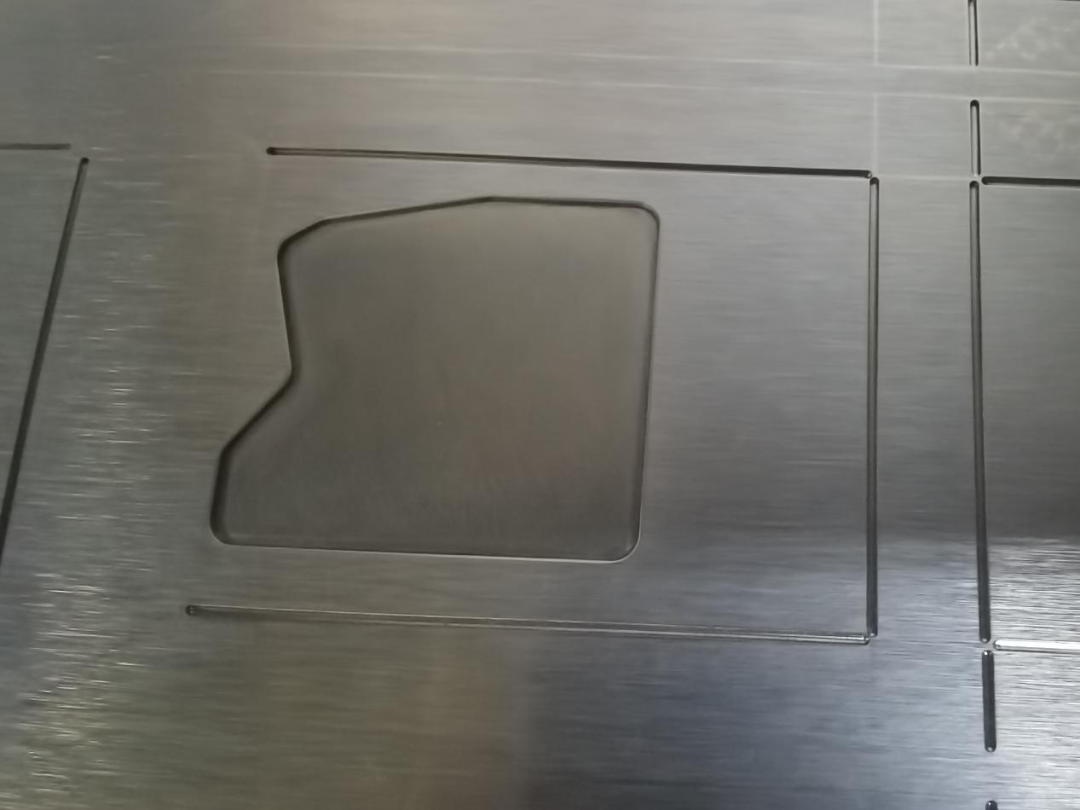
Figure 2 Increasing the depth of the raised printing slot on the steel base mold
02
Reducing the thickness of the raised printing substrate
Reduce the thickness of the raised printing substrate from the original 0.55 mm to 0.3 mm, and use double-sided tape with a thickness of 0.05 mm to attach it inside the raised printing slot, as shown in Figure 3.
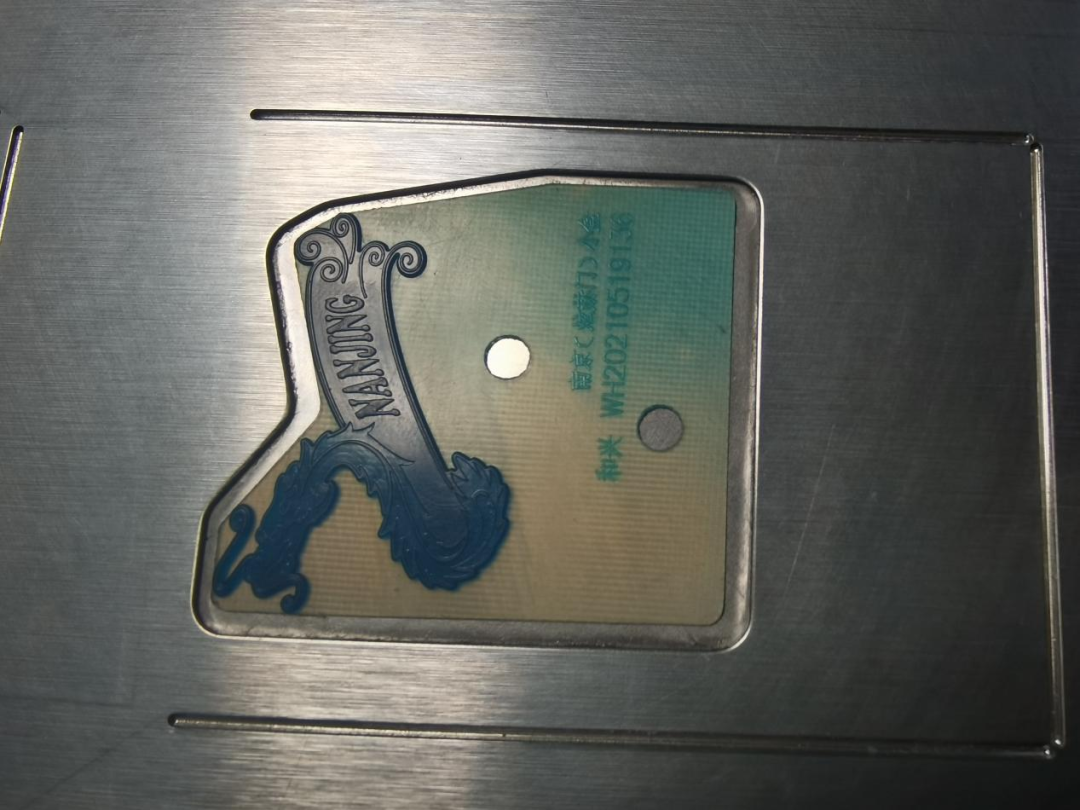
Figure 3 Reducing the Thickness of the Relief Substrate
03
Covering the Relief Printing with CNP Paper (Cellulose Nanopaper)
Because CNP paper has characteristics such as high strength, good flexibility, pressure resistance, and wear resistance, it can be used to protect the images and text on the relief printing from direct friction with paper, as shown in Figure 4.
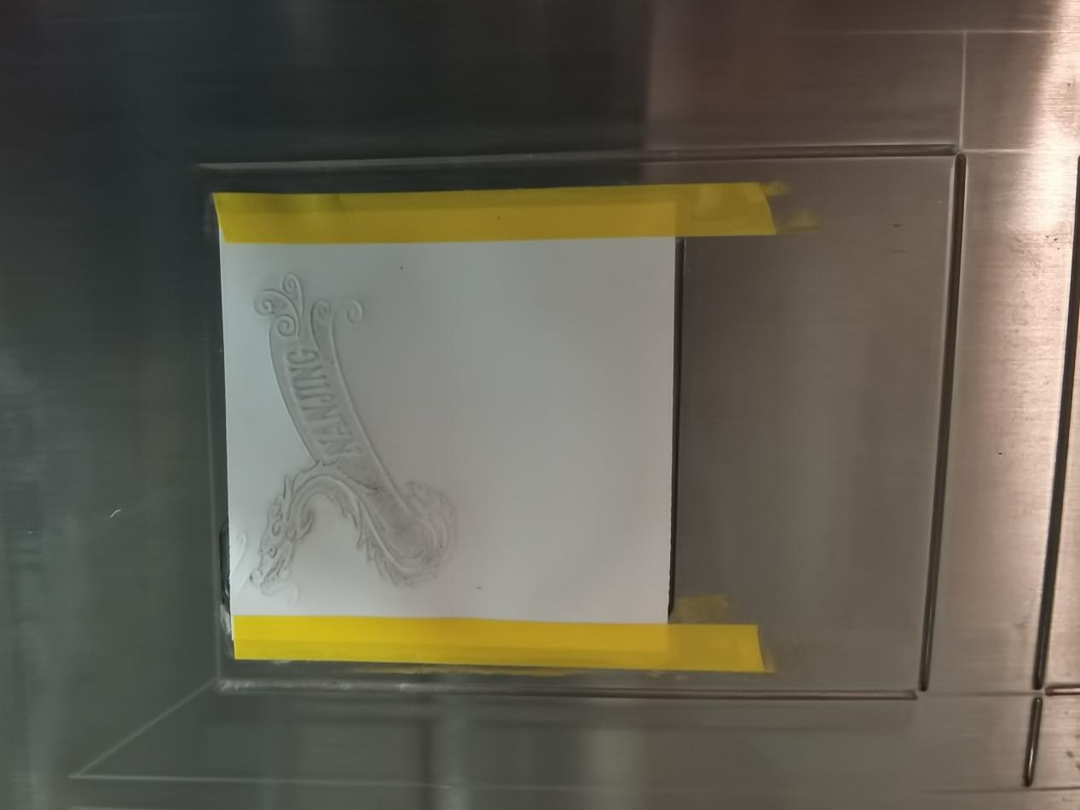
Figure 4 Using CNP paper (cellulose nanofiber paper) to cover the relief print
Reducing the friction of paper against the intaglio plate
To reduce the friction of paper against the intaglio plate, we took the measure of attaching softer sponge strips around the intaglio plate, as shown in Figure 5.
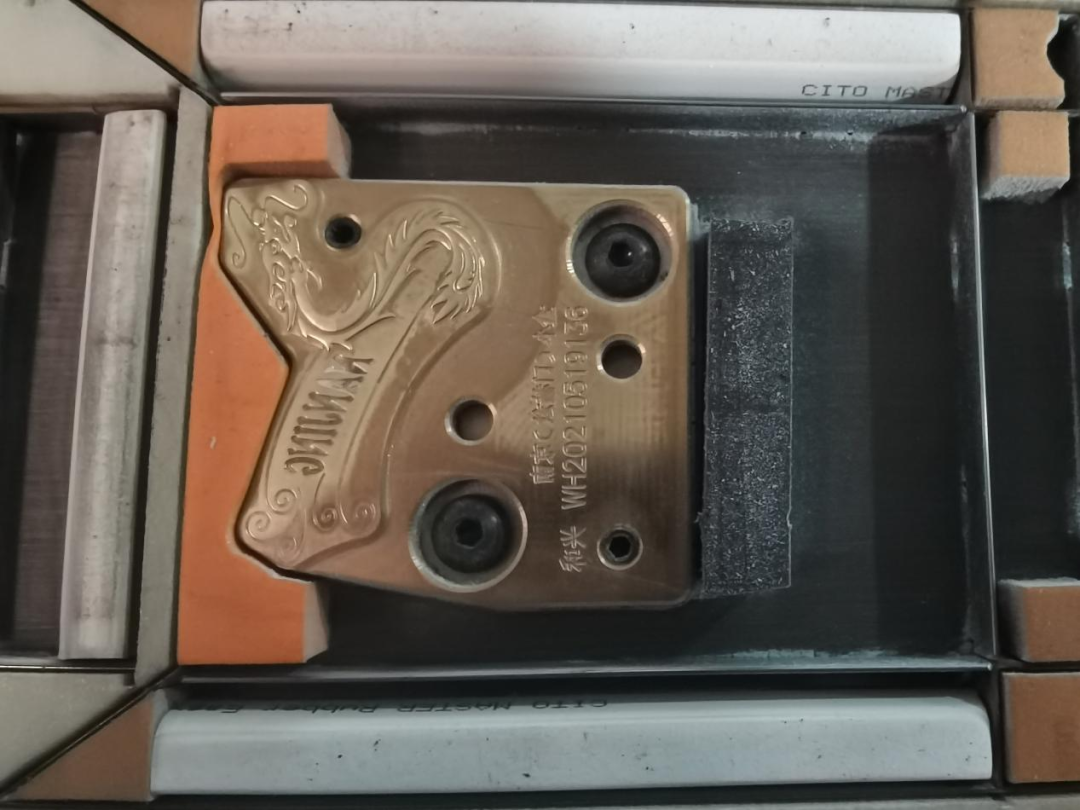
Figure 5: Attach softer sponge strips around the intaglio plate.
It is worth noting that the height of the sponge strips should be greater than the thickness of the intaglio plate. This way, the sponge strips can effectively prevent the paper from directly rubbing against the intaglio plate, thereby increasing the plate's printing durability. Moreover, because the sponge strips are softer, they will not leave an impression on the paper; on the contrary, they can reduce or even eliminate the impression of the plate edges on the paper.