


What new packaging trends are revealed by the Sugar and Wine Fair
From March 26 to 28, the 114th China National Sugar and Wine Commodity Fair (hereinafter referred to as the Sugar and Wine Fair) was held in Chengdu. As a 'barometer' and 'weathervane' of the global food and beverage industry, it is not only an important platform for brand investment promotion but also a forefront for understanding consumer trends and capturing signals of packaging innovation.
Changes in consumer demand often first translate into packaging. At this year's Sugar and Wine Fair, the packaging products in the alcohol and food exhibition areas were particularly eye-catching, ranging from innovative applications of environmentally friendly materials to the deep integration of digital technologies, and from the previously relatively uniform general designs to scenario-specific personalized expressions. Understanding the packaging signals at the Sugar and Wine Fair is to seize new opportunities in industry transformation. This article will start from the scene of the Sugar and Wine Fair and interpret the packaging trends behind the event.
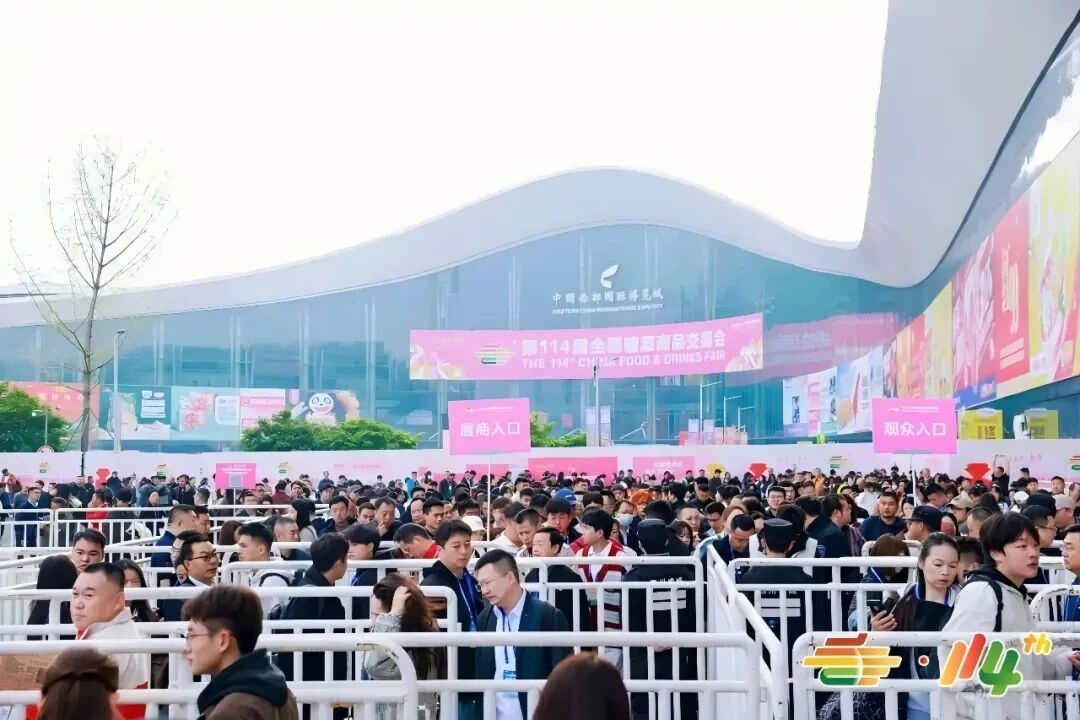
Sugar and Wine Fair site
 Rational Consumption Returns, Packaging Pursues 'Simplicity and Lightweight Design'
In the current consumption environment, rationality has become the keyword. End-consumer spending is shifting from 'status-oriented' to 'self-use-oriented,' with an increasing proportion of household and personal consumption, while business scenarios are clearly contracting. At the same time, consumers are less reliant on brand premiums and pay more attention to the match between the product itself and its price, with 'high cost-effectiveness' becoming a common demand.
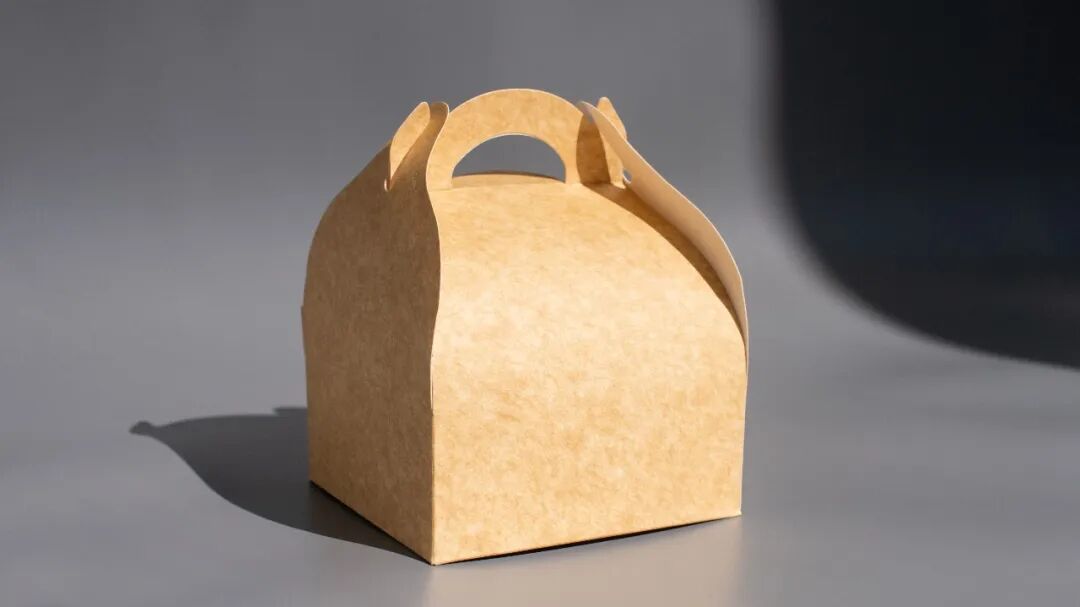
In this context, packaging is becoming increasingly simple. Staff from Mingfeng Packaging and a well-known printing company in Xi'an mentioned in interviews that 'at the Sugar and Wine Fair, it is obvious that the previously complex and heavy gift boxes are decreasing, replaced by more minimalist designs and lighter structures.' For example, many liquor companies are focusing on launching 'bottle-only liquor,' reducing packaging costs to make products more affordable. In the food sector, more and more businesses are introducing low-fat, low-calorie, simple-ingredient products and simultaneously adopting lightweight, small-package designs to highlight the concept of 'light burden.'
For printing and packaging companies, this means a shift in focus: not only to 'make it look good' but also to 'make it cost-effective.' In the future, structure optimization, material substitution, and process simplification may become key directions. Additionally, it is necessary to ensure texture and brand expression while reducing costs, achieving a 'balance between cost and experience.'
 The Rise of Young Consumers Makes Packaging 'Emotional'
As young consumer groups become the main force, consumption logic is shifting from 'functional satisfaction' to 'emotional satisfaction.' Consumers are more inclined to pay for interests and experiences, with 'self-pleasure consumption' and 'emotional consumption' becoming hot topics in current consumer trends.
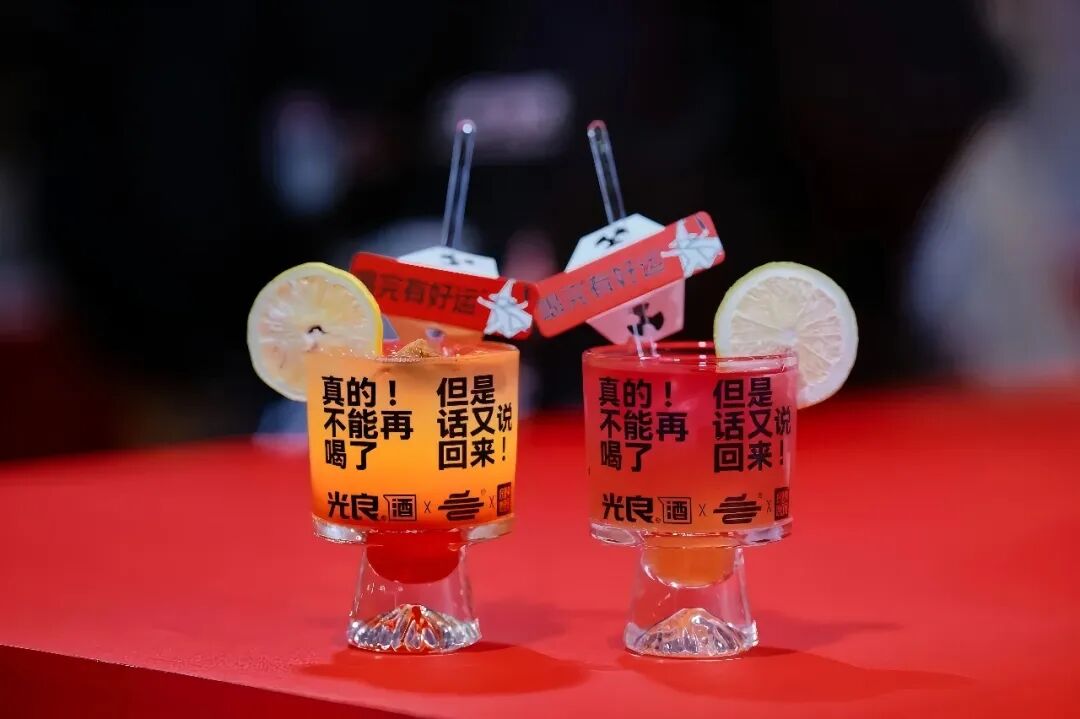
This change is particularly evident in packaging: packaging is no longer just a visual presentation, but has transformed into a medium that carries content and emotions. At the Sugar and Wine Fair, IP collaborations, cultural and creative packaging, and interactive designs became highlights. For instance, White Rabbit candy launched blind boxes and plush keychains as derivative packaging, turning packaging from a 'disposable container' into a 'carrier of emotions' that can be kept and interacted with. At the same time, packaging design has become more relaxed and lifestyle-oriented, emphasizing adaptation to usage scenarios. For example, small-size, multi-combination, and portable packaging formats are introduced for different scenarios such as home, small gatherings, and outdoor activities.
For printing and packaging companies, the dimension of competition is extending from 'manufacturing capability' to 'content capability.' Companies with abilities in IP integration, creative design, and understanding of scenarios will be more likely to gain an advantage in this round of upgrades.
 Environmental protection demand increases, and packaging greening has become "standard"
Driven by both policy orientation and consumer cognition, greening is no longer an option, but has become a "basic requirement" for the industry. Both brands and consumers have paid significant attention to environmentally friendly materials and carbon reduction paths in product packaging.
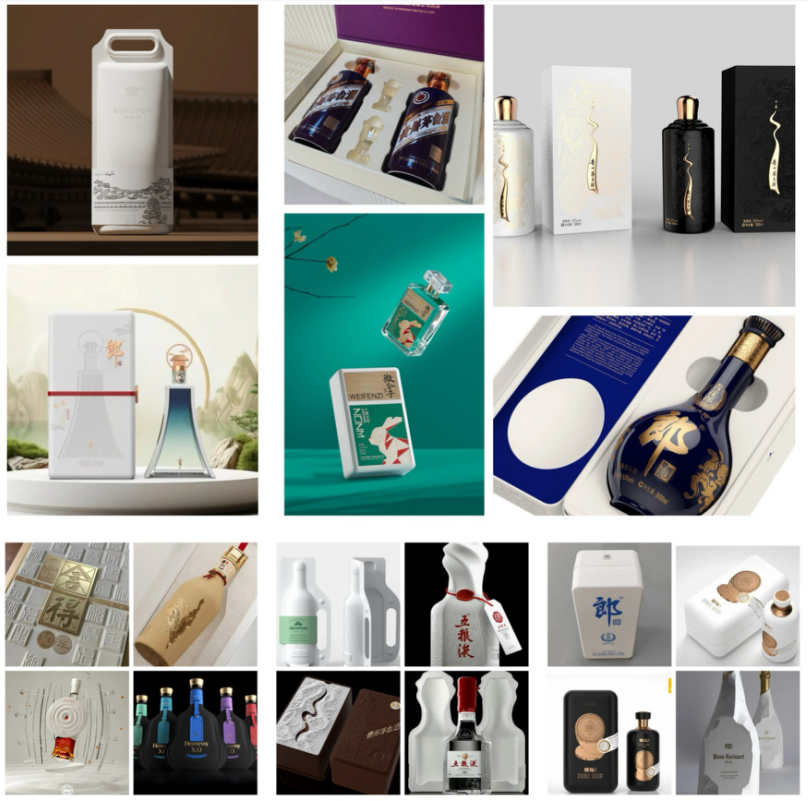
Visitors from Yutong Technology, Mingfeng Packaging and other enterprises all mentioned that environmental protection has become a clear demand in the current terminal market. On the one hand, on the material side, the application of degradable and recyclable materials is further promoted. For example, more and more wine companies are using plant fiber molding inside gift boxes to replace traditional plastic inner supports, which takes into account the texture performance while improving environmental protection attributes. On the other hand, on the design side, consumers are more inclined to the expression of "environmental protection and minimalism", and the packaging as a whole tends to be restrained and unified, conveying the green concept through visual language.
This puts forward higher requirements for printing and packaging companies: not only to have the ability to apply environmentally friendly materials, but also to provide customers with more complete sustainable solutions from materials, structure to design.
 Empowered by digital technology, packaging is more than just 'packaging'
In the context of severe product homogenization and intense market competition, brands not only need to enhance the 'newness speed' of their products but are also urgently seeking new growth levers. In this process, the role of packaging is changing-it is no longer just a carrier for products, but is gradually transforming into a 'marketing entry point.'
According to an attendee from a well-known printing company in Xi'an, the packaging showcased at the Sugar and Wine Fair has evolved from a single anti-counterfeiting function to an 'anti-counterfeiting, traceability, and marketing integrated' solution. Through the 'scan QR code to get a red envelope' reward mechanism, participants have expanded from just consumers to include distributors and channels as well. Multi-party participation makes the data chain more complete, achieving full-process tracking and refined operation from production to sales.
Under this trend, printing and packaging companies need not only to possess production capabilities but also to extend into 'technology and services,' gradually supplementing their digital capabilities, and to proactively deploy relevant technologies and talents in specialized areas, thus obtaining higher added value in competition.
Observations from the Sugar and Wine Fair indicate that the end market is undergoing a new round of changes: rather than blindly pursuing 'high-end complexity,' there is now more emphasis on 'practical, attractive, cost-effective, and experiential.' In this process, the role of packaging is also being redefined. It is foreseeable that future competition will depend not only on production capacity and craftsmanship but also on understanding market changes and providing comprehensive solutions around end-user needs. For printing and packaging companies, those who can understand these changes earlier and take proactive measures are more likely to stand out in intense market competition.