


11.8% Yearly Growth! The Boom of Digital Printing in Flexible Packaging is Coming, How Big is the Potential?
Recently, the global market research firm Mordor Intelligence released the latest market analysis report on digital printing for flexible packaging, providing a comprehensive assessment of industry size, growth drivers, development constraints, segment analysis, and global regional market overview. The report shows that the global digital printing market for flexible packaging is expected to reach $5.97 billion by 2025, grow to $6.63 billion in 2026, and could climb to $11.58 billion by 2031, with a compound annual growth rate of 11.8% from 2026 to 2031 (see Figure 1).
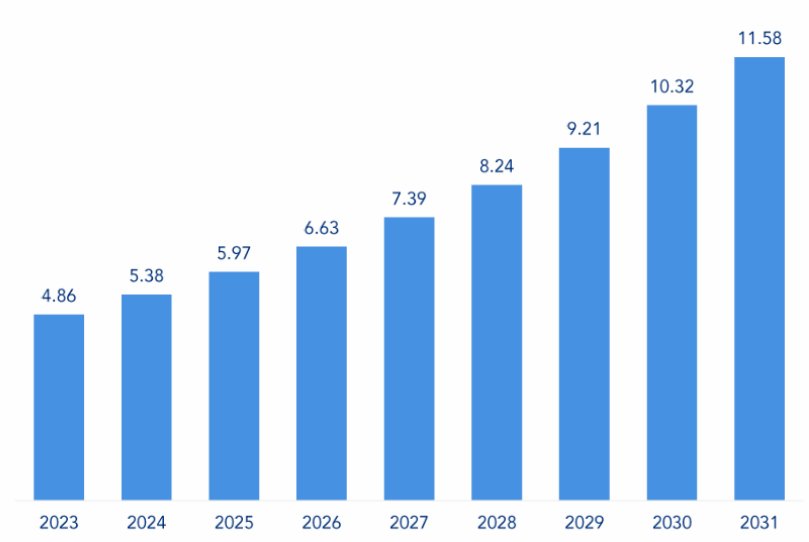
Figure 1: Global flexible packaging digital printing market size from 2023~2031
The core driver of the industry landscape shift is the shift in order models: increased demand for short-order production, faster redesign of packaging graphics and text, and continuous expansion of brand SKU categories, which have weakened the cost advantage of traditional plate-making and roll printing models. Brand owners are demanding higher responses from packaging printing companies, and digital printing has gradually shifted from a specialized alternative to a conventional production method.
The development of e-commerce has also reshaped the structure of packaging and printing orders. Localized packaging for different regional markets, multilingual packaging, and exclusive packaging for marketing campaigns all require shorter delivery cycles and frequent switching of printed versions. Meanwhile, the promotion of recyclable packaging materials, combined with increasingly strict regulations on food contact materials, has further enhanced the competitiveness of water-based inks and other compliant digital printing solutions.
The report points out that the core opportunity for packaging printing companies lies in having stable production capacity, compliant ink support, and flexible commercial cooperation models. The main factor limiting the large-scale adoption of this technology remains the high purchase cost of mass-produced digital printing equipment.
Growth drivers
01
Short-term SKU category expanded
Reshaping the profitability logic of bulk printing orders
The impact of SKU category growth has long extended beyond brand marketing, extending to production planning, asset utilization, and investment decisions in the digital printing field of flexible packaging. At the 2026 FFA FORUM INFOFLEX, representatives from Sunway Co, GEW, and Fulint Group pointed out that brand order volumes continue to shrink, while also requiring a shorter cycle from design to shelf, weakening the economic advantage of traditional gravure printing with frequent plate changes. Digital printing equipment eliminates the need for plate making during order switching, helping printing companies remain competitive in the 1~15,000 order range, which is difficult to efficiently complete with traditional printing.
This shift also reduces the risk of inventory backlog, minimizes losses caused by outdated designs, and allows brands to more clearly calculate overall costs when comparing prices with printing companies. Order formats are also reshaping demand logic: brands are making digital printing capabilities a mandatory supply condition rather than an optional value-added service. Thus, it is not only the hardware itself that determines the payback period for printing companies' equipment; customer demand and order structure quality are equally crucial.
02
Transformation in e-commerce logistics
This has sparked demand for regionally customized packaging
The changes brought by e-commerce are not only reflected in order volume, but also in the emergence of more packaging versions, label revisions, and regionally customized packaging, raising the requirements for the adaptability of flexible packaging digital printing. In China, with the implementation of the national standard for express packaging, a large number of online merchants need to quickly iterate packaging designs. Digital printing does not need to repeatedly change printing cylinders and better meets these needs. In India, instant retail fresh produce formats drive demand for lightweight and small bag packaging, which needs to adapt to regional languages and local promotions, resulting in shorter replenishment cycles. Online orders are no longer uniform bulk orders but are broken down into large numbers of SKUs customized by location, season, and marketing activities, requiring printing companies to coordinate and manage them simultaneously. This shows that the value of digital printing is not only reflected in cost optimization but also as an important means for brands to manage their entire packaging supply chain.
03
Variable data and large-scale customization requirements
Promoting the digital transformation of Indian enterprises
The focus of procurement decisions continues to shift toward brands, accelerating the rollout pace of digital printing for flexible packaging. In February 2026, HP signed a three-year, $50 million cooperation agreement with ePac Holdings, planning to deploy more than 10 HP Indigo 200K printers in North America and Europe, with this model expected to account for nearly one-third of ePac's global equipment supply. HP stated that the HP Indigo 200K is 30% faster than the previous generation, capacity has increased by 45%, and it adds automated quality diagnosis and real-time defect detection features. The core industry signal behind this is that emerging brands and even global consumer goods companies are beginning to directly specify digital printing production solutions, further reducing printing companies' bargaining power in the market. For printing companies focused solely on traditional printing business, the window for transformation is continuously shrinking, and the speed of customer demand iteration has already outpaced the routine equipment update cycle. At the same time, printing equipment installation is no longer just hardware procurement but an integrated business that includes partnerships and ongoing service revenue.
04
Large-scale implementation of hybrid printing equipment
Solving the problem of order change speed conflicts
Hybrid printing equipment has solved a long-standing pain point in the flexible packaging digital printing industry: under medium order volumes, pure digital equipment faces a capacity gap compared to traditional printing. At the 2025 European Label Show, Heidelberg launched the Gallus Five hybrid press, balancing the flexibility of digital printing with industrial capacity, extending the cost advantage of digital printing to orders previously limited to flexo and gravure printing due to speed constraints, broadening the range of orders that printing companies can accept, and establishing a feasible solution between mixed order business and mass production.
Developing constraints
01
High capital investment carries return risk
Capital investment remains the most prominent short-term obstacle to the development of the flexible packaging digital printing market. For printing companies that still have traditional printing equipment in their factories, this contradiction is especially apparent. The procurement cost of mass-produced printing equipment compatible with multiple substrates generally exceeds 1 million USD, and to achieve stable production output, a workflow system is needed, further raising the overall investment threshold. The level of return on equipment investment depends on whether the order pool has sufficient short-run and medium-run orders, but many printing companies' customer cooperation agreements were originally based on traditional long-order production models and cannot guarantee such order structures.
To address this pain point, Flint Group's digital division Xeikon will first launch the Ecolyne subscription model in the Asia-Pacific region at the end of 2025, and will launch it globally in 2026. This model converts large capital investments into ongoing operating expenses, lowering the entry barrier and supporting Indian companies to gradually expand production capacity. Even so, capital expenditure issues continue to slow industry adoption, and most printing companies still struggle to maintain ideal order structures, customer demand, and equipment utilization rates in the long term.
02
Fluctuations in ink and substrate prices have squeezed profit margins
Fluctuations in raw material prices are a practical constraint for the industry. Digital printing inks rely on specialty chemical raw materials and film substrates, and their cost trends do not always align with the overall cost of the packaging industry. UV curing and electron beam inks require photoinitiators, oligomers, monomers, and other specialty raw materials, which are highly concentrated in supply chains and can easily cause sudden cost fluctuations for printing companies.
Netscreen Europe pointed out that, due to disruptions in the Strait of Hormuz, spot polyethylene prices in Europe in mid-2026 have already surpassed the peak seen during the 2022 crisis, reflecting the sharp fluctuations in substrate prices during tight raw material supply. At the 2026 FTA FORUM INFOFLEX Industry Forum, ink manufacturers also mentioned that future printing workshops will need to be compatible with UV, LED, electron beam, water-based, and solvent-based ink systems. A single ink solution cannot simultaneously balance cost stability, substrate compatibility, and compliance requirements.
Printing companies with fixed quotation contracts bear the greatest pressure. Packaging product price adjustments are usually executed quarterly or annually and cannot follow real-time raw material fluctuations, making profit control more difficult. When inks and substrates simultaneously face high price shocks, business pressure increases further.
Segment analysis
01
Classified by printing technology
By 2025, UV inkjet printing will hold 30.88% of the global flexible packaging digital printing market, with mature installed capacity, complete substrate certifications, and compatibility with various soft films and existing production lines, serving as the backbone of market revenue (see Figure 2).
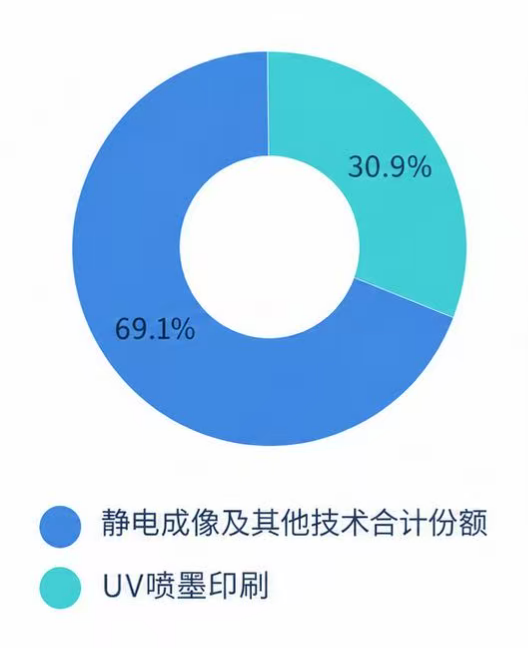 Figure 2 Distribution of Digital Printing Market Share for Flexible Packaging in 2025 (by Printing Technology)
Water-based inkjet printing continues to make breakthroughs in paper-based packaging, and the Truepress PAC 520P digital inkjet press has already achieved commercial mass production in Italy. Hybrid printing equipment is expected to have a compound annual growth rate of 14.38% by 2031, making it the fastest-growing technology route. It can extend the application of digital printing to medium-sized orders but also requires printing companies to have more stable orders and stronger financial capabilities.
02
By Packaging Category
In the same year, stand-up pouches accounted for 37.04% of the global flexible packaging digital printing market, making them the largest packaging format. They meet high-frequency updating needs and significantly reduce traditional plate-making costs. Rolls and stretch films are still mainly used for traditional long-run orders, but limited-edition promotional packaging is gradually shifting to digital printing.
By 2031, strip bags and small pouches are expected to have a compound annual growth rate of 12.74%, driven by the rapid growth in one-code-per-item traceability needs for small-pack food, personal care, and pharmaceutical products. Other packaging types like cloth bags still have the cost advantage with traditional printing.
03
By Ink Type
In the same year, water-based inks accounted for 38.96% of the market, offering excellent food-contact compliance and compatibility with recyclable paper-based packaging. Integrated direct printing solutions continue to be implemented. UV-curable inks cure quickly and have strong substrate adhesion, but require strict control of food migration standards.
Electron-beam inks are expected to reach a compound annual growth rate of 14.36% by 2031. These inks don't need photoinitiators and emit no VOCs, meeting the compliance and safety requirements for food packaging. The downside is the high investment in supporting equipment, making it more suitable for financially strong printing companies with high compliance demands.
04
By Substrate Type
Plastic films account for 62.58%, with PET, PE, and PP as the core substrates, offering stable barrier and heat-sealing performance, and supported by mature mass-production equipment systems (see Figure 3). Paper-based composite materials are steadily gaining popularity with the implementation of environmental regulations; aluminum foil is mostly used for sterile pharmaceutical packaging, and digital printing adoption in this area is still slow.
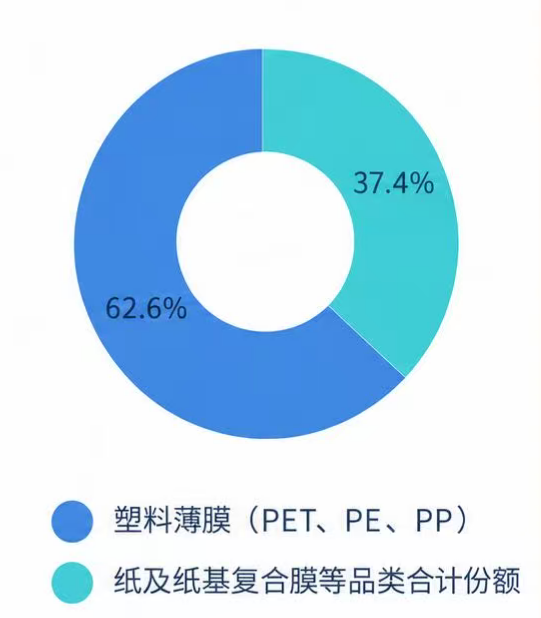 Figure 3 Market Share Distribution of Digital Printing for Flexible Packaging by Substrate Type in 2025
Compostable films are expected to have a compound annual growth rate of 14.21% by 2031. EU packaging regulations are speeding up the certification of related materials, and digital printing is very suitable for small-batch prototyping and certification testing of new materials.
05
By End Market
In 2025, the food industry will account for 36.32% of global digital printing revenue in flexible packaging, making it the largest end market. Seasonal new products and promotional packaging updates continue to drive digital printing demand. Germany's new ink regulations further raise industry compliance standards. The beverage and personal care sectors provide stable orders, while home goods packaging has a longer update cycle, so the adoption of digital printing is more gradual.
The pharmaceutical industry is expected to reach a compound annual growth rate of 13.59% by 2031. Demand for drug serialization management, clinical trial packaging, and biologics traceability is turning digital printing from just an efficiency tool into a regulatory compliance necessity.
Global Regional Market Overview
From a global perspective, the Asia-Pacific region is the core for both scale and growth in the digital printing market for flexible packaging. In 2025, the region will account for 35.95% of the global market and is expected to achieve a compound annual growth rate of 13.06% by 2031 (see Figure 4). This highlights how closely the digital printing market for flexible packaging is tied to e-commerce scale, FMCG industry growth, and local product diversification needs.
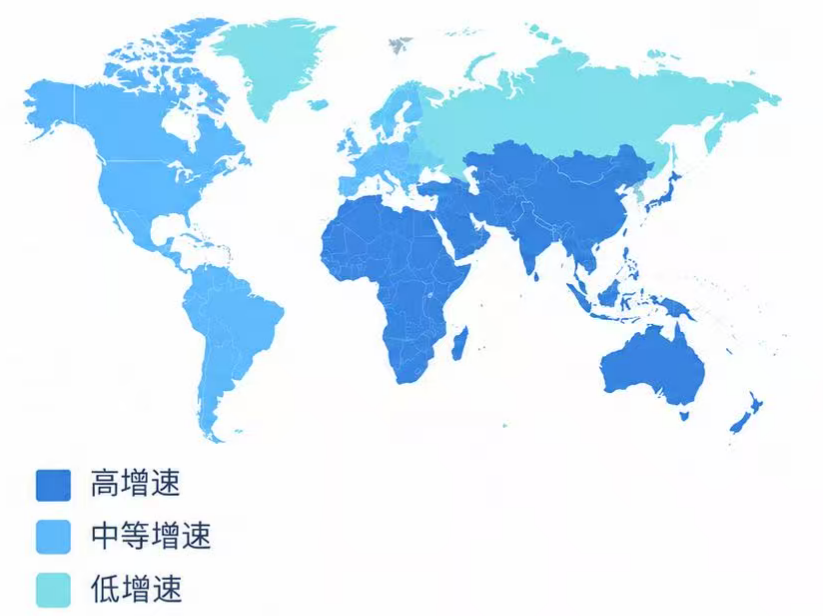
Figure 4: Growth Distribution of the Global Flexible Packaging Digital Printing Market from 2026 to 2031
China is the core support of the Asia-Pacific market. The boom in online retail, rapid packaging iteration, and the demand for standardized control create natural application scenarios for short-run digital printing. India, relying on drug serialization regulations, instant retail expansion, and food contact compliance requirements, is gradually becoming an important regional growth hub.
Meanwhile, North America and Europe have the most mature digital printing technology base. In 2026, leading North American printing companies will start cross-regional networked production layouts, while in Europe, driven by strict packaging regulations, digital printing will move from pilot stages to large-scale commercial implementation. South America, the Middle East, and Africa are still in the early stages of application.
Market Competition Landscape
Research shows that the flexible packaging digital printing market is moderately fragmented overall. The intensity of competition varies significantly across subsectors such as printing equipment, inks, workflow software, and production capacity. Currently, no supplier has an absolute monopoly in the three core areas of printing speed, substrate compatibility, and food contact compliance. Downstream clients have sufficient choices, and differentiated solutions still have market opportunities. At the same time, obstacles to industry adoption aren't only about equipment performance; the complex challenges of multi-system integration also restrict printing companies' investment decisions, and open, interconnected platform solutions are gradually addressing this pain point.
From the perspective of printing company transformation practices, cooperation models where equipment, consumables, and supporting services are bound together for the long term are becoming the mainstream trend in the industry. Additionally, various new business and financial solutions continue to emerge, so competition in the market is no longer limited to hardware specs-the business model and financial solutions are becoming core aspects of competition as well.
In terms of growth opportunities, the largest blue ocean market in the industry is focused on medium-sized traditional printing companies that have abundant SKU orders but limited budgets. When selecting and planning layouts, printing companies should prioritize equipment suppliers that can ensure stable production output, have complete compliance capabilities, offer flexible pricing, and provide comprehensive full-cycle support services. This approach better suits their digital transformation needs and helps consolidate competitive advantages during this phase of market expansion. Looking ahead, as the barriers to digital printing transformation continue to lower, printing companies that can flexibly take on short-run, multi-version orders will gain a first-mover advantage in the flexible packaging market.