


13 years, 6400 square meters, 1300 varieties, see how Xinke Printing successfully transformed with high-speed inkjet technology!
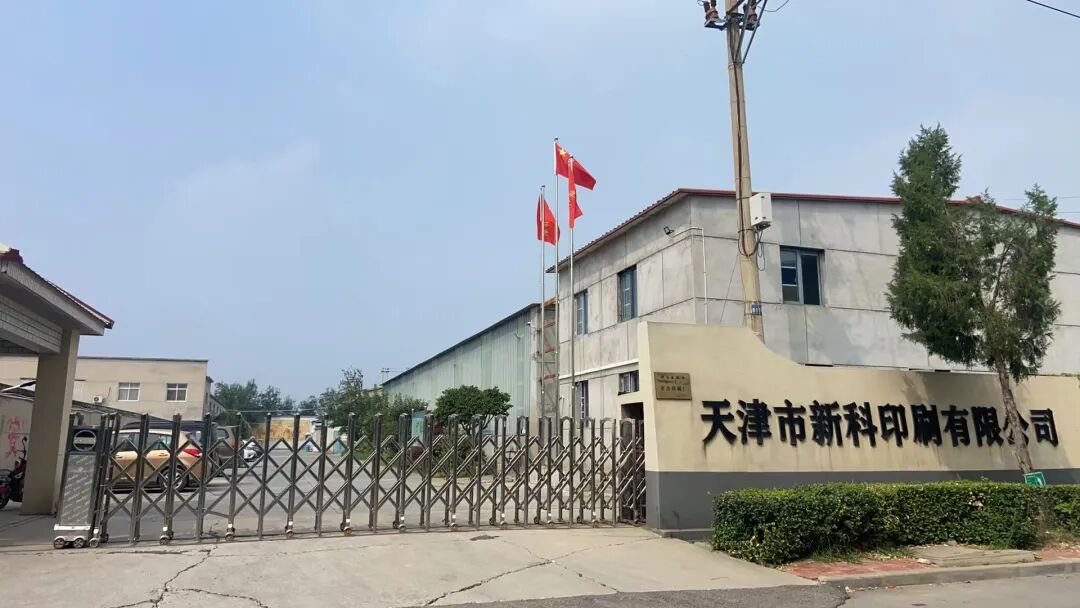
Tianjin Xinke Printing Co., Ltd. (hereinafter referred to as "Xinke Printing") is rooted in the tourism fertile land of Jizhou District, Tianjin. Since its establishment in August 2011, it has been deeply rooted in the printing field for thirteen years. The registered capital of the company is 10 million yuan, and the self purchased land covers an area of approximately 14000 square meters, with a building area of 6300 square meters. In its early days, Xinke Printing was based on traditional printing and focused on printing educational books and periodicals. Its service targets included well-known institutions such as Science Press, Longmen Bookstore, and China International Broadcasting Press, with monochrome, two-color, and four-color printing as its core business.
The triple driving force of transformation
For many years, Xinke Printing has maintained a keen insight and innovative spirit, constantly introducing new technologies, developing new products, and exploring new models. At the same time, we deeply understand the importance of service and product quality, and have established a sound quality control system. From raw material procurement to finished product delivery, every link is strictly controlled, driven by customer satisfaction and honor.
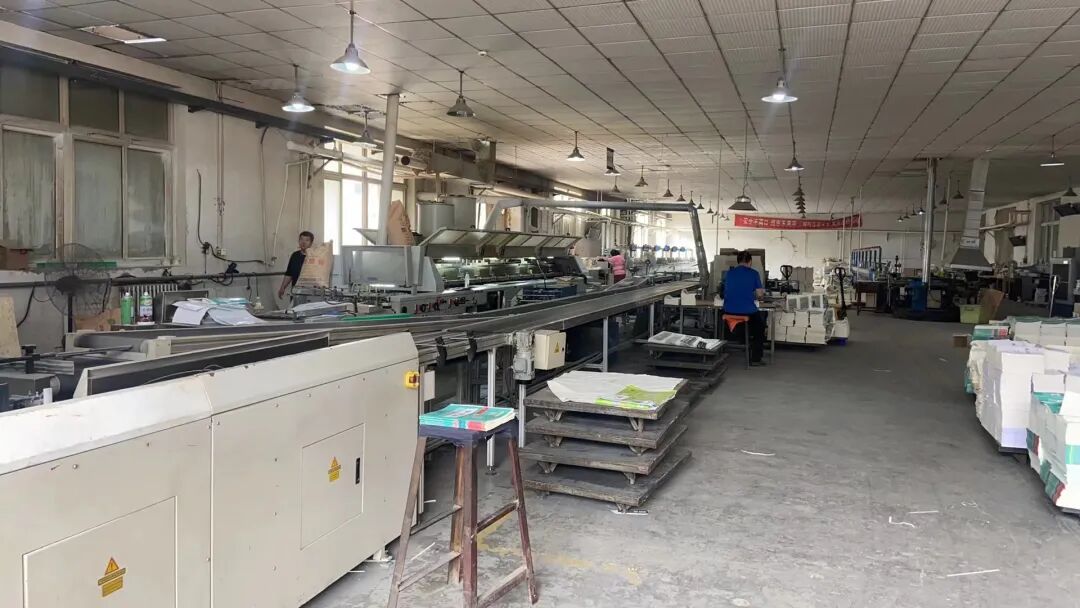
However, with changes in market environment and industry policies, the limitations of traditional printing technology have gradually become a "stumbling block" for the development of enterprises. From the perspective of market demand, traditional printing seems inadequate in small batch and customized production, with high initial printing costs and long production cycles becoming bottlenecks for its development; From the perspective of technological development, the continuous progress of digital printing technology, especially the development of high-speed inkjet printing technology, has provided higher printing efficiency and lower operating costs, becoming an important driving force for enterprise transformation. From a policy perspective, national environmental policies are becoming increasingly strict, and issues such as VOCs emissions from traditional printing ink solvents have become a heavy burden for enterprises. The low pollution and high efficiency characteristics of inkjet printing technology perfectly align with the development direction of "green printing".
These limitations make us deeply aware that we must transform in order to survive and live well, and thus open up the path of exploration towards digital printing.
The core advantages of high-speed inkjet printing technology
Why can high-speed inkjet technology become the core of transformation? This stems from its unique technological principles and benefits advantages.
From a technical perspective, inkjet nozzles represented by Kyocera and Epson brands accurately control tiny ink droplets to flash onto the surface of paper, forming images and text. This ensures image clarity and color authenticity, while also achieving high-speed continuous printing.
From the perspective of practical benefits, compared to traditional printing that relies on physical printing plates and lengthy preparation processes, digital printing simplifies the process and improves efficiency by directly outputting electronic files. At the same time, it can meet the needs of small batch printing, reducing printing and labor costs. In addition, high-speed inkjet technology significantly reduces dependence on chemicals and waste generation, while also lowering energy consumption and labor costs. This not only reduces the environmental burden on enterprises, but also improves economic benefits due to the reduction of consumables and operating costs.
The leap from "traditional dominance" to "digital leadership"
In 2019, Xinke Printing invested in Ricoh's toner laser printer. In 2020, the company officially embarked on the path of transformation and introduced single black inkjet rotary printing machines. In order to further meet the market's demand for fast and personalized printing, the company introduced one black and white digital inkjet rotary printing machine in 2021 and one color digital inkjet rotary printing machine in early 2024. Through personnel adjustments and professional training, the company has significantly improved production efficiency, shortened production cycles, and reduced production costs while ensuring production quality.
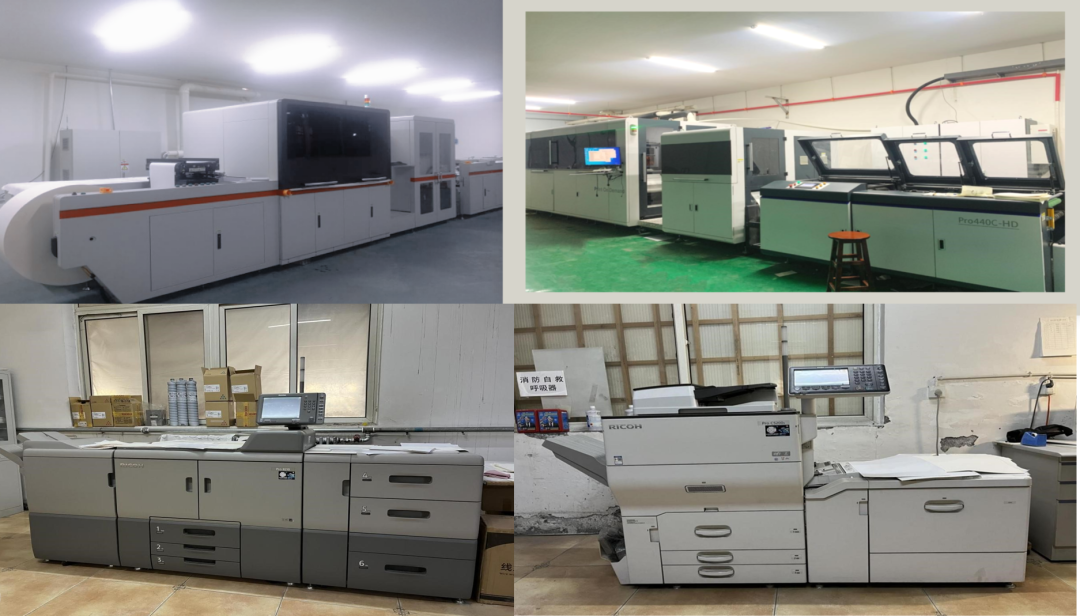
As of 2024, the company has undertaken printing business for a total of 1300 varieties, of which 800 varieties are digital printing, accounting for 55% of the production. It has basically achieved the transformation from traditional printing to parallel digital printing and traditional printing, occupying a more advantageous position in the market.
01
cost-effectiveness
The production cycle has been shortened from 7 days for traditional printing to 4 days for digital printing; In terms of consumables usage, it saves on publishing, cutting paper for printing, and reduces the use of printing materials; The number of personnel has been reduced from 5 for traditional printing to only 2 for digital printing to meet printing tasks.
02
market competitiveness
Compared to 2023, when a total of 1100 varieties were undertaken, of which 590 were digital printing varieties, accounting for 42% of the production, which was 55% in 2024, it can be seen that in the past two years, digital printing has effectively improved the company's competitiveness.
03
Sustainable development
Due to the use of water-based ink in digital printing, which is more environmentally friendly, the treatment of hazardous waste and VOCs in the production process is reduced, reducing the operating costs of enterprises while saving resources, promoting sustainable development of enterprises.
Future trend prediction
In 2024, Xinke Printing's business scale achieved substantial growth compared to the previous year, confirming the market adaptability of its transformation strategy. In the future development process of the printing industry, there are many trends and directions worth looking forward to.
In the field of ecologicalization and inkjet platforms, technological progress drives industry revolution. Digital printing, with its advantages of high efficiency and low cost, gradually replaces traditional printing, leading the digital transformation of the printing industry. It is also applied in a wider range of fields such as packaging, labeling, and textile printing, helping the industry develop towards high efficiency and environmental protection; In terms of promotion mode, printing technology is evolving towards high speed and low cost, and in the future, it will provide more personalized and flexible solutions to accurately meet the diverse needs of the market; In addition, the deep integration of intelligence and automation, combined with high-speed inkjet technology and artificial intelligence, machine learning, etc., achieves intelligent and automated production, greatly improves production efficiency and product quality, and enhances industry competitiveness.
With the continuous development of the market, the printing industry will usher in a new development pattern, providing higher quality and more efficient services for the printing needs of various fields.