


Decoding the Technological Leap Path of the Label Industry from Trade Show Samples (Part 1)
From March 4 to 6, the South China International Printing & Label Exhibition successfully concluded in Guangzhou. During the exhibition, exhibitors focused on showcasing their core equipment and innovative solutions. Through three days of in-depth observation and technical exchanges, I systematically collected many valuable packaging and label printing samples. These samples reflect the current technological level and application innovations across the entire label supply chain.
In this article, I will analyze the key process applications and industry development trends in the label industry based on these packaging and label samples, combined with some technical exchanges at the exhibition, for reference within the industry.
Digital Printing-Diverse Drivers, Flourishing Label Market
01
Water-Based Inkjet Printing: Trends in Paper Packaging Printing
Apart from UV inkjet printing, water-based inkjet printing became one of the highlights of the exhibition. Figure 1 shows a label sample obtained at the Epson booth. This label surface was not varnished. If a varnishing process is added-whether water-based varnish or UV varnish-the color and three-dimensional effect of the image will be stronger, resulting in a better outcome. Compared to UV inkjet printing, water-based inkjet printing features a smooth ink surface without tactile texture. Its color brightness is lower than that of UV printing, closer to the printed effect of offset printing. If the ink surface is laminated (especially with matte film), the effect is almost indistinguishable from laminated offset printing, which is one reason consumers prefer it.
Figure 2 shows a label sample obtained at the Prisco booth, with a printing speed of 30–60 m/min. From the image appearance, Epson's sample has delicate and soft tonal transitions, while Prisco's sample appears slightly rough. This is because Epson's equipment uses multi-pass printing, which has a slower printing speed of only 1.4–13.5 m/min, whereas Prisco's equipment uses one-pass printing, which is faster, reaching 30–60 m/min. This is the fundamental difference between the two. From a commercial application perspective, both have their own demands and characteristics.
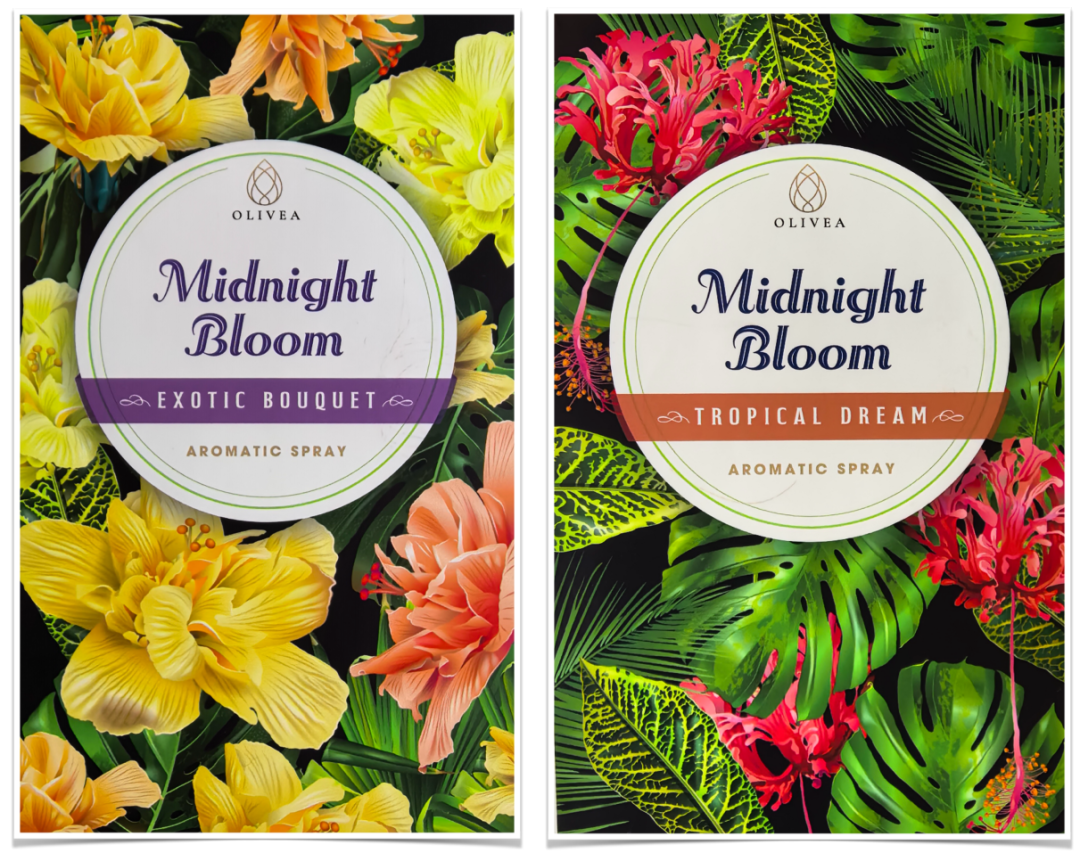
Figure 1 Label samples obtained at the Epson booth
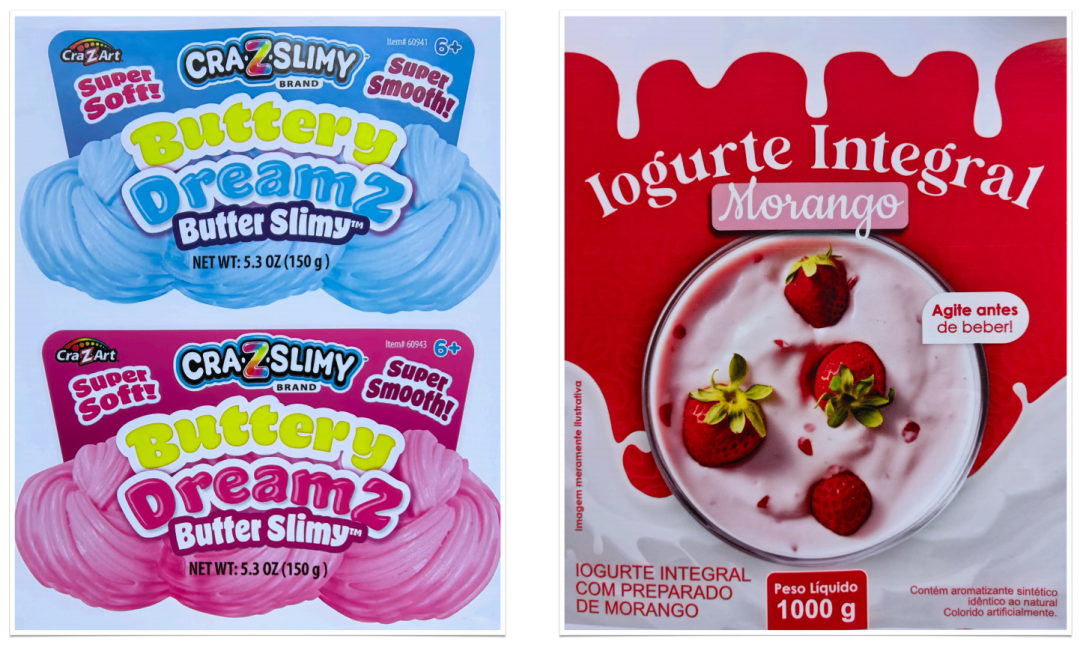 Figure 2: Label samples obtained at the Prisco booth
The printing characteristics of water-based inkjet printing have created enormous development potential for its application in the packaging printing field. We will not discuss its application in labels and flexible packaging for now, and will only focus on the prospects of water-based inkjet printing in paper packaging. Currently, most mid-to-high-end packaging boxes in China (such as for liquor or cosmetics) are printed on sheet-fed offset presses, accounting for about 60% of the total. The printed semi-finished products are finally completed through finishing processes such as lamination, hot stamping, and varnishing.
Since water-based inkjet printing can entirely replace offset printing, it brings a potential market for the development of water-based inks. At present, many well-known domestic and international digital printing equipment suppliers are actively developing water-based inkjet printing, such as Canon, Fujifilm, Epson, and Prisco. Therefore, we can say that developing water-based inkjet printing is one of the development trends in the packaging printing industry; it is a requirement for environmental protection, a market need, and also a necessity dictated by the laws of economic development.
02
Color Management: An Essential Path for Digital Printing
Figure 3 shows a set of samples obtained at the Konica Minolta booth, comparing UV inkjet printing (left) and traditional offset printing (right) after color management. By observing the samples with the naked eye, it can be seen that the colors on both sides are completely consistent without using a magnifying glass. This effect is achieved through color management. Why does digital printing need color management? Because digital printing is part of the printing family and a complement to traditional printing. If a printing company uses digital printing for proofs or processing small orders, but the print quality is inconsistent with the colors of large orders in official printing, or if the final large orders fail to match the digital proofs, then digital printing loses its meaning and value.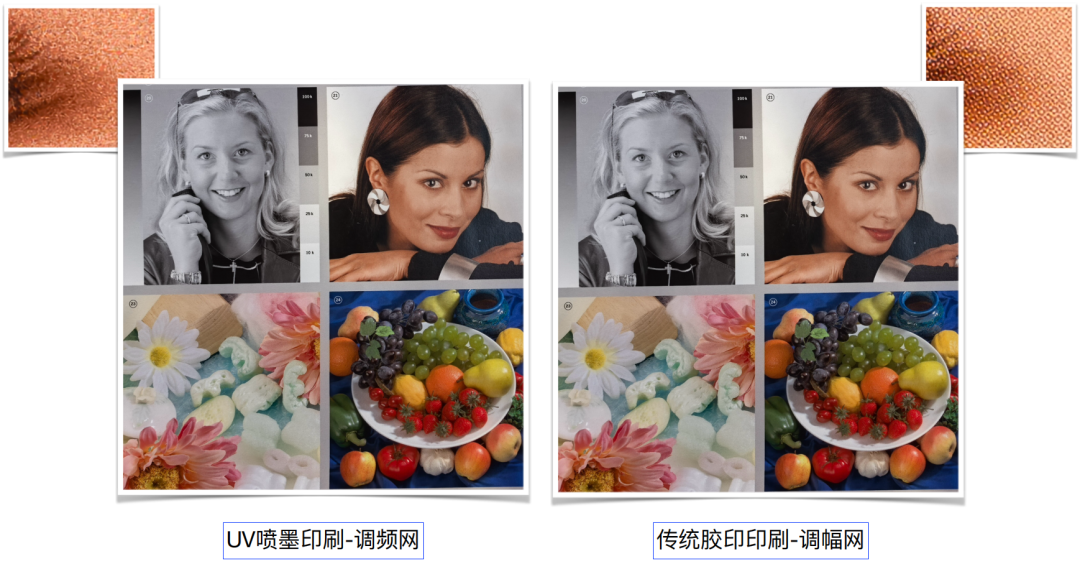 Figure 3 Label samples obtained at Konica Minolta's booth
At present, some digital printing suppliers are doing research and discussion on color management, such as Landa showed a comparison sample of nanoprinting and traditional offset printing at last year's exhibition, German color management giant GMG has shown digital inkjet printing, electronic ink printing and flexographic printing proofs after color management, and some software brands (such as Miaohua Software, Shengshi Technology, etc.) and printing colleges are carrying out courses and training in this area, aiming to improve the color management level of the entire industry.
Now whether it is a digital printing equipment supplier or a label printing factory that has been configured with digital printing equipment, it must carry out color management, only do a good job in color management, equipment manufacturers can do a good job in sales and service, and printing factories can use digital printing equipment well. Both suppliers and users should obtain certifications and establish standards for color management, such as G7 certification, C9 certification, or Fodra PSD certification. At present, some small and medium-sized enterprises in China that purchase digital printing equipment have a poor foundation and low level, which requires equipment suppliers to do a good job in service, especially technical support in color management, so as to achieve a win-win situation.
03
Speed upgrade: the advanced direction of digital printing
At the exhibition site, HP exhibited the HP Indigo 6K digital printing machine, a model for label printing, and publicly demonstrated the HP Indigo V12 digital printing machine at the Digital Innovation Center (GEC). Here we will focus on the HP Indigo V12 digital printing machine, which is one of the main models promoted by HP at present, and is a digital printing equipment that can replace the multi-color flexographic printing machine of the label printing factory, and the printing resolution has reached 1600dpi. The machine adopts the new LEPx platform technology, the maximum printing speed can reach 120m/min for 6-color printing, and up to 12 electronic ink color groups can be used for instant interchange (the equipment demonstrated on site is 6 color groups), which can maximize production efficiency and quality, and is a web digital printing equipment suitable for medium and long version orders.
Figure 4 is a label sample printed by the HP Indigo V12 digital printing machine, because of the use of 1600dpi, the comprehensive indexes of dots and lines density, shape, and color concentration have exceeded ordinary offset printing, achieving the printing effect of flexographic printing. Observe that the edges of "HP Indigo" do not have offset burrs and flexo white edge effects, and the enlarged dot shape and color saturation have reached or are close to the flexo printing effect.
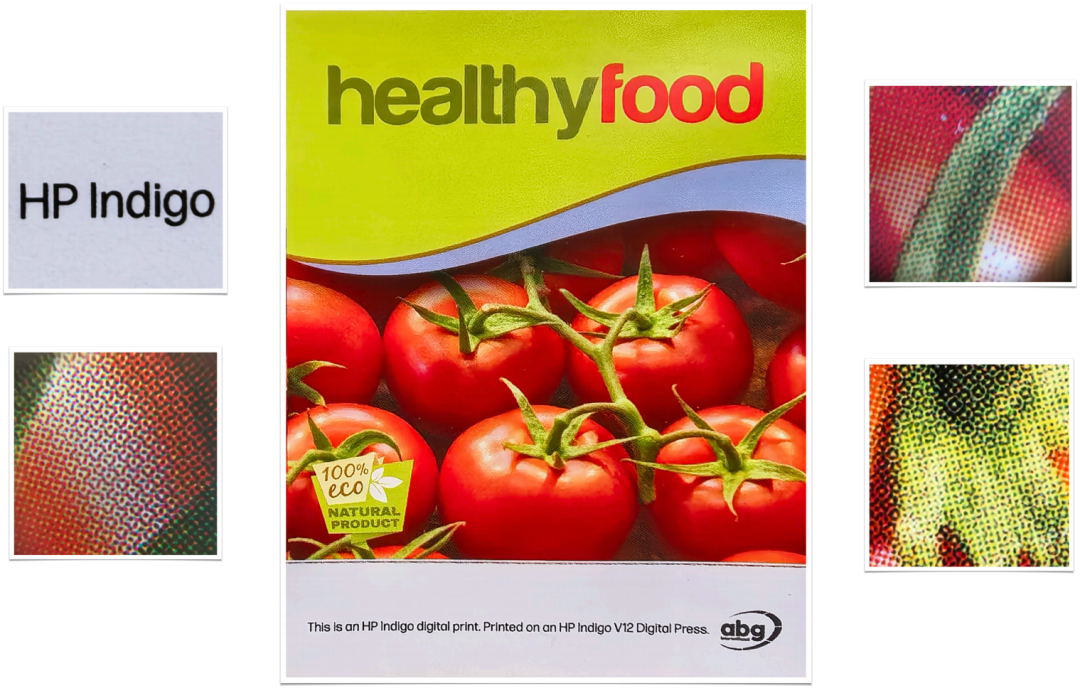
Figure 4: Label samples obtained at the HP booth
Combination Printing - Complementary Advantages, Promising Market Prospects
01
"Digital Printing + Flexographic Printing" Combination Printing
Figure 5 shows label samples obtained at the DCS booth during the exhibition. The samples were printed using the KJET combination printing press, produced in collaboration between DCS and Omet. DCS provided the inkjet unit, printing the color gradation parts, while flexographic printing and other parts were provided by Omet. The label design is rich and complex, using a wide-gamut seven-color printing process. It includes light-toned elements like the blue sky and white clouds, darker-toned mountains, and anthropomorphic animal faces, with clearly defined facial gradations.
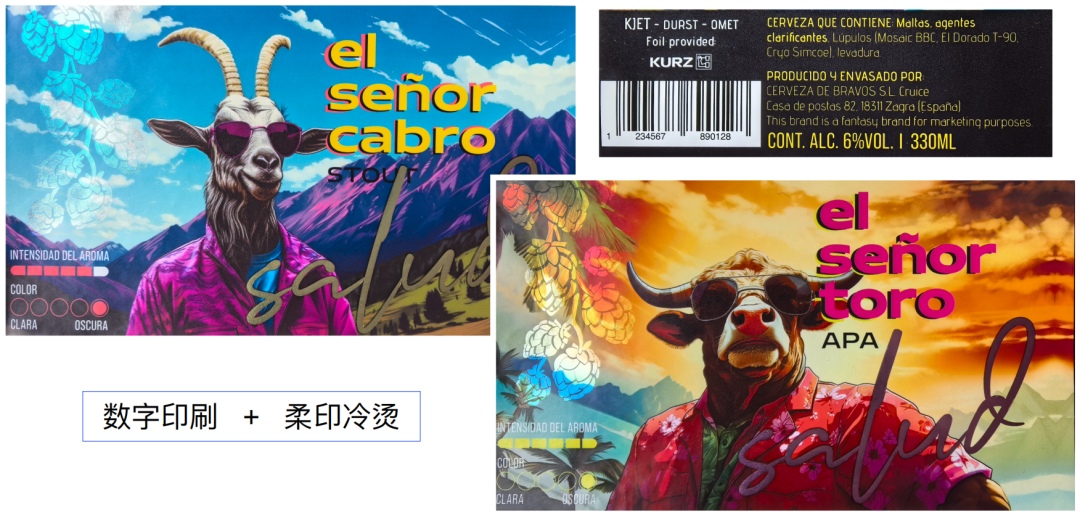 Figure 5: Label samples obtained at the Deshi booth
With such a complex layout, if traditional printing methods were used, there would certainly be quality defects such as misregistration, dot gain inconsistency, and pressure variations. Now, using frequency-modulated halftone inkjet printing, the graphics and text are clear with strong layering, and combined with flexographic cold stamping, the overall graphics become more three-dimensional. Because the image is composed of different depths and there is partial matte effect on the label, this set of labels greatly attracts visitors' attention.
This label uses white BOPP material, and the printing process is as follows: first, flexographic cold stamping is applied to create a partial metallic base text, then multi-color inkjet printing is used to form layered tonal graphics and text. At this point, the surface of the cold-stamped area forms colored metallic lines and text. Finally, a large area of UV matte coating is applied, resulting in a print that has both matte and metallic effects. This label is a perfect combination of raw material, original design, and printing process. We can see that the overall label is mainly produced by digital inkjet printing, supplemented by flexographic printing. Important tonal dot printing is completed by digital printing, while flexographic printing only handles non-critical parts. This is the feature of combined printing and the development trend for the future.
02
"Offset and Flexo" Combined Printing
Figure 6 shows a sample obtained at the Zhongjing Printing Machinery booth, displaying a multifunctional rotary printing press that combines offset and flexographic printing. From the picture, it is clear that whether printing self-adhesive labels, soft packaging bags, or folding cartons, the combined printing press can complete the job, and the print quality is excellent. Compared with traditional gravure printing, it has its own characteristics and can partially replace gravure presses for printing soft packaging products.
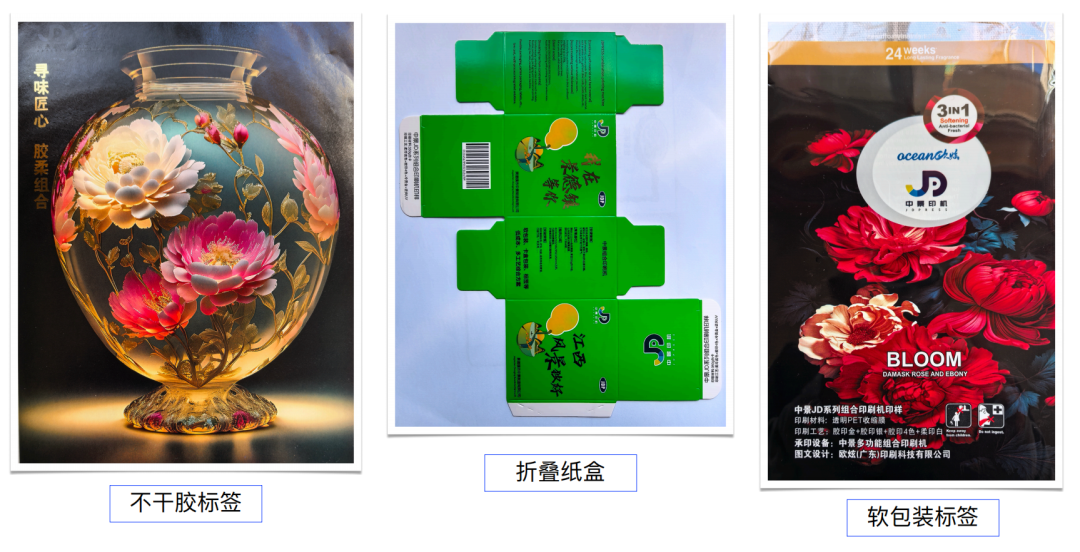
Figure 6: Label samples obtained at the mid-range printer booth
In addition, looking at the exhibits, one of the biggest changes among equipment exhibitors in recent years is that the printed demonstrations have evolved from single labels to a fusion of flexible packaging, paper packaging, and labels. This phenomenon indicates that a single product type can no longer meet the increasingly complex and diverse market demands. Consumer needs have changed, and the supply chain must also change; otherwise, it will be eliminated by the times. Therefore, today's equipment suppliers need to develop and produce multifunctional combined printing equipment, and printing factories, i.e., processors, must also be equipped with different printing devices and master the technologies and management methods for various labels and packaging types in order to adapt to these market developments.
03
"Gravure-Flexo" Combined Printing
At the exhibition, Huixue (HONTEC) showcased a "Gravure-Flexo" combined printing machine, demonstrating the printing of packaging boxes on-site. A large roll of whiteboard paper was processed into a semi-finished packaging box sheet, as shown in Figure 7. The entire process attracted great interest from visitors. The printing process was as follows: first, the surface of the whiteboard paper was primed with water-based silver ink using gravure printing; then, the seven flexo color units printed CMYK and spot colors on the metallic surface; finally, the materials were die-cut and embossed with two sets of rotary dies, completing the entire printing process.
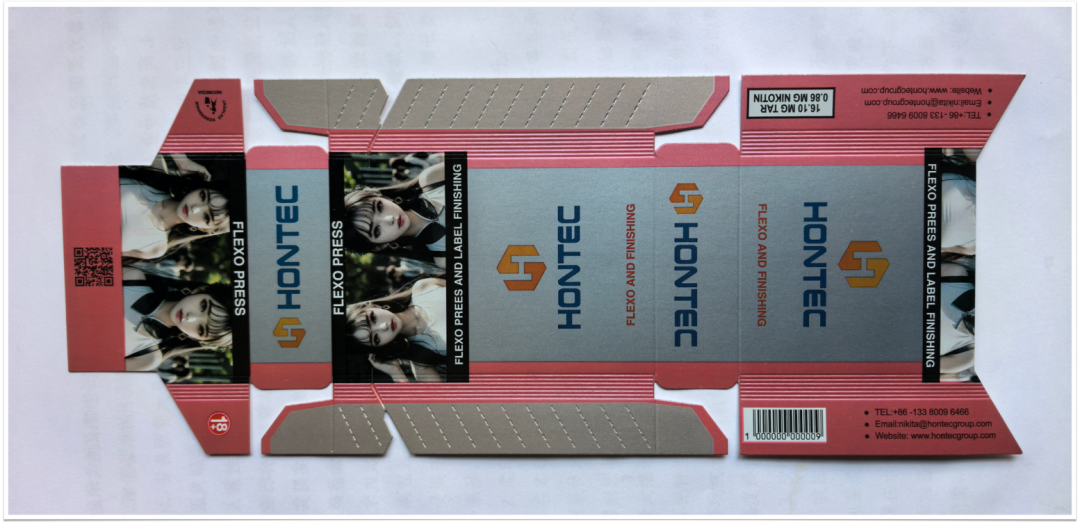
Figure 7 Paper box samples obtained at the Huiyue booth
There are two impressions from visiting the Huiyue booth: First, flexographic water-based ink is used on the combination printing press, with a speed of over 50 m/min, and the ink is domestically produced, provided by BIC Bruit; Second, paper packaging box products are printed on-site using the combination printing press, and the entire process is completed in one go. The gravure ink on this combination printing press is one of its advantages, providing hardware support for diversified printing. Whether printing paper boxes or flexible packaging, whether printing on the inner or outer side of transparent film materials, a large amount of gravure ink is required to lay the base and ensure print quality.