


Why is UV printing technology highly favored in the high-end market?
How much do you know about UV printing? Let me give you a quick introduction.
UV (UV is the English abbreviation for ultraviolet) printers are different from traditional printers because the former are printers that use UV ink, hence the name.
UV printers can print on any flat material and have a wide range of applications. Their working principle is that one print head is responsible for one color, and at least four basic colors C, K, M, and Y are required to print exquisite patterns. The number of print heads can be increased according to the gradient effect and color delicacy of the image to meet the requirements.
What is special about UV printing?
Before understanding the special UV process, we first need to talk about the materials used in this printing process, which are all transparent. For example: transparent acrylic, glass, ultra-clear stickers, etc. Below is a simple and easy-to-understand explanation of the uses and differences of color, color with white, and color with white and color.
01 Color
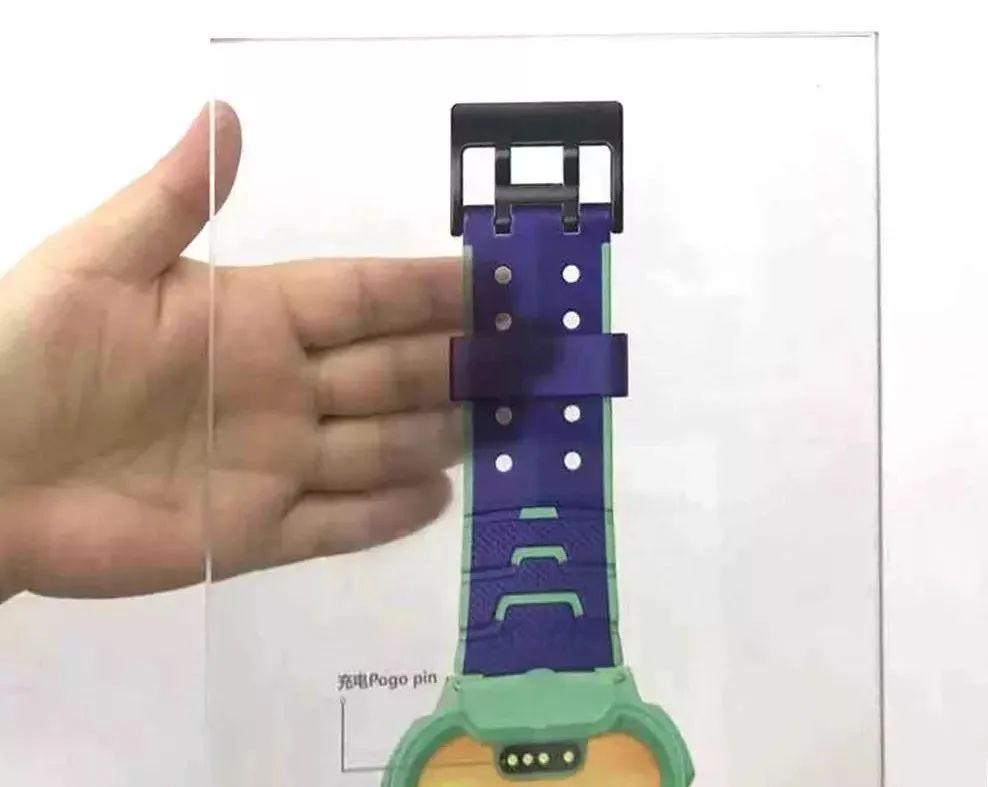
Color means printing a layer of color. The front and back colors are the same, giving a slightly transparent visual effect. You can see through the image, and it can be viewed from both sides.
02 Colored White
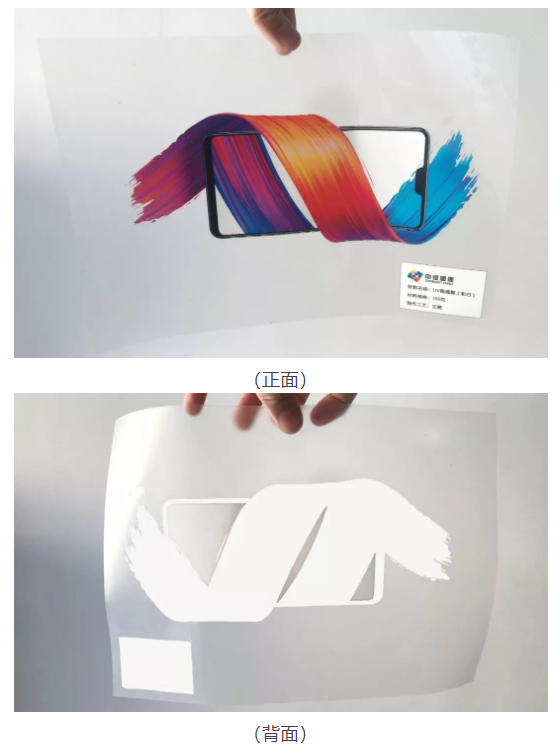
Colored white is first painted with a layer of color and then a layer of white. From the front, it appears colored, while from the back, it is a layer of white. When applied to glass, the color is opaque and has higher saturation. The transparency of the material does not make the color transparent, and it is mostly viewed from one side.
03 Colored-White-Colored
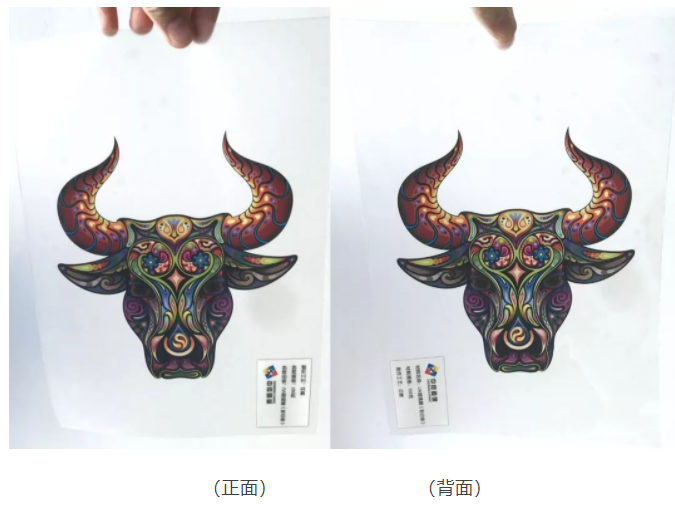
Colored-White-Colored involves first spraying a layer of color, then a layer of white, and finally another layer of color, forming three layers. When applied to glass or windows, it appears colorful whether viewed from the outside or the inside. Areas with images are opaque, making it more aesthetically pleasing than the first two methods and viewable from both sides.
This special process is mostly suitable for use in specialty stores, counters in malls, display cabinets, anti-collision wainscoting on doors, window displays, holiday atmosphere decorations, product promotions, etc., making it both practical and aesthetically pleasing. It is also commonly seen in schools, subways, airports, vehicles, and more. Due to the transparency of glass, UV ultra-clear stickers can be said to be the most suitable decorative material. Where there is no image, they are ultra-clear, with a transmittance rate of 99%, showing excellent decorative effects, and are favored by many high-end brands.
Differences Between UV Printing and Traditional Printing
From the development of traditional large-format printing, it can be seen that printing is now widely applied and in high demand. However, under traditional solvent and weak-solvent printing, UV printing technology is a more advanced printing technique. The personalized production model of UV printing has achieved unprecedented breakthroughs in the processing industry. It can accomplish higher-end printing applications, is compatible with more printing media, and thus applies to a wider range of fields.
Traditional large-format printing uses water-based or weak-solvent and solvent-based inks. After printing, the ink must wait to air-dry on the paper surface and is affected by different temperatures and humidity levels. Especially in humid environments, traditional large-format printing requires a longer time for the ink to dry, and sometimes needs oven drying equipment to cure the ink. In contrast, UV printing can quickly cure UV ink under synchronous UV ultraviolet light, drying instantly without waiting, allowing for rapid print output, saving time and improving efficiency. This feature greatly facilitates both sampling and production.
Ordinary weak-solvent large-format printers are limited by materials, and not all materials can be printed on. UV printing, however, is suitable for any material and has features such as high speed, high precision, stable performance, and environmental friendliness. The printed image has strong three-dimensionality and excellent color quality. Additionally, UV printing has greater advantages for outdoor use because the UV ink is ultraviolet-resistant and waterproof, allowing outdoor durability without fading for a long time. Therefore, it has been widely promoted and applied in the printing manufacturing industry. With technological improvements and innovations, UV printing will provide users with more and better experiences.