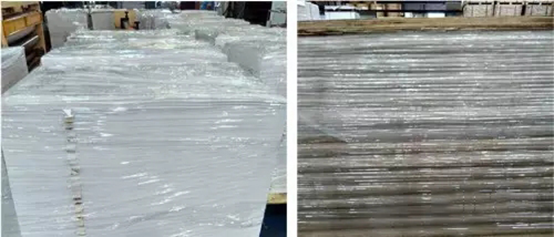
The Ultimate Paper Moisture-Proof Tips for Printing Companies During the Rainy Season – Super Practical!
As the rainy season approaches, with increased rainfall, the air humidity rises significantly. Paper, being directly exposed to the air, easily absorbs the moisture, which can lead to excessive water content and directly affect printing quality and physical properties. Today, I'm going to share with you some tips on how to properly keep your paper moisture-free.
Storage Methods
Paper generally has strong moisture-absorbing properties. Once it gets damp, it can deform, and in severe cases, develop mold spots. Therefore, the environment for storing paper must be clean, dry, and well-ventilated. Paper storage rooms should remain dry, and roofs must not leak. Windows should be small and high to avoid direct sunlight; otherwise, heating and excessive moisture evaporation may make white paper brittle, yellowed, and easy to tear; colored paper may fade and also deform due to curling.
When stacking paper, use support boards to elevate it about 25mm from the ground and avoid placing it too close to the walls.
01
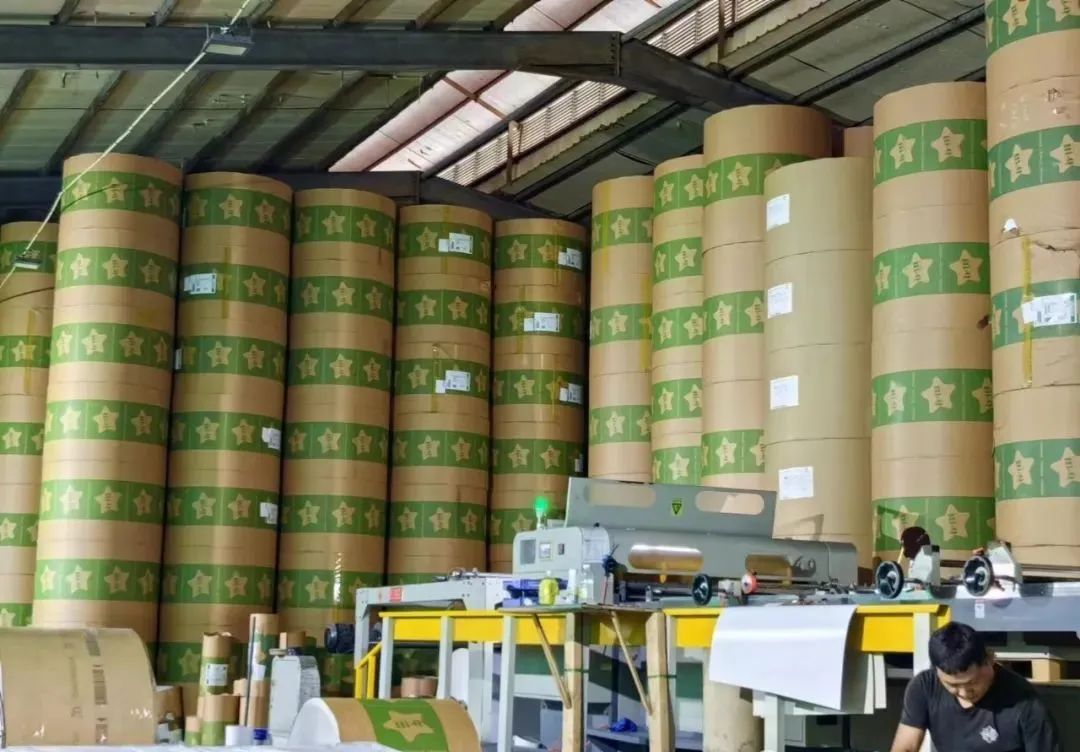
Keep Storage Rooms Dry and Control Humidity
If conditions allow, use a dehumidifier or small fans to improve air circulation. When necessary, you can also place some desiccants, which effectively prevent damage caused by humid air.
It's important to prohibit storing chemicals or items with high water or oil content in the paper storage room. Paper should not be stored with items that easily absorb moisture, as it can quickly lead to dampness and deterioration.
02
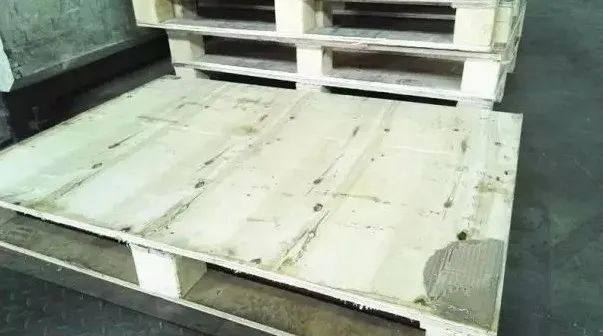
Regularly check the pallets to prevent direct contact with the ground paper
Regularly check if the bottom pallets are damaged to prevent paper products from directly touching the ground. The pallet height should be more than ten centimeters.
Choose solid flat pallets instead of slatted ones. This can greatly reduce the surface area of paper in direct contact with humid air, helping to keep it dry.
03
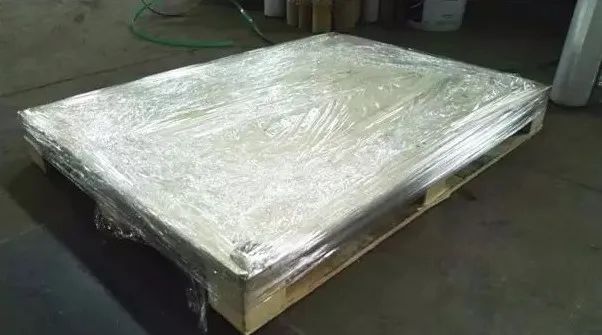
The wrapping should be tight and proper to reduce air exposure.
The wrap needs to be secure, not just a single layer for show. When wrapping, the pallets should be included as well. Whether the wrapping is done properly and tightly plays a crucial role in minimizing the contact between moisture and the paper.
If a full sheet of paper is unwrapped but not all used, it should be promptly tightly wrapped for storage to reduce its exposure to humid air.
04
Arrange the paper properly to speed up air circulation
When placing the paper, leave a good gap between the pallets to allow air to flow. On sunny days, you can open the windows to speed up indoor air
circulation and get rid of the moisture in the warehouse.In Use
With the rainy season approaching, paper can easily develop curled edges and other issues. Please pay attention to the following three points:
① After cutting the paper, pack it in time. Do not leave the paper exposed in a humid environment.
② Once the paper is unwrapped, any leftover sheets must be tightly wrapped in plastic film to prevent moisture from getting in.
③ During printing, paper is sometimes printed in batches. On rainy days, it's recommended to wrap unfinished paper in plastic film and cover it with wooden boards to prevent it from absorbing moisture from the air.
Storage Period
Generally, paper should not be stored for too long. Even under the best storage conditions, paper will discolor or deteriorate if kept for extended periods. For example, coated paper will yellow and lose its coating, newsprint will turn yellow and brittle, packaging paper will discolor and weaken, and kraft and corrugated board may mold or deteriorate. Therefore, it's important to follow the first-in, first-out principle when storing all types of paper to avoid losses from deterioration.
Storing paper is a detailed task. Unsuitable storage conditions, unscientific methods, lax management, and careless attitudes can all lead to significant losses. Regular inspections are necessary to prevent accidents and minimize paper damage. The key to moisture prevention is being proactive. As long as we implement preventive measures and follow procedures strictly, we can completely avoid issues of paper getting damp.