


"The production efficiency of 'Yuxi (Hard)' cigarette pack foil stamping has skyrocketed, and these secrets are hidden behind it!
Foil stamping is widely used in the packaging printing industry, but its application is even higher in some special printing areas, especially in cigarette packaging. Positional foil stamping technology has evolved from traditional non-equidistant stamping techniques. It uses cursor positioning scanning and stepper axis control to set the jump distance, allowing the electro-aluminum patterns to align precisely with the stamping plate, so that holographic electro-aluminum completes positional stamping under heat and pressure.
The position of the holographic positional stamping foil's cursor needs to be calculated based on multiple factors such as the layout of the printed piece, the number of impositions, and the number of stamping points. This ensures consistent step spacing and meets the stamping requirements perfectly."

Generally speaking, the flat-to-flat multi-point single-position hot stamping process requires the stamping points to be evenly spaced. If the spacing isn't even, the positioned stamping pattern can't be correctly aligned or it can lead to extra consumption of electroplated aluminum. Usually, this is solved by adding more stamping passes, splitting the stamping into two or more steps, but this inevitably increases production steps and costs, lowering overall production efficiency.
To boost stamping efficiency, printing companies often use a multi-layout simultaneous stamping approach for hot stamping at specific positions on cigarette packaging. This means stamping the same pattern on several packages at once, commonly called "multi-layout stamping." The four-layout strip box setup is shown in Figure 1. Multi-layout stamping can greatly improve efficiency as long as the pattern size and spacing are consistent, and it keeps stamping alignment stable. Also, with current technology, multi-layout stamping needs to align the anti-counterfeit electroplated patterns with the printed patterns on the packaging paper, usually done through optical mark detection.
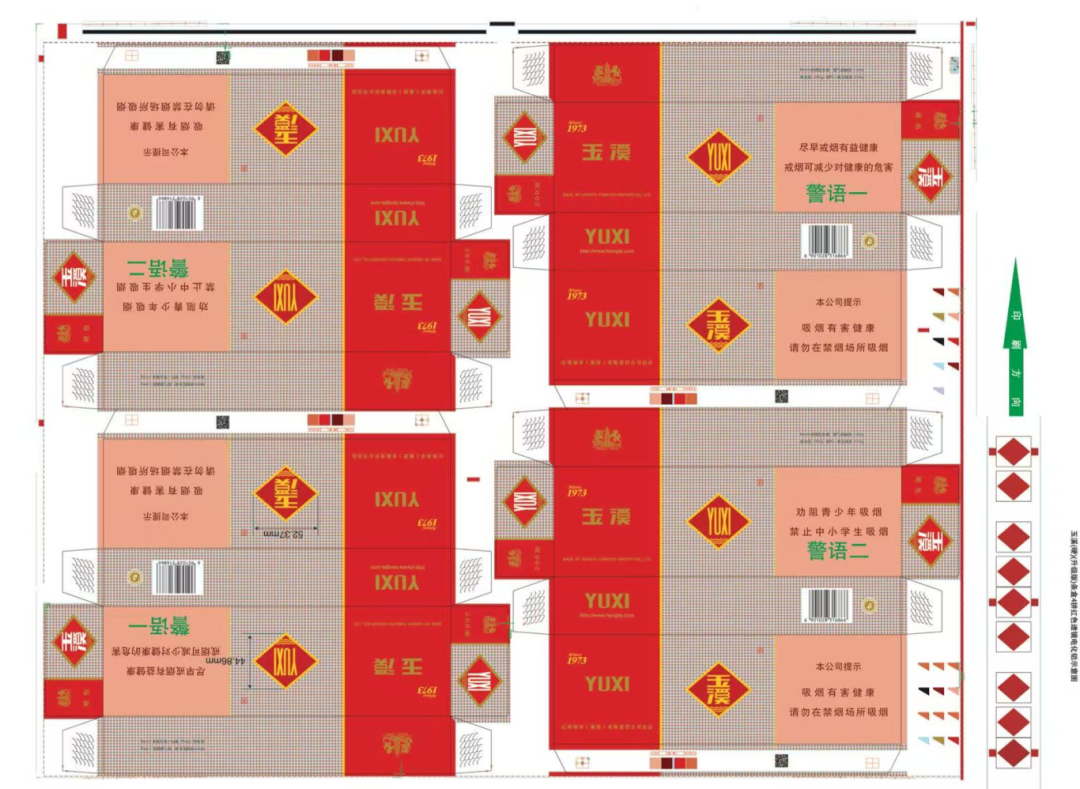 Figure 1 Four-Box Strip Printing Layout
Analysis of Registration Issues in Hot Stamping
When performing multi-up registration hot stamping for cigarette strip box packaging, suppose we need to stamp the same logo on both the front and back of each box. For an N-up stamping setup, 2N anti-counterfeit aluminum foil labels are required. If the spacing between each label on the same or adjacent boxes is consistent and the spacing on the aluminum foil is set as a fixed value, then sequential stamping can achieve continuous alignment. However, in actual production, the spacing between the two labels on the same box is consistent, but due to cut lines between adjacent boxes, the spacing between the second label on box 1 and the first label on box 2 is larger than the spacing between any two labels on a single box. In other words, the spacing between the 2N labels being stamped at the same time is inconsistent. If the spacing on the aluminum foil is still set as a fixed value, there will be problems aligning the subsequent stamped label patterns.
The traditional approach of "one label corresponds to one registration mark" requires extra steps to set up marks, increasing production costs. Also, this method requires checking a specific fixed mark every time registration is done, which increases usage costs. Furthermore, these registration methods can only detect alignment after stamping, meaning the stamped positions are scanned for deviation, and adjustments are only made if the deviation is too large, leading to significant lag. Although arranging the foil labels to exactly match the positions and spacing on the substrate makes alignment easier during stamping, this greatly complicates foil production; the wide spacing between antiforgery labels wastes aluminum foil, and the increased step distance during stamping tests both process stability and equipment lifespan.
To address these problems and meet the special requirement of stamping non-equally spaced patterns in one go during multi-up stamping, it is necessary to make targeted technical improvements to the arrangement, spacing, and registration marks of anti-counterfeit labels on the foil, so that multiple non-equidistant patterns can be stamped in a single positioning. Based on this, a technical solution enabling single-position stamping for multiple non-equidistant patterns was devised.
Determine the Number of Up Stamping and the Position and Spacing of Marks on the Substrate
Based on the longitudinal length of a single unit, determine the number of longitudinal units per stamping on a flatbed press, i.e., divide the length of the printing plate on the flatbed press by the longitudinal length of a single unit. The result gives the number of longitudinal units per stamping, which is the so-called "multi-up stamping" quantity.
Using the vertical spacing between single-unit stamped labels, measure the distance between each label's geometric center line. Each unit contains two or more stamped labels. The spacing between labels within one unit is marked as L1, and the spacing between the last label of unit 1 and the first label of unit 2 in adjacent units is marked as L2. Because of the die-cut areas between adjacent units, L2 is greater than L1 and remains constant.
The setup of the aluminum foil follows these three steps:
(1) Figure 2 shows a schematic of the aluminum foil layout; Figure 3 shows the separation of labels on a single-sided box and the aluminum foil; Figure 4 shows the overlay of the four-up box stamping pattern with the anti-counterfeit labels on the foil.
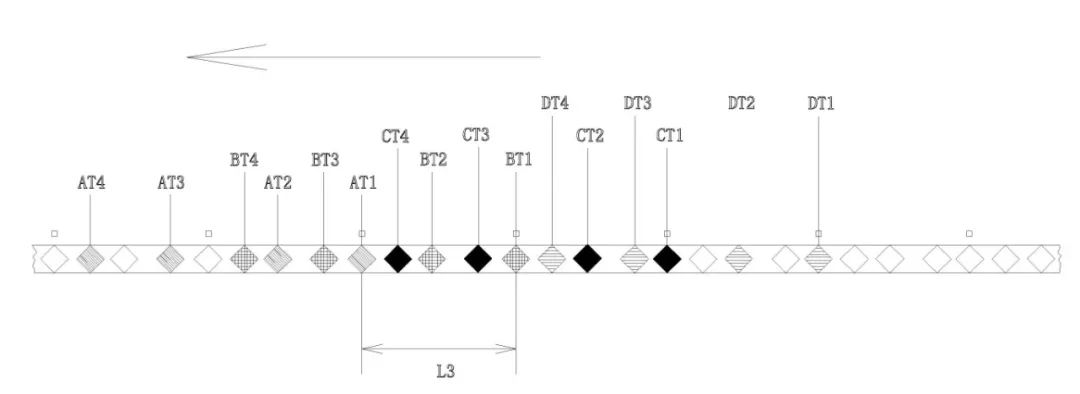
Figure 2 Schematic Diagram of the Distribution Structure of Electrolytic Aluminum
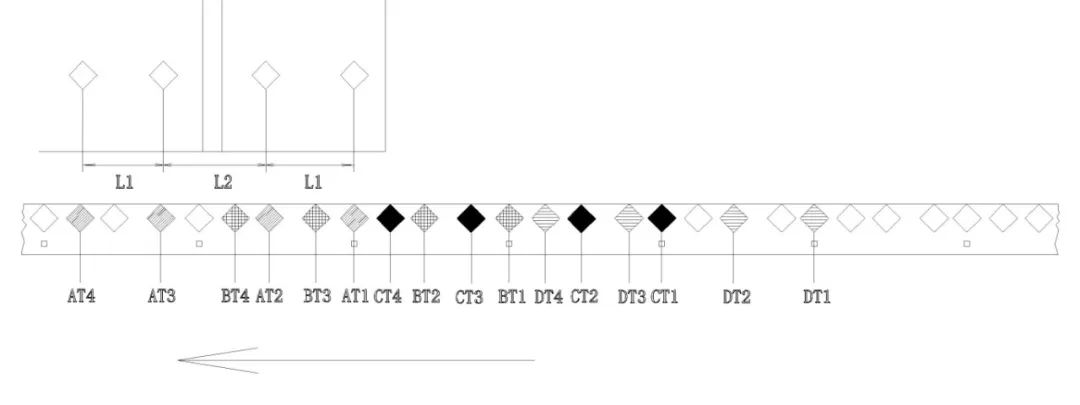
Figure 3 Diagram showing the separation of the single-strip box and the anti-counterfeit label on the anodized aluminum film
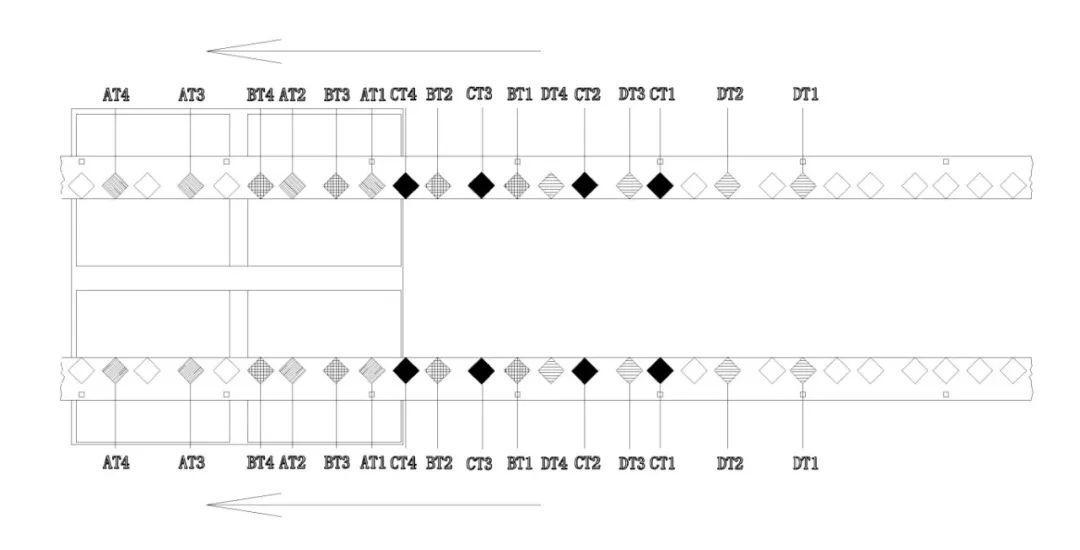 Figure 4 Schematic diagram of the alignment between four-up stamping patterns and metallized aluminum labels
(2) On the first substrate sheet, label the first stamping mark as AT1, the second as AT2, and so on, up to the Nth stamping mark, labeled ATN. On the second substrate sheet, label the first stamping mark as BT1, the second as BT2, and so on, up to BTN. Following this pattern, on the third substrate sheet, label the first stamping mark as CT1, the second as CT2, and up to CTN; on the fourth substrate sheet, label the first as DT1, the second as DT2, and up to DTN, repeating this way.
(3) The specific positioning is as follows: first, determine the first positioning cursor to be scanned on the metallized aluminum film for stamping, and set the anti-counterfeiting stamping mark AT1 at the corresponding location. Then set AT2 at interval L1, AT3 at interval L2, and AT4 at interval L1. The first stamping based on the first positioning cursor can complete stamping on even-numbered substrate sheets. Following the same pattern used for setting anti-counterfeiting marks during the first stamping, continue to set the second stamping anti-counterfeiting cursors BT1, BT2, BT3, BT4, and so on.
During work, the first stamping scans the first positioning cursor, and according to the set fixed spacing, stamps AT1, AT2 up to ATN and 2N anti-counterfeiting marks onto the first and second substrate sheets. Then, the metallized aluminum film moves forward a specific distance L3, bringing the second positioning cursor to the position of the 'first positioning cursor,' i.e., the starting stamping point. Following the same fixed spacing, the subsequent anti-counterfeiting marks are stamped on the third and fourth substrate sheets. This process allows for uniform, continuous skipping and stamping.
One-time stamping of multi-point non-uniform patterns
Design and production of the positioning stamping foil
On each substrate sheet, set the spacing between the first and second stamping marks of the first unit to L1 = 135.9 mm, and the spacing between the second stamping mark of the first unit and the first stamping mark of the second unit to L2 = 159 mm. Confirm that the layout is a 'four-up stamping.'
As shown in Figures 2, 3, and 4, the first stamping based on scanning the first positioning cursor can complete stamping on two sheets in the vertical direction, covering all four substrate sheets. The second stamping scans the second positioning cursor, placed L3 = 240 mm away from the first positioning cursor. During this process, the uniform and stable skipping and stamping ensures that, except for the first, third, and fifth anti-counterfeiting marks missed at the start, all subsequent marks are stamped in proper intervals. This greatly reduces metallized aluminum film waste. A schematic of the metallized aluminum is shown in Figure 5.
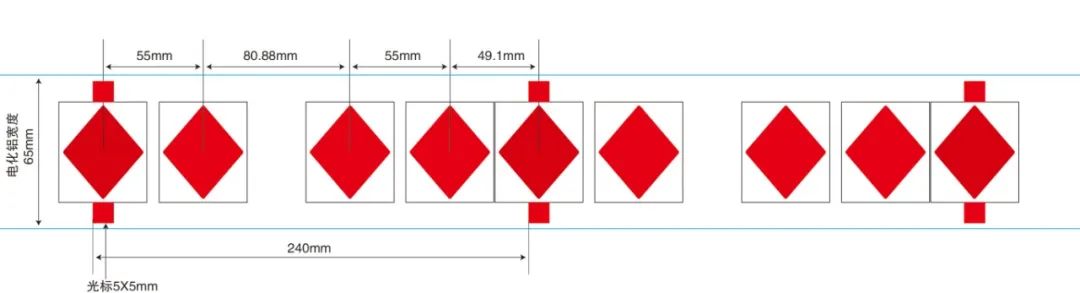 Figure 5: Schematic of the "Yuxi (Hard)" upgraded strip box 4-piece red lens aluminum stamping version
Application Example
As shown in Figures 2, 3, and 4, taking the upgraded "Yuxi (Hard)" 4-piece strip box as an example, a single packaged strip box is rectangular and, after folding, becomes a rectangular cuboid box. During production, it's necessary to stamp laser anti-counterfeit marks AT1 and AT2 on the front and back logo positions of the folded box. That is, the stamping is done on the flat rectangular paper sheet before folding. The corresponding regular aluminum foil has anti-counterfeit marks arranged at equal distances. If the distance between these two stamping positions on the box is fixed, multiple anti-counterfeit marks can be arranged at equal distances on the foil within this fixed distance, so that during stamping, each mark on the foil can be stamped precisely onto the box positions. This enables high-speed stamping while minimizing aluminum foil waste.
However, due to production requirements, this packaging box is printed on rolled cardboard using gravure printing, then cut into sheets for flat stamping, embossing, and die-cutting. Therefore, the layout needs reserved areas for cutting, which makes the distance L2 between adjacent anti-counterfeit marks AT1 and AT2 on two connected boxes larger than the distance L1 between two stamping points on the same box. This prevents the foil's anti-counterfeit marks from being evenly spaced. Whether using continuous stamping or single-point stamping according to the box positions, a lot of foil is wasted, and retrofitting the entire production equipment would be too costly.
To solve this, the product uses a multi-point, non-equidistant pattern one-time positioning stamping technique. This involves redesigning the box layout, positioning markers and anti-counterfeit marks on the foil, and the foil step distances. The schematic of the foil step is shown in Figure 6. Bulk production tests verified that this technique minimally changes the original production process, achieves one-time stamping of multi-piece, multi-point, non-equidistant patterns with minimal foil waste, ensures accurate holographic positioning, maintains production continuity, and improves efficiency.
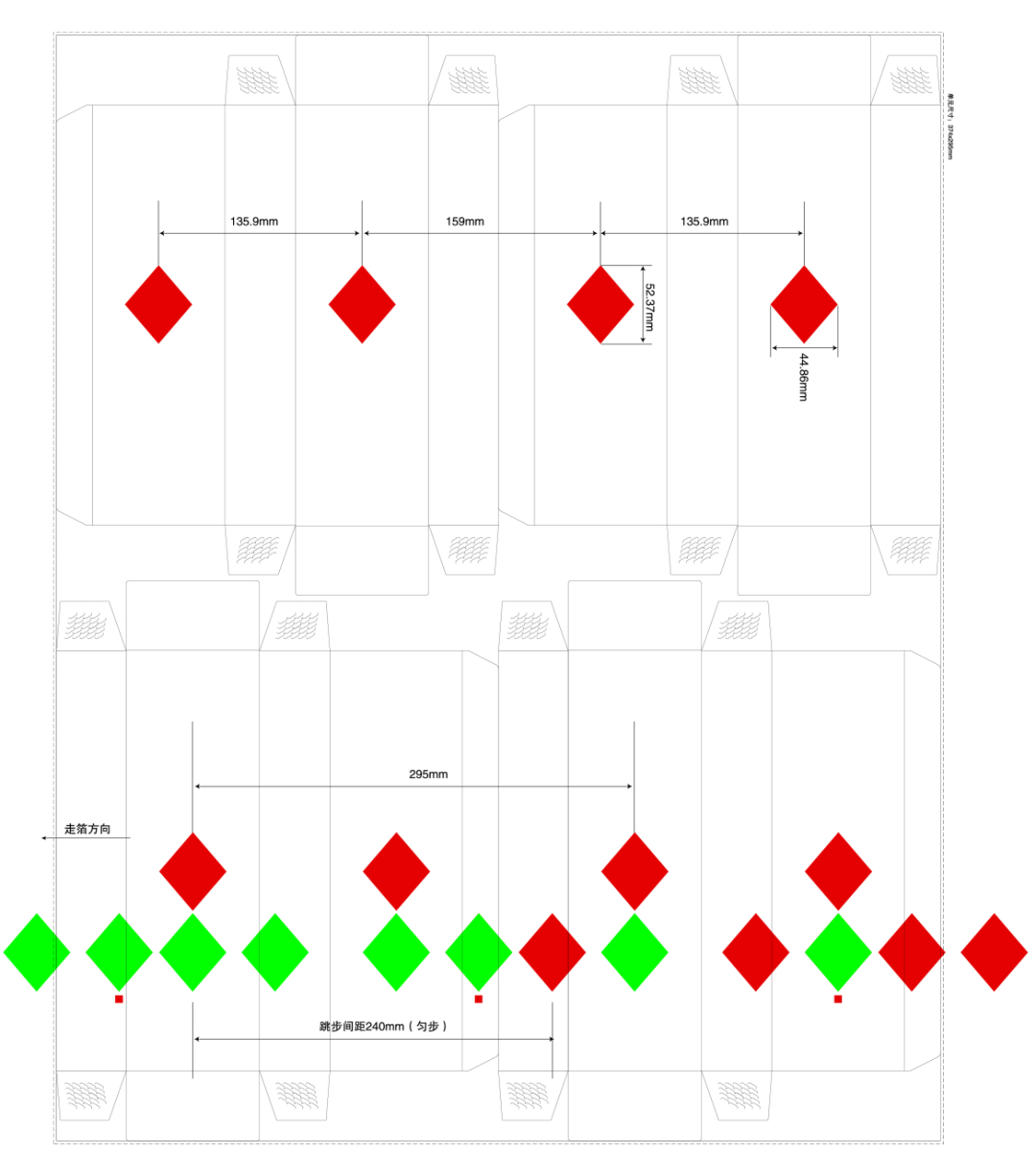
Figure 6 Schematic of Electrolytic Aluminum Separation
In summary, by calculating and studying the cursor spacing for flat-press, multi-point, non-equidistant one-time positioning foil stamping of aluminum foil, the correct cursor spacing and arrangement method were identified. A special plate for positioning foil stamping was made, and tests were conducted on the flat-press stamping equipment. Corresponding control techniques, parameters, and methods were determined. Tests showed that flat-press, multi-point, non-equidistant one-time positioning stamping achieved accurate pattern alignment with a deviation of ≤0.2mm, and there were no sand holes, bubbles, or plate sticking issues during stamping.
This method effectively solves the technical problem of flat-press, multi-point, non-equidistant one-time positioning foil stamping. It enables mass production of multi-point, non-equidistant one-time positioning stamping (red cat-eye positioned electrolytic aluminum) for the upgraded "Yuxi (Hard)" version 4-pack normal layout. Compared with the two-time positioning stamping process, production efficiency has nearly doubled.