


The Mystery of the Decline in Plate Printability
As is well known, the main factors affecting the print durability of printing plates include: excessive pressure from the ink-water roller on the printing plate, excessive packing of the blanket, excessive addition of fountain solution, worn or jumping machine cylinder bearings, uneven photosensitive coating on the plates, and excessive paper dust accumulated on the blanket, among others. The situation we encountered this time is rather special, and the details are as follows.
In late December last year, during the peak of book production, the company's two 4787 eight-color web offset printing machines were running around the clock. However, the operators generally reported that the paper quality was not very good, with excessive paper dust on the blanket. When touched by hand, it seemed like a layer of sand (which was actually coarser fibers from the pulp), causing severe wear on the printing plates and low print durability. Usually, after printing around 40,000 to 50,000 impressions, the plates needed to be replaced, especially in the lower unit, where plate replacement frequency was even higher. As a result, the daily output of the machines never increased, seriously affecting the production schedule. Since it takes time to rotate the paper supply, everyone had no choice but to grit their teeth and use up this batch of paper first.
Five days later, we switched to a high-quality domestic brand of paper, but the situation still did not improve significantly. How strange! The quality of the paper is now 100% fine, so why does the print durability of the plate still not improve? Could it be a problem with the operator's performance?
With these questions in mind, we successively checked the fountain solution ratio, the pressure of the ink-water rollers on the plate, the blanket packing, and so on, and found no problems. The operators also assured us that all adjustment parameters were the same as in the last quarter and could not have been changed arbitrarily. After thinking it over, we compared the old plates replaced from the previous batch with the current old plates and found that the wear on the plate surfaces was similar, showing shallow vertical scratches. Obviously, the plate wear phenomenon still existed. After ruling out factors such as paper and machine adjustments, the only component closely contacting the plate was the plate-contact roller. We initially determined that the coarse fibers from the previous batch of paper had been continuously transferred onto the plates and rubber rollers through the blanket. After millions of rolls and compressions, they had firmly embedded into the surface of the rubber rollers, as shown in Figure 1.
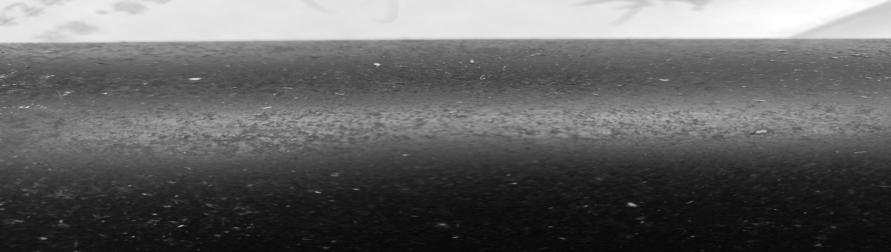
Figure 1 Rubber roller surface pressing in coarse fiber sand particles
Due to limited time, we first conducted experiments on the lower group of the first color set, replacing two rollers adjacent to the plate and wiping the other rubber rollers clean one by one, then starting the press for printing. After half a day of testing, the plate's printing durability returned to normal. Then, the rollers adjacent to the plate in the remaining groups were replaced one by one. At this point, the problem of plate wear caused by coarse fibers in the paper was finally resolved.