


A combo move to solve the problem of cleaning gravure rollers
Common professional cleaners on the market often skip some strong alkaline or strong solvent ingredients to be more eco-friendly, low-odor, and protective of rubber. In production, gravure roller clogs are usually caused by a mix of calcium crystals, dried water-oil residues, and inorganic salt deposits, making them really tough to clean.
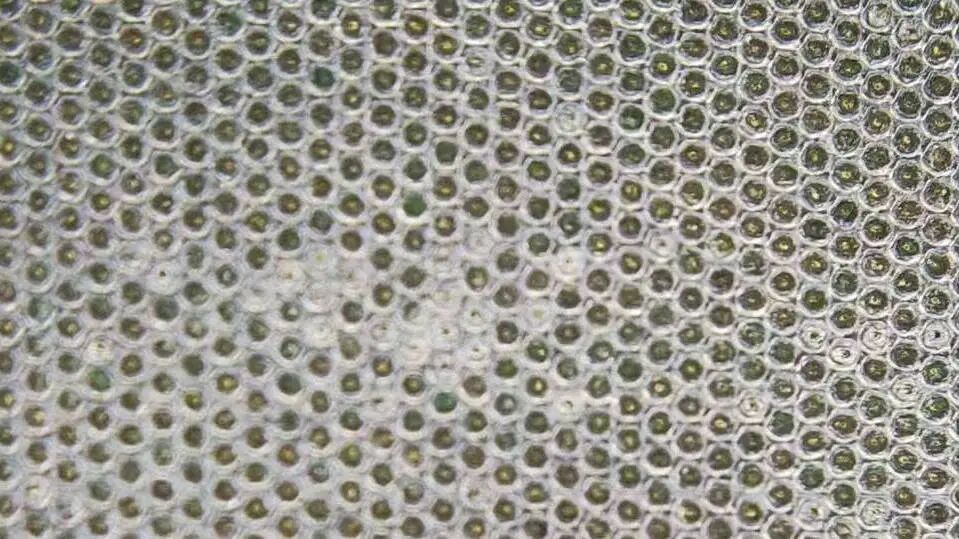
Water and oil mesh roller before cleaning
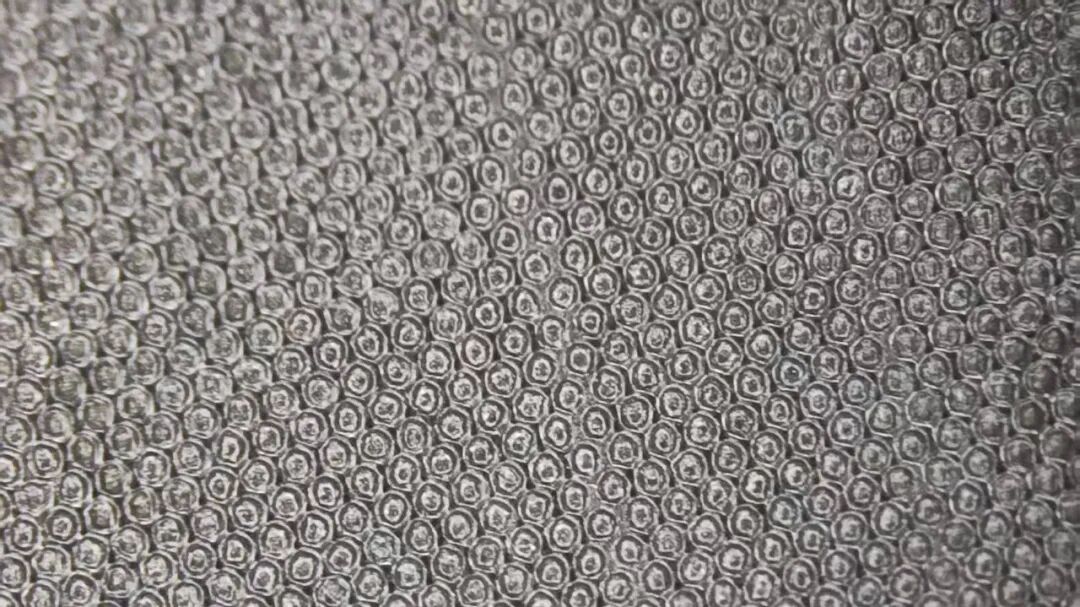 Cleaned Water-Oil Roller
Based on chemical mechanisms, a low-cost combination of "car wash water + laundry detergent + nylon brush" can be used to solve the cleaning problem of water-oil rollers.
Working Principle
01/ Laundry Detergent (Key Ingredients: Sodium Carbonate/Phosphate)
Laundry detergent is highly alkaline. According to industrial cleaning principles, alkaline agents (like sodium carbonate) can effectively hydrolyze grease, especially for stubborn dirt that has built up over time; their penetration and emulsifying abilities are far superior to ordinary neutral cleaners.
Additionally, the filler salts in the detergent increase friction and dispersion, helping to dislodge dirt deep in the roller's mesh grooves.
02/ Car Wash Water/Cleaning Solution (Organic Solvent)
Car wash water usually contains strong organic solvents that can soften hardened resin and incompletely cured water-oil substances.
03/ Nylon Brush (Physical Scrubbing)
Combined with chemical agents, physical brushing is key to unclogging the mesh. Note that nylon brushes are not very effective; copper brushes can be used (with light force), but for high-precision ceramic mesh rollers, there is still a risk of scratching.
"Restricted Areas"
Although this method works well, when cleaning Heidelberg printing equipment, which is precision machinery, the following precautions must be observed:
01/ Do Not Use Ethanol
Never use ethanol or organic solvents to clean precision parts like the charging roller, and avoid mixing ethanol when cleaning water-oil rollers. Ethanol evaporates quickly, can age and crack rubber, and is flammable.
02/ Prevent Rubber Corrosion
Strong alkaline components in laundry detergent (like potassium or sodium hydroxide) left on the surface can corrode the roller, reduce oil affinity, and even cause crystallization, negatively affecting subsequent water-oil uniformity.
03/ Prevent Metal Corrosion
If the strong alkaline solution isn't thoroughly rinsed off, it can corrode metal rollers or bearings.
Method Optimization Suggestions
To ensure cleaning effectiveness while extending equipment life, make the following adjustments:
01/ Use Soaking Method for "Car Wash Water + Laundry Detergent"
Dissolve laundry detergent in warm water and add a small amount of car wash water. Avoid brushing with detergent directly on the roller, as the concentration is too high and can damage the rubber surface.
02/ Neutralize and Rinse After Brushing
After brushing, rinse thoroughly with plenty of clean water until there is no slippery feel or foam.
03/ Optional Acid Neutralization
If there's concern about residual alkalinity, you can quickly wipe the roller surface with very dilute vinegar (acidic) to neutralize leftover alkaline solution, then rinse with clean water to prevent stickiness or crystallization.
04/ Proper Use of Copper Brushes
Confirm the mesh roller material-whether it's chrome-plated or ceramic. For ceramic rollers, never use metal brushes (including copper); use only a nylon brush. Copper brushes may be used on other types, but apply light force to avoid scratches.
Essentially, this formula relies on the combined action of "strong alkali (laundry detergent) + solvent (car wash water) + physical friction (nylon brush)" to tackle stubborn dirt.