


Have you seen a revolutionary anti-counterfeiting and traceability solution based on PUF?
Currently, existing anti-counterfeiting technologies on the market, such as laser anti-counterfeiting, digital anti-counterfeiting, and QR code anti-counterfeiting, all have the potential to be easily counterfeited and cannot completely solve security issues.
The editor has discovered that there has long been a hardware security technology in the market, which, due to its uniqueness, anti-cloning properties, and tamper-resistance, has been proven to be one of the most effective anti-counterfeiting strategies. This technology is the Physical Unclonable Function (PUF). When applied to anti-counterfeiting labels, it is an effective technical means to address counterfeiting problems.
Application of PUF in the Anti-Counterfeiting Field
What is a Physical Unclonable Function (hereinafter referred to as "PUF")?
PUF refers to a technology that uses the inherent physical structure of a material to uniquely identify it. Any input stimulus will produce a unique and unpredictable response. In recent years, it has developed into a highly reliable authentication and anti-counterfeiting system.
PUF-based anti-counterfeiting labels are random patterns created through a certain random process. These labels are easy to manufacture but impossible to replicate, easy to recognize but hard to predict, achieving a high level of security in anti-counterfeiting. Since the concept of PUF was proposed, it has received widespread attention and has become a new tool frequently applied in the field of radio-frequency identification (RFID) in recent years.
PUF-based RFID chip anti-counterfeiting technology has a high cost of replication and is a good anti-counterfeiting solution. However, according to the editor's observations, market feedback indicates that RFID electronic tags are much more expensive than ordinary labels-dozens of times higher-and are also prone to illegal reading and malicious tampering, requiring specialized equipment for verification. This to some extent reduces the market's enthusiasm for using RFID technology. Therefore, the anti-counterfeiting industry urgently needs a technology that is inherent in the material itself, unclonable, low-cost, and easy to recognize.
Paper Texture Technology: A New Unreplicable Anti-Counterfeiting Technology
In recent years, new anti-counterfeiting technologies have continuously emerged, and anti-counterfeiting products have been iteratively upgrading. However, while various anti-counterfeiting manufacturers are pondering how to improve through printing, materials, and processes, one particular technology can already identify the "DNA" of each sheet of paper to authenticate it. This technology is paper texture technology.
"Paper texture" refers to the unique distribution of natural fibers in the paper, which is the unique physical characteristic of each sheet. It possesses innate, unreplicable, and one-of-a-kind features, highly compatible with the basic characteristics of PUF technology. It is an excellent anti-counterfeiting and traceability medium that allows counterfeiters to understand its principle but prevents them from replicating it.
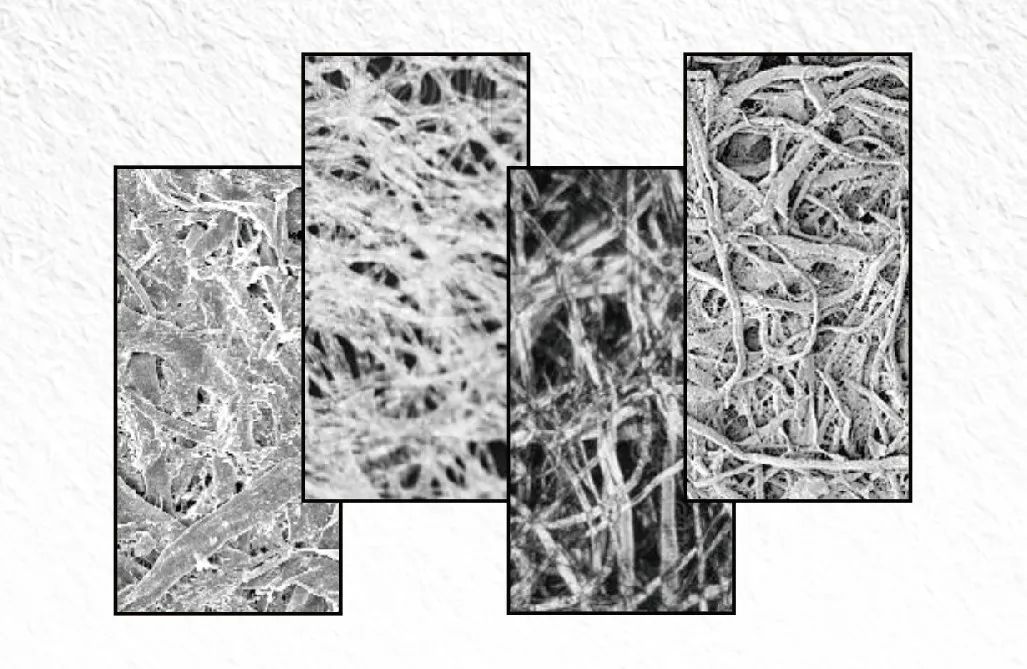
Common anti-counterfeiting methods on the market, such as QR code anti-counterfeiting, laser anti-counterfeiting, security thread watermark paper, and digital anti-counterfeiting, all require manually printing patterns or materials. However, paper texture technology utilizes the natural characteristics inherent in paper, which can fundamentally combat counterfeiters. At the same time, since paper texture has the characteristics of being a "natural product" with "zero additional cost," merchants do not need any extra processes or costs to create or enhance the "paper texture." Therefore, the cost for merchants to use paper texture technology is almost negligible.
This technology is based on PUF (Physical Unclonable Function), and by digitizing the anti-counterfeiting features of the paper texture, it compares the paper texture information of the paper to be verified with the stored original paper texture information, thereby determining the authenticity of the paper. When combined with Internet of Things technology, it achieves truly meaningful anti-counterfeiting traceability.

Due to the disruptive innovation of paper texture technology, it has been recognized by the market as an 'unreplicable new anti-counterfeiting technology.' According to the editor's understanding, this technology is currently applied in areas such as product anti-counterfeiting traceability, financial document anti-counterfeiting, contract seal anti-counterfeiting, and anti-counterfeiting of paper collectibles. Industry professionals may want to pay attention to this rising star in anti-counterfeiting technology.
Paper Texture Traceability: A Revolutionary Anti-Counterfeiting Traceability Solution
Anti-counterfeiting labels are an important means to combat and prevent counterfeit products. However, these anti-counterfeiting marks, which companies rely on to protect their brands, have also become a 'hot spot' for counterfeiting and fraud.
According to the editor's investigation, seemingly 'high-tech' anti-counterfeiting labels can easily be purchased online, and the scanning results of QR code anti-counterfeiting measures can be modified at will; some counterfeit products, when equipped with an anti-counterfeiting label, even appear to be 'genuine.' Meanwhile, most consumers do not have the 'eye of discerning truth' to identify genuine products, and they originally believed that anti-counterfeiting labels could be used to separate genuine from fake. Unexpectedly, the labels themselves are difficult to distinguish in terms of authenticity. Such unprotected anti-counterfeiting labels leave both manufacturers and consumers in a difficult position.
Against this background, the paper texture technology research team has recently developed an innovative anti-counterfeiting traceability solution-paper texture traceability. This solution is applied to brand protection and is a unique, unreplicable, stable, and low-cost anti-counterfeiting traceability solution.
'Paper Texture Traceability' is based on PUF technology, with paper texture feature recognition as the core, combined with IoT technology. It intelligently digitizes, extracts, and recognizes the paper texture features on product labels, ensuring that each label's digital paper texture verification information is uniquely bound to the physical product. It establishes a paper texture anti-counterfeiting traceability management system, allowing brand owners, distributors, and consumers to accurately perform anti-counterfeiting traceability for each product.
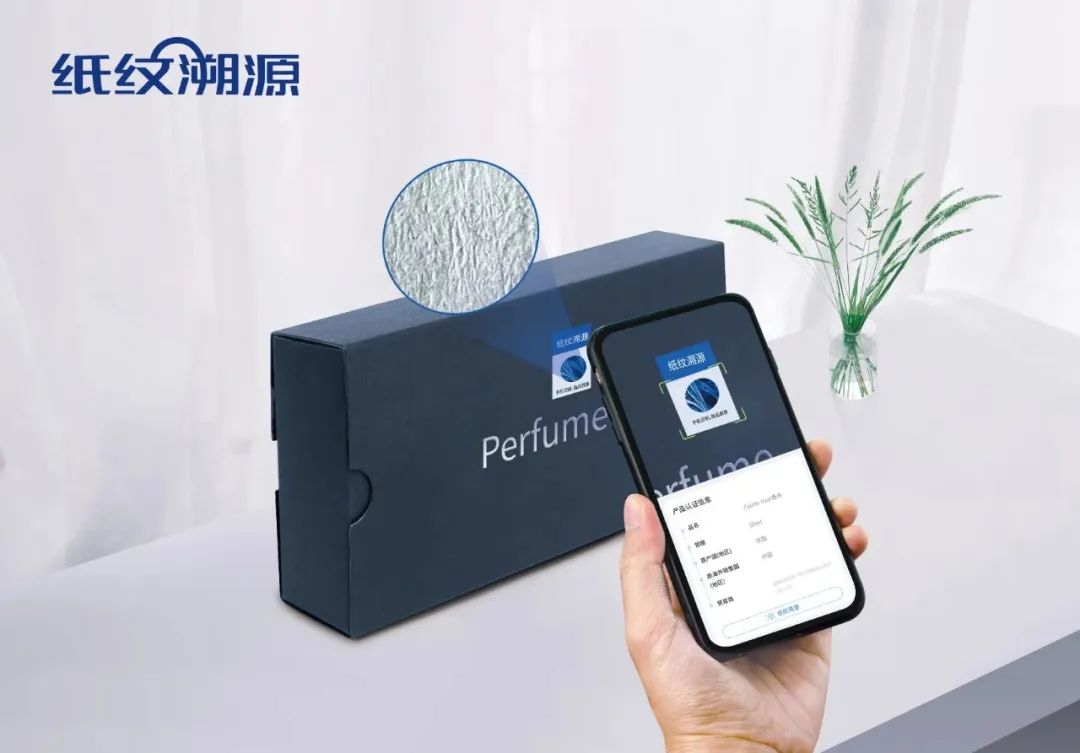
Unlike traditional RFID electronic tags and QR code tagging solutions, Paper Grain Traceability is a revolutionary anti-counterfeiting and traceability system based on PUF IoT financial-grade security technology, achieving non-replicability and intelligent authentication. This solution does not require any dedicated identification equipment; a smartphone alone can instantly distinguish authenticity, leaving counterfeit goods with nowhere to hide.
It is reported that this anti-counterfeiting traceability solution will make its debut at the 29th China International Packaging Industry Exhibition in 2023. Everyone can look forward to seeing how much of a stir 'Paper Grain Traceability', entering the market verification period, can make in the market.