


Embossed paper label printing, is nanoprinting technology feasible?
Nanography technology is an innovative printing method that uses the principle of inkjet printing to transfer nano-ink onto a substrate after drying and forming a film on a conveyor belt. This printing method can make the ink layer on the printed material smooth and brightly colored, and is basically not affected by the surface roughness of the raw materials (see Figure 1).
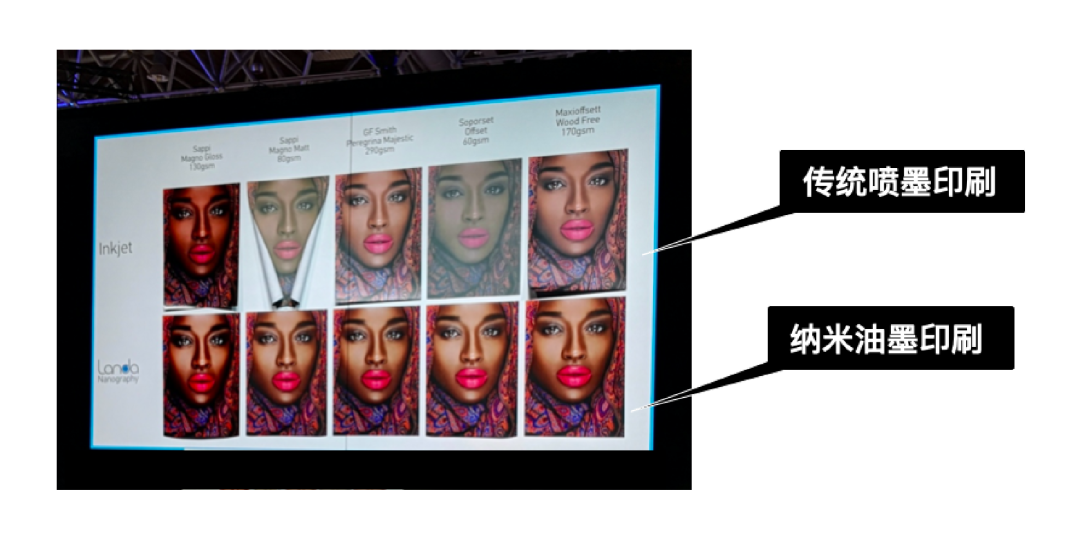
Figure 1 Comparison of printing effects of traditional inkjet printing and nano-ink printing on different types of substrate materials
Embossed paper is one of the commonly used materials in the label printing industry, especially in the field of wine, where a large portion of wine labels are printed on embossed paper (see Figure 2). Embossed paper uses its unique decorative, physical, optical, and functional effects to give wine labels extremely high shelf appeal and visual attractiveness. Therefore, printing wine labels on embossed paper requires certain process considerations, meaning the original appearance of the material must not be affected. For example, pre-coating processes commonly used for traditional self-adhesive materials and large-area post-print varnishing are not allowed, as they would damage the structure of the material and affect the overall visual effect of the label.
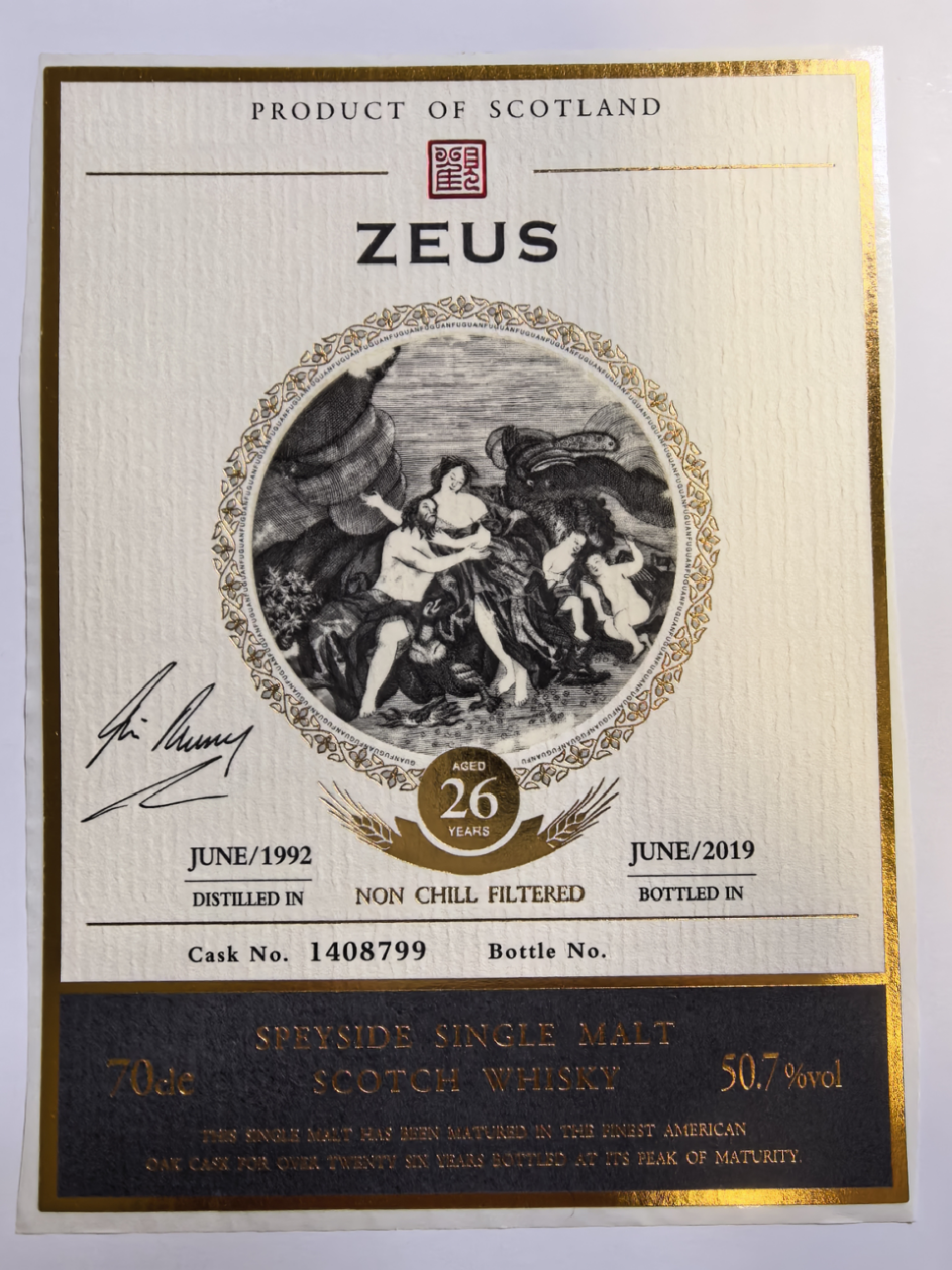
Figure 2 Embossed paper wine labels printed using traditional offset printing and hot stamping gold process
Currently, embossed paper wine label printing is mainly based on rubber blanket transfer printing, including traditional water-based offset printing, waterless offset printing, and electronic ink printing in digital printing. In addition, the proportion of digital inkjet printing is also increasing year by year, because inkjet printing is contactless and pressure-free, making it very suitable for printing on embossed paper materials (which will not be discussed in detail here). Why is rubber blanket transfer printing more suitable for embossed paper materials? This is because the rubber blanket is soft and elastic, and uncured ink or ink after heating can easily be transferred to various parts of the embossed paper under pressure to form images or text.
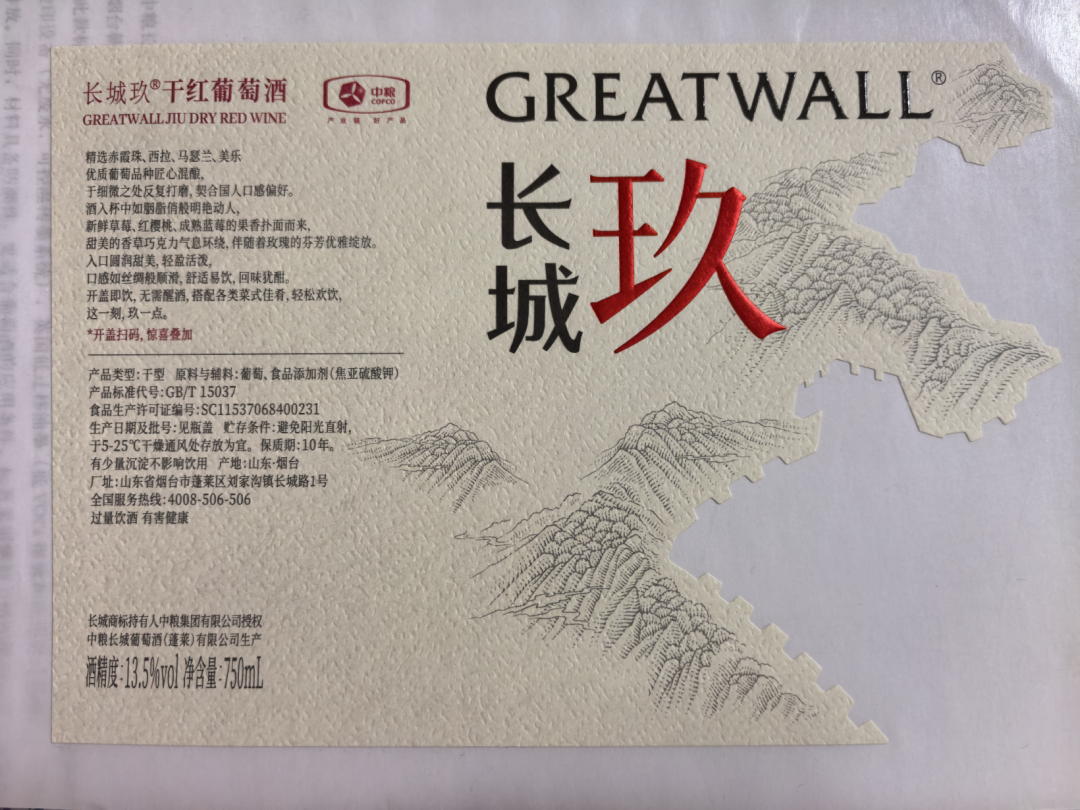
Figure 3 Wine label on embossed paper printed using anhydrous offset printing with spot hot stamping
Nanoprinting technology is also a printing method where ink is transferred via a blanket, with the difference being that after the ink dries, it is transferred to the substrate. Here, there are some questions: When using this printing method on embossed paper, can the surface of the ink be smooth? After drying and forming a film, can the ink adhere well to the material? Are there any issues with ink durability? During transportation after labeling, or during use, will the ink peel off?
With these questions in mind, the author visited technical personnel and sales staff related to nanoprinting technology at the exhibition in May. In response to the above questions, they said that nanoprinting technology can print on various materials, including embossed paper, but they did not provide more details or written materials, only offering some samples, including uncoated matte paper for children's picture books and coated whiteboard card paper boxes, but no samples of embossed paper materials.



Figure 4 Partial Nanoprinting Sample Display
Without samples and technical data, understanding and exploring whether nanoprinting technology can print wine labels on embossed paper materials involves a certain level of difficulty and depth. However, as one of the development directions, this printing technology also requires in-depth research.
So, is it really feasible to use nanoprinting technology to print on embossed paper materials? Here, the author leaves a suspense. In the next article, based on years of accumulated experience in printing quality management and understanding of nanoprinting technology, the author will discuss some points that need attention when using nanoprinting technology to print wine labels on embossed paper, and explore some effective solutions.