


Cigarette pack production efficiency increased by about 30%, example of gravure press heating system upgrade
Principle of Heating System
The heating system of a gravure press is a core component that ensures print quality, and its performance directly affects the drying effect, color performance, and production efficiency of printed materials. Modern reel-fed gravure presses mainly include thermal oil heating systems, hot air drying systems, and their auxiliary technologies, each with unique working principles and technical features. Currently, most mainstream equipment manufacturers use hot air drying systems for drying and heating, which is also the most widely used drying method in gravure presses. The hot air drying system (commonly called the 'electric heating drying system') mainly consists of a heating device (heating tube), fan, air duct, drying oven, and exhaust treatment system.
The hot air drying system heats the air to a set temperature to form a uniform hot air flow, which acts directly on the surface of the printed substrate, allowing the solvent or moisture in the ink to evaporate quickly. On high-speed gravure presses, the hot air drying system usually adopts a zone temperature control design, with each printing unit equipped with an independent drying box. Different drying parameters can be set based on the ink type, printing speed, and pattern characteristics. During operation, fresh air is filtered and then heated by the heater, forming a uniform airflow through the high-speed fan and air guide structure, blowing onto the printed material surface. At the same time, part of the solvent-rich gas is expelled from the system, and part is recycled through a heat recovery device for reuse, significantly reducing energy consumption.
Existing Problems in the Heating System
Our company has an imported Swiss Bobst ten-color gravure press, with a heating system using hot air drying technology. Before modification, the electrical control schematic of the heating unit is shown in Figure 1. The heating power for the 1–8 color units is designed at 60 kW, with a maximum temperature settable to 100°C. For the 9–10 color units, considering processes such as UV varnish curing, the heating power is designed at 100 kW, and the temperature can be set to 130–140°C.
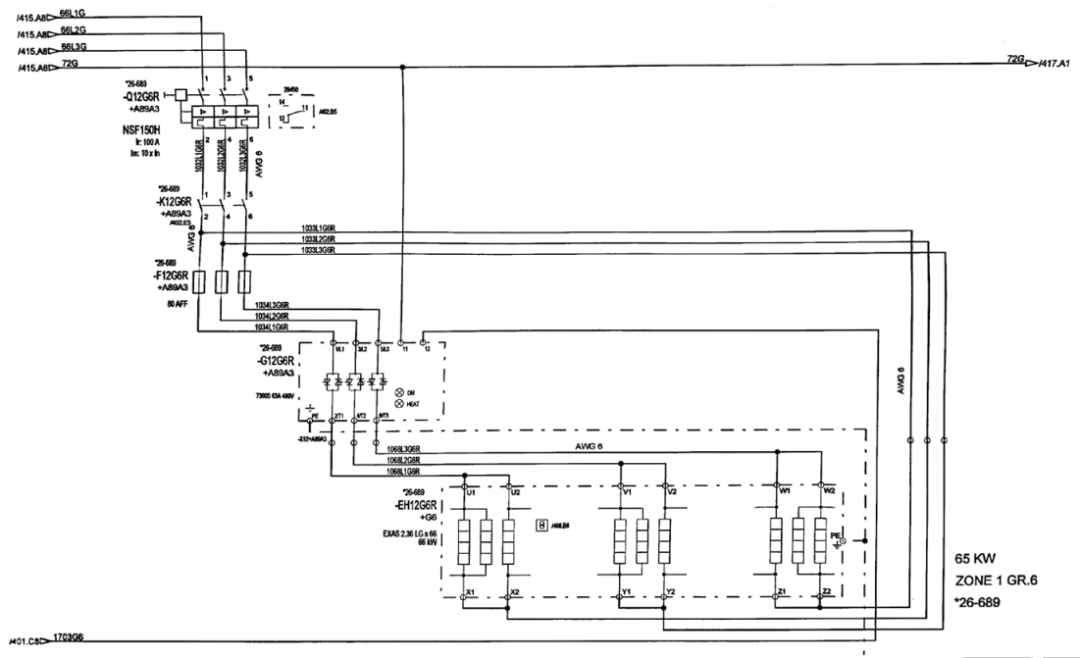 Figure 1 Electrical control diagram of the heating unit before modification
With the continuous improvement of cigarette pack printing technology and the introduction of environmental protection policies, some cigarette pack printing processes are gradually shifting from solvent-based inks to water-based inks. Large-scale water-based ink printing is odorless and leaves no solvent residue, making its advantages quite obvious. However, water-based inks have a high water content, and large-scale on-site printing with water-based inks requires very high drying temperatures. For our current gravure press, especially the 1–8 color groups, the designed heating power and temperature do not meet the drying requirements, seriously affecting and limiting the production efficiency of water-based ink products. Therefore, our company has carried out adaptive modifications on the heating system of the roll-fed gravure press, aiming to increase the heating system power, raise the temperature of the heating unit, and help the company reduce production costs while improving product quality and production efficiency.
Improvement steps and outcomes
Before the modification, the oven had 24 sets of heating tubes, each with a power of 2.5kW, totaling 60kW. The modification steps were as follows:
(1) Replace the original 24 sets of 2.5kW heating tubes in the oven with 4.16kW heating tubes, increasing the original heating power from 60kW to around 100kW.
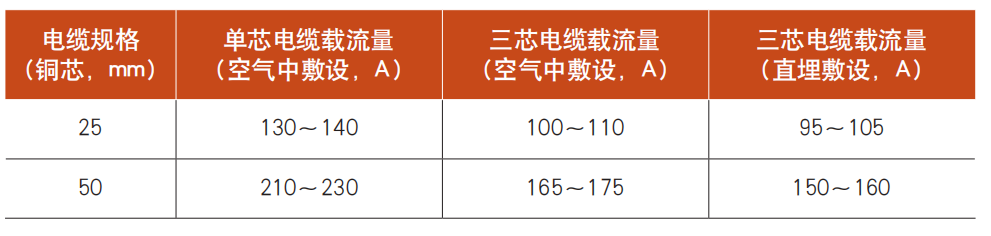
(2) Considering that increasing the number of heating tubes would make the original copper core insufficient for current carrying, it was calculated that the main power supply line from the electrical cabinet to the oven controller needed to be changed from a 25mm² copper core cable to a 50mm² single-core copper cable to ensure stability when large currents pass through. For a three-phase circuit, under a 100kW load, considering voltage level and power factor, the total current is roughly around 200A. Therefore, using a 50mm² single-core copper cable is safer and more reliable. The cable specifications are compared in Table 1.
Table 1 Comparison of cable specifications
(3) It's necessary to simultaneously upgrade the main circuit breaker, thyristor heating controller, fuses, contactors, and other control components inside the main electrical cabinet, to ensure stability when around 200A of current is flowing.
After the renovation, the oven has 24 sets of heating elements, each with a power of 4.16 kW, totaling 99.84 kW, which is about 100 kW. Figure 2 shows the electrical control schematic of the heating unit after the upgrade.
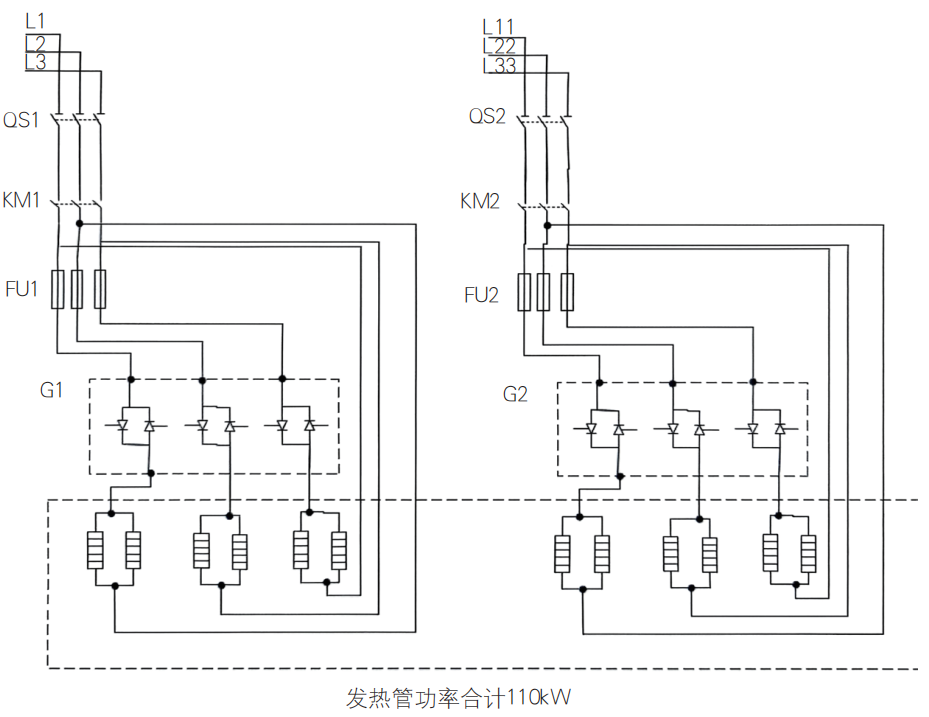
Figure 2 Electrical Control Diagram of the Heating Unit After Modification
Through the implementation of the above three-step modification plan, without changing the original heating control method or increasing the difficulty for operators, we were able to effectively increase the electric heating power of the original printing unit from 60 kW to 100 kW. The oven drying temperature was raised from the original 100℃ to an effective 130–140℃, and the temperature remains stable. The upgraded equipment greatly helps in producing products that require higher temperatures as well as water-based ink products, significantly improving equipment adaptability.
After the modification, through on-site continuous heating and production testing, our newly produced "Liqun" cigarette pack small box products saw the heating and drying temperature effectively increase from 100℃ to 140℃. The production speed also rose from the original 140 m/min to 175–180 m/min, directly boosting production efficiency by about 25%–30%. This improvement in production efficiency also helps reduce production costs.
This technical renovation project was carried out based on the current product structure and equipment condition of our company. Our engineers analyzed and evaluated the equipment, and after a long period of thorough validation, implemented this targeted modification, which has certain unique aspects. The technological development of flexographic press heating systems is rapidly moving toward intelligence, energy saving, and environmental friendliness. The application of various innovative technologies not only enhances printing quality and production efficiency but also significantly reduces equipment energy consumption and environmental impact.