


A combo move to solve the problem of cleaning gravure rollers
Common professional cleaners on the market often skip some strong alkaline or strong solvent ingredients to be more eco-friendly, low-odor, and protective of rubber. In production, it's common for water-oil gravure rollers to get clogged, usually due to a mix of calcium deposits, dried water-oil residues, and inorganic salt precipitates, which makes them hard to clean.
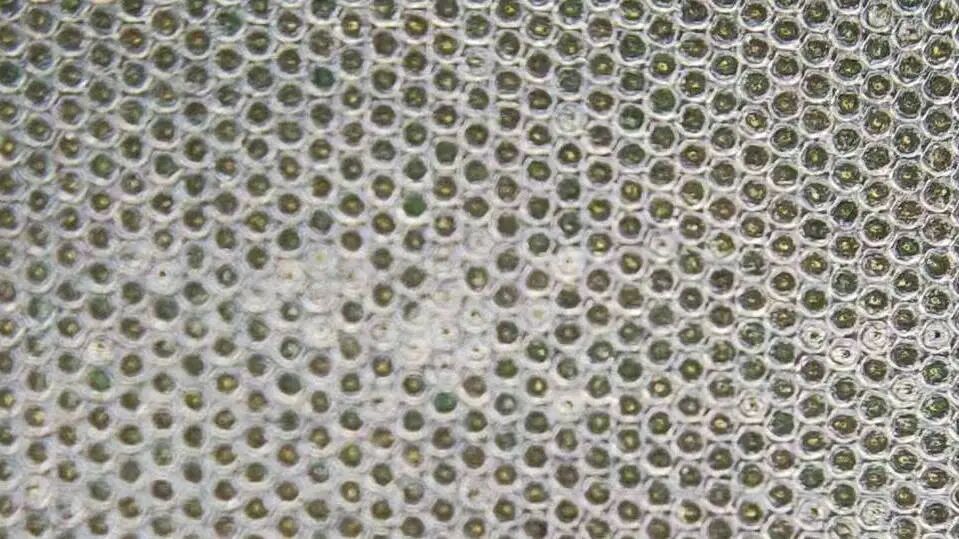
Water-oil screen roller before cleaning
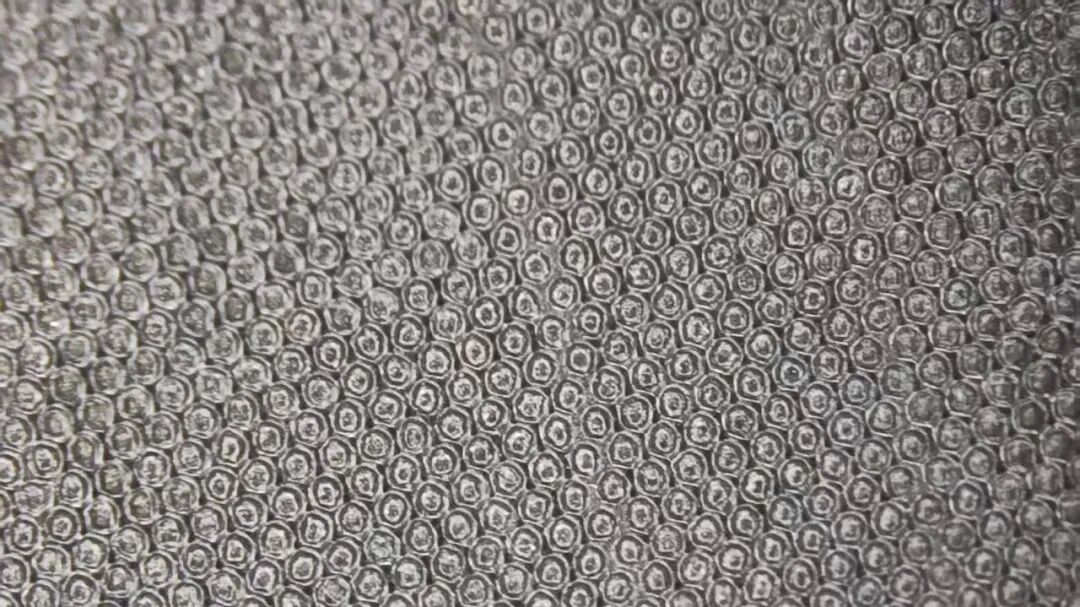 Cleaned water-oil anilox roller
Based on chemical mechanisms, a low-cost combination process of "car wash water + laundry detergent + nylon brush" can be used to solve the problem of cleaning water-oil anilox rollers.
Principle of action
01/ Laundry Detergent (Key ingredients: sodium carbonate/phosphate)
Laundry detergent is a strongly alkaline substance. According to industrial cleaning principles, alkaline additives (such as sodium carbonate) can effectively hydrolyze oils, especially for stubborn dirt accumulated over time, with penetration and emulsifying abilities far exceeding ordinary neutral detergents.
Additionally, the filling salt in the laundry detergent increases friction and dispersibility, helping to strip dirt deep within the mesh holes of the anilox rollers.
02/ Car Wash Water/Cleaning Agents (Organic Solvents)
Car wash water usually contains strong organic solvents that can soften dry resin and incomplete oil and water.
03/ Nylon Brush (Physical Friction)
Combined with chemical agents, physical brushing is key to opening the mesh cavity. However, note that nylon brushes are less effective and can be used with copper brushes (with gentle force), but for high-precision ceramic anilox rollers, there is still a risk of scratches.
Using the "Restricted Zone"
Although this method is quite effective, in Heidelberg printing equipment cleaning, since printing equipment is precision machinery, the following points must be noted during operation.
01/ The use of ethanol is strictly prohibited
It is strictly forbidden to use ethanol or organic solvents to clean precision parts such as charging rollers, and avoid mixing with ethanol when cleaning water and oil rollers. Ethanol evaporates quickly, easily causing rubber to age and crack, and is flammable.
02/ Prevents corrosion of rubber parts
If strong alkali components in laundry detergent (such as potassium/sodium hydroxide) remain on the surface, they can corrode the water-oil roller surface, leading to decreased lipophilicity and even crystallization points, which in turn affects subsequent water-oil uniformity.
03/ Prevents corrosion of metal parts
If the strong alkaline solution is not thoroughly rinsed, it will corrode the metal drums or bearing parts of the equipment.
Method optimization suggestions
To ensure cleaning results while extending equipment lifespan, the following adjustments are recommended.
01/ "Car wash water + laundry detergent" uses the soaking method
Dissolve the laundry detergent in warm water and add a small amount of car wash water. Avoid using laundry detergent directly on the roller, as the concentration is too high and can easily burn the rubber surface.
02/ "Neutralization" and "Rinsing" After Brushing
After brushing, rinse thoroughly: rinse thoroughly with plenty of water until there is no slippery feeling or foam.
03/ Recommended pickling and neutralization (optional)
If alkaline residue is a concern, you can quickly rinse the surface of the water roller with very dilute white vinegar water (acidic) to neutralize any remaining alkaline solution, then rinse with clean water to prevent sticking or crystallization.
04/ Use copper brushes correctly
Confirm whether the anilox roller material is chrome-plated or ceramic. Ceramic rollers must not use metal brushes (including copper brushes); only nylon brushes are allowed. Copper brushes can be used, but with gentle pressure to avoid scratches.
This formula essentially uses the triple effect of "strong alkali (laundry powder) + solvent (car wash water) + physical friction (nylon brush)" to overcome stubborn stains.
When operating, remember: soak thoroughly, brush gently, rinse thoroughly, and avoid using strong acids or alcohol-based solvents.