8 hot stamping techniques that make printed materials instantly stand out, how many do you know?
In the surface finishing process of various printed materials, hot stamping technology is undoubtedly the "finishing touch" that enhances the product's texture and visual appeal. Different hot stamping techniques each have their unique charm, presenting a myriad of effects through the clever combination of temperature, pressure, and different materials. Today, let's follow Xiao Shu to explore 8 commonly used hot stamping techniques and see how they bring unique brilliance to printed materials.
Flat Stamping
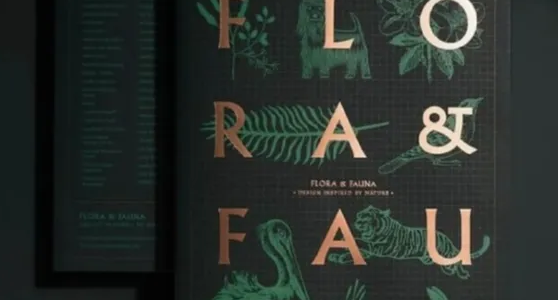
As the most basic and widely applied type of hot stamping, flat stamping precisely transfers metallic foils or colored pigment foils onto the surface of the substrate through the combined action of pressure and temperature, creating a glossy and highly textured decorative effect.
Applications: Brochures, high-end albums, special printed materials, various printed packaging fields, etc.
Advantages: Capable of stamping gold, silver, holographic, and colored foils, enhancing the luxurious feel and visual impact of prints; can achieve very fine lines and tiny text stamping, suitable for brand logos, anti-counterfeiting marks, and other intricate designs.
Reverse Foiling
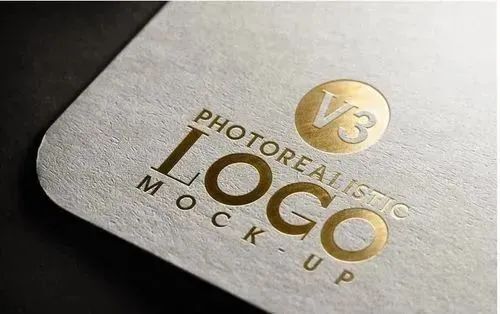
Opposite to flat foiling, reverse foiling highlights the blank areas through hollow foiling, meaning the elements remain unfoiled while the background is foiled, creating a larger foiled area. It is generally only suitable for coated paper with a smooth surface; otherwise, reverse foiling is not recommended, as it may affect the clarity of the design. Therefore, special attention must be paid to the paper texture and the control of the foiled area in reverse foiling.
Applications: hardcover albums, greeting cards, invitations, wall calendars, desk calendars, various printed packaging, etc.
Advantages: high image quality and precision in foiling, bright and eye-catching colors, sharp and clear edges, high surface gloss, bright and smooth patterns.
Hot Stamping
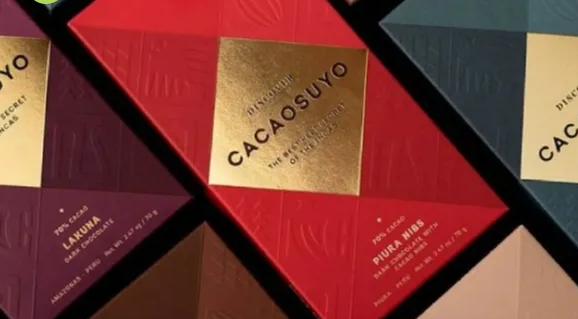
Hot stamping is a decorative process that transfers metal foil, pigment layers, or holographic patterns onto the surface of a substrate through heat and pressure. It is recommended to use smooth coated paper or paper with pores to facilitate air release. If stamping is done on synthetic paper, transparent stickers, or other non-porous prints, the stamping film may produce cloudy spots or bubbles due to trapped heat, affecting the appearance of the printed product.
Applications: Cigarette packaging, liquor packaging, greeting cards, book covers, high-end gift boxes, cosmetic packaging.
Advantages: Enhances anti-counterfeiting features and visual appeal, available in gold, silver, or holographic effects.
Cold Foiling
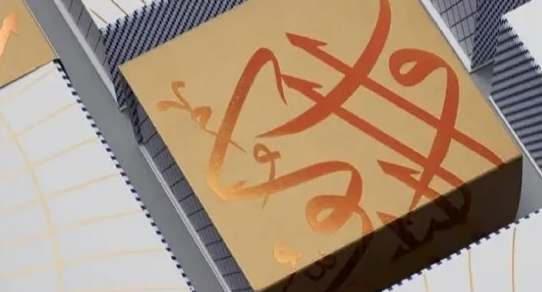
Cold foiling is a process method that achieves the transfer of metal foil or patterns at room temperature through adhesives and pressure. It uses special electroplated aluminum, which has no adhesive on the back; the adhesive is applied directly to the areas to be decorated during printing. Cold foiling technology solves process problems that are difficult to address with hot foiling, avoids environmental pollution caused during the making of metal printing plates, and can also save a large amount of energy.
Applications: cigarette packs, liquor boxes, cosmetic packaging, greeting cards, book covers, etc.
Advantages: It can achieve high-precision image and text transfer, suitable for small text, lines, and hollow effects. The stamping area is flexible; it can be used for partial decorations such as trademarks and logos, or cover entire packaging boxes, labels, or book covers.
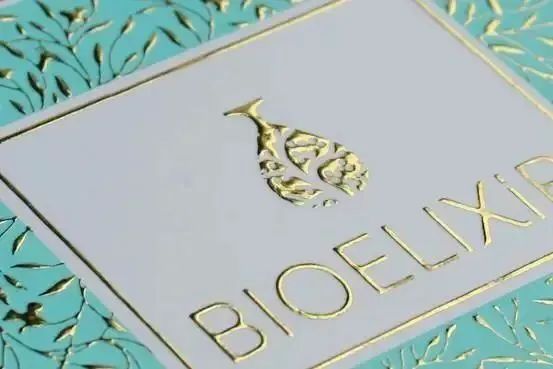
3D Foil Stamping
3D foil stamping is a composite printing process, which combines stamping and embossing in one step: using a stamping plate and a base mold, under a certain pressure and temperature, the substrate of the printed material undergoes plastic deformation, while the parts of the electro-embossed foil transferred onto the printed material or other carriers also undergo plastic deformation, thereby performing artistic processing on the surface of the printed material. Since printed materials after 3D foil stamping have embossed three-dimensional patterns, printing cannot be done on them, so the process of printing first and then stamping must be used.
Application Range: High-end health products, tea, fashion cosmetics, luxury goods, etc.
Advantages: High-quality stamping, high precision, clearly defined embossed edges, sharpness, high surface gloss, bright and smooth patterns.
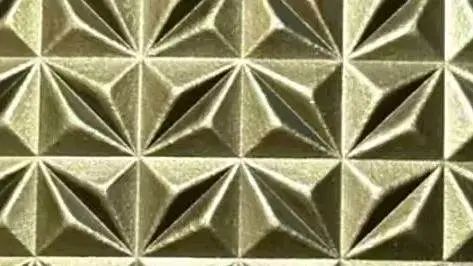
Refraction Foil Stamping
Refraction foil stamping creates lines of different thicknesses or directions through laser-engraved plates, forming a unique refractive effect. It is widely used on various materials.
Applications: High-end packaging boxes (such as wine boxes and cosmetic boxes), book covers, greeting cards, business cards.
Advantages: Refraction foil stamping can create delicate light and shadow changes on paper, enhancing the product's texture. Smooth paper surfaces should be chosen to ensure stamping precision, and the texture of specialty paper should be considered for its effect on the results.

Multiple Foiling
Multiple foiling, as an advanced process combining various foiling techniques, achieves more complex and richer visual effects by applying foiling multiple times on the same product.
Applications: High-end packaging boxes (liquor boxes, cosmetic boxes), book covers, greeting cards, invitations, etc.
Precautions: The paper needs to have sufficient thickness and stiffness to support the layered effect of multiple foiling. Greyboard is often used to enhance the sense of three-dimensionality, and specialty paper can be combined with surface textures and multiple foiling to create a unique tactile effect.
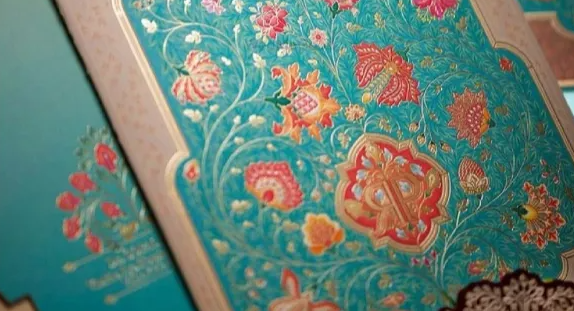
Seal Script Foil Stamping
Seal script foil stamping is based on the needs of the design, cleverly combining foil stamping with printing. Printing is done first, followed by foil stamping. This process requires high precision in alignment; accurate registration is necessary to achieve a perfect effect. It is also called printing and stamping overlap.
Application range: gift packaging boxes, holiday greeting cards, wedding materials, various printing packaging, etc.