


Manual screen printing has many ink application hazards, this innovative system has become a lifesaver!
Screen printing is currently one of the commonly used printing techniques. In the field of packaging printing, it is an auxiliary process mainly used for surface finishing of printed products, such as achieving frosting, refraction, ice patterns, and partial gloss on packaging boxes for cigarette packs and liquor bags, giving the packaging artistic effects such as three-dimensional, embossed, high-gloss, sparkling, colorful, and matte.
Compared with offset, gravure, and flexo printing equipment, screen printing machines have a simpler structure. Their ink supply method is mostly manual. Due to the intermittent nature of manual inking, the color of printed products varies greatly, and when color differences exceed the standard range, defective products are generated; Manual inking often requires shutdown, leading to reduced equipment utilization; Currently, most screen printing inks are UV inks, which are corrosive. During manual inking, ink can easily contaminate the skin and cause chemical burns, posing safety risks and other issues. To ensure product quality, improve equipment utilization, and reduce safety risks, we wanted to replace the traditional manual ink change operation with an automatic ink supply system.
Cause analysis
Screen printing plates are sieve-like perforated plates. During printing, ink is first poured onto the plate, and under the pressure of the squeegee, the ink passes through the mesh holes to transfer onto the substrate. Screen printing matte ink has higher viscosity and larger matte powder particles (generally 15~60μm). When new ink is put into the machine, small matte particles pass through the mesh first. As printing time increases, the matte powder in the ink on the plate decreases, while larger matte powder accumulates on the plate, causing the ink layer hue on the substrate to become lighter. The color difference grew larger and larger. When the color difference exceeds the standard range, operators need to stop the machine to replace ink (collect the old ink from the printing plate and replace it with new ink). The long downtime is the main cause of low equipment utilization.
Solution
01/ Problem-solving approach
To find effective solutions, you must first understand the operating principles of the equipment. When manually loading ink with the fully automatic screen printer shown in Figure 1, first lift the cure knife and cover knife, and pour ink onto the blank area near the center at the end of the plate; Then lower the squeegee and cover blades, and the ink is now in the parallel area formed by the squeegee and cover blades.
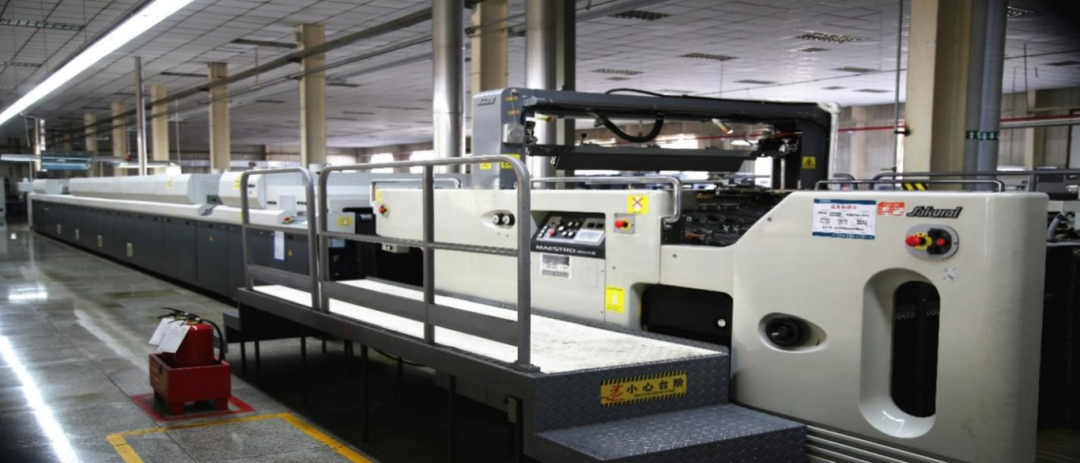 Figure 1 Fully Automatic Screen Printing Machine
During printing, when the equipment is operating, the ink roller is pressed down to a height of 0.3–0.5 mm above the printing plate (the height can be adjusted according to the ink coverage). The printing plate moves backward, with the trailing edge of the plate moving away from the squeegee and ink roller. The squeegee and ink roller remain stationary to complete the inking process, at which point the impression cylinder has rotated 180°; when the impression cylinder grips the paper and continues to rotate, the movement direction of the printing plate starts to reverse and move forward, with the trailing edge of the plate moving toward the squeegee and ink roller. The ink roller lifts, the squeegee presses down, and the ink on the printing plate is transferred to the substrate through the mesh openings in the image area from the grip point to the trailing edge under the squeegee pressure. At this point, the impression cylinder has rotated 360°. The equipment continues to run and repeats the above actions in a cycle, allowing printing to continue. The printing unit and printing plate of the fully automatic screen printing machine are shown in Figure 2.
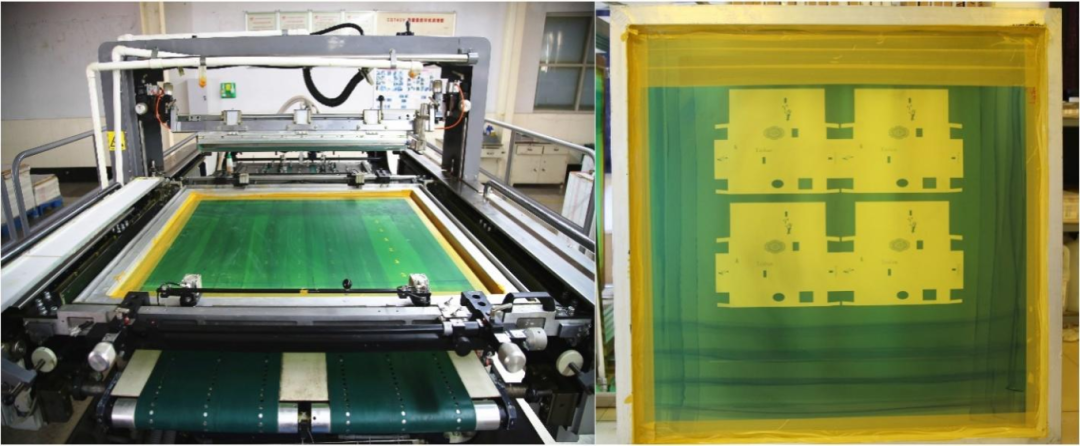 Figure 2 Printing Unit and Printing Plate of the Fully Automatic Screen Printing Machine
02/ Design Concept
The overall design concept is to make full use of the compressed air source near the fully automatic screen printing machine (generally, the operations of the printing plate clamping, squeegee, and flood bar on the screen printing machine are pneumatic, equipped with an air compressor or using a centralized air supply system to provide compressed air). Two pneumatic diaphragm pumps or explosion-proof electric ink pumps are used as power sources. One diaphragm pump is connected to the ink supply line installed between the squeegee and flood bar, responsible for supplying new ink; the other diaphragm pump is connected to the ink return line installed at both ends of the squeegee crossbeam, responsible for recovering used ink. Through the downward motion of the squeegee and the reciprocating movement of the printing plate, the ink collection device at the front end of the pipeline collects and pumps the ink back. The two diaphragm pumps work together to complete the reciprocating cycle of new ink supply and used ink recovery.
Specific Measures
01/ Installation of Ink Supply Line
The ink outlet of the supply line is installed in the middle position between the squeegee and flood bar (the midpoint of the length and the midpoint of the parallel spacing between the two). The ink inlet of the supply line is placed in the ink reservoir, and a diaphragm pump is installed on the pipeline between the ink outlet and ink inlet to provide power, continuously drawing ink from the reservoir and delivering it to the printing plate.
In order to accurately supply ink to the middle area between the squeegee and flood bar and allow the ink to flow evenly from the center to both sides in the channel formed between the squeegee and flood bar under gravity and the reciprocating motion of the squeegee and flood bar, we have designed the ink supply port to be a flat mouth shape (Figure 3).
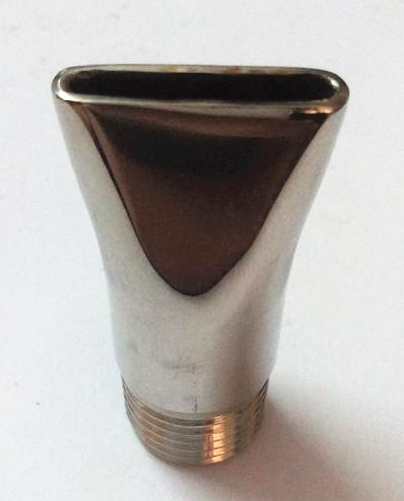
Figure 3 Flat-mouth ink supply port
02/ Installation of the ink return pipeline
Since the ink on the printing plate flows from the center to both sides within the passage formed between the doctor blade and the metering blade under the action of gravity and the reciprocating movement of the doctor blade and metering blade, the old ink mostly accumulates near the side frames of the plate close to the operating side and the drive side (Figure 4). Therefore, we designed the ink return pipeline with two ink collection ports, installed respectively at both ends of the doctor blade crossbeam (Figure 5). To ensure effective ink collection, we also added trapezoidal ink collection scrapers to the collection ports (Figure 6), and the height of the scrapers can be adjusted so that they just lightly touch the printing plate when pressed down by the doctor blade, ensuring ink collection without damaging the plate. The downward pressure of the doctor blade combined with the reciprocating motion of the printing plate drives the collection scrapers to gather and pump the ink back.
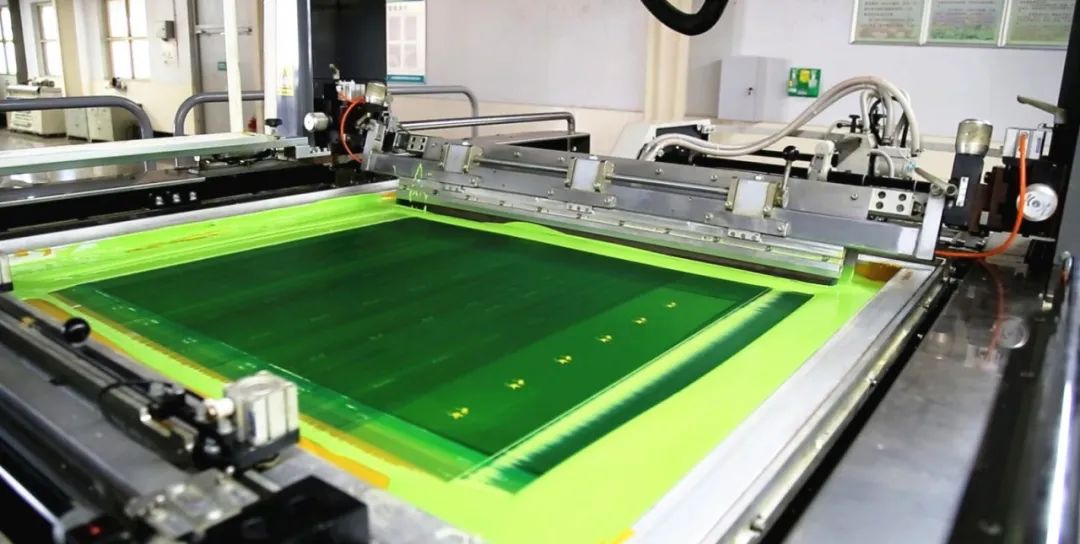
Figure 4 Location of Old Ink Accumulation
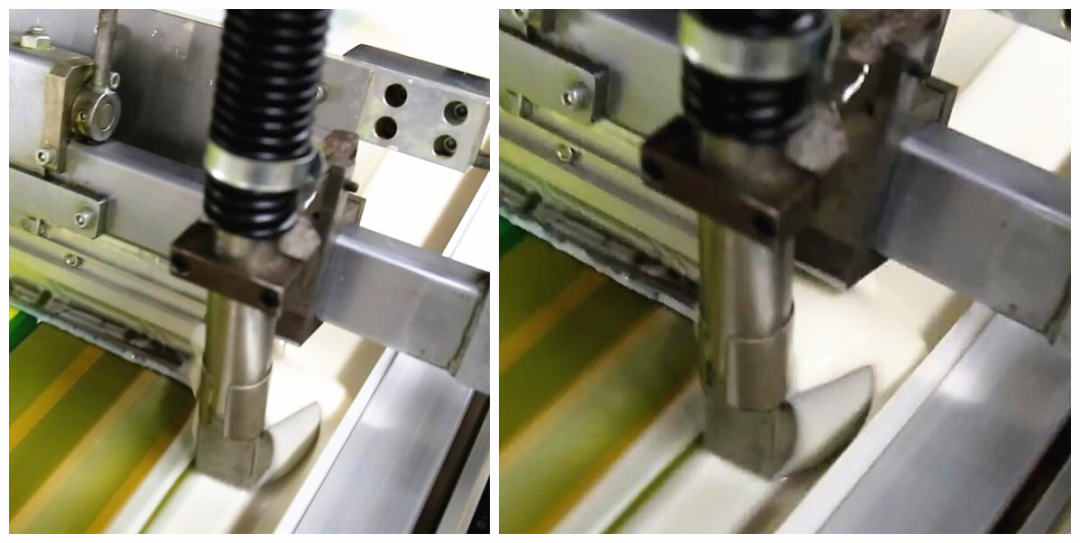
Figure 5 Installation position of the ink collecting port and its ink scraper on the doctor blade beam
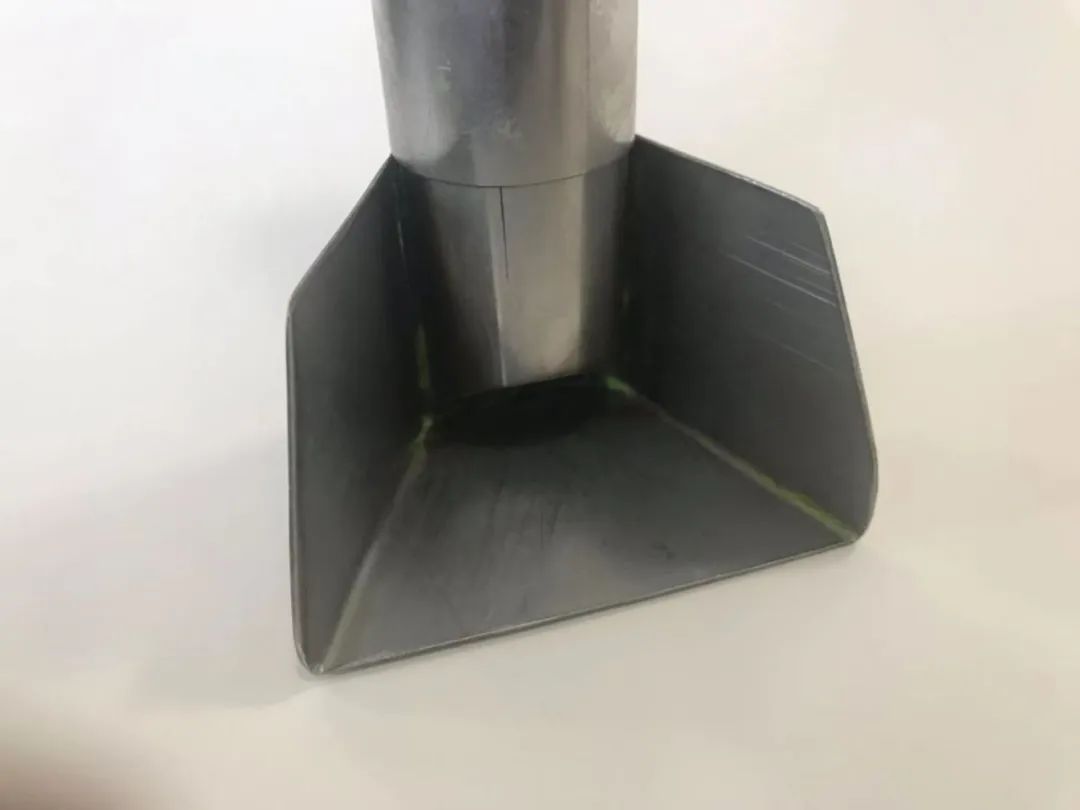
Figure 6 Ink receiving port and its trapezoidal ink receiving scraper
03/ Installing Pneumatic Diaphragm Pump
Two pneumatic diaphragm pumps (Figure 7) are installed on the ink supply and ink return pipelines respectively. The pneumatic diaphragm pumps are equipped with independent switches and gas flow control valves. Through the switches and gas flow control valves, the start, stop, and flow of the ink supply and return operations can be independently controlled.
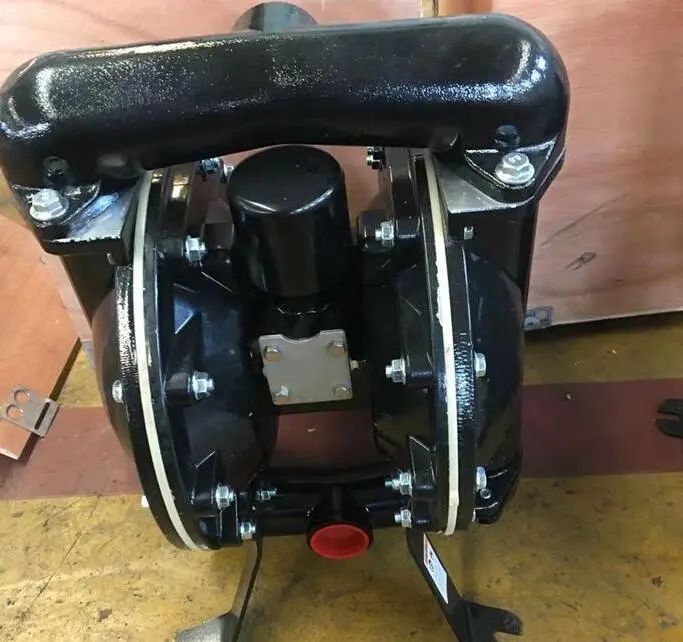
Figure 7 Pneumatic Diaphragm Pump
04/ Configuring the Ink Storage Tank
To ensure that the old ink pumped back from the machine can be reused, we have configured an ink storage tank (Figure 8). The ink storage tank is cylindrical with a lid, and a pneumatic agitator is installed on the lid. The pneumatic agitator has an independent switch and a speed control valve, allowing it to start, stop, and adjust speed independently. The end of the ink supply pipeline is immersed in the ink storage tank, and the diaphragm pump provides the power to continuously deliver ink from the storage tank to the printing plate. The pneumatic agitator installed on the ink storage tank is currently used to fully mix old and new ink. The old ink pumped back from the machine is not directly added to the storage tank; it must first be re-ground using a grinder, and then a certain proportion of ink adjusting oil is added to restore its print suitability to the quality of new ink. After that, it is added to the storage tank in a certain ratio and thoroughly mixed with the new ink using the pneumatic agitator.
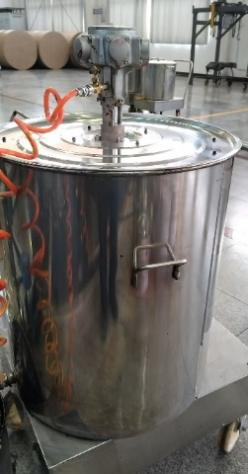
Figure 8 Ink Storage Tank with Pneumatic Agitator
05/ Installation of Centralized Control System
To facilitate operation, achieve automation of new ink supply and old ink recovery, as well as accuracy and continuity of ink supply and recovery, we additionally installed a centralized control system, purchased a control touchscreen (Figure 9), designed a control program, and realized integrated control of various actions.
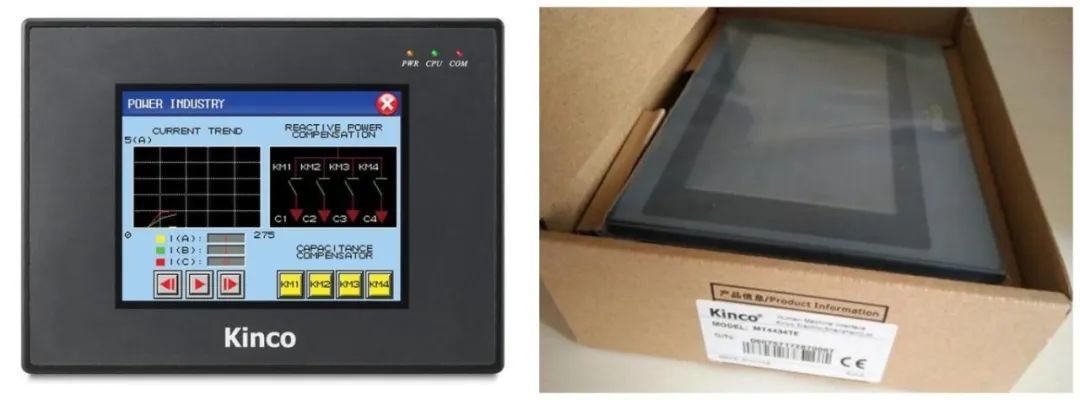 Figure 9 Physical diagram of the touchscreen
Effect Verification
After the installation work was completed, a period of operational testing showed that under normal operating speeds, the product color difference issue caused by intermittent ink supply was effectively controlled. Moreover, since the automatic cyclic ink supply system completely replaced manual ink replacement operations, downtime was saved and equipment utilization was improved, while the safety hazards caused by chemical burns from ink were also eliminated.