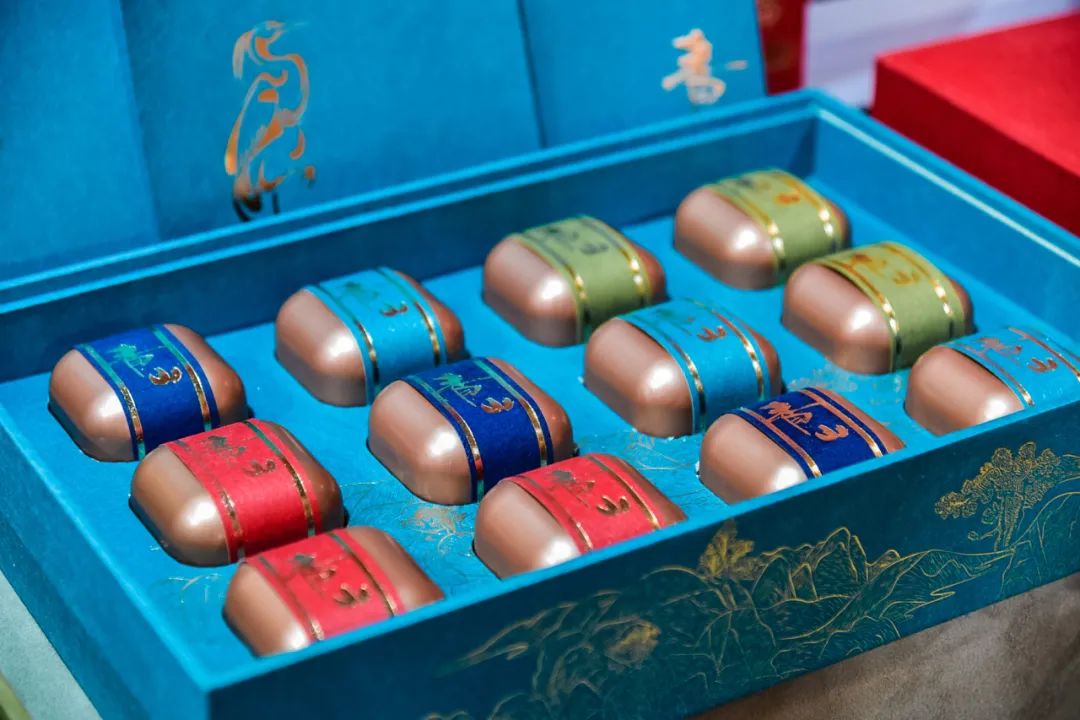
The latest tea packaging "slimming effect" is here!
On March 1st, the second amendment to the national standard GB 23350-2021 "Restrictions on Excessive Packaging Requirements for Food and Cosmetics" (hereinafter referred to as the "new regulations") officially came into effect.
This new regulation focuses on tea and related products, and by strictly limiting the number of packaging layers, packaging costs, packaging quality, and void ratio, further "slimming down" tea packaging, promoting the green transformation and sustainable development of the tea industry.
Number of packaging layers: Four layers are too thick, then remove another layer
The packaging layer of tea and related products shall not exceed three layers. The packaging that directly contacts tea shall be the first layer, and the subsequent layers shall be calculated in sequence.
Packaging cost: Strictly control costs and eliminate luxurious packaging
The packaging cost of tea with a sales price of over 200 yuan should be controlled within 15%. At the same time, the use of precious metals, redwood and other valuable materials is prohibited, and tea packaging will take a more environmentally friendly and minimalist route.
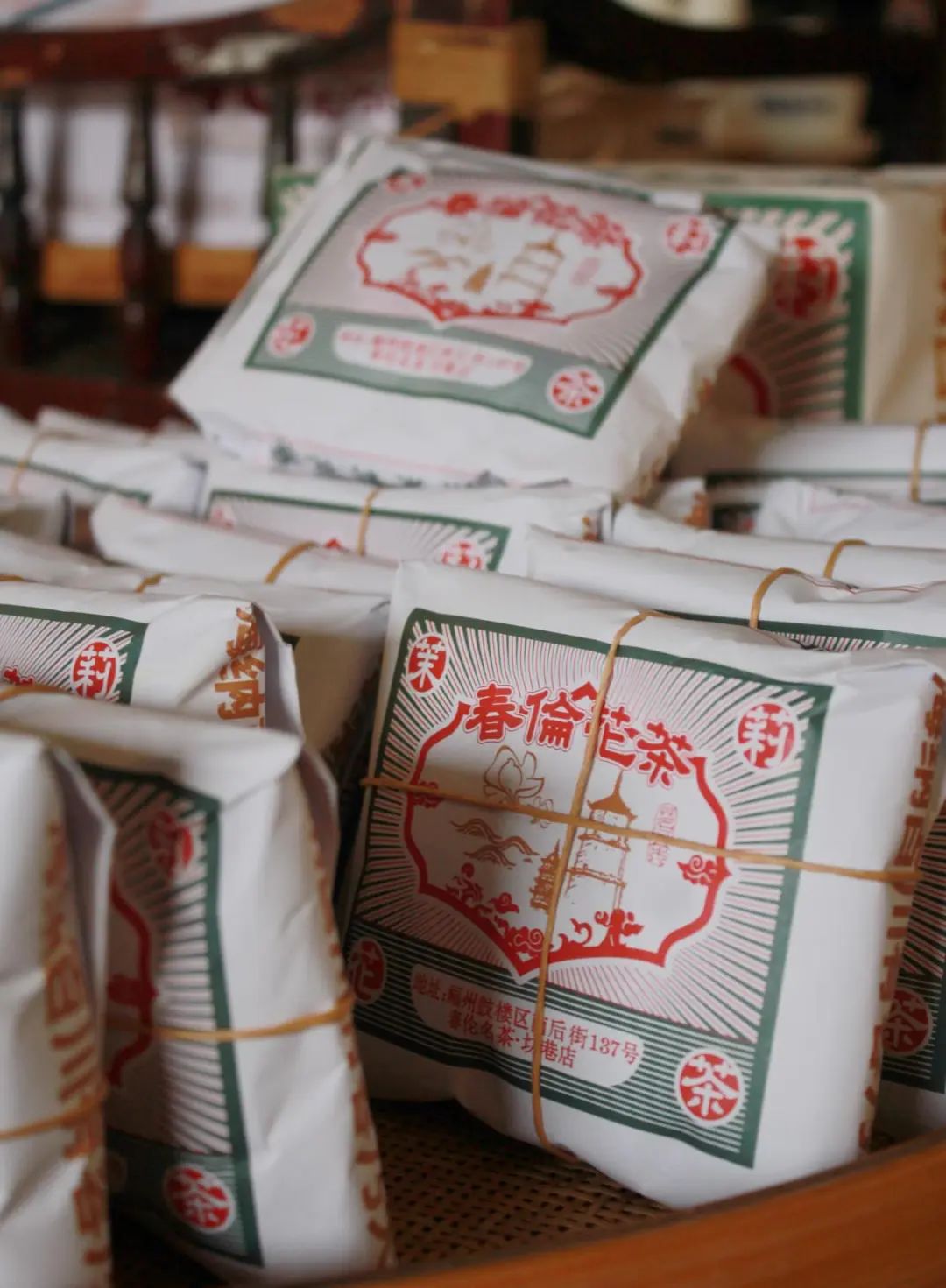
Packaging quality: shall not exceed 8 times the weight of the tea leaves
The packaging quality of tea leaves, tea products, and flavored tea products cannot exceed 8 times the weight of the contents. In addition, the new regulations have also added a method for calculating the quality of product packaging, which is determined by calculating the W value (the ratio of packaging quality to interior quality).
Calculation of void ratio: Refine by tea type, with strict and lenient
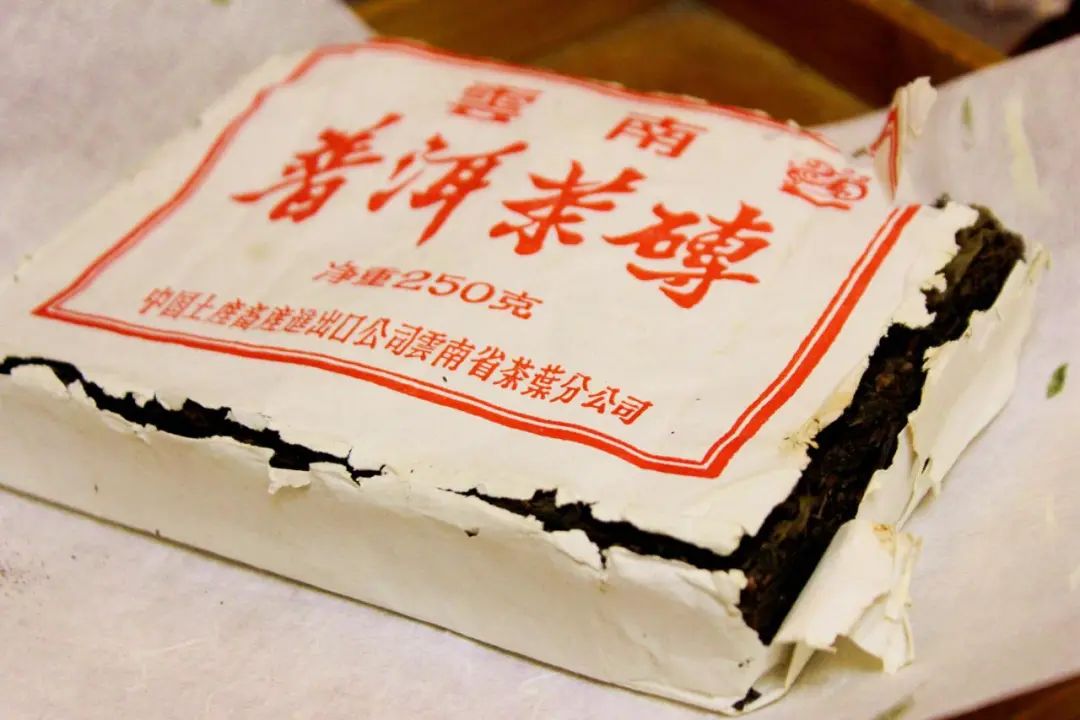
The new regulations further divide "tea and related products" into "compressed tea" and "other tea and related products", and adjust the necessary spatial coefficient (k value) of tea according to the characteristics of different tea types, some tightening and some relaxing.
For example, the k value of compressed tea (cake tea, brick tea, tuo tea, etc.) has been reduced from 13.0 to 9.0, indicating stricter requirements; The k value of other tea and related products continues to remain at 13.0. The k-value of famous and high-quality teas such as Taiping Houkui, Lu'an Gua Pian, Wuyi Rock Tea, Baihao Silver Needle, and White Peony is relaxed to 20.0, while that of scented tea is 60.0.
The formal implementation of the new regulations on tea packaging is not only a new test for cost control for tea companies, but also a catalyst for promoting the industry to shift from "packaging internalization" to "quality innovation".
Since 2021, China has gradually established a commodity packaging standard system, and introduced special amendments to specific products such as tea, moon cakes, Zongzi, to solve the problem of excessive packaging.
With the implementation of the new regulations, this trend has become more apparent, reflecting the deep practice of ecological, environmental protection, and low-carbon concepts, as well as the response to the transformation of green consumption demand.
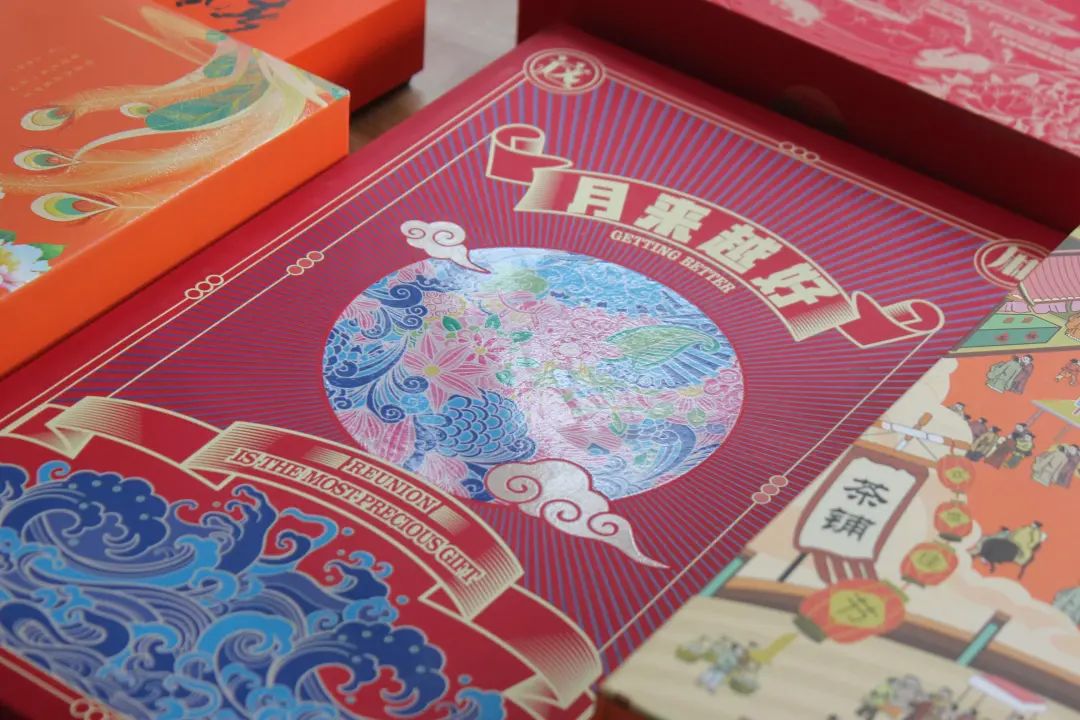
The new regulations emphasize that tea packaging should pay more attention to practicality and environmental friendliness, marking the normalization and refinement of the management of excessive packaging.
On the one hand, this will encourage tea companies to prioritize product quality over packaging, stimulate competition for quality within the industry, and thus promote the high-quality development of the tea industry.
On the other hand, banning precious metals, redwood and other materials will significantly reduce the annual consumption of tea packaging materials, help achieve green and low-carbon goals, promote resource conservation, and help achieve the national "dual carbon" goals.
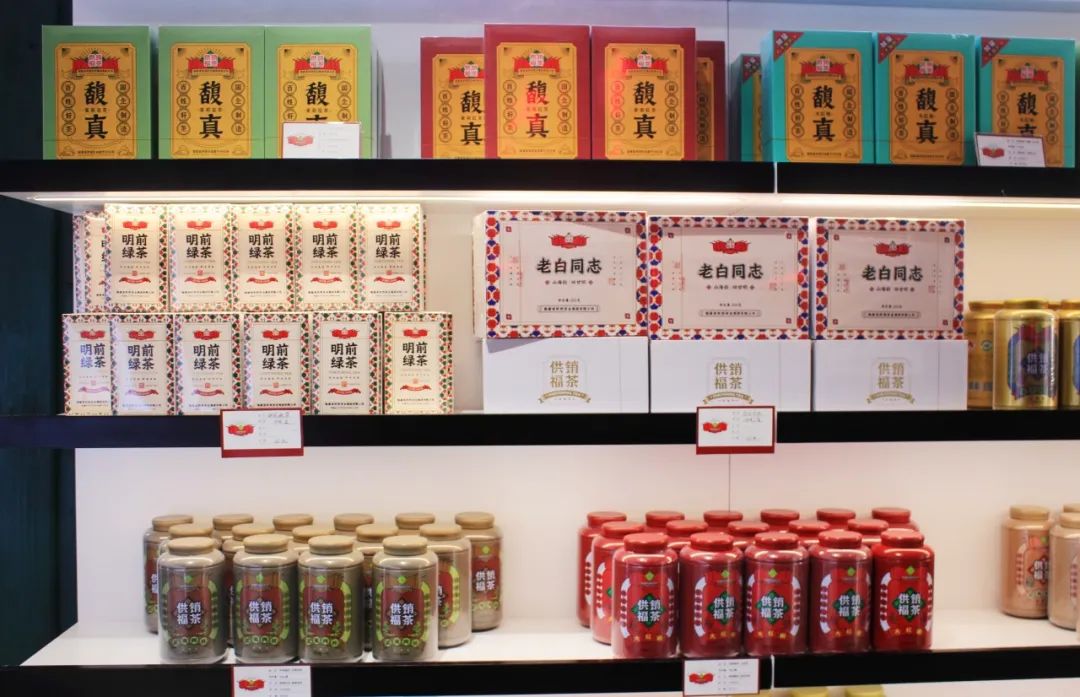
Consumers will also pay more attention to the quality of tea itself, prompting the industry to return to the core value of products and enhance market competitiveness.
The Tao Te Ching states: "If there is less, one will gain; if there is more, one will be confused." The "Tea Saint" Lu Yu also advocates "practicing frugality and virtue". The extravagance of excessive packaging will eventually fade away, and the traditional Chinese wisdom and virtues of "moderation" and "frugality" are injecting new cultural connotations into tea consumption.
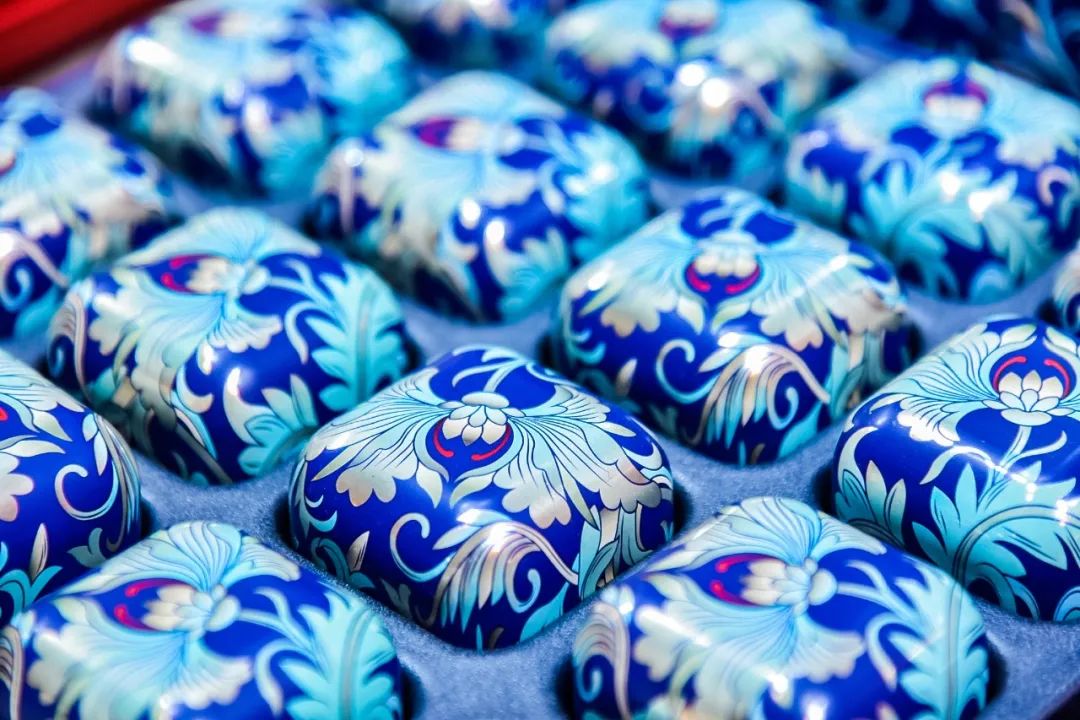
In the face of new regulations, tea companies should adhere to green development, actively respond to new standard requirements, and strive to improve internal quality, truly realizing the transformation from pursuing external luxury to focusing on essence. Because consumers who refuse to pay for the packaging of 'nouveau riche' will ultimately vote for good tea with their own taste buds.
Of course, only those enterprises that take the lead in translating compliance requirements into design language and elevating environmental protection concepts into brand assets can seize the opportunity in the wave of green economy.