


The Five Global Food and Beverage Packaging Trends in 2026, Reshaping the Core Value of the Industry
Innova released the 2026 Global Top Packaging Trends report, with evidence-based sustainability at the top, while digital empowerment, health and convenience, personalized customization, and sensory unboxing together form the five core directions of the industry.
Trend 1:
Evidence-Based Sustainability
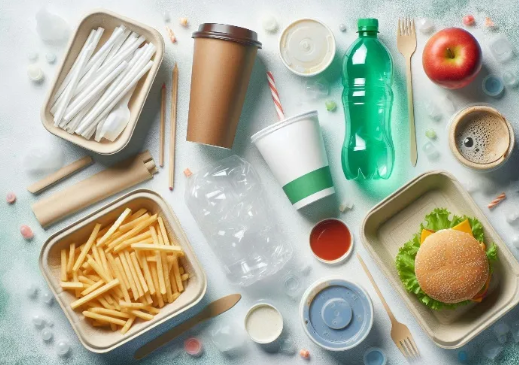
In recent years, environmental advocacy has shifted from a marketing concept to a compliance necessity, and all sustainability claims must be supported by real, verifiable data and authoritative certifications.
Policies such as the EU Packaging and Packaging Waste Regulation (PPWR) and the Green Claims Directive continue to tighten, mandating standards for recyclability, recycled content ratios, and environmental claims.
On the consumer side, 85% of respondents globally are willing to pay a premium for sustainable packaging, but they are highly vigilant against "greenwashing," making credibility and transparency key factors in brand competition.
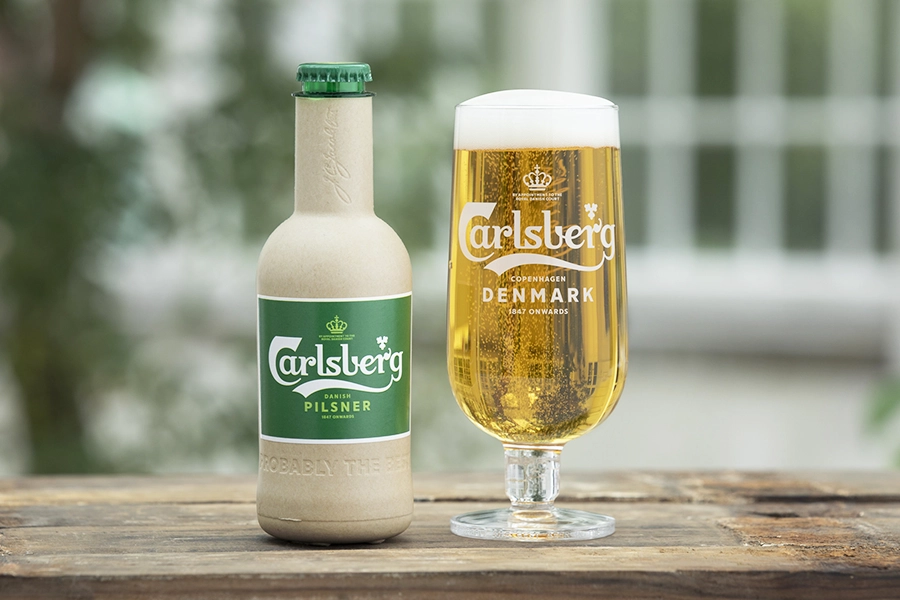
Market data shows that sustainability claims for packaging continue to grow steadily, with "recyclable" remaining the mainstream environmental label, led by Europe and closely followed by Asia. Carlsberg's green fiber bottle, with its quantifiable life cycle assessment, material certifications, and carbon reduction reports, has become a typical example of verifiable sustainable practices.
Trend Two:
Digital Empowerment of Packaging Design
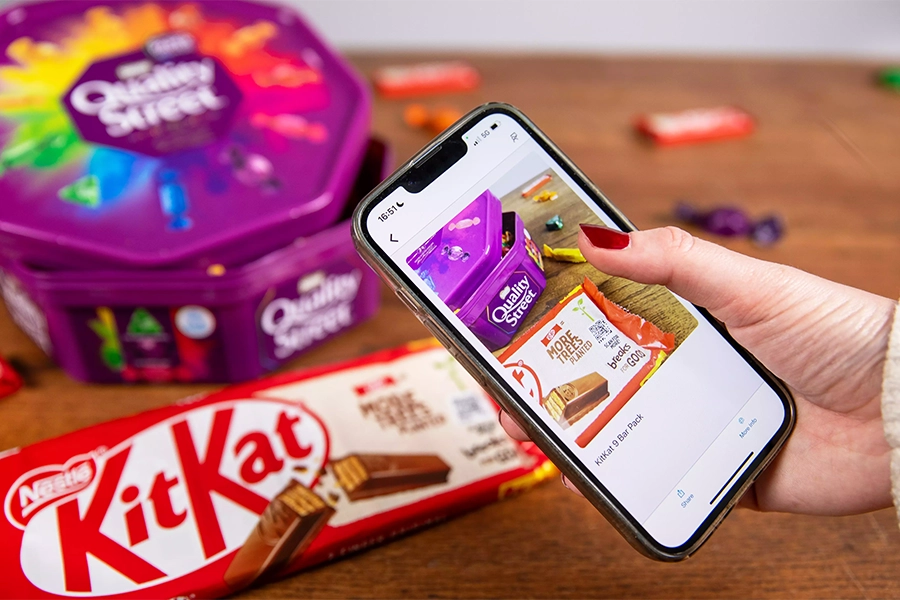
Technologies such as AI, AR, QR codes, and blockchain are deeply penetrating the industry, upgrading packaging from a passive container to a brand interaction touchpoint.
Digital product passports achieve full lifecycle data transparency, enhancing supply chain traceability; QR codes and smart packaging significantly increase consumer engagement.
Data shows that more than 60% of consumers interact with digital packaging features, and new food and beverage products with QR codes are growing rapidly.
For example, Nestlé uses smart packaging and blockchain to achieve product traceability and showcase brand stories, enhancing the experience while building sustainable trust.
Trend 3:
Health-Oriented Convenient Packaging
Under the trends of healthy living and lightweight consumption, the demand for small, portable, and portion-controllable packaging continues to rise. Technologies such as active packaging, long-lasting freshness, and room-temperature convenience further enhance the functional value of packaging, meeting the needs of diverse scenarios such as commuting, outdoor activities, and calorie control. Sales of small-capacity beverages and individually packaged snacks are growing rapidly, and packaging has become a key factor influencing purchase decisions.
Innova packaging research shows that 44% of global consumers consider packaging very important in their purchase decisions, and 27% consider it extremely important; 36% consider packaging important for travel/commuting, and 44% consider it very important; 18% are extremely willing, and 33% are very willing, to pay a premium for products with a longer shelf life.
Even in the premium food and beverage sector, packaging specifications are one of the most valued factors by consumers, only slightly behind packaging material.
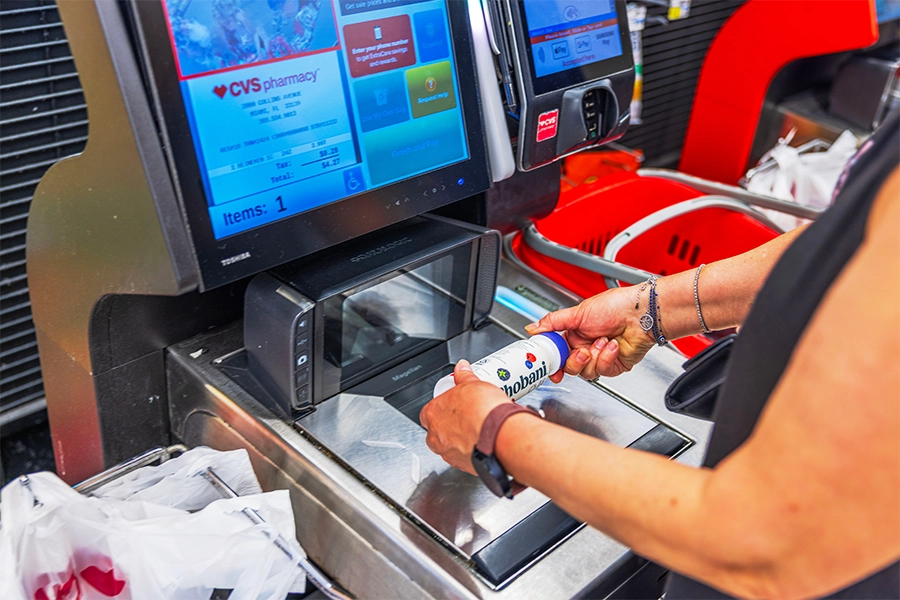
Innova data show that from 2021 to 2025, the compound annual growth rate of new soft drinks under 150mL will reach 14%, with a year-on-year growth of 26% from 2024 to 2025. From 2021 to 2025, the compound annual growth rate of new individually packaged snacks under 50g will be 11%, with a year-on-year surge of 62% from 2024 to 2025.
Trend 4:
Packaging Customized for You
Personalized packaging has become a core way for brands to enhance consumer interaction and loyalty. With digital printing and variable design technologies, brands can launch limited editions and regionally customized packaging to strengthen the sense of product exclusivity; by incorporating local cultural and personal experiential design elements, they can further establish emotional connections with consumers.
Beyond emotional value, personalized packaging can also meet practical needs such as convenience, scenario-based exclusive designs, and inclusivity. Seasonally limited or child-exclusive packaging can enhance novelty, while collaborations with influencers or brands can increase uniqueness and a sense of exclusivity. Leveraging social media dissemination, the packaging experience aligns more closely with consumer preferences, effectively strengthening brand differentiation and emotional bonds.
Innova data show that from 2021 to 2025, the compound annual growth rate of new global products with female-related specific claims will reach 20%, with a year-on-year growth of 32% from 2024 to 2025.
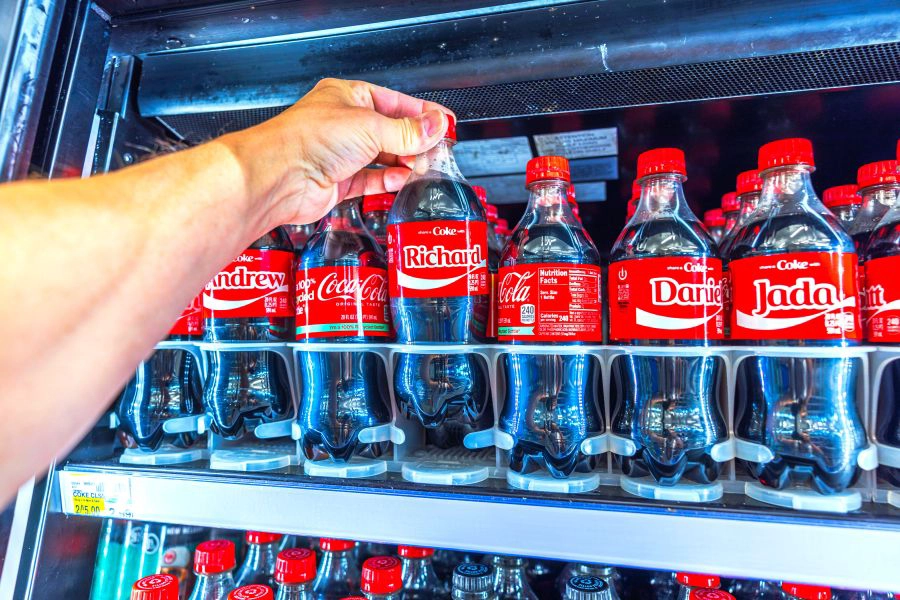
The company's consumer research also indicates that for global consumers, the color and design of packaging remain the primary consideration, followed by sustainability, and then by size and shape. Cases such as Coca-Cola's 'Share a Coke' demonstrate that large-scale personalized packaging can effectively drive sales and engagement.
Trend Five:
Sensory Unboxing Experience
E-commerce packaging is showing a clear trend toward sensory unboxing, reflecting the growing consumer demand for a more engaging and empowering online shopping experience. As online shopping becomes increasingly popular, consumers' expectations for packaging are no longer limited to protection and transportation; they also want to gain a better experience through the unboxing process, with customization becoming a core driving force.
Today, consumers increasingly prefer packaging with uniqueness, and brands are creating memorable unboxing experiences by incorporating diverse sensory elements such as texture, color, and scent. Social media further amplifies this trend, as users actively share their unboxing moments, making the sensory design of packaging even more valuable.
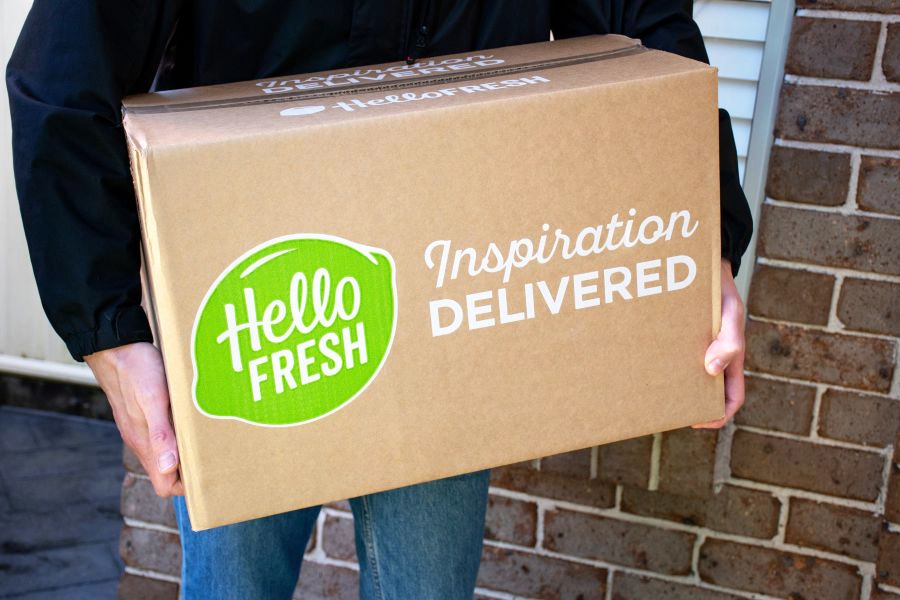
In the e-commerce sector, industry focus has shifted from simply convenience to creating a full-process delivery experience. Today, consumers hope that packaging can create value through sensory interaction, including touch, sound, and visual appeal. This experience-centered approach also highlights the important role of customized packaging in enhancing brand loyalty.
DS Smith's "Consumer Unboxing Preference Survey" shows that American consumers' core demands for e-commerce packaging mainly focus on three points: reducing empty space, avoiding traditional cushioning materials like foam, and expecting smart packaging equipped with sensors. At the same time, consumers also hope to access exclusive content via QR codes on the packaging, indicating that e-commerce packaging is upgrading toward sustainability, customization, and experiential delivery.
Mondi's sixth annual e-commerce trend report also confirms this trend: data shows that 90% of European consumers prefer brands that use appropriately sized, recyclable packaging. However, only about half of consumers say they trust brands' sustainability claims, highlighting the necessity for transparency in sustainability-related information.