EU plastic tax of 8 yuan/kg! The three major associations strongly oppose it
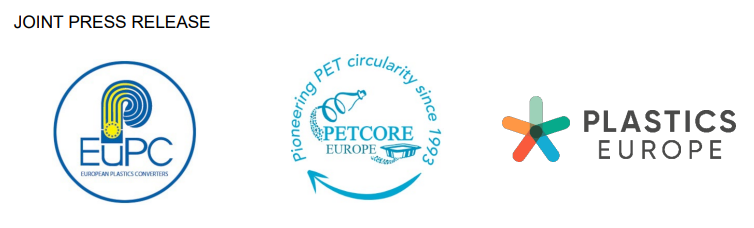
On September 15th, the three largest organizations representing the European plastic industry, EuPC, Petcore Europe, and Plastics Europe, jointly issued a call to the European Commission and member states to oppose the EU's increase in plastic taxes!
Among them, EuPC brings together over 50000 plastic processing companies from all over Europe; Petcore Europe covers the entire PET industry chain, including raw material producers, recyclers, and retailers; Plastics Europe represents polymer manufacturers. These three organizations cover almost the entire lifecycle of plastic products: from raw material production, to plastic processing, and then to recycling.
This call is aimed at the EU's plan to increase the plastic tax (also known as "plastic self financing") from the current 0.80 euros per kilogram to 1 euro, an increase of 25%, with the tax target being unrecycled plastic packaging waste. These organizations warn that raising taxes will not only fail to promote the transition to a circular economy, but will also weaken the competitiveness of European companies and inhibit investment in recycling infrastructure. (Note: 1 Euro ≈ 8.4276 Chinese Yuan)
What is the EU's own source of revenue?
The funding for the EU budget comes from the so-called 'self owned sources', which refer to the income contributions made by member states to the EU common budget. Under the current fiscal framework from 2021 to 2027, self owned financial resources mainly include tariffs levied on imported goods from countries outside the European Union, value-added tax based payments, and national payments calculated based on gross national income (GNI). Since 2021, an additional source of revenue has been added: fees levied based on the weight of unrecycled plastic packaging waste. This mechanism was introduced after Brexit in the UK and is commonly known as the 'EU Plastic Tax', bringing in € 7.2 billion in revenue for the EU budget in 2023.
Facing the risk of deindustrialization rather than economic growth
According to data from EuPC, Petcore Europe, and Plastics Europe, the plastics industry is already facing enormous pressure. The high energy and labor costs, as well as environmental compliance requirements, make European producers less competitive than companies in third countries. As a result, more and more polymer production plants, recycling enterprises, and processing enterprises are closing down. In this situation, further fiscal burden may accelerate industrial decline and weaken the ability of enterprises to invest in circular economy solutions.
These organizations emphasize that the revenue from plastic taxes should be allocated to a special fund to support the transition to a circular economy. This particularly involves providing funding for the development of recycling and classification systems, as well as assisting in the effective integration of recycled materials into new product production. At present, the revenue from plastic taxes is flowing into the EU general budget and has not been directly reinvested in the circular economy sector.
PPWR regulations provide direction for development
This transformation has been initiated and supported by the Packaging and Packaging Waste Regulations (PPWR). The regulation stipulates that starting from 2030, plastic packaging must contain 10% to 35% recycled materials, and the packaging itself must be fully recyclable. Other relevant laws are also aligned with this goal, including the End of Life Vehicle Regulation (ELV Regulation), the Waste Framework Directive (WFD), and the Sustainable Product Eco Design Regulation (ESPR). These regulations clearly state that the plastic industry must shift towards a circular economy model.
EuPC, Petcore Europe, and Plastics Europe jointly emphasized that "the EU's plastic tax must be maintained at a level of 0.80 euros per kilogram, and its revenue should be included in a fund specifically designed to support the circular economy. Only in this way can the EU's fiscal policy truly promote the transformation of the industry, rather than weaken its competitiveness
Original text: