


A leading global digital printing flexible packaging company has been acquired. How will this affect the future of the industry?
Recently, Los Angeles-based private equity firm Butterfly announced the successful acquisition of ePac Flexible Packaging (hereinafter referred to as "ePac"), a global leader in digital printing for flexible packaging. As a significant consolidation move in the B2B printing and packaging sector, this acquisition not only highlights the accelerating pace of mergers and acquisitions in the flexible packaging industry but also reflects the global packaging market's shift towards digitalization and sustainability.
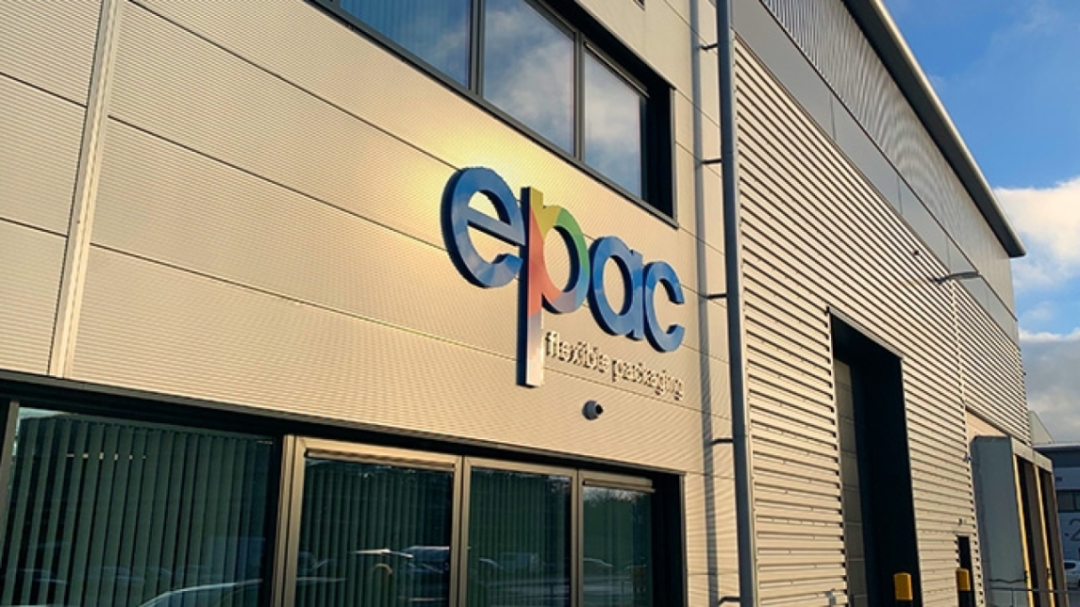
Major Acquisition Writes a New Chapter
Founded in 2016, ePac has leveraged its proprietary technology platform ePacONE (One Network Everywhere) to expand to 22 facilities across North America, Europe, Asia, Australia, and Africa, with 14 facilities located in the United States and Canada alone. The company provides small-batch, high-quality digital printing flexible packaging solutions for brands in the food and beverage, pharmaceutical packaging, and consumer goods sectors. Its on-demand production model, fast delivery capabilities, and consistent product quality help brands of all sizes compete with large enterprises through premium packaging. The current management team, led by co-founder and CEO Virag Patel, will continue to lead ePac and retain significant equity in the company following the acquisition.
The acquirer, Butterfly, is a private equity firm focused on the food and beverage sector, with portfolio companies valued at approximately $9 billion. Vishal Patel, partner and head of the investment team, stated: "Packaging is a key link in the food industry chain, and we are honored to partner with the ePac team. This is Butterfly's first platform investment in the packaging market. Our deep expertise in the food end-market will support ePac's growth and further strengthen ePac's service philosophy-providing exceptional customer service to innovative leaders in the food and other sectors. ePac is already a market leader, and together we will continue to write successful chapters."
Technology and Service Build a Strong Industry Moat
At the same time as the acquisition announcement, ePac launched a major new tear-open barrier film product specifically for coffee brands. This packaging material combines convenience and functionality, enabling easy one-pull opening without scissors while maintaining excellent high-barrier performance to lock in the coffee's rich aroma and fresh taste for an extended period. The product comes in a variety of formats, including rolls and four-side seal bags, compatible with both vertical and horizontal form-fill-seal equipment and four-side seal packaging. It is suitable for a wide range of production scenarios. Additionally, the new product supports low minimum order quantities and fast shipping services, helping brands quickly launch products, flexibly manage seasonal offerings, and implement multi-SKU projects efficiently.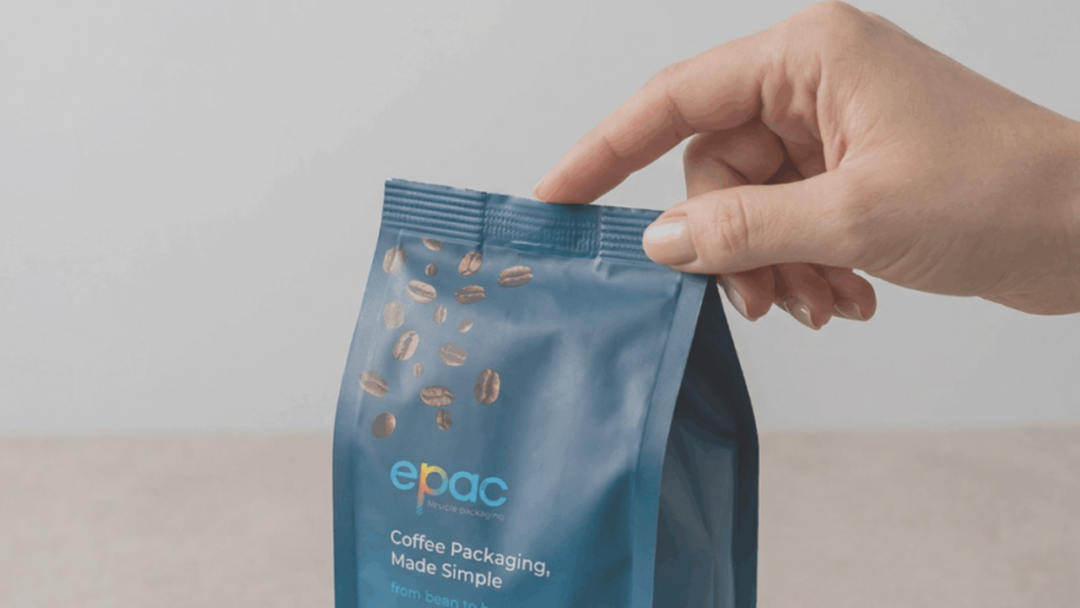
The launch of ePac's new products is a direct reflection of its core competitiveness-stemming from the deep integration of digital printing technology and networked production layout. Relying on its proprietary ePacONE platform, ePac can provide brands with fast order turnaround, vibrant printed visuals, and flexible on-demand ordering models. While optimizing product services, it also helps brands significantly reduce inventory waste and quickly respond to market trend changes, building industry barriers through the dual advantages of technology and service.
As a landmark M&A case in the soft packaging industry at the beginning of 2026, Butterfly's acquisition of ePac provides a new model for industry consolidation. This deal not only injects new momentum into ePac's development, giving it ample capital support to accelerate technological upgrades and market expansion, but also aligns closely with the macro trends of the industry in 2026.
Currently, M&A activity in the industry is entering a period of explosive growth. Behind this trend is a strategic transformation where companies actively divest non-core assets and concentrate resources on high-growth sectors such as sustainable materials and automation. For upstream and downstream industry enterprises, this acquisition also sends a signal for potential collaboration. Equipment, technology, and raw material suppliers can align with ePac's developmental needs, enhance their supporting service systems, and explore new points of cooperative growth.
In the future, based on maintaining its innovative DNA, ePac is expected to achieve leapfrog development through capital empowerment, and its next steps in technological iteration and market deployment will also provide important references for industry development.