


Is CTP also hitting 'holiday syndrome'? Top 10 issues you can't ignore
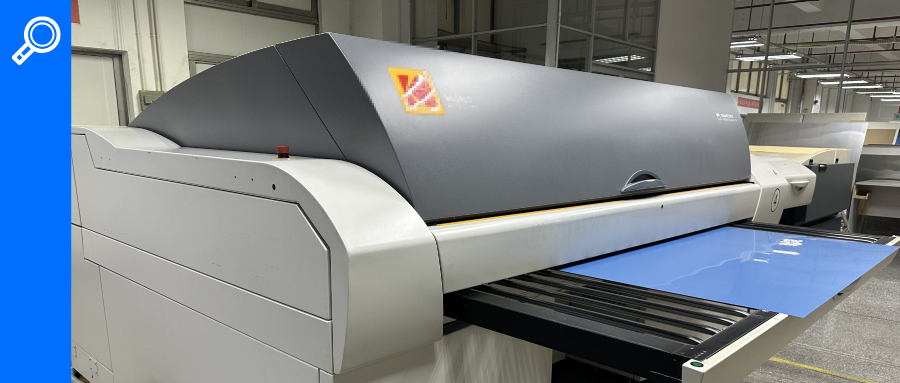
Holiday syndrome, also known as post-holiday syndrome, refers to various physical or psychological discomforts that people experience after a long holiday. Machines, like humans, can also experience post-holiday syndrome if they are not properly maintained. However, unlike humans, machines won't give you the chance to notice their issues, won't express discomfort through senses or language, and may even go on strike directly. But it's okay, engineers can use their professional skills to identify and fix problems in machines by following subtle clues. In this article, I will go through some of the most common issues in the CTP system after holidays, hoping to help you out.
CTP Workflow Server Issues
The workflow is a management system that ensures the proper operation of the computer-to-plate (CTP) process, coordinating various devices, data, and information in the direct plate-making system so that all resources can be fully utilized and the system can achieve maximum efficiency. It covers two important parts: the CTP digital workflow and the hardware server. It's an indispensable part of a complete CTP system solution, yet it's often overlooked by users, usually tucked away in a less noticeable corner, quietly working in the background.
01/ Workflow server loses time, causing the workflow to fail to start
If the server date and time change, perhaps resetting to January 1, 1980, the workflow software may fail to start. When the client and server times are inconsistent, the fundamental reason is that the clocks between them are not synchronized.
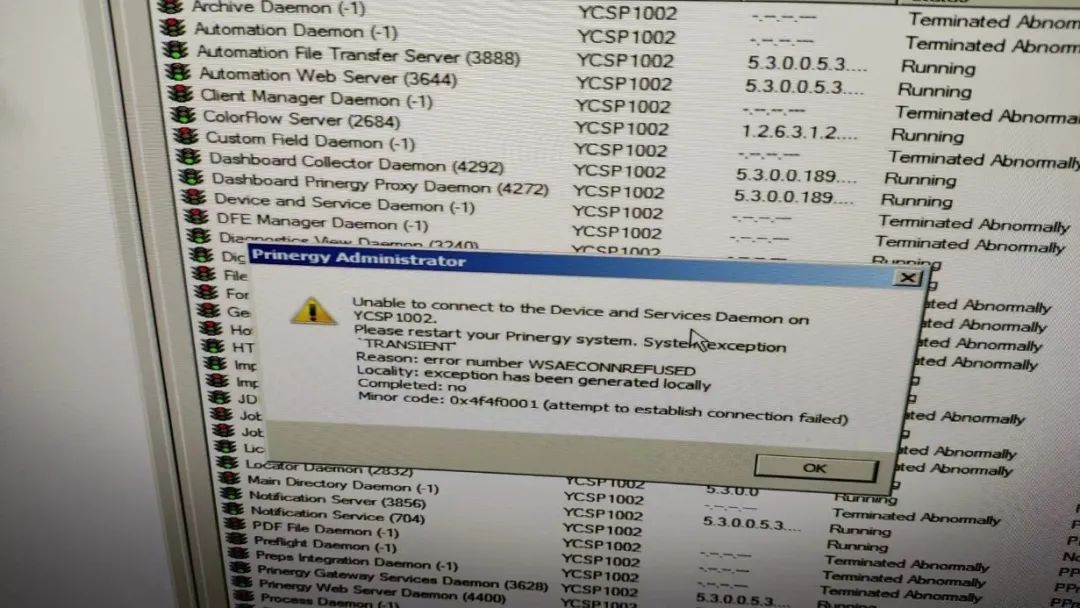
This is one of the most common issues during holidays. The main reason is that the coin cell battery powering the server BIOS runs out and can't provide effective energy. You can first change the date, then replace the battery. There are several ways to sync the time with the network-either automatically via NTP (Network Time Protocol) or manually. No matter which method you use, as long as the client and server clocks are in sync, the process will run smoothly.
02/ Server RAID information lost, server system won't boot
Once a RAID array is created, in theory, the RAID information shouldn't change. However, unexpected power outages and other emergencies can easily cause RAID information to be lost. Long periods of shutdown can also drain the battery that RAID relies on to remember its information, leading to data loss.
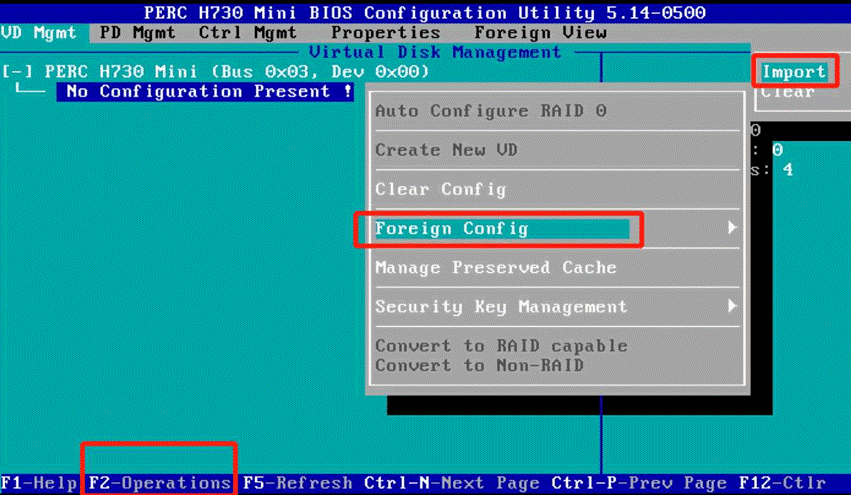
When the server is powered off, unplug all the hard drives (remember their positions in the server so you don't mix them up when reconnecting). Start the server without any hard drives, and clear any residual RAID information on the RAID card (clear config). If there are multiple RAID groups, be very careful not to delete the wrong one. After clearing, shut down the server again, plug all hard drives back in while it's off, and then start it up. Enter the RAID card management interface, you'll see a "foreign configuration" prompt-import the RAID information from the drives into the RAID card, and it should work normally.
03/ Server network IP address is wrong, unable to connect to all related devices and computers
A wrong server IP address may be caused by network configuration errors, IP conflicts, or DHCP service failures. You can try to fix the IP address issue and restore the network connection by checking network connections, confirming the IP address is correct, changing network adapter settings, and running network troubleshooting tools. Type the command "ipconfig" and press Enter to see if the IP address conflicts with other computers on the network. If there is a conflict, you'll need to change the IP address to resolve the issue.
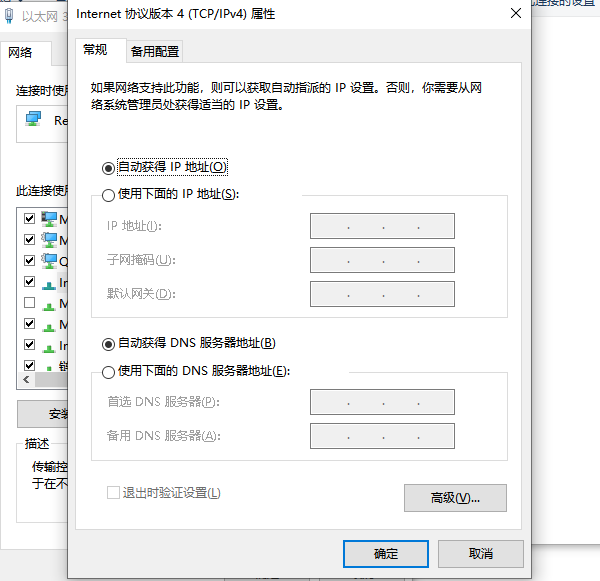
This network issue is also the most common problem after a long shutdown, caused by address conflicts from the router. It's best to set all devices and computers related to CTP to fixed IP addresses. Solutions include checking network settings, reassigning IP addresses, restarting the DHCP service, and so on.
CTP Hardware and Software System Failures
One key aspect of computer-to-plate (CTP) technology is that the plates and imaging system need to match. This work is done by a system composed of both CTP hardware and software, which mainly consists of four parts: the mechanical system, the optical system, the electrical system, and the pneumatic system. When people talk about CTP, they mostly mean the hardware. No matter how perfect the other parts are, if the CTP hardware doesn't work, the whole system will stop, so the CTP system is centered around the CTP hardware.
01/ Machine air pressure error, all actions stop
Pneumatic drive refers to using compressed air as a power source to drive and control various mechanical equipment for a mechanized and automated production process. Pneumatic technology is widely used in many fields. The drive part of the CTP system relies entirely on pneumatics. Normally, the system pressure is controlled around 0.8MPa. If there are large fluctuations in air pressure, the machine will report errors or fail to operate properly.
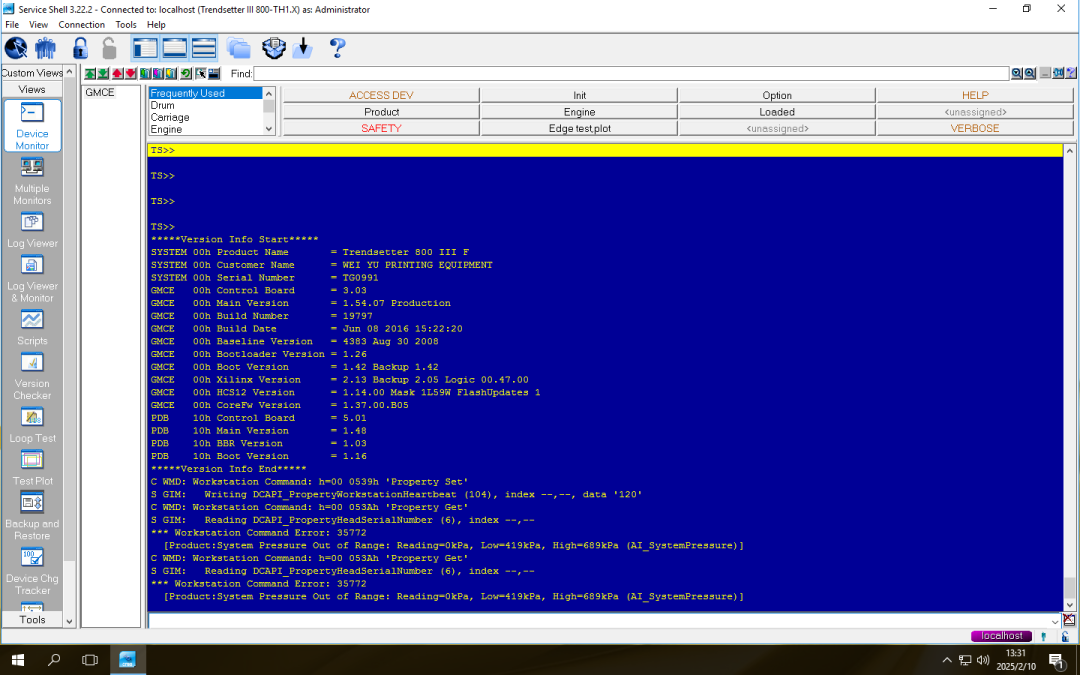
Adjust the air pressure to the appropriate level and change the system pressure parameters within the proper range. Don't set it too high to avoid energy waste or cylinder damage; and don't set it too low to prevent unstable equipment operation due to insufficient pressure. Usually, the adjustment system that comes with the machine can keep the air pressure stable within the correct range.
02/ CTP sensor error, related motion mechanisms stop working
A sensor is a detection device that can sense the target information and convert what it senses into electrical signals or other needed forms according to certain rules, to meet requirements for transmission, processing, storage, display, recording, and control of information. It's the primary link for automatic detection and control. Sensors in CTP include pressure sensors, temperature and humidity sensors, photoelectric sensors, flow sensors, position sensors, etc. After a holiday break, CTP-related sensors may fail if they haven't been powered or if the ambient temperature changes. Sensor failures mainly include total failure, fixed deviation, drift deviation, and accuracy deviation.
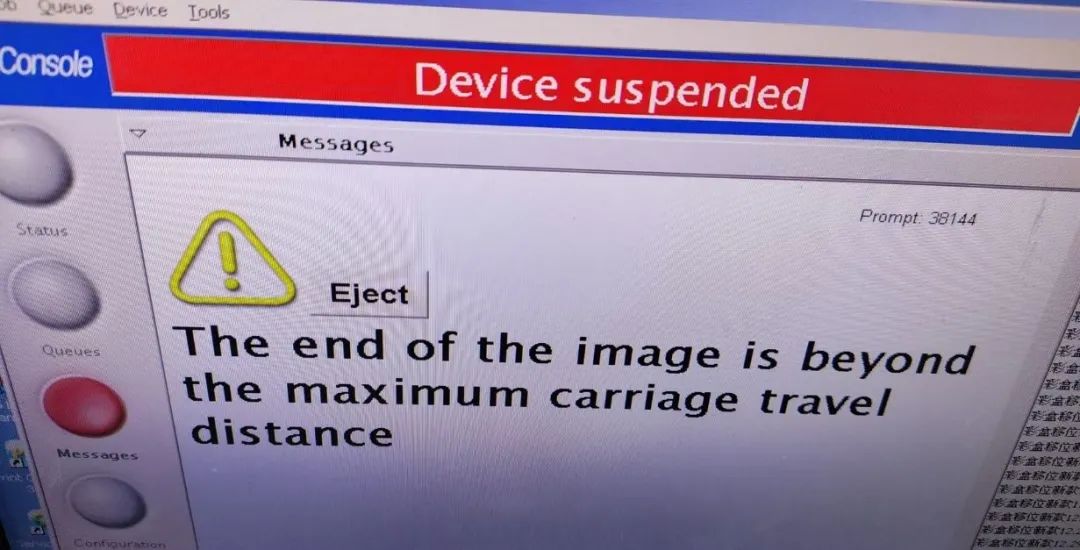
If it doesn't fail or malfunction during work, you usually just need to clean the sensor's photoelectric head and the transparent parts. In most cases, this can restore normal operation without needing to replace or disassemble anything for repair. Especially if problems occur during a holiday, usually just cleaning is enough to fix the issue.
03/ CTP Temperature and Humidity Alarm, Machine Cannot Start or Run
Typically, a CTP monitors temperature in at least three areas. First, the laser controller inside the laser head constantly measures temperature to ensure the laser head operates at the proper temperature. Second, the machine's base or screw rod also monitors temperature to make sure the plate material doesn't misregister due to thermal expansion or contraction. Third, the tray checks temperature and humidity to prevent backing paper from sticking to the plates, especially around the laser head. If the values aren't normal, the machine will stop working.
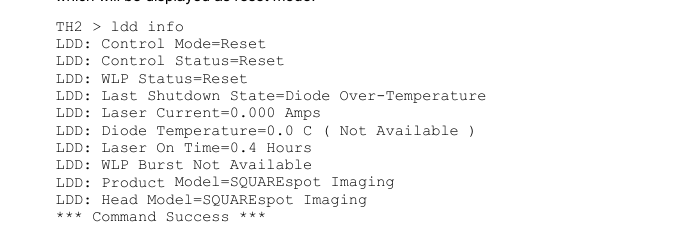
We can check the current temperature and humidity status through the machine's internal diagnostic program and deal with the residual moisture inside the air compressor as required. Turn on the indoor air conditioning in advance to precisely control the temperature at 22±2℃ and keep the humidity at 55%±5%, ensuring the equipment operates under the required conditions.
04/ CTP Laser Head Error, Machine Cannot Expose Properly
The laser in a CTP plate-making machine is one of the key components that transfers digital images onto printing plates. Its stability, accuracy, and reliability have a significant impact on plate quality and production efficiency. Usually, prolonged shutdowns don't affect the laser, which has reliable performance and a long lifespan, allowing it to work continuously for long periods. However, external factors like power supply, temperature, humidity, and connection signals can cause the laser head to error or stop working.
The way to rule out peripheral faults is to use diagnostic software to detect the problem points and eliminate them one by one. Once the machine can start normally, wait about 30 minutes before starting work to ensure the machine operates properly.
05/ The CTP network being disconnected caused the machine's internal authentication to be lost.
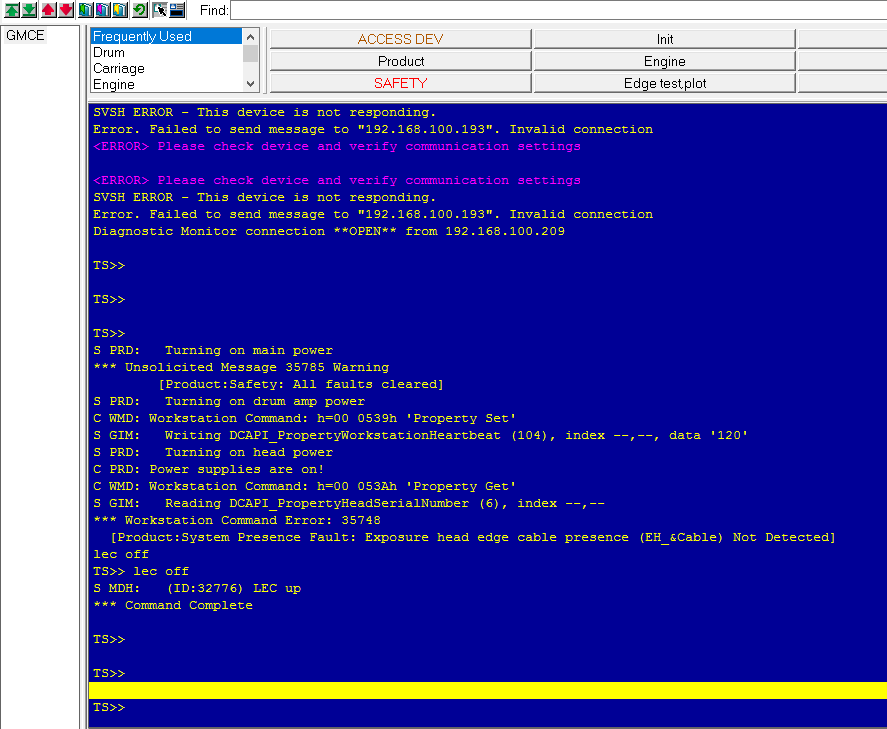
In addition to having an internal network card, the CTP connection to the computer also has another network card used to connect to the CTP plate-making machine. This network card has some special settings and drivers for connecting to the GMCE motherboard. The GMCE motherboard is the brain of the entire machine, responsible for data transmission, power distribution, and information control. The hardware is the main part, while some internal programs and firmware act as the machine's motherboard's control system. Short-term shutdowns usually don't cause motherboard failures; major errors only occur if the power supply or components are unstable. However, since the GMCE is the main control board, any error could potentially show up on the motherboard.
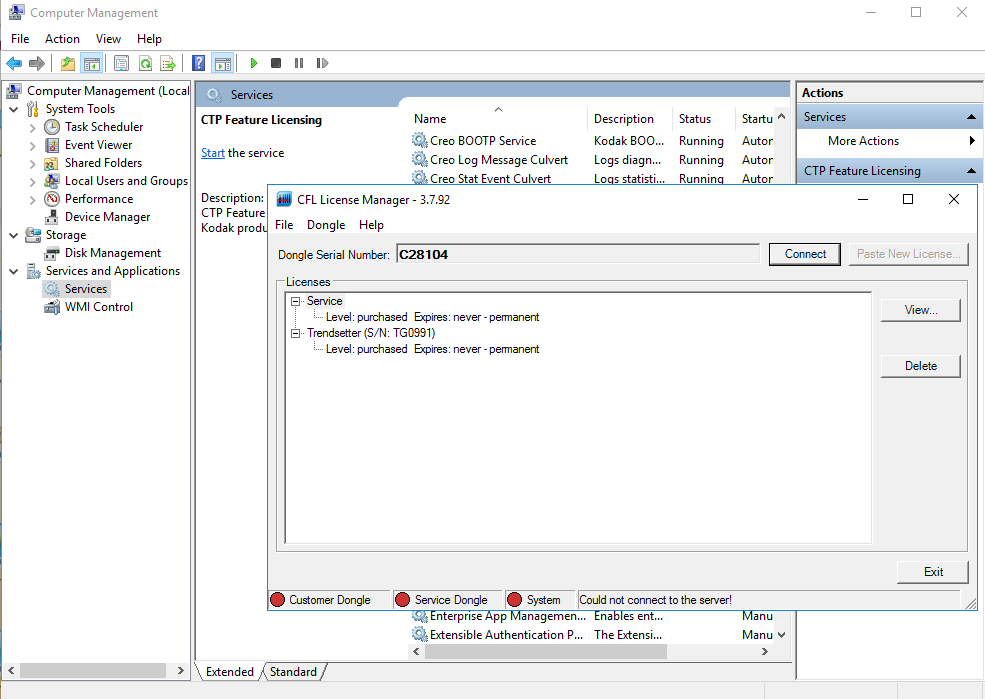
Check whether the network card address and settings of the connected machine are correct. If the internal network firewall doesn't have a whitelist, it's best to turn off the firewall as well. Generally, after changing to the correct settings and restarting the machine or computer, everything can return to normal.
CTP Developing System Malfunction
The developer can reveal the latent image formed on the printing plate after exposure, producing a plate layout and performance that meets printing requirements. A developing machine is a prepress device that completes some or all processes like developing, washing, coating, and drying of CTP-exposed plates through semi-automatic or automatic programs. A developing machine usually consists of a transmission system, developing system, washing system, drying system, and program control system.
01/ CTP Plate Material Fault
If the plate material is left for a long time in a well-lit environment, or if the temperature is too low or too high, it can cause thermal shock effects on the exposure machine, which may easily lead to problems during exposure, especially with processless plates.

Effectively control the environmental temperature at 5–25℃ and keep humidity below 60%. Protect against dust, dirt, creases, and scratches. The warehouse lighting shouldn't be too strong to prevent dark reactions on the surface of plates with organic photosensitive coatings.
02/ Plate making machine condensation, developer running abnormally
There are three common reasons that can cause the developer to crystallize. First, temperature changes: the chemical components in the developer can change solubility when the temperature fluctuates, leading to crystallization. Second, excessive concentration: if the developer's concentration is too high, the excess solute can precipitate and form crystals. Third, impurities: if impurities get into the developer, they can act as nucleation points, promoting crystal formation and increasing resistance in the machine.
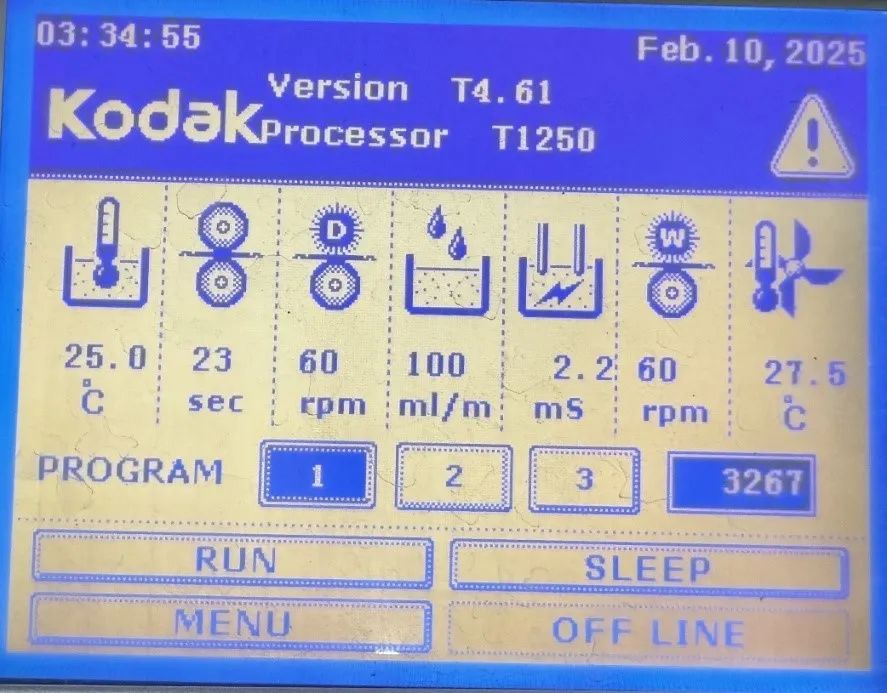
After the holiday, don't rush to add developer solution. You can first fill the machine with clean water and turn on the plate processor to get it running. Check the rubber rollers and brushes thoroughly to make sure they work properly, without any sticking or stopping. Check if the chemical circulation system, water wash system, and adhesive circulation system are running normally. Once everything is confirmed to be fine, drain the clean water, refill with chemicals, and wait for the chemical temperature to reach the normal range before starting work.
Holiday syndrome is just a psychological state. If people can get back to work and study quickly, adjust their schedules, and keep a regular routine, they can get back to normal in a short time. But machines have to work continuously or sometimes overtime and can't express themselves. They perceive things objectively and can only operate based on programs and algorithms; they don't have real emotions or feelings. They only show discomfort by acting up. So, preventing problems before they happen and routine maintenance is the best way to avoid CTP failures.