


The most common quality issues in books in recent years! How to control the four major cross-page alignment deviations?
In books, cross-page layout refers to arranging a complete information unit (such as images, tables, etc.) across the left and right pages, so that the left and right pages are connected as one. Graphic and text span design ranging from single-page to double-page numbers ensures good page cohesion, large image display space, and strong visual impact, making it widely used in layout design. However, to accurately present a complete image on two pages, manufacturers must maintain high precision and stability during printing and binding, and publisher designers must fully consider production processes and design reproduction difficulties to ensure accurate alignment of cross-page images. This article will review several common deviation issues in book cross-page layouts, analyze their causes with the help of real cases, and identify key steps to pay attention to in design and production.
Quality inspection status: Cross-page plate splicing remains the primary issue in printing quality
In recent years, the National Press and Publication Administration has published reports on printing and reproduction quality inspection activities, showing that cross-page plate splicing remains the primary issue in print quality. Among the 51 nonconforming books and journal samples sampled during the 2023 quality inspection activities, 25 books had issues with cross-page layouts; Among the 63 non-compliant books and journal samples in 2024, 51 books had issues with cross-page layouts. The main non-compliance issues are missing strokes at the plate seam and excessive errors in the position of cross-page plate joining.
The quality judgment standard for books and periodicals in quality inspection activities follows the "Printing Quality Inspection Specification for Paper Printing Products Part 3: Books and Periodicals" (GB/T 34053.3-2017), which stipulates that images and text must be complete. The position error for cross-page plate connection should be ≤1.5mm; if the error is > 1.5mm and ≤ 2.0mm, it is classified as a Class B nonconformity; if the error is > 2.0mm, it is classified as a Class A nonconformity. If the sampled sample contains one or more Class A nonconformities, or four or more Class B nonconformities, it shall be determined as nonconforming.
Main types of cross-page layout deviation
01/ Longitudinal offset across pages for plate splicing
Longitudinal offset across pages (see Figure 1) refers to the vertical misalignment of the images on the left and right pages (i.e., along the spine, from top to bottom). The main causes are improper operations during production or unstable equipment. If the spread-page pattern, table, or text is misaligned vertically, readers will immediately notice a "break," disrupting the reading rhythm and lowering the book's quality.
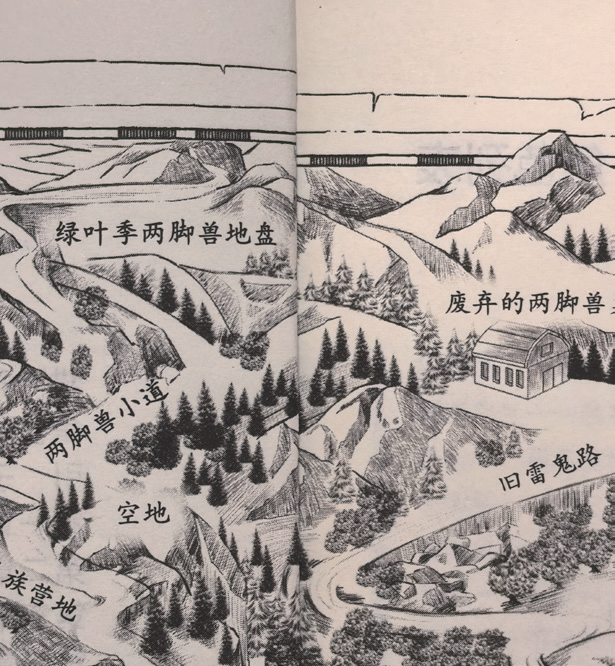
Figure 1 Longitudinal Misalignment of Across-Page Layouts
02/ Lateral Misalignment of Across-Page Layouts
Lateral misalignment of across-page layouts is generally divided into two types: one is when one or both pages of the layout shift too far toward the inner margin, causing the image at the joint to break (see Figure 2); the other is when it shifts too far toward the outer margin, leading to parts of the image at the joint being missing, which visually causes a misalignment (see Figure 3). If the missing part contains important elements or text, significantly affecting reading or information acquisition, it can be considered a defective layout due to missing content at the joint.
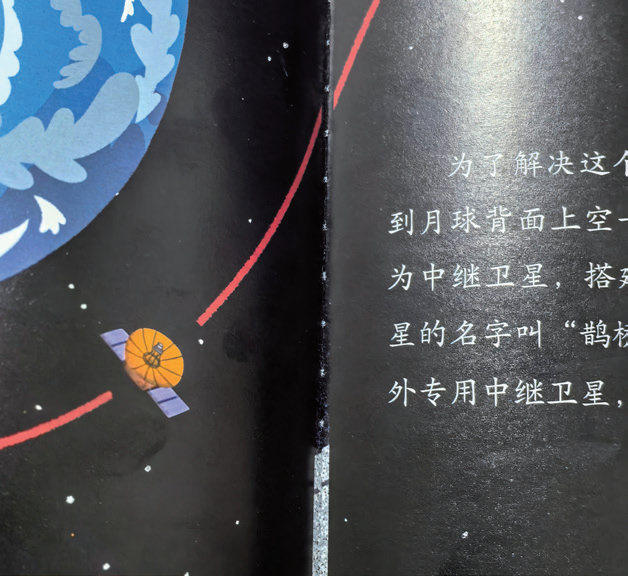
Figure 2 The offset of the plate pattern to the front opening causes the image to break
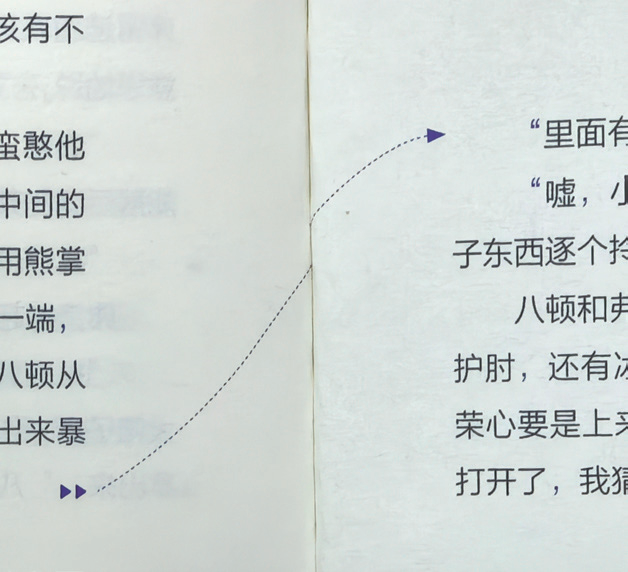
Figure 3 Misalignment of the pattern on the joined page causing line shifts
The causes of this kind of problem are partly the same as vertical misalignment and are related to the production process; the other part comes from the book design stage, where designers didn't take binding methods, pattern placement on joined pages, or reproduction difficulty into account, resulting in unreasonable design and systematic offset of text and images.
03/ Slanted pattern on joined pages
A single-sided or double-sided slant of the pattern on joined pages can also cause position errors to exceed limits (see Figure 4). This problem is relatively rare and usually happens due to issues like skewed paper cutting, folding deviations, or unstable equipment.
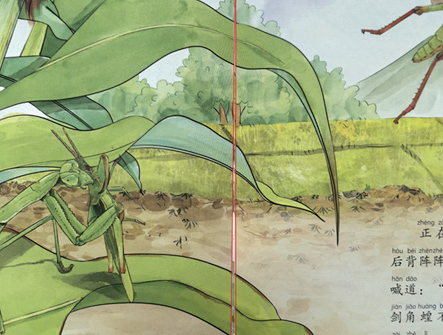
Figure 4 Misaligned Plate Pattern
Therefore, manufacturers should first ensure that the paper cutting is properly squared and regularly maintain and calibrate equipment to control deviations from the source. Next, sampling inspections should be conducted during folding, printing, and other processes so that any shifts are corrected in time, preventing error accumulation and amplification during production.
04/ Compound Plate Misalignment
In actual production, horizontal shifts, vertical shifts, and pattern skewing may occur simultaneously. This type is caused by a combination of multiple errors (as shown in Figure 5).
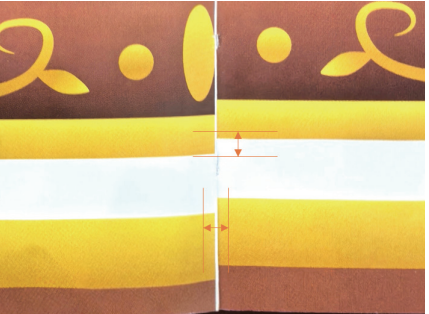
Figure 5 Simultaneous Horizontal and Vertical Misalignment Leading to Page Alignment Errors
When this kind of compound error occurs, a systematic check should be carried out according to the principle of "design first, production later." The first step is to review whether the design parameters in the electronic file are correct. If the design is accurate, then the issue lies in the production process, indicating that error control in multiple stages has failed or has accumulated.
Key Control Points for Cross-Page Layout Design
Cross-page layout design is not purely an artistic task; it combines artistic creativity, printing process knowledge, and bookbinding expertise. It forms the foundation for the success of cross-page layouts and is the most critical part. Designing layouts systematically with production processes in mind and proactively avoiding difficult cross-page layouts is the most cost-effective way to control overall quality, reduce scrap risk, and elevate product quality.
01 / Perfect Bound Books: Overlap Position Design
The characteristics of perfect binding make it hard for the book to fully lie flat. During binding, the book block needs to be milled at the spine, and according to GB/T 30326-2013, the milling depth should be 1.5mm ± 0.5mm. Without proper technical adjustments, about 3.0mm of text and images at the layout joint may be lost. This can result in partially missing patterns (see Figure 6) or text (see Figure 7) at the page joint, seriously affecting the reading experience.
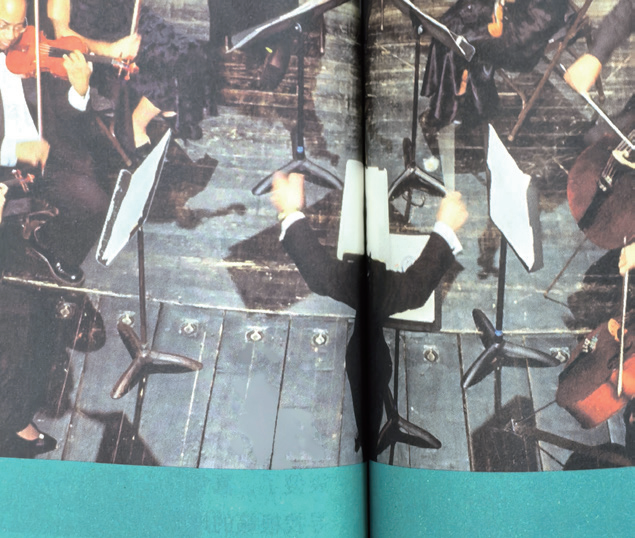
Figure 6 The images are missing because the wireless perfect-bound book plate wasn't processed

Figure 7 shows that the text is missing because the spread in the perfect-bound book wasn't adjusted.
So, when designing spreads for perfect-bound books, it's a good idea to preset a 3mm overlap for the illustrations in the digital file (like in Figure 8) to offset the effects caused by the bookbinding process.
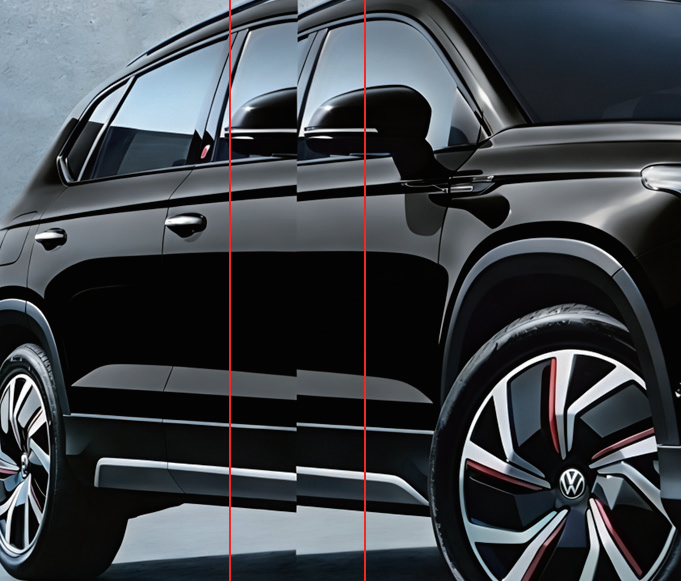
Figure 8 Example of reserved overlap area at the binding of a perfect-bound book
02/ Impact of the gutter: graded compensation design
Unlike sewn paperback books, in a well-bound perfect-bound book, due to the presence of the gutter, the first few pages near the cover and the last few pages near the back can barely be opened within the gutter area (forcing them open would expose the glue). At this point, if the spread designs near the cover aren't adjusted, parts of the design in the gutter can get pushed in, causing image misalignment (as shown in Figure 9) or missing content (as shown in Figure 10), which ultimately leads to quality issues with the spread.
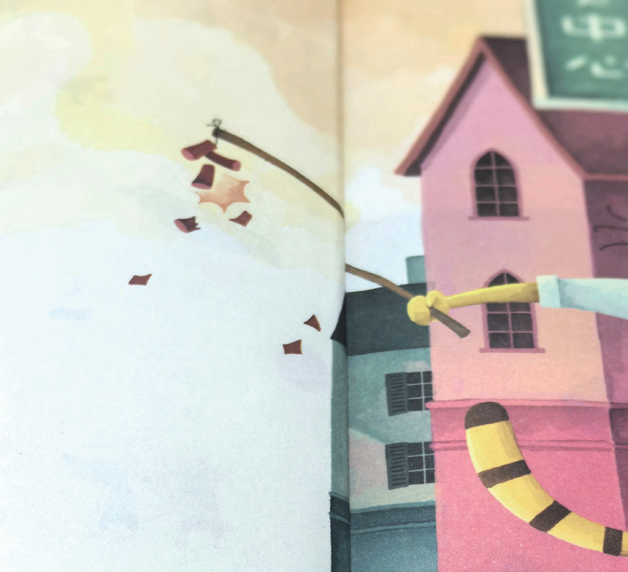
Figure 9 Image misalignment caused by not accounting for the page-fold line
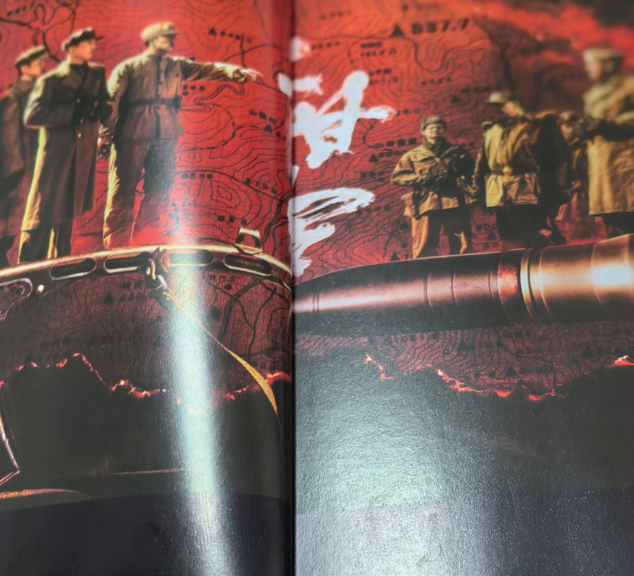
Figure 10 shows that not considering the gutter line can cause missing content in images and text.
The closer a page is to the center of the book, the less impact the gutter line has. So, according to the "Solution for Cross-Page Layout Quality Issues" released at the 5th China Printing Industry Innovation Development Conference, you can design different overlap sizes based on where the layout is on the page. Start from the center and gradually increase toward the front and back pages, adding extra on the outer pages to offset the gutter line effect (as shown in Figure 11). Specific settings can be found in Table 1. For example, for a book with 56 inner pages, Table 1 shows: Pages 1–9 and 56–48 should have a 7mm overlap; pages 10–15 and 47–42 should have 6mm; and so on, with the middle part of the book using a 3mm overlap.
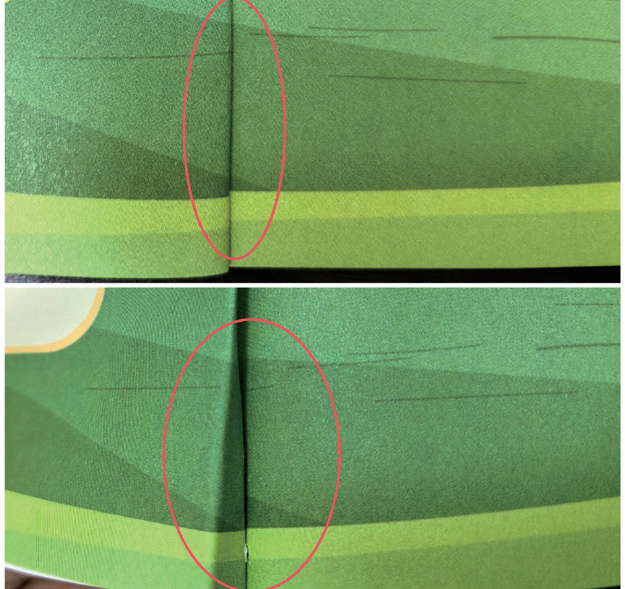
Figure 11: Reasonable design of overlap size
Table 1 Reference for overlapping positions between images and text in offset books with cross-page stitching
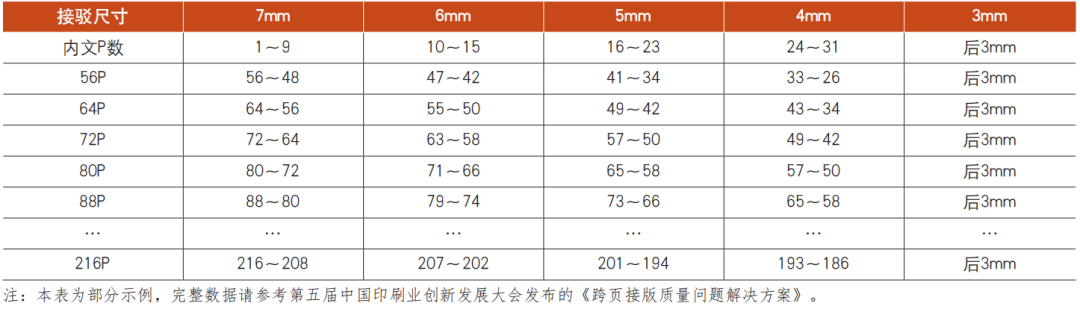
03/ Smyth Sewing and Perfect Binding: Reserved Glue Space Between Signatures
In the Smyth sewing and perfect binding process, a certain amount of glue can seep between the signatures during application, usually no more than 1.0mm. If a spread design happens to fall right between two signatures and the design stage didn't reserve enough glue space, some parts of the design can get stuck in the gap between the signatures due to the glue seepage. Also, some companies have issues in the binding stage with improper glue control or excessive glue, which can similarly cause text and images to stick. These situations can directly lead to problems in the finished book, such as misaligned text and images or missing content (see Figure 12).
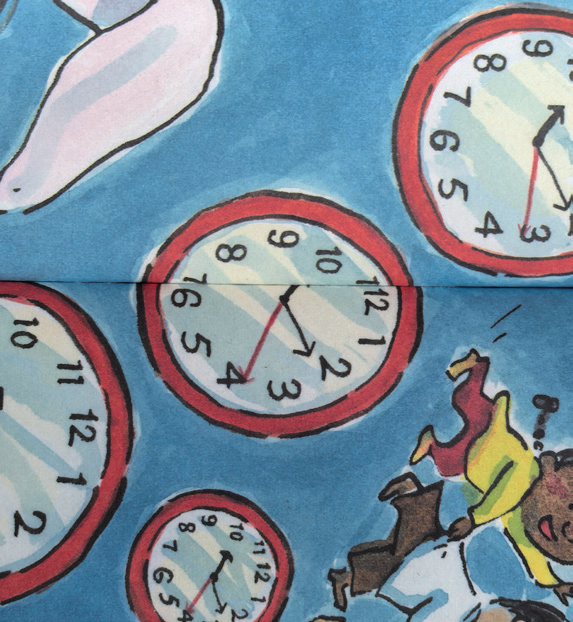
Figure 12 Missing Image in the Indirect Proof of Sewn and Perfect Bound Books
Usually, leaving a 1mm glue area for perfect binding (as shown in Figure 13) is enough to meet the proofing requirements. But when using thicker paper (like 128g/m² coated paper), to make up for the 'creep' caused by the paper thickness, you can add about 1mm extra overlap on top of the 1mm glue area.
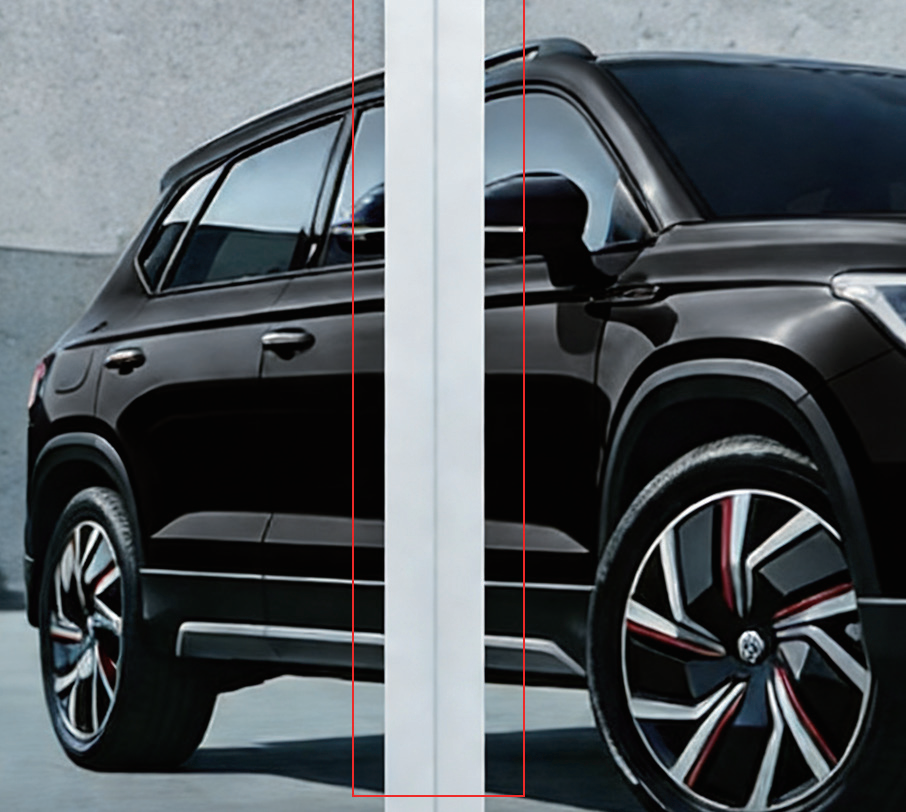
Figure 13: Reserved Adhesive Areas for Indirect Book Spreads
04/ Principles for Designing Overlap Areas: Matching the Process
A well-designed overlap area ensures that key information is accurate while also giving readers a complete and smooth visual experience, without interference from process flaws.
Currently, many books still have problems with poorly designed overlap areas. With plain backgrounds like sky or land, or with horizontal spreads, this issue doesn't significantly affect the visual outcome. However, if the overlap involves small text, characters, or other detailed elements, it can cause missing or duplicated content.
As shown in Figure 14, the spread pattern is on pages P6 and P7. The designers didn't fully consider the binding process, the constraints of the book gutter, or the paper thickness, and the overlap area was too small. This means that the spread pattern can't be fully displayed during normal reading. When you force the book open to check (which exposes glue and increases the risk of pages coming loose), you can see repeated images-neither scenario allows the pattern to be displayed correctly.
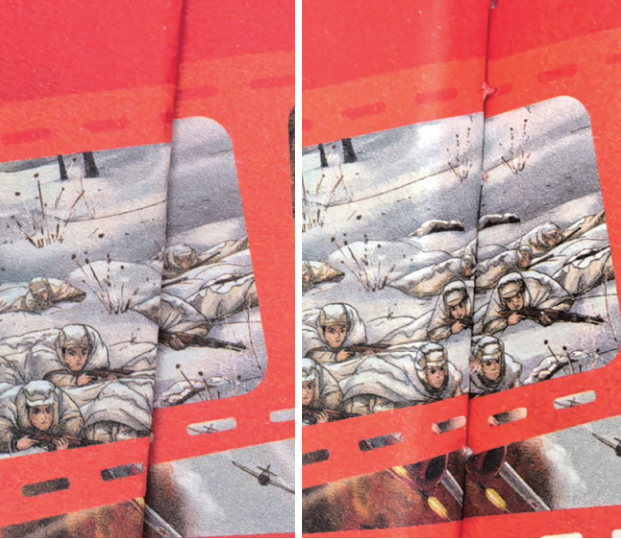
Figure 14 Improper Design of Overlap Area Size
The thread sewing and gluing process itself ensures that the pages spread evenly, so there's usually no need for special handling of the inner page joins of a booklet. If you blindly increase the overlap area (like in Figure 15), it can actually cause repeated patterns across pages, which sometimes affects the reading experience even more than missing or misaligned patterns at the joins.
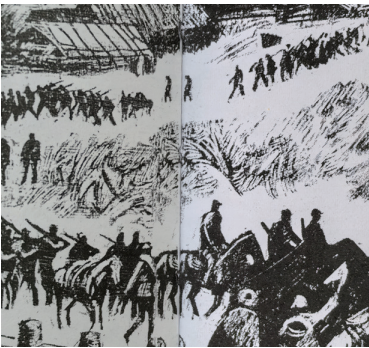
Figure 15 Design of Excessive Overlapping Areas
05/ Layout of Text and Important Elements: Avoiding the Book Spine
If the pattern at the page join contains small text, even if the misalignment between pages is less than 1.5mm, it may cause the text to get lost in the book spine (as shown in Figure 16), affecting the reader's access to the information. In severe cases, it could be considered a defective product due to missing text at the page join.
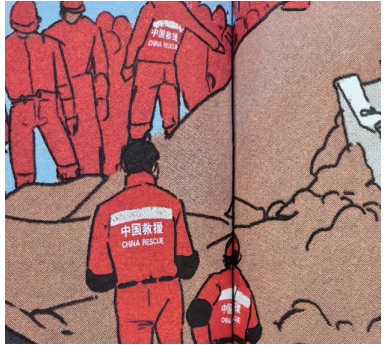
Figure 16: Small text at the seam is hidden between the book gaps
As shown in Figure 17, although the cross-page plate attachment error of this sample is less than 2.0mm, due to the design of fine text at the plate attachment point, once the pattern shifts horizontally (or even without obvious deviation), the text will fall into the book seam, making it unrecognizable, and it is ultimately determined to be a nonconforming product with missing text at the plate seam point. When the cross-page seam pattern contains fine text, avoid placing it at the seam area, especially in areas like wireless glue binding or stitched glue book rooms that require additional technical processing.
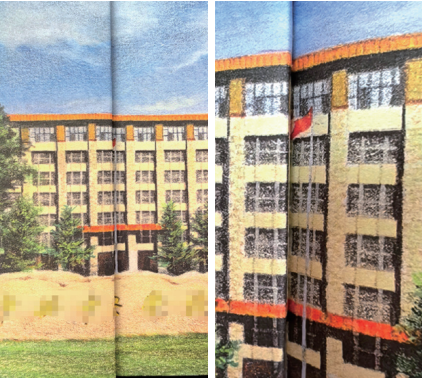
Figure 17 Missing Important Patterns at Page Joints
If the design at a page joint includes important elements like the national flag, national emblem, or people, it must also be avoided. Placing key elements at positions prone to issues can not only create a poor visual effect but also potentially lead to political mistakes, so strict prevention must start from the design stage. The National Press and Publication Administration's "Notice on Strengthening Printing and Reproduction Quality Management" clearly states: "Major thematic publications must avoid political errors caused by technical mistakes."
06/ Special Content Handling: National Flags, Maps, etc. Must Not Span Across Pages
Maps (especially national maps) include important elements like national borders, key islands, country and place names, as well as scales, coordinate grids, small text annotations, and small symbols. Their importance and seriousness far exceed regular patterns, and they require extremely high production accuracy. They should never be designed to span across pages.
As shown in Figure 18, due to misalignment in folding, the map pattern shows serious quality issues such as noticeable misalignment of latitude and longitude lines and guide lines, along with missing text and patterns. Especially for maps of China, publication must strictly comply with the "Regulations on Map Management," ensuring that the maps do not display content that "endangers national unity, sovereignty, and territorial integrity."
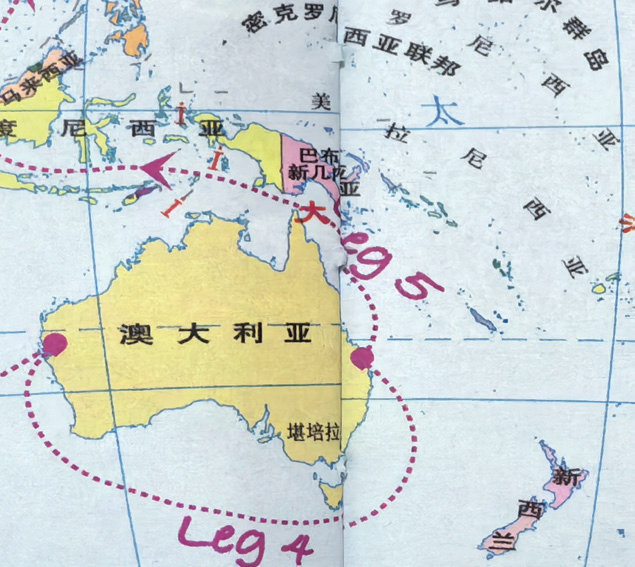
Figure 18 Several problems caused by improper processing
When a book needs to display a large map, it's better to place it across two separate pages (as shown in Figure 19). By avoiding joining the map across a spread, you can fundamentally eliminate the unacceptable risks of pattern misalignment and missing information caused by registration errors.
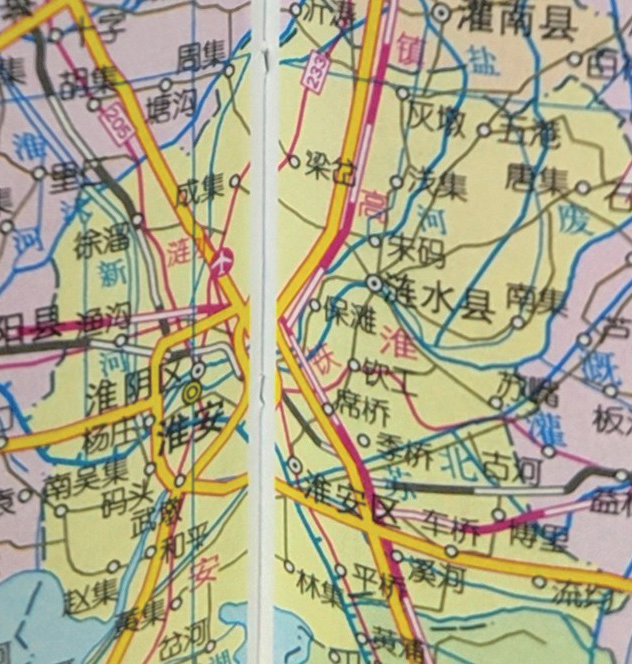
Figure 19: The large-area map is split into two sections
07/ Book Redesign: Process changes require re-adaptation of the design
When reprinting or reprinting books, if the binding process, paper materials, or other physical properties change, designers must re-check the compatibility between the old edition and the new edition; Panel deviations caused by changes in the binding process but no adjustment of the plate seam design are also common in current quality inspections.
As shown in Figure 20, when a book changes its binding method from wireless binding to thread binding to improve print quality, designers should first check whether the original book has a seam pattern. If it exists, unnecessary overlapping areas need to be removed, and depending on their position in the stitched binding book (whether it is located between the book books), consider whether to continue technical processing.
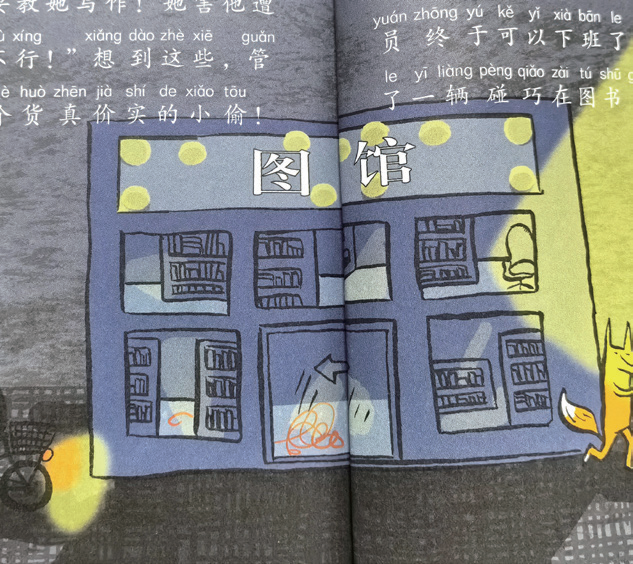
Figure 20 Change in perfect binding method, untreated imposition causing missing text
Key Points of Quality Control in Production
Besides careful design upfront, quality control during production is also crucial to ensure accurate cross-page imposition. Every step, from prepress checks to paper cutting, from print registration to binding, requires precise operations and stable control, all of which directly affect the final appearance of the imposition.
01/ Prepress Check
Prepress checks are a key line of defense against cross-page misalignment errors. The main goal is to systematically eliminate technical risks before files are printed. Inspectors must identify and correct structural defects caused by mismatched processes (like not leaving enough backhollow for perfect binding) or poor design before production, preventing cross-page misalignment from the source. In recent years, the National Press and Publication Administration has consistently focused on whether files were checked before printing and whether the design matches the printing process during quality inspections of key topic publications, primary and secondary school textbooks, and follow-up enterprise inspections.
02/ Paper Cutting
Paper cutting errors are a major factor in imposition deviations. If the cut paper is uneven or skewed, the resulting errors combine with deviations in later steps, significantly worsening the misalignment problem. National standards specify tolerances for paper cutting length and squareness. For example, for an 80g/m2 paperback, the "Requirements for Paperback Books" (GB/T 30326-2013) states: for every 150mm of cut length, the tolerance is ±0.1mm, and the squareness tolerance is ±0.2mm. Figure 21 shows a diagram of sheet squareness.
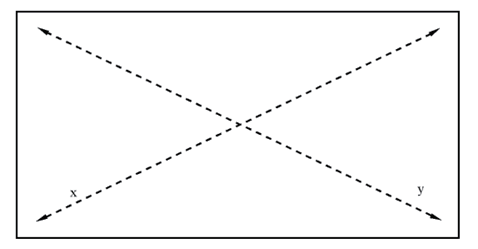
Figure 21 Schematic of Sheet Alignment Accuracy
03/ Printing Stage
During printing, the first issue is inaccurate positioning of the front and side guides, which can cause the sheets in the same batch of books to shift overall, and in serious cases, may result in the batch being of poor quality. Additionally, even if the positioning is accurate before production, equipment wear and vibration during operation can still cause guide drift or instability. If the machine isn't stopped for timely adjustments, sheet misalignment will occur. Therefore, besides making sure the alignment lines of the first sample are correct, production staff also need to carry out regular spot checks during production to maintain the accuracy and stability of the guide system. Figure 22 shows accurate printing alignment.
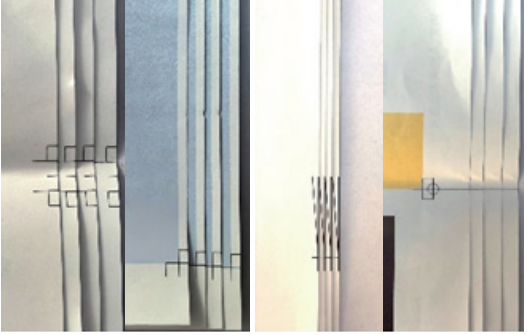
Figure 22 Printing Positioning Accuracy
04/ Binding Process
If the positioning of the first folding step is off, or if the equipment's accuracy drifts during continuous operation, it can cause folding errors, which then lead to misalignment in the final assembled book. Besides, improper control of process parameters in different binding methods can directly affect the alignment: if the milling depth for perfect binding is too deep, it can make the images incomplete at the spine; if the crease line isn't accurate or deep enough, it can affect how the pages turn, causing misalignment; and if the glue penetration in sewn binding is too deep, it can make the images stick together and create alignment issues. The precision and consistency of these process parameters are key to the final alignment. Figure 23 shows accurate folded sheets in binding.
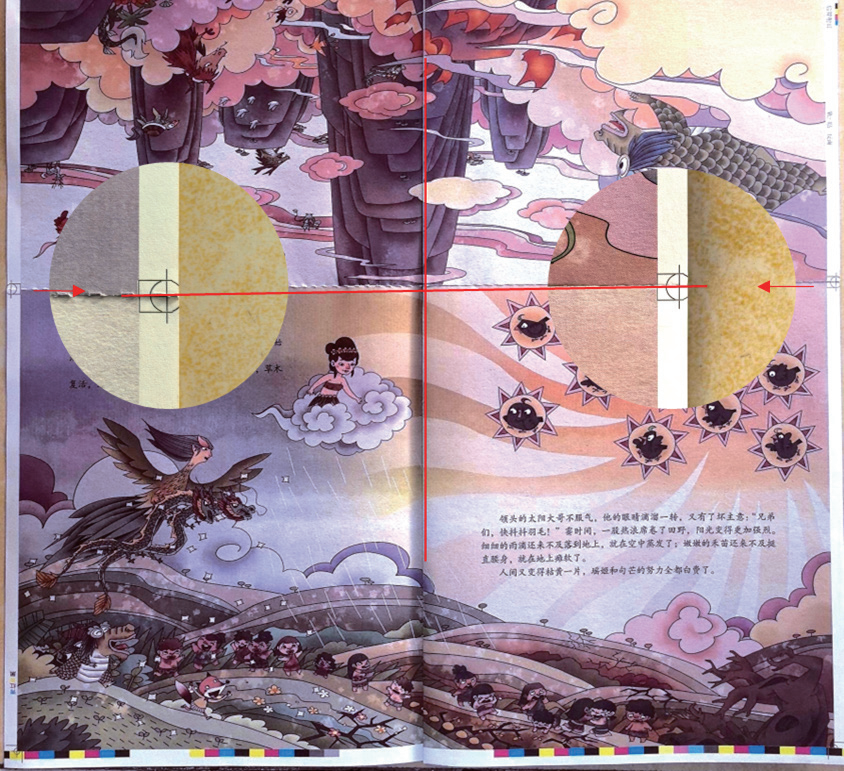
Figure 23: Accurate Binding and Folding Pages
Solving the issue of misalignment across book spreads is technically complex and involves many steps, but it's not impossible. The key lies in the deep integration and ongoing dialogue between design and production-designers need to fully understand the constraints of the process, while production must precisely follow design specifications. Only through close collaboration, systematic quality control, and strict checks at every step can you balance artistic expression with craftsmanship, achieving spreads that are complete, easy to read, and reliably high-quality. Essentially, aligning spreads is not only a reflection of teamwork and precision in publishing but also a crucial challenge to overcome in improving book quality.