


How do you control the quality of plate making? These four environmental factors are key!
During the plate-making process, the quality of the environment directly determines the quality of plate-making and subsequent printing processes. The most well-known requirements for plate-making environments are: avoiding light, dustproof, maintaining constant temperature and humidity. Whether it is traditional film plate-making or today's mainstream electronic plate-making, the requirements for plate-making environments can be summarized by these four points. Some plate-making personnel tend to overlook environmental factors during work, which can lead to various problems and potentially impact plate materials and printing quality. The key to controlling environmental factors lies in people, especially the sense of responsibility of plate-making personnel. Below, I will share my personal feelings and understanding regarding these four points.
Avoid the light
For film plate making and UV-CTP plate making, light protection is the most important condition during the plate-making process. As plate makers, you should know that the photosensitive layer of these plates is a crucial component of the plate, highly sensitive to light, and is a polymer composed of photosensitive substances, solvents, film-forming agents, dyes, and other materials. As a plate manufacturer, regardless of the plate or model, the first plate during packing is placed upside down (with the photosensitive layer facing inward and paper sandwiched in the middle), and the entire plate is wrapped in black plastic (or dark kraft paper), then wrapped outside the carton. The purpose is not only to prevent moisture but also to minimize premature exposure of the plate. Once the plate is exposed to sunlight (including diffused light and fluorescent lamps) before sun-drying, some substances inside the photosensitive layer will inadvertently decompose. As the exposure time of the plate increases, the rate of decomposition accelerates. The developer is an alkaline solution that effectively strips the innoic acid produced by the photosensitive agent after exposure. If such plates are exposed before drying, the most serious consequences are that after development, the images and text become lighter, dots shrink or disappear, which in turn greatly reduces the durability of the images and text, making plate drops very likely. Therefore, plate makers must ensure proper protection from light on these plates during operation.
There was once a case of mistake: before drying the UV-CTP plate, the plate maker first tore open a large area of kraft paper packaging, then prioritized using the plate with the surface placed upside down, neglecting to pull the curtain to block the light. During plate making, sunlight just shone on the plate, and once the plate became visible, several images and text in the same area became lighter in succession. This shows the critical importance of light protection control.
One point to raise here is the issue of thermal plate making. Whether it is thermal curing technology, non-reactive thermal technology, or thermal decomposition technology, all are low-sensitivity imaging systems that use infrared laser plate making. Typically, placing these plates in normal environments does not change their photosensitive layer, so they can be operated in bright chambers.
Dustproof
During operation, plate-making equipment generates more or less static electricity and air disturbances at certain speeds, which can adsorb fine dust particles or foreign matter, such as wood chips or black plastic film from unboxing, onto the printing plate. Dust particles or foreign objects adsorbed onto the plate surface can form unexposed dirty spots or partial screen gaps after exposure, which affects the integrity of the printed plate images and text. Dust particles or foreign objects adsorbed on the back of the plate can also cause local screen gaps, which can generate unnecessary scan lines for platform CTcP plate making machines.
Many people simply believe that mopping the floor is dustproof, but this is a one-sided view. In practice, dust prevention should be divided into two parts: outdoor dust prevention and indoor dust prevention. The best way to prevent dust can be summed up in two words: close and be diligent. Closing means closing doors and windows. Diligence means wiping frequently. The purpose of closing doors and windows is to reduce airflow and minimize the entry of outdoor dust. Frequent wiping means wiping away dust from indoor floors and equipment surfaces, keeping the surroundings clean during equipment operation and preventing dust from being brought in by airflow disturbances.
It is undeniable that the plate-making space is a space with special working characteristics, with odors from mixed chemicals and odors. The odors in the plate-making process mainly come from the evaporation of developing chemicals (or related agents), the mixture of the plate's photosensitive layer, and the evaporation of adhesives. Opening windows appropriately for ventilation is necessary. It is acceptable to open windows for ventilation when plate-making is not operating, but windows should not be left open for long periods to avoid large amounts of dust entering the interior.
There was once a case of error: during the process of making CTP thermal plates, after development, it was found that the images and text on the plate were missing screens, accompanied by localized scan lines. After contacting the equipment engineer, it was learned that every other section of the plate-making drum has air passages and suction holes (see Figure 1). When some suction holes are blocked by dust and dirt, they cannot hold the plate tightly, causing fluctuations during laser scanning and resulting in localized mesh gaps and scan lines (see Figure 2). After understanding this situation, we used a fine needle to probe the corresponding pores and poked open the blocked small holes. Subsequently, the problem did not occur during plate making. This incident further demonstrates that whether traditional film plate making or modern digital plate making, dust prevention must be taken seriously.
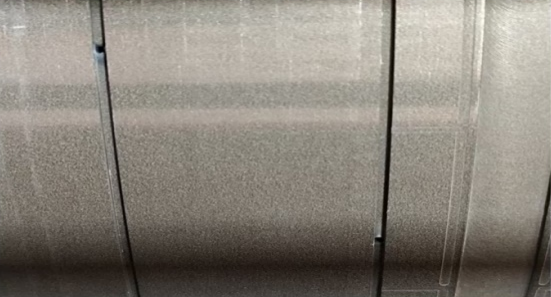
Figure 1 Air channels and air holes on the plate-making roller
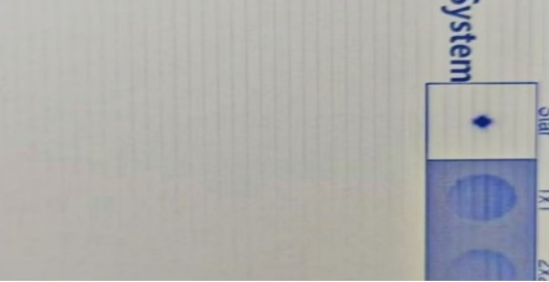
Figure 2 Scanning lines caused by poor plate adhesion
Constant Temperature and Humidity
Constant temperature and humidity are closely related aspects. They are important not just for the plate-making room environment but also crucial for the exposure and development stages. For the plate-making process, various sensors on the plate-making equipment are very sensitive to temperature and humidity changes. If these conditions fluctuate too much, sensors and other components can malfunction, leading to precision errors. Under normal circumstances, the temperature in the plate-making room should be kept around 18℃ to 25℃, and the humidity should be maintained at about 45% to 60% (as shown in Figure 3).
For the development stage, high temperatures can increase the activity of the developer, speed up the oxidation process, and cause excessive removal of the photoresist layer on the plate, resulting in issues like blotchy plates, missing halftone dots, and thinner fonts. Low temperatures, on the other hand, can weaken the developer, causing incomplete development and leaving gray residue. Furthermore, CtP plate-making machines are even more sensitive to high temperature and humidity. These machines need coolant circulation to lower the temperature during laser operation, ensuring continuous operation. If the equipment is in a high-temperature, high-humidity environment, the cooling system's pipes and components can generate a lot of condensation. As the condensed water accumulates and mixes with oil on the tracks, it can drip onto the plate during operation, causing contamination. Condensation also poses a risk of short-circuiting electrical components.
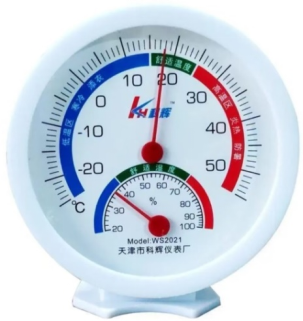
Figure 3 Temperature and Humidity Instrument in the Plate-Making Room
High temperature and high humidity not only have a significant impact during the plate-making process, but can also cause problems when storing plates. Nowadays, the equipment integrates development and coating, and the protective coating layer is relatively thinner compared to manually applied coatings. When plates coated with protective coating are stored in high temperature and high humidity environments (especially during the rainy season in summer) for more than 7 days, the once-dry protective coating continues to absorb large amounts of moisture from the air. This changes the protective coating, making it lose its ability to protect the plate, leading to dirt on the plate or poor inking during printing. Therefore, keeping the plate storage room at a constant temperature and humidity is a very important environmental control measure.
From the above, it is clear that environmental factors have an important impact on plates and subsequent printing. To maximize print quality and accurately reproduce the original text and colors, plate-making staff need to pay more attention to environmental conditions and take responsibility. For plate-making staff, it's not just about chasing production numbers; quality in the plate-making process is key. Careful plate-making, timely review of experiences and mistakes, and focusing on the plate's durability and color reproduction during printing are all important. Plate-making and printing are interconnected and affect each other. Only by paying attention to environmental factors in the plate-making stage can a printing company improve quality, reduce production costs, and increase work efficiency.