


How to Choose the Right Foil Stamping Technique for Your Labels?
Foil stamping is a powerful way to enhance the look of your labels, giving products a premium, eye-catching feel and helping your brand stand out in the market. Whether you opt for cold foil, hot foil, or alternative options like metallic label materials, the final choice should be based on your label design, material characteristics, and brand goals. To help you quickly pick the right technique, let's talk about the differences between hot and cold foil stamping.
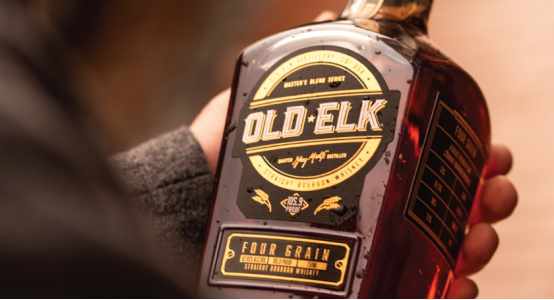
Hot Stamping
01
What is Hot Stamping?
Hot stamping, also known as foil stamping, is a special printing technique that transfers metallic or colored foil onto the surface of a substrate through a heat and pressure process. This technique creates a durable, high-quality surface finish, making it especially suitable for luxury packaging, high-end brand presentation, and intricate pattern designs.
02
How Hot Stamping Works
Hot stamping mainly uses heat and pressure to transfer patterns or text onto the surface of the material. To complete this process, you need a hot stamping machine and a hot stamping die engraved with specific text or patterns (such as zinc plates, copper plates, silicone plates, etc.). The material is heated to the required temperature, the necessary pressure is applied, and time is maintained to achieve the transfer.
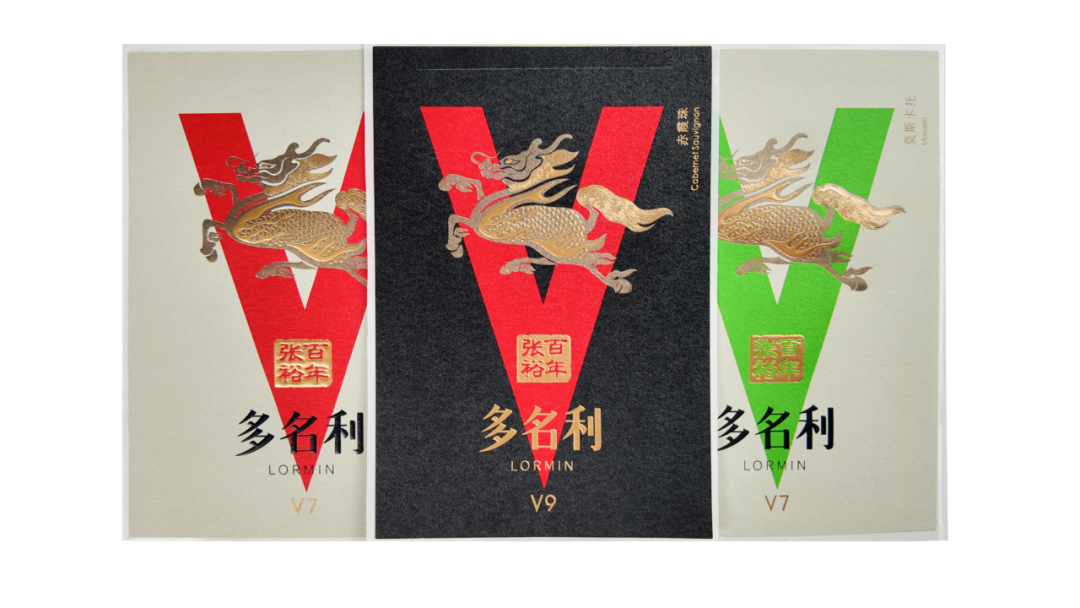
Usually, the gold logo or pattern you see on labels is done using hot stamping. Of course, gold stamping isn't limited to just gold; commonly used colors also include black gold, white gold, silver, and so on.
The characteristic of hot stamping is that the stamped area is slightly indented, similar to embossing. But compared to embossing, hot stamping adds a bit of color on top. It's often this bit of color that gives the whole label a finishing touch, grabbing the customer's attention and allowing them to quickly pick up the main information on the packaging.
Cold Foil
01
What is Cold Foil?
Cold foil, as an innovative surface finishing technique, has attracted lots of attention in the label industry because of its unique benefits and impressive results. Cold foil is a printing process that uses an adhesive to transfer foil onto the surface of the substrate.
02
How Cold Foil Works
In cold foil printing, an adhesive is first applied to the substrate, then the foil is placed onto it. Through pressure and proper temperature, the adhesive cures, firmly attaching the foil to the substrate.

Compared to traditional hot foil stamping, cold foil stamping doesn't require heating the metal stamping plate. Instead, it transfers gold leaf through a chemical reaction of adhesives, resulting in lower energy consumption and a wider range of applications.
Cold foil can achieve a metallic shine and 3D effect similar to hot foil, making printed materials more exquisite and high-end. At the same time, there are many types of cold foil available, including gold, silver, and various colors, meeting different customer needs. Additionally, cold foil can be applied simultaneously with the printing process, without requiring separate stamping equipment or steps. This enables high-speed continuous printing, making it ideal for large-scale production.
Application Scenarios
01
Hot Foil Suitable Scenarios
(1) Luxury brands: Suitable for labels, wine bottles, and cosmetic packaging of high-end products, providing texture and visual impact.
(2) Complex, detailed designs: Ideal for fine lines, small decorations, and text, offering high precision and 3D effects.
(3) Combined with embossing: Hot stamping combined with embossing adds layers and texture to labels.
(4) Textured materials: Performs well on textured paper and premium packaging materials, enhancing visual appeal.
02
Cold Foil Suitable Scenarios
(1) Large-area foil: Great for bold, full-cover metallic designs, providing eye-catching visual effects.
(2) Heat-sensitive materials: Suitable for materials like transparent films and white BOPP, avoiding heat damage.
(3) Vivid color effects: Supports customized foil colors, gradients, and multicolor effects, adding design flexibility.
(4) Efficient production: Fits high-speed printing and large-scale production with cost efficiency.
In summary, hot and cold foil each have their unique advantages. The choice depends on the product label design, material, and brand goals. If you want fine details, embossing effects, or a luxurious finish, hot foil might be the best choice. If you prefer bold, high-shine metallic effects on a wider range of materials, cold foil could be the perfect option.