


Big secrets hidden on wine labels! Turns out there are so many 'unlock codes' on wine labels!
In the wine industry, a label is far more than just a piece of paper; it's a storyteller, a spokesperson for the brand image, and a key factor influencing consumers' purchasing decisions. Each bottle of wine captures consumers' attention with its unique label design and quality expectations. But how exactly are these eye-catching labels created? In this article, we'll take an in-depth look at the secrets behind crafting an outstanding wine label.
Collaboration: The Core Foundation of Product Innovation
The first step in creating an excellent wine label is to accurately identify needs and coordinate with various professionals, including graphic designers, label printing companies, wineries, and bottling teams. This kind of multi-party collaboration balances all production and usage factors, covering printing compatibility, die-cutting techniques, practical functionality, and the various storage and display scenarios for wine bottles.
Listening to everyone's input isn't just about collecting production requirements; it's about understanding the brand's core concept and translating abstract brand ideas into tangible, practical labels. Many wineries want their labels to convey a unique brand story, and the heart of label design is to perfectly present this brand essence. The process involves multiple rounds of plan adjustments and detail optimizations to ensure the final product aligns with the brand tone and resonates with the target consumers.
Custom-Made: Crafting a Brand-Exclusive Label
If you want your wine to stand out on an otherwise homogeneous shelf, a tailor-made, targeted label solution is the best choice. The full customization process includes demand analysis, performance testing, sample prototyping, and trial production adjustments, among other steps.
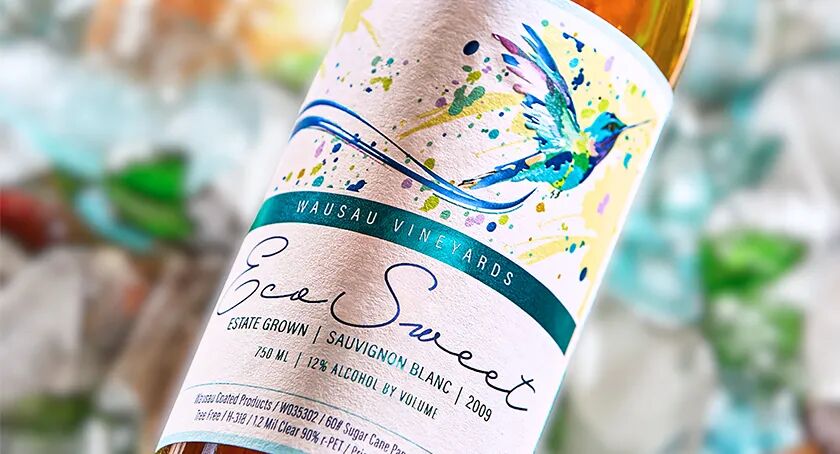
Creating custom wine labels starts with deeply understanding the core of the brand. It requires thorough communication with the client to fully grasp the brand concept, target audience, market positioning, and other key information. Once the brand needs are completely understood, the professional design team will produce multiple creative plans for the client to review and adjust.
After the design plan is finalized, it moves into the professional testing phase. By producing samples in batches, comprehensive tests are conducted to fully verify the label's adhesion, durability, moisture resistance, temperature tolerance, and resilience to environmental changes. After rigorous testing, the final wine label not only has outstanding visual appeal but also maintains stable performance in all kinds of complex scenarios.
Material Innovation: Empowering High-Performance Labels
Nowadays, there are several custom innovative materials available for wine labels. These materials are developed in response to real industry needs, allowing labels to maintain a perfect appearance even in high-humidity environments, effectively preventing bubbling or wrinkling. Even if the wine bottle is soaked in an ice bucket, the label remains intact and attractive. These materials excel in performance and durability, suitable for quick filling and packaging production lines among other applications.
Of course, innovation in wine labels goes beyond just raw materials; printing techniques and production technology are continually evolving. For example, digital printing has completely transformed traditional label production, making customized and personalized production more flexible and efficient. Highly personalized designs can bring brands closer to consumers and effectively enhance brand recognition and engagement.
In-Stock Inventory: Balancing Efficiency and Diversity
The wine industry has high demands for production and delivery speed. A rich inventory of materials allows for rapid order processing and timely shipment, helping wineries accurately control launch timing. A complete inventory system can meet both standardized purchasing and personalized customization needs, flexibly adapting to the diverse requirements of different clients.

For label printing companies, having a wide range of post-press finishing techniques is essential. Processes like embossing, foil stamping, and varnishing can give wine labels a premium feel and unique texture, greatly enhancing visual depth and detail, making the product more recognizable and competitive on the shelf.
Tech upgrades: improving quality and efficiency while keeping green development in mind
A high-quality wine label not only needs to impress consumers with its design and convey brand value, but also must be durable enough to withstand all kinds of wear and tear from production, transportation, to final consumption.
That's why it's crucial to set up a comprehensive standardized testing system. For example, simulating tough scenarios like ice-bucket soaking and high-humidity storage can test the label's durability and stability from all angles, ensuring every finished product meets high-quality standards.

In addition, the iteration of advanced equipment and innovative technologies has completely revamped the production process of wine labels. For example, digital printing combined with hot stamping can create high-quality, durable, and personalized labels; augmented reality technology can improve the functionality of labels; and continuous improvements in recycling technology can effectively increase the recycling rate of label waste, reducing resource waste.
Overall, tech upgrades in the industry should always stick to two core principles: keeping up with cutting-edge trends to achieve technological breakthroughs, and aligning with the actual needs of the wine industry to implement practical and effective innovative solutions.