


Talking with Epson executives: Using technology and Localization 2.0 to build a print ecosystem and unlock new value in digital printing
The 10th China International All-in-Print Expo kicked off as scheduled, bringing together the full force of the printing industry to explore new paths for digital transformation. This year, Epson made a big appearance with the theme 'Printing Ecosystem, Professional Digital Empowerment,' focusing on the industry's transformation challenges and showcasing a range of innovative solutions and practical applications for digital labels, packaging printing, and quick print services.
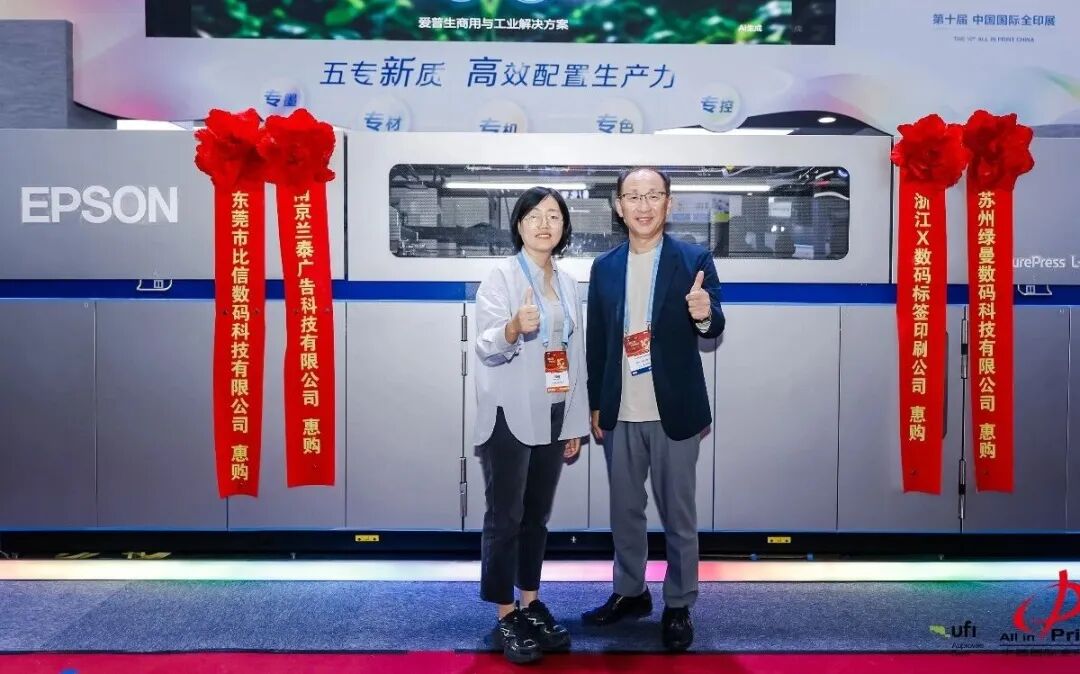
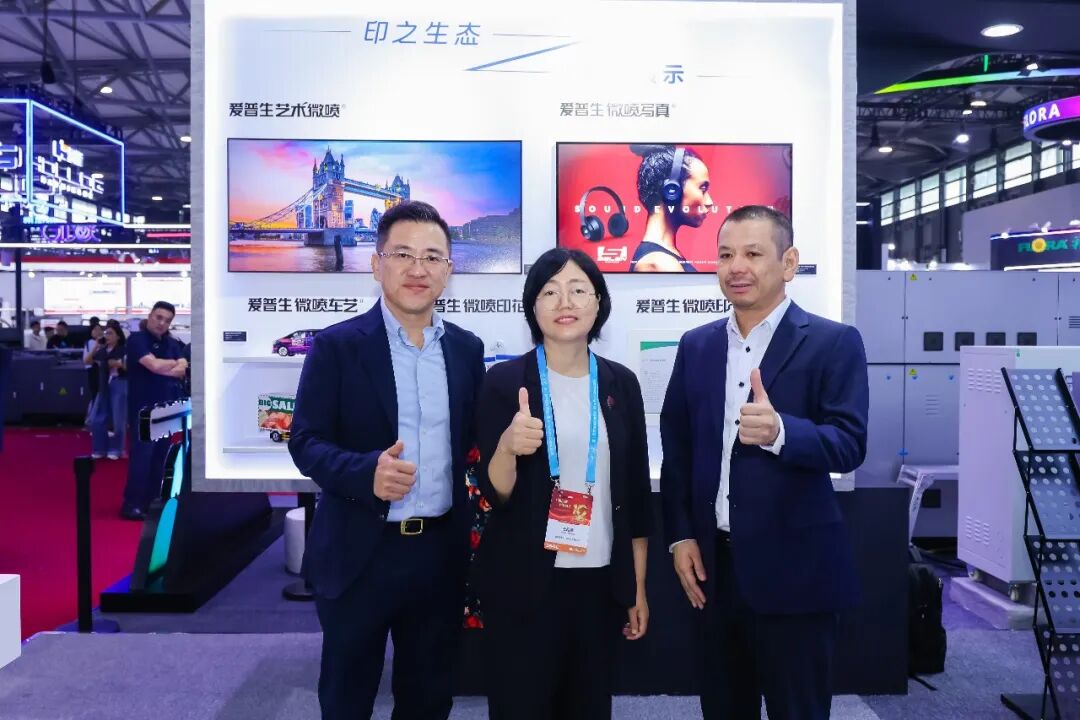
Amid the global wave of transformation,
China has become the source of innovation
Looking at the global commercial and industrial printing market, the structural transformation from traditional printing to digital printing continues to deepen, with digital penetration rates steadily increasing in advertising printing, textile printing, label packaging, and other fields, continuously unlocking considerable incremental potential. From the group's global strategic perspective, Mr. Akihiro Fukaishi pointed out that the Chinese market has long surpassed the positioning of a single sales market and become an important global innovation hub for Epson. The continuous emergence of new scenarios, solutions, and business models in China is driving global product R&D in turn. A large number of proven technological achievements in China have gradually been introduced to the global market, making China one of the core key regions for Epson's business growth and technological innovation.
In Epson's "ENGINEERED FUTURE 2035 Long-Term Vision (EF35 Vision)" released this year, the first three-year phase (2026–2028) will prioritize expanding its product matrix. Mr. Akihiro Fukaishi explained that China's industrial printing equipment sector is currently expanding rapidly, and industry competition is becoming increasingly fierce. In his view, simply increasing equipment capacity makes it difficult to build a differentiated competitive advantage. Epson will focus on its technological strengths, pursue higher precision and more accurate colors in its products, ensure long-term stable and reliable equipment, and provide more timely and efficient services to continuously strengthen its competitiveness in the Chinese market.
Mr. Ishibashi further analyzed the differentiation between commercial and industrial printing markets based on the current situation of the Chinese market: in specialized imaging, graphic and text printing, advertising signage, and digital printing, digital transformation has made significant progress; while in fields like packaging and labeling, the potential for digital transformation remains to be unleashed. Mr. Ishibashi stated that for Epson to break through in market competition, simply selling equipment and consumables is not enough; it must deeply cultivate each niche and transform technology and products into tangible commercial value for customers.
Province, small, and refined,
Creating "original Chinese solutions."
Epson has always adhered to the technical philosophy of "Economical, Small, Refined," integrating core capabilities such as PRECISIONCORE® printing technology and color management into solution development for the Chinese market. Mr. Kyosuke Ishibashi explained that this is not simply about moving global products to China, but about combining the actual needs of Chinese customers and working hand in hand with partners to create "original Chinese solutions" based on customer business processes.
For example, in the large-format printing field, the domestic advertising market continues to demand image gradation, color gamut performance, and media adaptability. In 2025, Epson launched an 11-color weak solvent micro-spray printer for the advertising industry, and developed a new 6-color model SureColor B9580 specifically for Chinese market customer needs. It relies on light cyan and light magenta inks for smoother color transitions, catering to diverse scenarios such as indoor advertising and short packaging sample making; At the Shanghai Advertising Expo in March this year, Epson introduced a 10-color A1+ UV flatbed printer and made its Asian debut. Relying on white ink and luscent configuration, it adapts to various rigid boards and shaped materials for printing, further expanding its advertising product line and covering mainstream business in both roll and flat formats.
In the industrial label sector, besides continuing to perform excellently in traditional advantageous tracks, this All-Print Expo unveiled a digital-flexo-integrated water-based eco-friendly inkjet label solution, deeply integrating digital inkjet with traditional flexographic printing processes. It balances the cost advantages of flexographic printing in spot color and large-area color block printing, as well as the flexible capabilities of digital printing with variable data and small orders for quick reflection, achieving an optimal production model that balances both long and short orders.
Integrated water-based eco-friendly inkjet label solution for Shurou
From advertising to industrial labels, these products are not simply global models but localized solutions developed after in-depth research into domestic industry pain points, precisely matching the actual production scenarios of different industries in the Chinese market.
Yinzhi Ecosystem has evolved from an equipment supplier to a digital solution service provider
Packaging printing, as a blue ocean market in recent years, has a significant scale and growth rate, making it a key focus for major manufacturers. At this year's All-Print Exhibition, Epson introduced several new solutions based on physical packaging printing and physical sample making, meeting the industry's demand for highly personalized, small-batch fast response, multi-media, and wide color gamut. In the label sector, Epson has mastered two major digital label printing technologies: water-based and UV, achieving full application scenario coverage. The newly launched digital-flexible integrated water-based eco-friendly inkjet label solution at this exhibition is especially suitable for printing companies focused on high-value applications such as electronics, pharmaceuticals, daily chemicals, and anti-counterfeiting, and for handling high-end brand orders. For small and medium-sized printing companies, Epson also introduced a desktop distributed matrix deployment solution. This solution supports low-cost investment, pre-deployment, and intelligent order splitting, enabling zero downtime* and dedicated machines, avoiding production interruptions caused by single equipment failures, helping customers flexibly allocate capacity according to order structures, and enabling flexible production on demand.
*Ten devices deployed, data sourced from Epson laboratories, may differ from actual usage data.

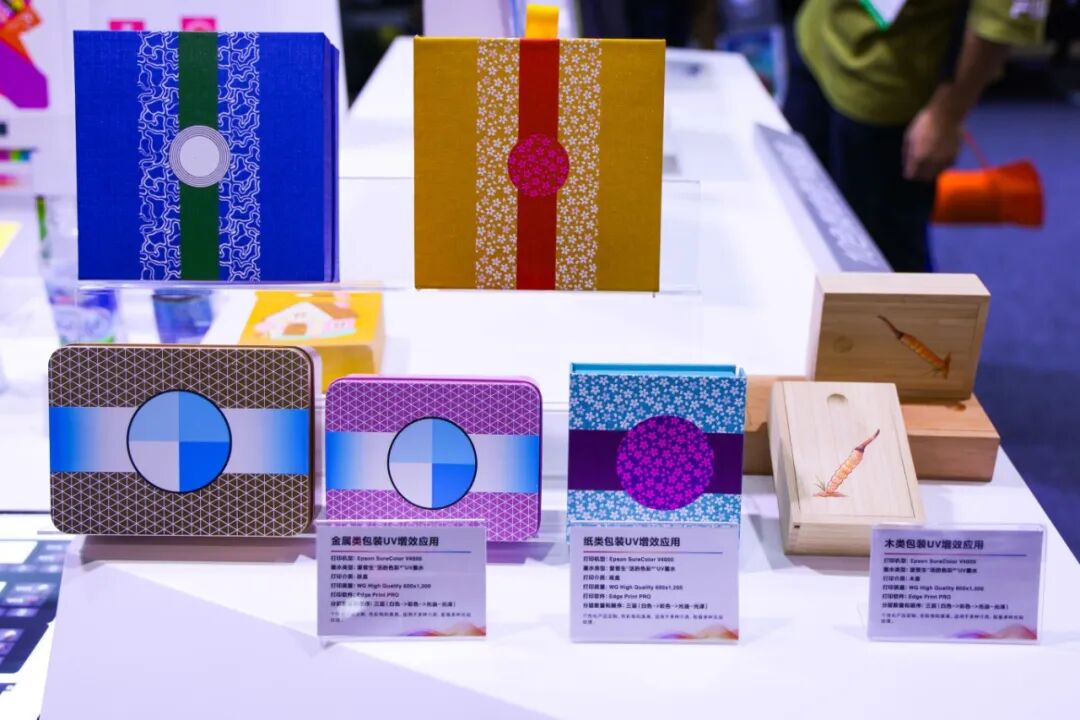
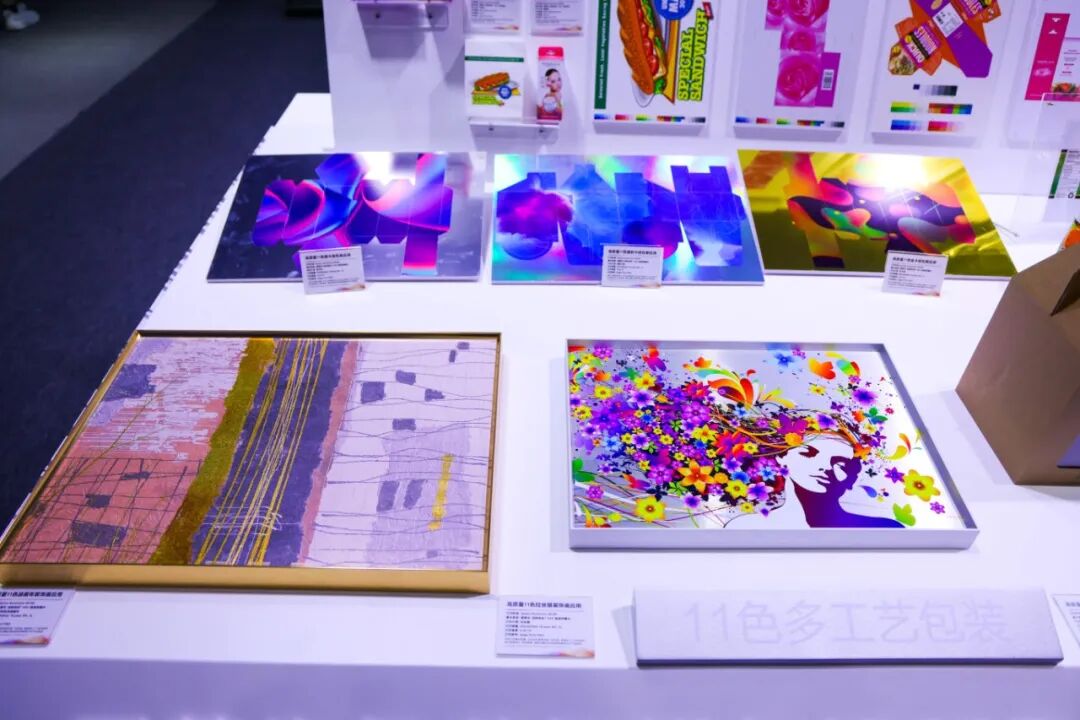
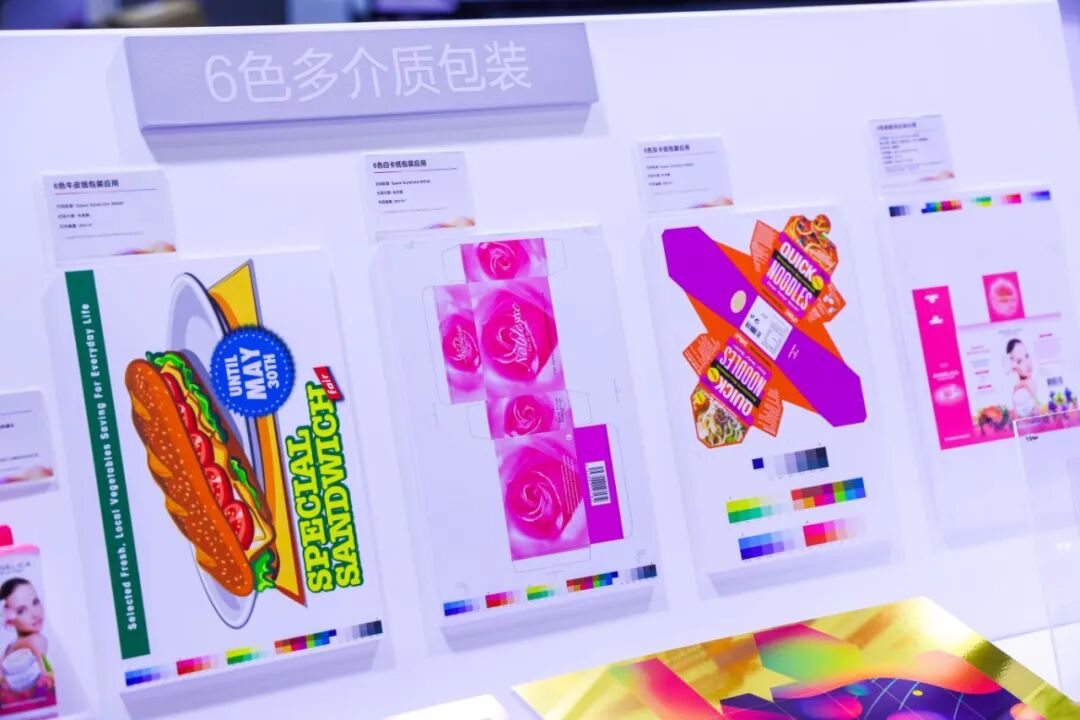 Diverse and Flexible Packaging Solutions
Mr. Wang Jincheng mentioned that Epson's core strength, besides continuously building a product line that covers a wide range of industries, is in persistently strengthening the local ecosystem strategy (the Nebula Plan) under the guidance of localization policies. This empowers partners across the Chinese digital printing industry chain to achieve sustainable development. As one of the five ecosystems in the Nebula Plan, the "Printing Ecosystem" is centered on micro-piezo industrial inkjet technology. It covers five main techniques: Epson art microprinting, Epson microprinting photography, Epson microprinting textile printing, Epson microprinting arts, and Epson microprinting automotive applications. Following the "five specialties" concept-specialized machines, materials, colors, inks, and controls-it delivers full-chain digital solutions. Today, the Printing Ecosystem has bridged the gap from technological innovation to ecosystem building, gathering numerous high-quality partners and innovative solutions. Epson is also accelerating its transformation from a simple 'printer supplier' to an 'industrial digital solution provider.'
The All-in-Print Expo has concluded, but the digital transformation of the printing industry continues to evolve. According to Epson's EF35 vision, commercial and industrial printing are key growth areas. Epson will keep exploring industry needs, advancing the 'Technology Localization 2.0' strategy, leveraging the combined strength of the industry through the Printing Ecosystem, and applying the 'five specialties' concept to implement scenario-based solutions. It will continue to connect the full value chain of hardware, software, and services, helping printing companies build flexible, efficient, and green production capabilities, and together with industry partners, enter a new stage of digital printing development.