


These 10 concepts will dominate the shelves!
Packaging design in 2026 is bidding farewell to the 'monotonous shelves of sameness.' Through in-depth research with global top designer communities and packaging experts, we have discovered that industrial-grade precision, cool metallic textures, the warmth of handcrafted marks, and the digital layering of AR technology will together shape the mainstream aesthetics of the future.
Contemporary consumers are seeking: clearer information, more distinct personality, and more authentic connections. Before breaking down the ten key trends, we must first understand the four core underlying logics driving design in 2026.
First is sustainable sensoriality-environmental friendliness is no longer synonymous with cheapness, as recycled materials now showcase a high-end feel through refined craftsmanship. Second is material experientiality-touch (weight, texture, finish) has become a direct ambassador of quality. Third is technological transparency-QR codes and augmented reality (AR) transform packaging into a real-time window for brand traceability and interaction. Finally, there is the return of craftsmanship aided by AI-AI accelerates prototype generation, making hand-drawn elements and cultural storytelling, these 'humanized' details, increasingly rare and precious.
Below are the ten specific trends leading the packaging industry in 2026.
01
Ultra-Clean Industrial Style
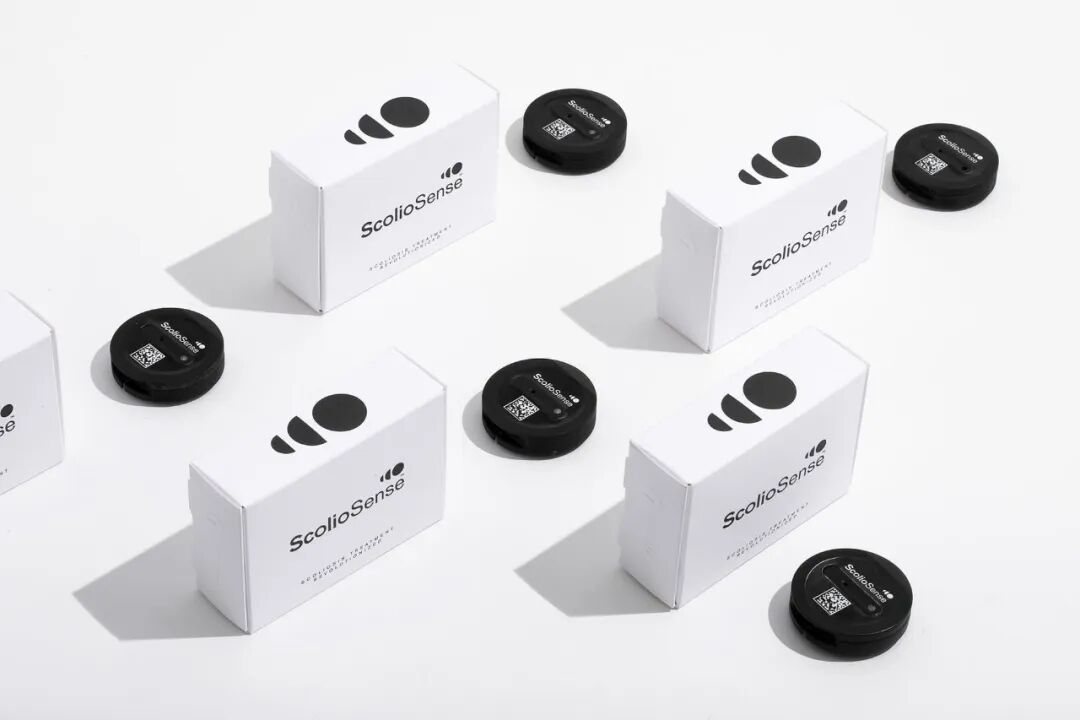
This style pays tribute to German industrial design master Dieter Rams and his philosophy of 'less is more.' It marks the brand's return from excessive maximalism to rational design. Its core characteristics include minimalist geometric shapes, sharp lines, and extremely high information readability. The color palette favors soft beige, understated gray, and off-white reminiscent of vintage electronic products. In an era of information overload, this 'more like a tool than a decorative item' design provides consumers with a sense of professionalism and trustworthiness, making it highly impactful in technology, healthcare, and minimalist beauty categories.
02
Pure Steel Aesthetics
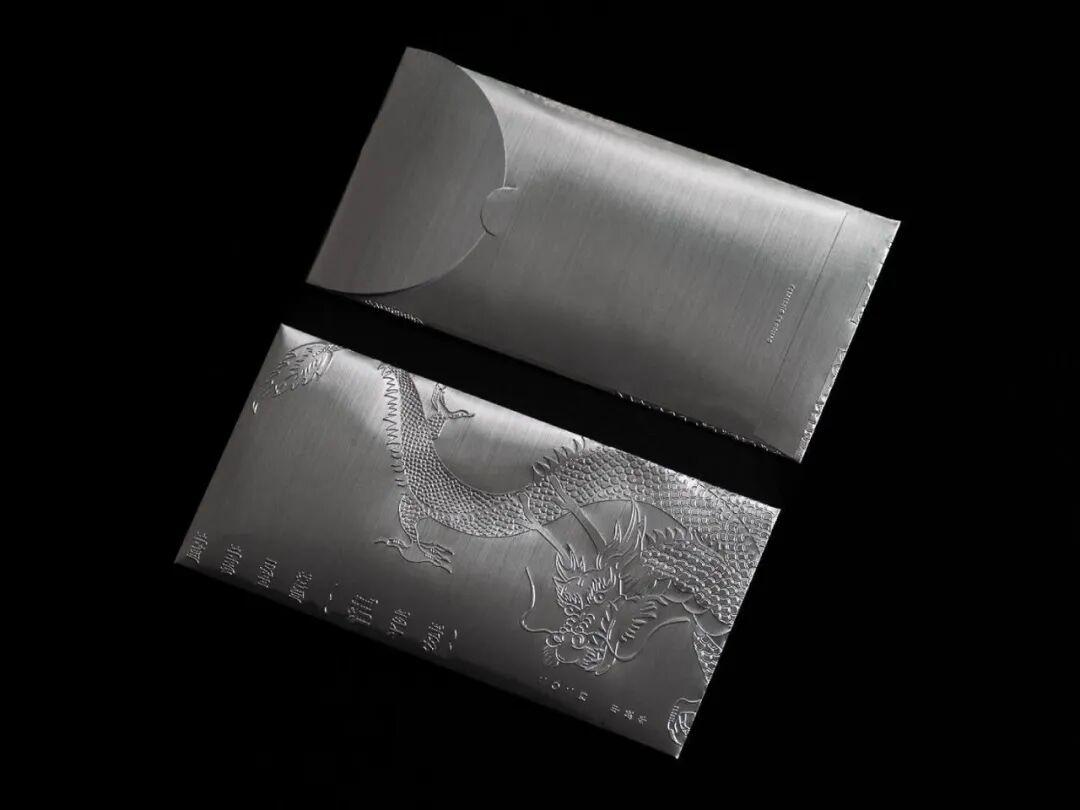
If industrial style pursues order, then the "pure steel style" pursues power. Through the shine of chrome alloys, brushed steel, and polished aluminum, the packaging conveys a solid sense of modernity and a forward-looking futuristic feel. This style is usually paired with monospaced fonts, using metallic foils or reflective inks to create a sense of technical precision. It is especially suitable for brands that want to convey an image of "progress, durability, and toughness," and is particularly popular in the beverage and men's skincare sectors, while being relatively cost-effective to implement.
03
Hand-stamping
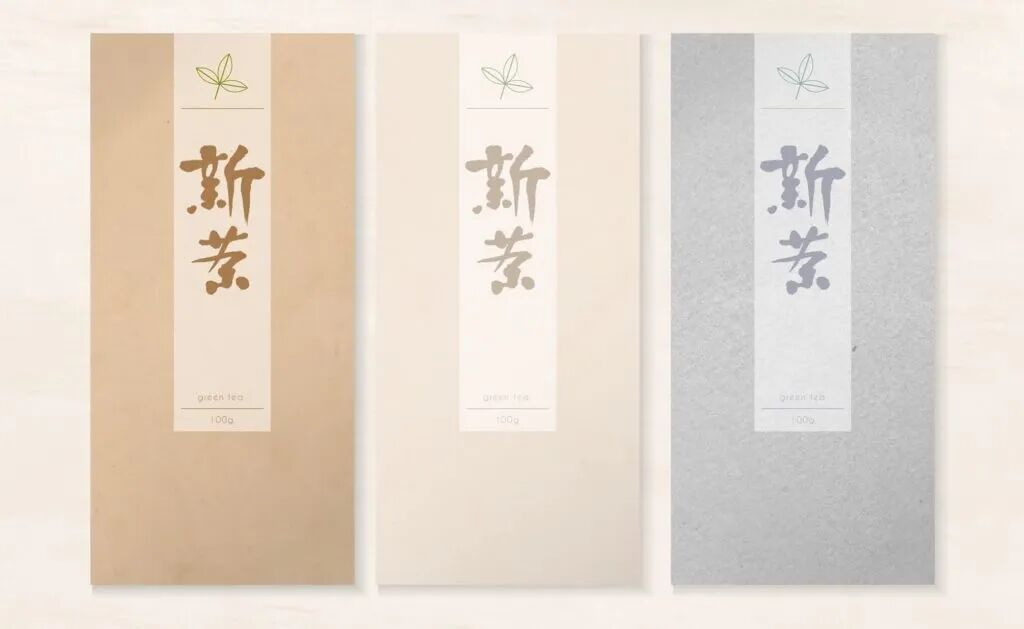
In the context of mass-produced products, designs with a 'human touch' are becoming a hallmark of high-end goods. This trend embraces imperfection: the unevenness of ink smudges, slight deviations on the edges, and unconventional geometric shapes. It draws inspiration from handmade stamps and pressing techniques, conveying a workshop-style craftsmanship and warmth. For small and micro businesses, this is an excellent low-cost packaging solution, making each product feel as if it were personally stamped and shipped by the proprietor, unique in every way.
04
Modern Pharmacist Aesthetics
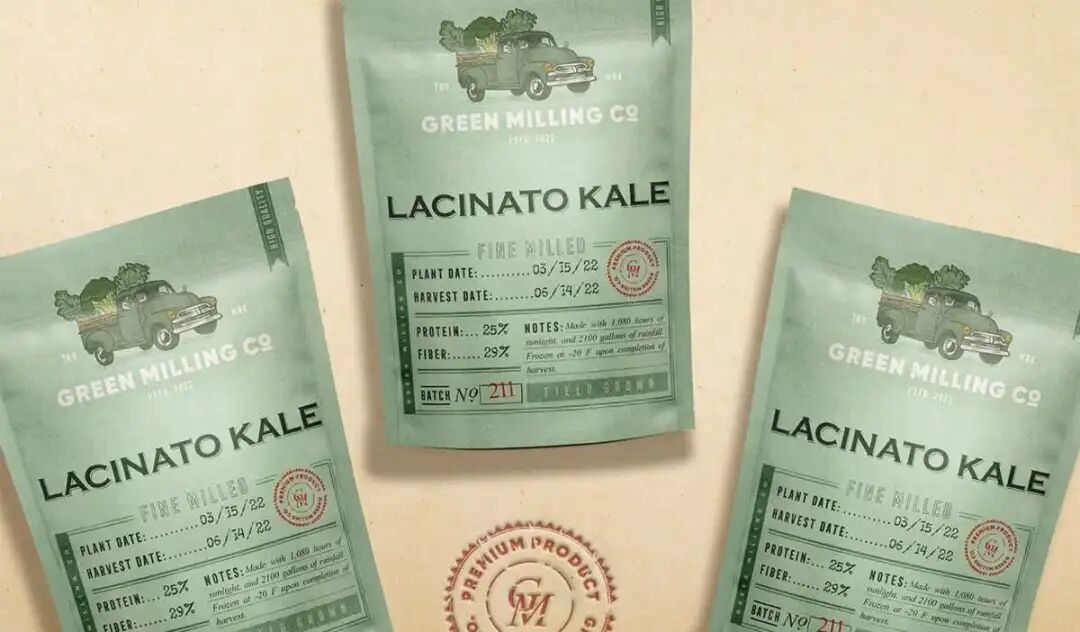
This aesthetic draws inspiration from historical medicine bottles and tinctures, emphasizing a sense of order and professional heritage. It builds trust through symmetrical layouts, authoritative fonts, and visual elements reminiscent of botanical studies or alchemical diagrams. The pharmacist style of 2026 is more playful, for example, by packaging everyday food to look like "medicine" and organizing product information using grid systems, achieving a delicate balance between rustic and premium.
05
Alternative Views of History
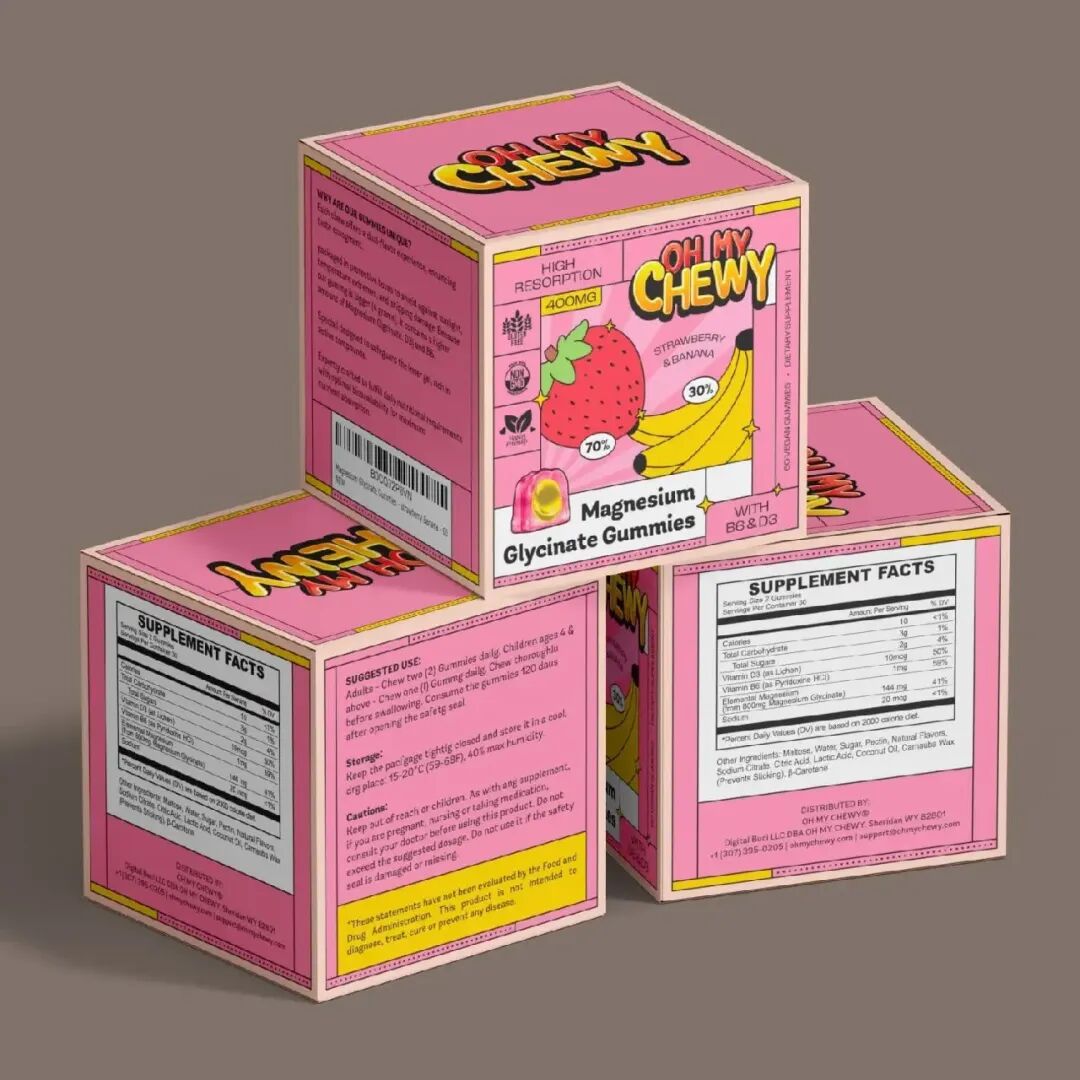
This is a visual experiment of 'old meets new.' It is not limited to a specific historical period, but forcefully combines vintage advertising patterns and archival illustrations with modern bright colors and bold asymmetric designs. The packaging created in this style feels both nostalgically familiar and visually striking. It is very suitable for craft beers, specialty foods, and other categories that emphasize cultural connotation and brand storytelling.
06
Inheriting the etched craftsmanship
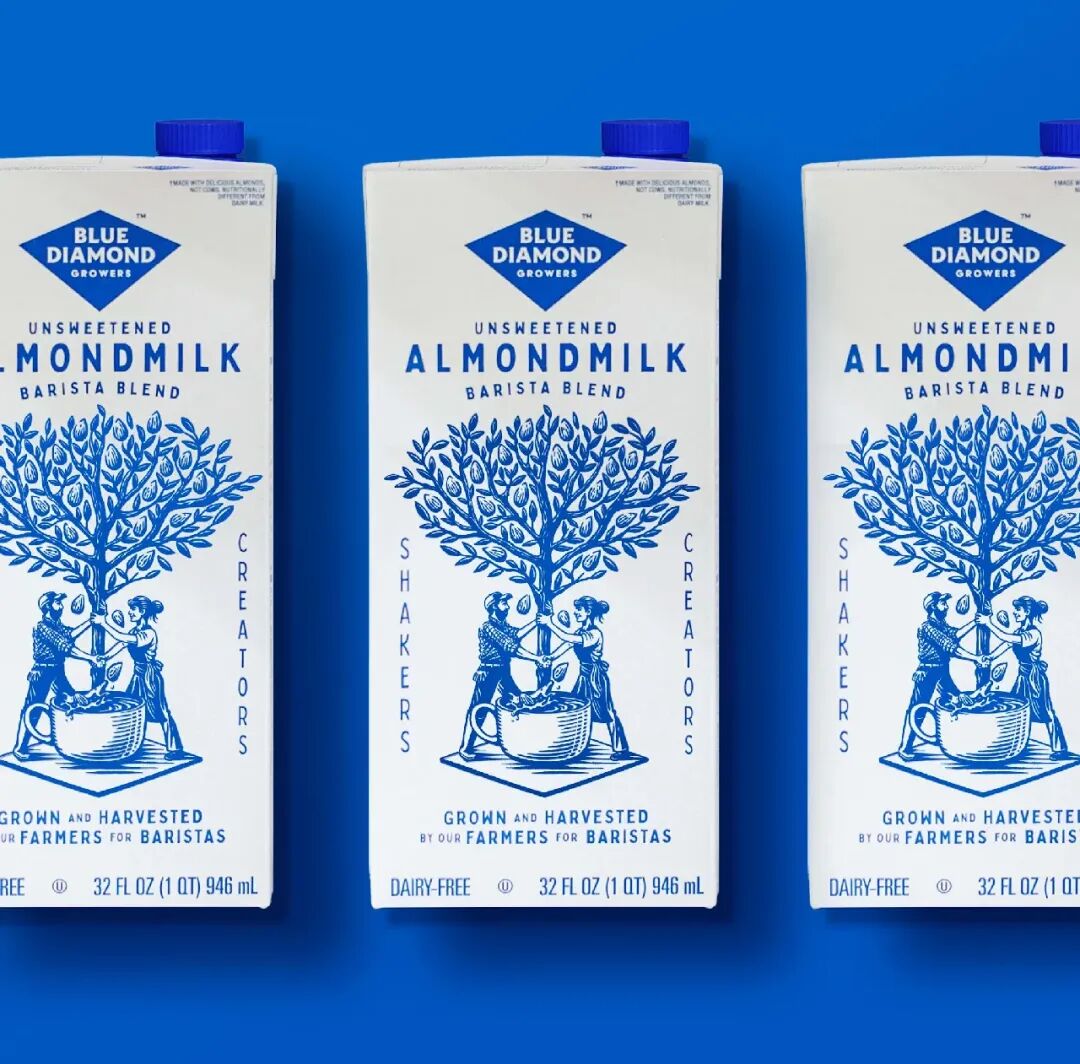
For brands pursuing a sense of "timelessness," finely etched lines are the best choice. This style echoes illustrations in ancient books and traditional woodblock prints, creating a sense of depth through delicate handling of light and shadow. It does not require bold colors; the intricacy of the design alone can convey the brand's historical depth. Whether it's wine, high-end chocolate, or premium stationery, the etching technique can give it an understated sense of authenticity and artistic flair.
07
Artist Display Area
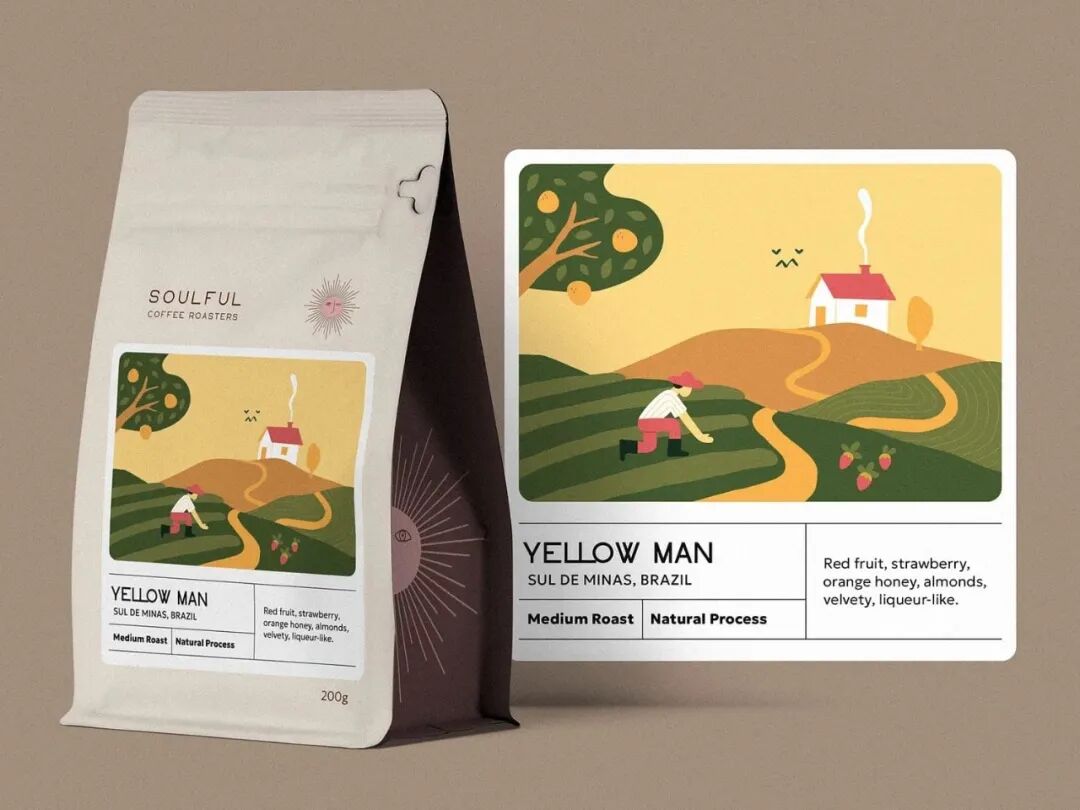
Packaging is becoming a moving canvas. Brands no longer focus solely on their logo; instead, they invite well-known or emerging artists to create cross-disciplinary works. Street art, abstract graffiti, or expressive brushstrokes appear directly on the labels, and typography is flexibly adjusted to match the artistic style. This not only gives the packaging collectible value but also allows brands to precisely connect with different cultural communities through the styles of various artists.
08
Narrative Pop Style
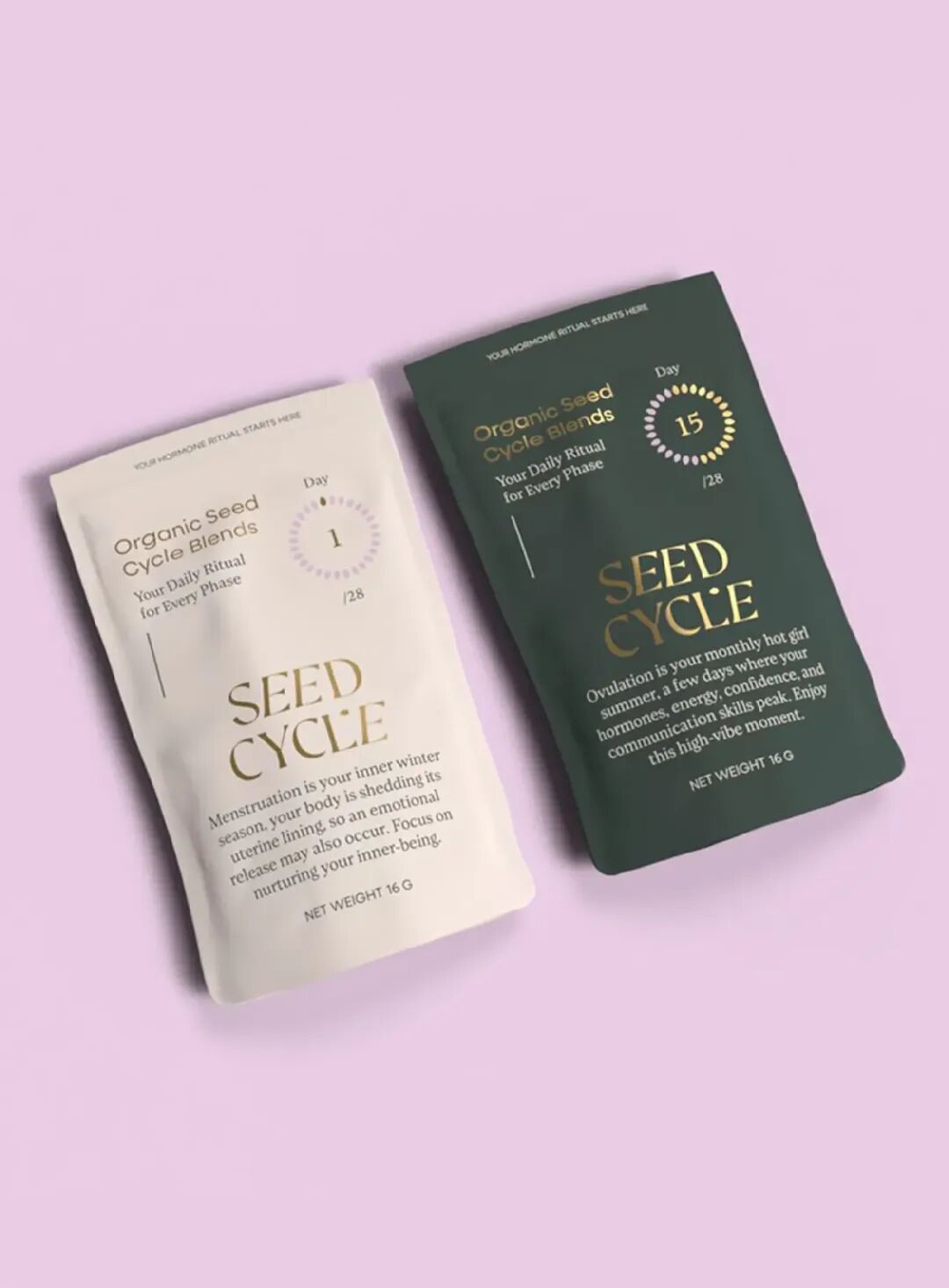
This is a 'text-driven' design trend. Packaging no longer relies on complex illustrations; instead, it draws from magazine layouts and poster design, using the product story, origin notes, or brand manifesto as the main visual element. Through bold typographic hierarchy and layered layouts, packaging becomes a medium for reading. This style creates a strong sense of immersion for consumers and is particularly suitable for brands that 'have something to say,' such as independent coffee shops and craft brands.
09
Portal Packaging
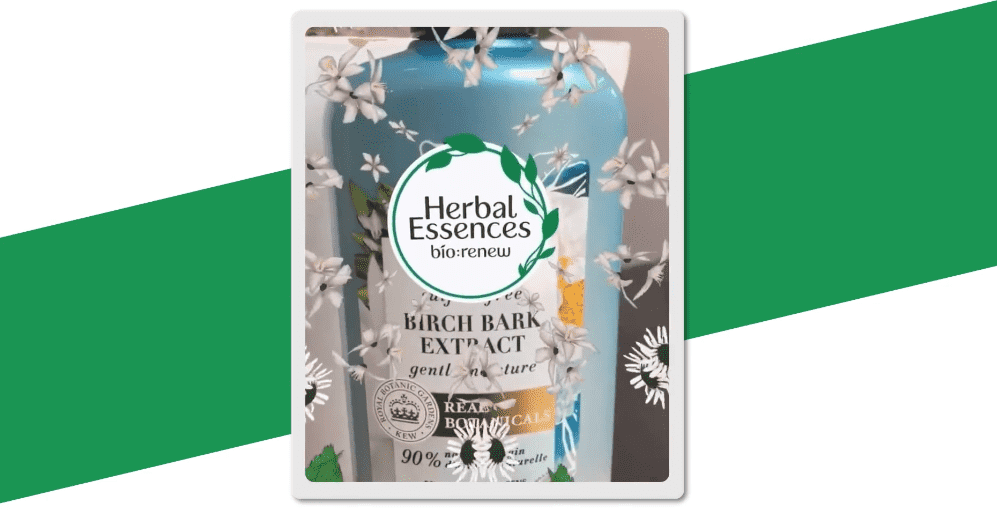
This marks the entry of packaging into the era of digital interaction. QR codes are no longer ugly patches; they are part of the overall design. By scanning them, consumers can unlock augmented reality layers, enter virtual try-on spaces, or explore the brand's micro-world. Packaging is no longer a static container, but a gateway connecting physical shelves to digital screens, greatly extending the lifespan of interaction between the brand and consumers and enhancing the unboxing experience.
Double Impact
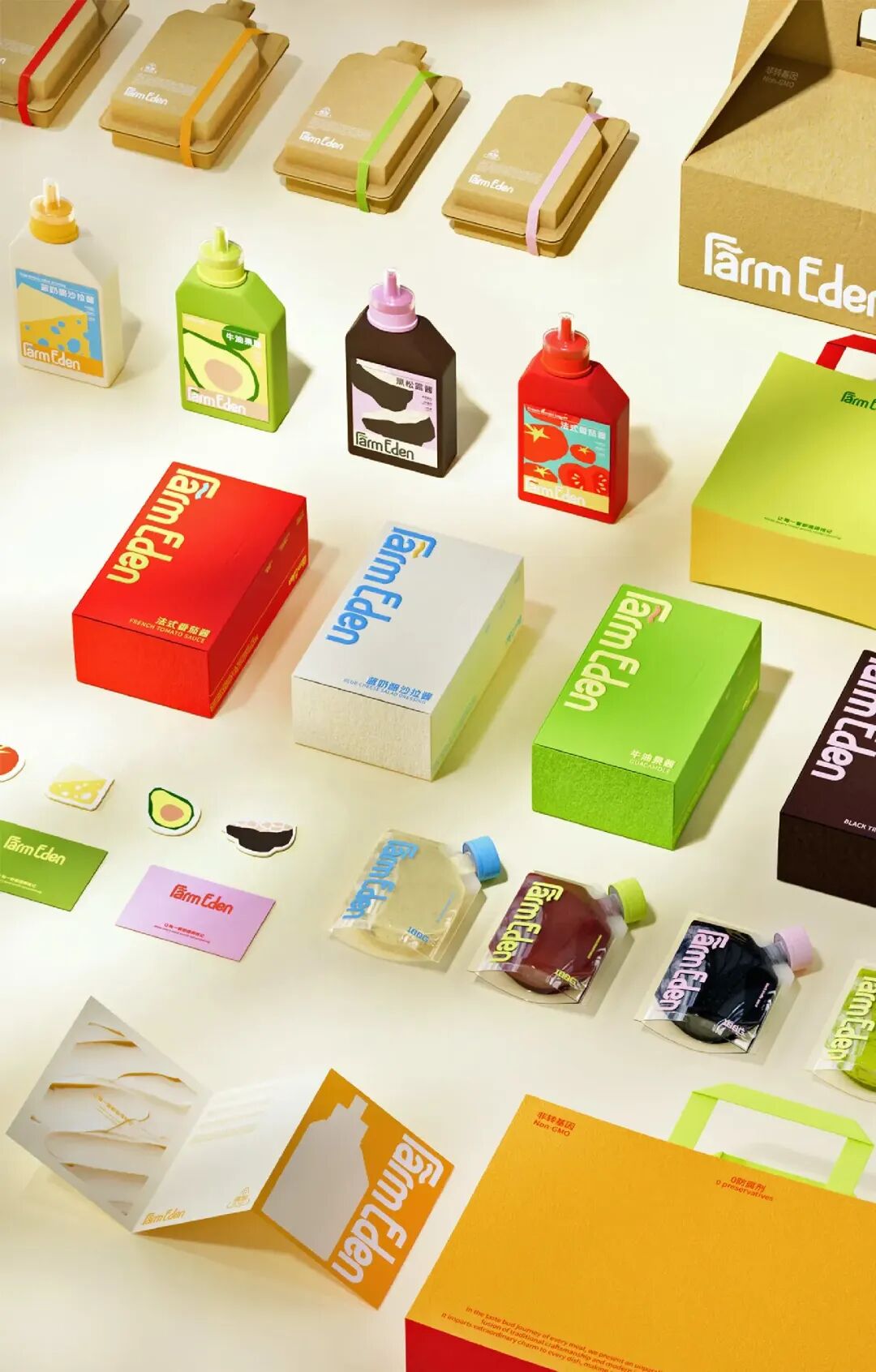
This is a kind of 'rebellion' against traditional aesthetics, aiming to make passing shoppers stop in their tracks. It creates a visual spectacle by deliberately choosing 'mismatched' packaging forms: for example, using motor oil bottles for liquor, industrial pump heads for premium drinks, or paint buckets for snacks. This intentional sense of incongruity quickly sparks consumers' curiosity and sense of humor, making it a 'traffic magnet' in the era of social media, especially suitable for limited edition or collaborative products.
Design trends for 2026 indicate that brands need to find their footing between 'denoised rationality' and 'warm personality.' Whether you pursue extreme minimalism or opt for bold crossovers, the key is: make your packaging more than just a box-make it a real, fun, and story-rich brand medium.