


The EU's new packaging regulations will be fully implemented in August 2026, and this information is crucial.
The EU Packaging and Packaging Waste Regulation (PPWR) will be fully enforced in August 2026, marking the entry of EU food packaging safety regulation into the stage of full lifecycle management. The regulation focuses on "reduction, reuse, and recyclability," reconstructing the food packaging safety system through quantitative indicators and technical standards. Key points are as follows:
1. "Zero Tolerance" for Hazardous Substances
The regulation explicitly prohibits the use of per- and polyfluoroalkyl substances (PFAS) in food contact packaging. From August 12, 2026, the concentration of PFAS in food contact packaging must meet the following requirements: single PFAS (excluding polymers) ≤ 25 ppb, total PFAS (excluding polymers) ≤ 250 ppb, and total fluorine content ≤ 50 ppm (fluorine content proof required). Additionally, the total concentration of lead, cadmium, mercury, and hexavalent chromium must not exceed 100 mg/kg, eliminating the risk of heavy metal migration from the source.
2. Recyclable Packaging
The regulation requires that all food packaging must meet at least grade C standards by 2030 and grade B by 2038. Packaging design must follow the "function minimization" principle, with a void ratio not exceeding 50%, and pass recyclability tests developed by the European Standards Organization. For example, pulp molding packaging, due to its one-piece molding process, can control the void ratio within 30%, well below the regulatory requirement.
3. Promotion of Recycled Materials
The regulation sets recycled material content targets for plastic packaging: by 2030, PET packaging for contact-sensitive food (excluding single-use beverage bottles) must contain 30% recycled content, increasing to 50% by 2040; other plastic packaging must reach 65% recycled content by 2030 and maintain the same level by 2040. Pulp molding packaging, using renewable fibers as raw materials, naturally meets the requirement for recycled material use and becomes the preferred alternative to plastic.
4. "Transparency" of Labels and Information
From August 12, 2028, all food packaging must indicate material composition using standardized pictogram labels. From February 12, 2029, reusable packaging must carry prominent labels and provide recycling instructions via QR codes. Pulp molding packaging, with its single composition (mainly plant fibers), has concise and clear label information, aligning with consumers' recognition of eco-friendly packaging.
Pulp and Paper-Plastic Packaging Fully Compliant with the Regulation
Pulp molding packaging, made from renewable fibers such as waste paper and bagasse, produces no exhaust or wastewater during production, and decomposes naturally within 3-6 months after disposal, meeting the EU EN 13432 compostability standard.
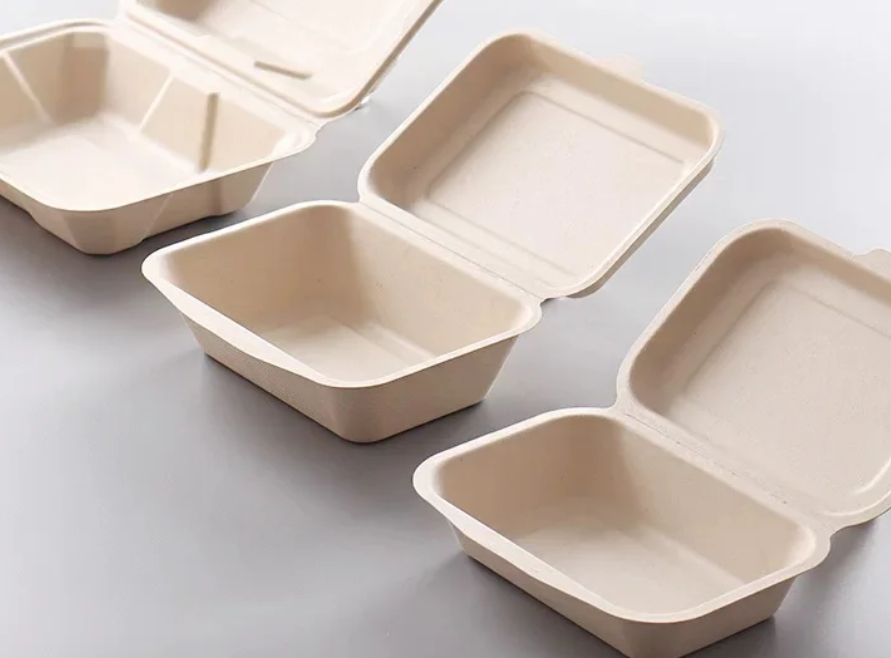
Pulp molding achieves precise structural design through an integrated molding process, while its excellent performance with a cushioning coefficient of 3-5 can protect delicate electronic components (meeting industrial packaging requirements). Its porosity can be controlled within 30%, well below the regulatory limit of 50%, and its product recovery rate exceeds 90% without contamination, easily meeting the 40% reuse target.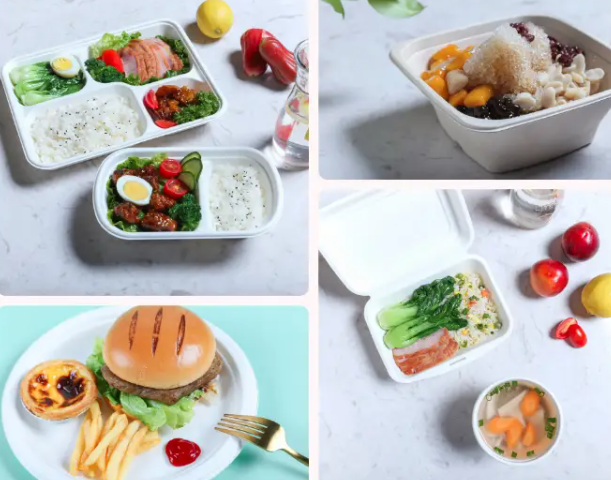
The PPWR regulation explicitly limits the use of single-use plastic packaging, including pre-packaged fruits and vegetables under 1.5 kilograms and disposable packaging in food service establishments. Paper pulp molding, with its multi-scenario adaptability, comprehensively covers the core situations targeted by the ban.
02
Challenges and Opportunities for Paper and Plastic Companies
The PPWR regulation requires companies to provide full lifecycle traceability data for packaging, including raw material sources, production processes, and recycling paths, and mandates compliance with international certifications such as the EU CE mark and US FDA standards.
The US-China tariff conflict continues to escalate, with the United States imposing additional tariffs on Chinese goods exported to the US. Coupled with pressure from EU anti-dumping investigations, the profit margins of traditional export models have been drastically compressed.
This means that pulp molding companies need to obtain environmental certifications and carbon footprint labels to create a green brand image, meet European consumers' demand for sustainable packaging, and at the same time establish cooperative relationships with countries considered 'policy havens,' taking advantage of their tax-free import of raw materials and export of finished products to build regional supply chain centers.