


The 33,000-ton biodegradable packaging products project is expected to be operational in May next year
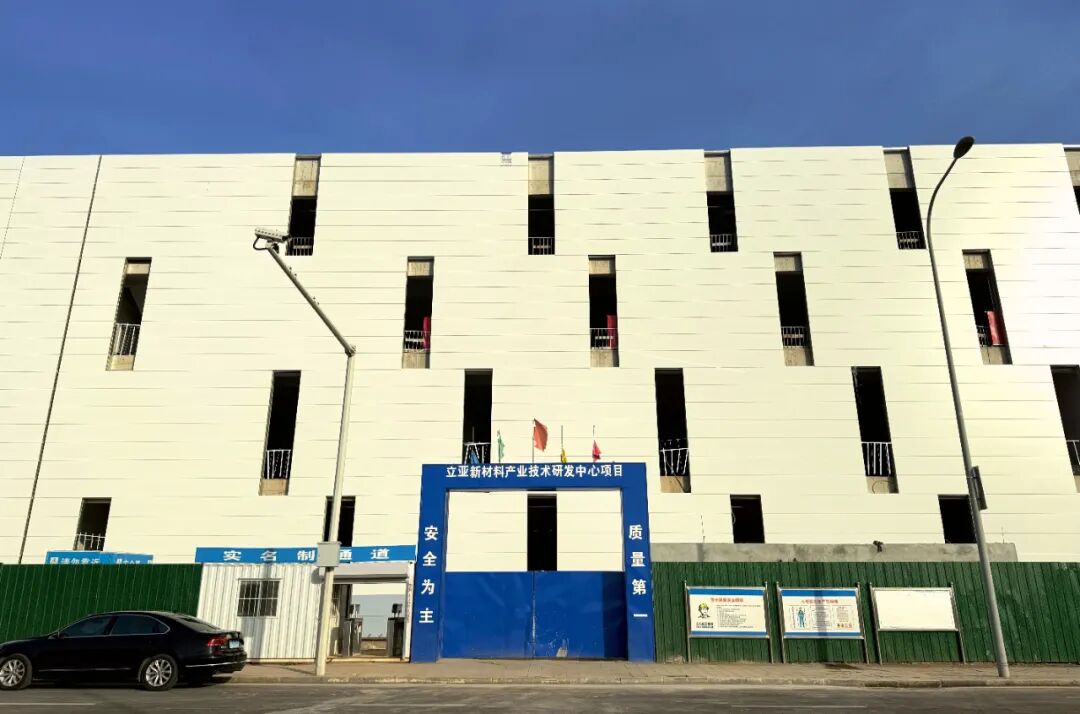
Recently, the main structure of the LiyA New Materials Industrial Technology R&D Center, a project invested with 200 million yuan by Xiong'an LiyA Technology Group Co., Ltd., has been successfully topped out and is expected to be operational by May 2026. This project serves not only as a core platform for LiyA Packaging's transformation from traditional packaging to green and intelligent packaging but also as a vivid example of how the Xiong'an Comprehensive Bonded Zone empowers the transformation and upgrading of traditional industries through technological innovation and builds a green industrial system, injecting strong momentum into the upgrading of traditional industries in the new area.
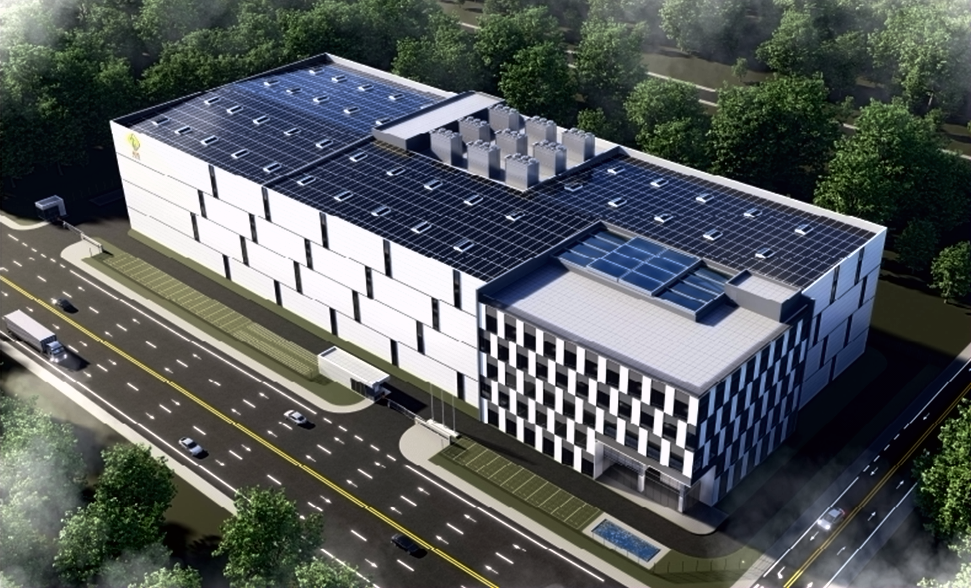
Once completed, the project will be equipped with core facilities such as an intelligent three-dimensional logistics warehouse, a comprehensive R&D office building, a pilot production and purification workshop, realizing a full-chain closed loop from 'R&D to pilot production to mass production.' At the same time, cutting-edge intelligent equipment, such as four-way automated warehouses, will be introduced. After production begins, the center will have an annual production capacity of 33,000 tons of biodegradable packaging products, truly achieving 'R&D in Xiong'an, output to the world,' and will take solid steps toward transforming the traditional packaging industry into a high-end, green, and intelligent sector.
Liya Packaging, which has been deeply involved in the packaging field for many years, is not only a benchmark enterprise in Xiong County's traditional packaging industry but also a 'pioneer' in industry transformation. Leveraging a solid industrial foundation, the company has successfully become a premium supplier on leading platforms such as JD.com and Taobao, as well as overseas e-commerce platforms. It has achieved an initial breakthrough in the traditional packaging sector, breaking the industry's stereotype of 'low added value and homogeneity.'
"Establishing a presence in the Xiong'an Comprehensive Bonded Zone is a key step for the company to transform from 'traditional manufacturing' to an integrated model of 'R&D, manufacturing, and trade,' and it is also a firm attempt to improve quality and efficiency across the entire traditional packaging industry by leveraging the New Area platform," said the head of Xiong'an Liya Technology Group Co., Ltd., with a determined tone when discussing the project. Reportedly, the R&D headquarters covers 20.56 acres with a building area of 24,791.12 square meters. From the initial planning stage, it has been anchored around the core principles of 'high starting point, high standards, and high value,' completely breaking away from the traditional packaging enterprise model of 'emphasizing production while neglecting R&D,' and aims to create a modern, intelligent new materials innovation base.
At present, China's traditional packaging industry is facing development bottlenecks of 'high pollution, high cost, and low efficiency,' with issues such as the difficulty of degrading plastic packaging, high costs of eco-friendly packaging, and insufficient product performance, which hinder the sustainable development of the traditional packaging industry. Liya Packaging, holding provincial-level technical innovation center certification, has established its R&D headquarters in the Xiong'an Comprehensive Bonded Zone. Its core goal is to solve the pain points of the traditional packaging industry through technological innovation, promoting the industry's transformation from 'traditional plastic packaging' to 'biodegradable intelligent packaging,' and carving out a new path for the green upgrading of the traditional industry.
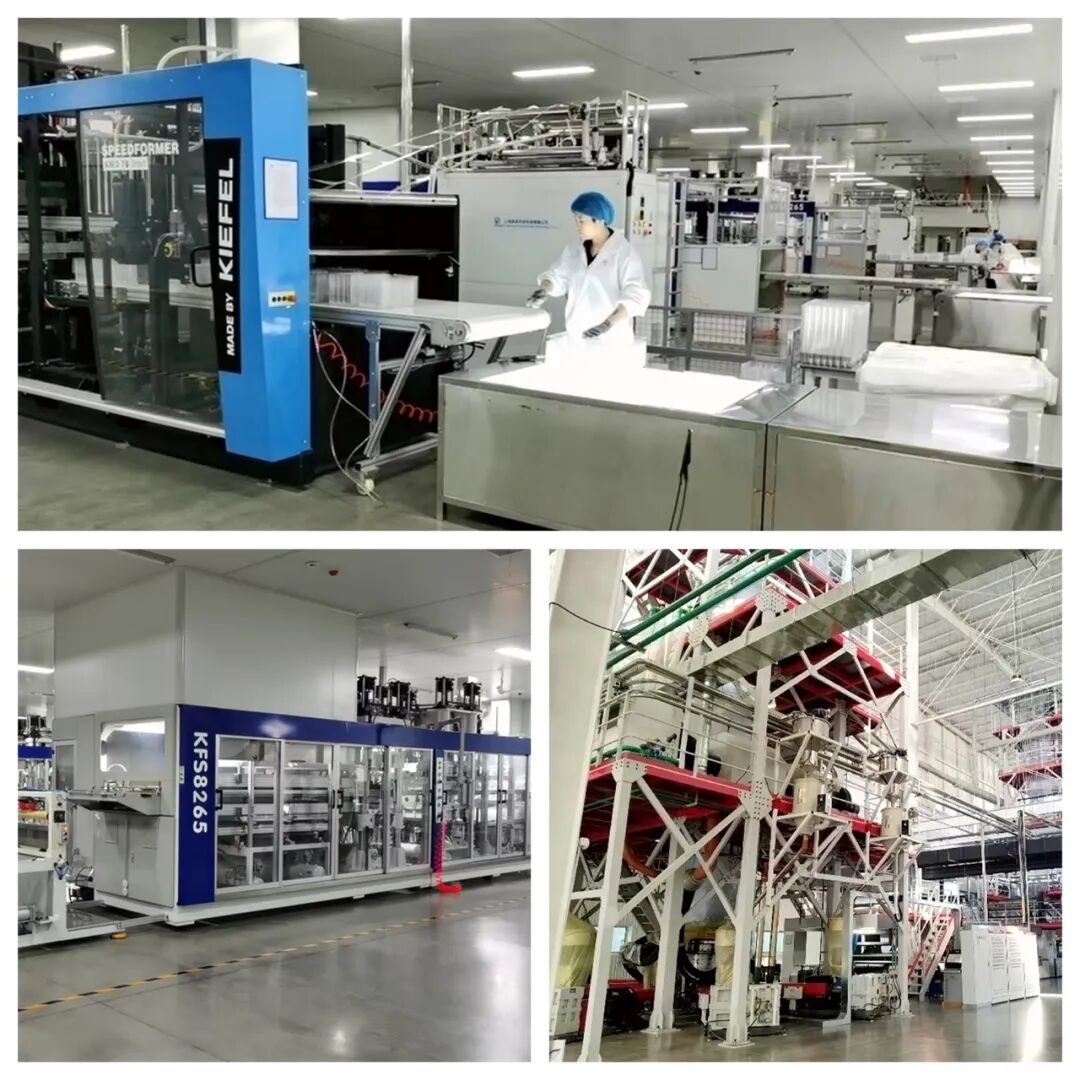
Relying on the R&D headquarters, we aim to address industry pain points and promote industrial upgrading through a 'two-step' strategy: initially focusing on core technologies such as material modification and waste recycling to reduce the cost of eco-friendly packaging and optimize product performance, driving the transformation of traditional packaging from 'high pollution' to 'low emission'; subsequently extending to high-end nano-composite material research, exploring packaging solutions that are both environmentally friendly and multifunctional, enabling traditional packaging to advance from 'basic environmental protection' to 'high-end intelligent' applications, catering to high-end sectors such as food and medical use, and helping the traditional packaging industry move away from low value-added labels toward high-end intelligent manufacturing.