


Take you to understand the development of the European label market in 3 minutes
With the successful hosting of Labelexpo Europe 2025, professionals in the labeling industry are once again gathering at the exhibition to discuss the latest trends affecting the development of the industry. Europe has always been known for its cutting-edge innovation and progress in the field of sustainable development, and some even claim that Europe's achievements in sustainable development are 5-10 years ahead of North America. So, what is the current situation of the European label market? What are the technological development trends?
01
Challenges Faced by the European Label Market
Challenges affecting the label market in North America also exist in Europe, such as the conflict between Ukraine and the Middle East, inflation, and the COVID-19, which have had a certain impact on the European label market, making the supply of electronic components more difficult, and the prices of raw materials such as steel and electronic components rose significantly. These situations have to some extent affected the investment planning and delivery time of some label printing enterprises.
The newly implemented tariff policy has also had an impact on some label printing companies, especially those that export food and cosmetics services. In addition, there are also some frictions within Europe. Although the EU is promoting unified sustainable development laws, different countries interpret and implement them in different ways. Therefore, compliant labels in one region may need to be changed in another region, which increases costs, time, and complexity, making the label supply chain more unpredictable.
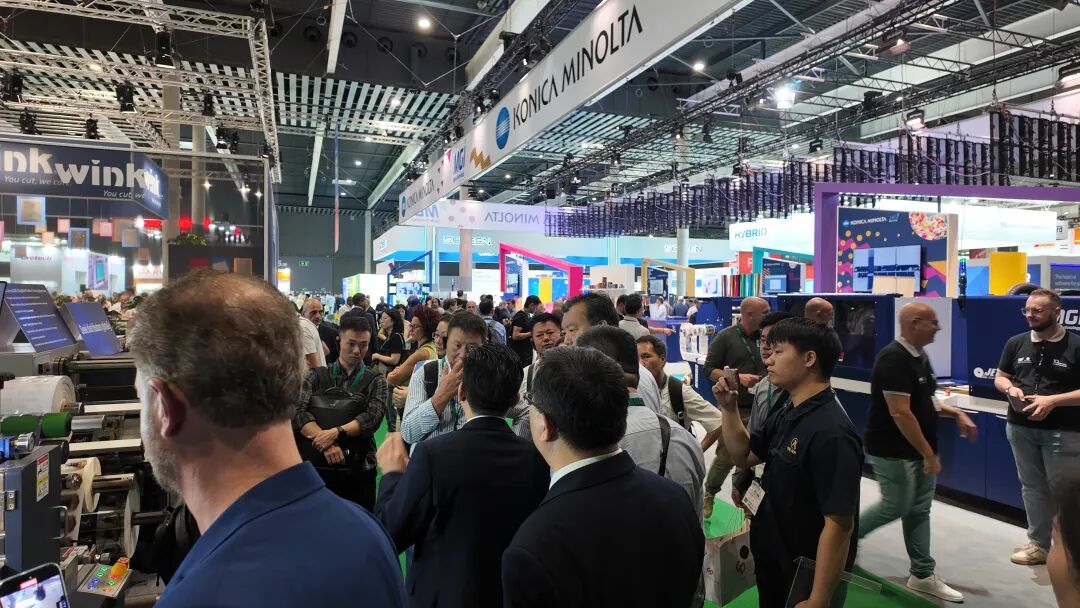
The volatility of the market is evident, mainly reflected in the material supply chain, customer purchasing behavior, goods flow, and the degree of openness of some markets. Consumers believe that brand owners and label companies have the greatest responsibility in promoting sustainable development of product packaging. Sustainable development, including decarbonization and recycling, is driving the adoption of data and scientifically validated solutions in the packaging and labeling value chain.
This technological transformation occurs simultaneously with a high level of attention to regulatory issues, especially in label companies serving the food and beverage industry. For example, the introduction of Germany's Printing Ink Regulations and the implementation of similar regulations across Europe have made the industry pay more attention to food contact material (FCM) inks. Consumables and label companies are increasingly hoping that their products can meet the strictest safety standards, which has led to a surge in demand for fully compliant and thoroughly tested inks and coatings.
In addition, the speed of industry integration is accelerating, and large enterprise groups are attempting to expand market share and achieve greater economies of scale through mergers and acquisitions. This integration has intensified competition and brought greater pressure to the entire supply chain. In this context, production optimization has become a key focus for label companies.
02
The possibility of redefining label production
Global conflicts and ongoing trade disruptions have brought complexity to the market and set obstacles to effective supply chain management. As customers seek to reduce risks and ensure supply continuity, the sources and traceability of raw materials are subject to stricter scrutiny. This high level of focus on transparency is reshaping the entire industry's procurement strategy.
Global supply chain disruptions have led to rising raw material costs and extended delivery times, forcing label companies to continuously optimize inventory and diversify their procurement sources. The fluctuation of energy prices in Europe has accelerated the shift towards energy-saving curing technologies such as UV LED. These challenges have also strengthened cooperation between suppliers and customers to ensure business continuity and stability.
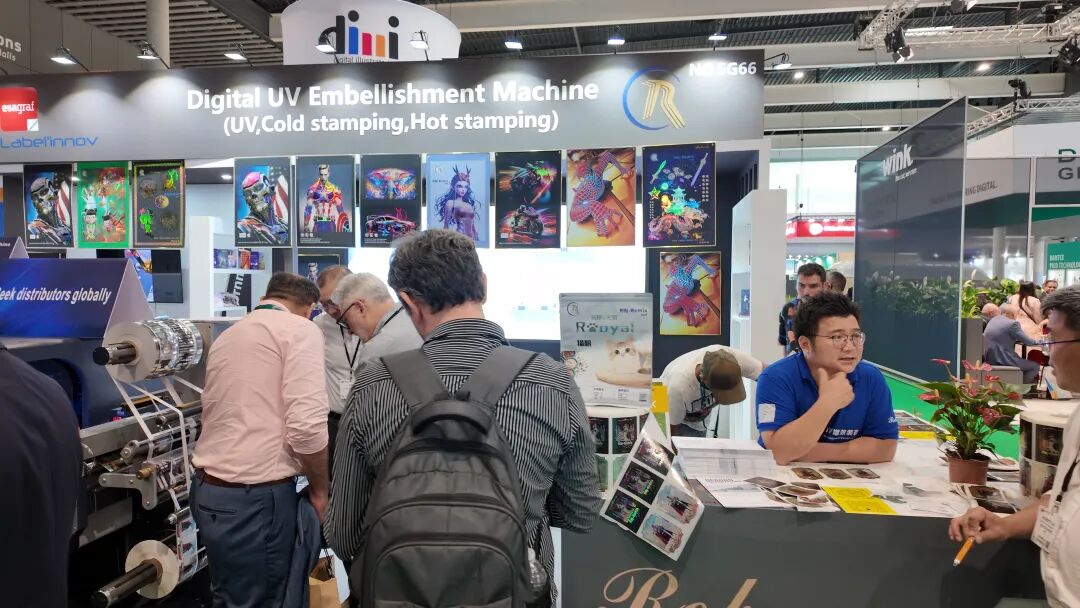
Despite facing numerous challenges, the European market has demonstrated astonishing resilience, exceeding many people's expectations. Despite experiencing various interruptions in the past few years, the European label market still grew by 9.6% in 2024. The main driving force is the growth of e-commerce and direct to consumer sales. From traceability solutions to customized short labels, various demands have increased. With the increasing popularity of private label products and the surge in SKU numbers, there has been significant pressure on delivery times.
At present, the focus of research and development in Europe is on more complex label applications. Due to the requirements of new regulations and the need to place more information on tags, the demand for three-layer or multi-layer structure tags is increasing, and special applications such as unlined tags and RFID solutions are also significantly increasing. Overall, printing editions are becoming shorter and the number of SKUs is rapidly increasing, leading to a growing demand for more flexible and efficient production technologies.
In terms of equipment, flexographic printing is still the leading printing technology in Europe, and many label companies still rely on flexographic printing machines, especially for long plate printing, special surface treatment, and printing on harsh substrates. In addition, the width of the roll paper is constantly increasing, and more and more customers are willing to invest in purchasing wider equipment.
In addition, quality is also crucial. Brand owners have higher requirements for labels than ever before, especially in industries such as cosmetics, beverages, and high-end food, where there is a clear trend towards high-end products. Brand owners hope that labels have more texture, decorative elements, and are more eye-catching. This means that label companies need to adopt online decoration and high-definition flexographic printing technology to keep up with customer needs.
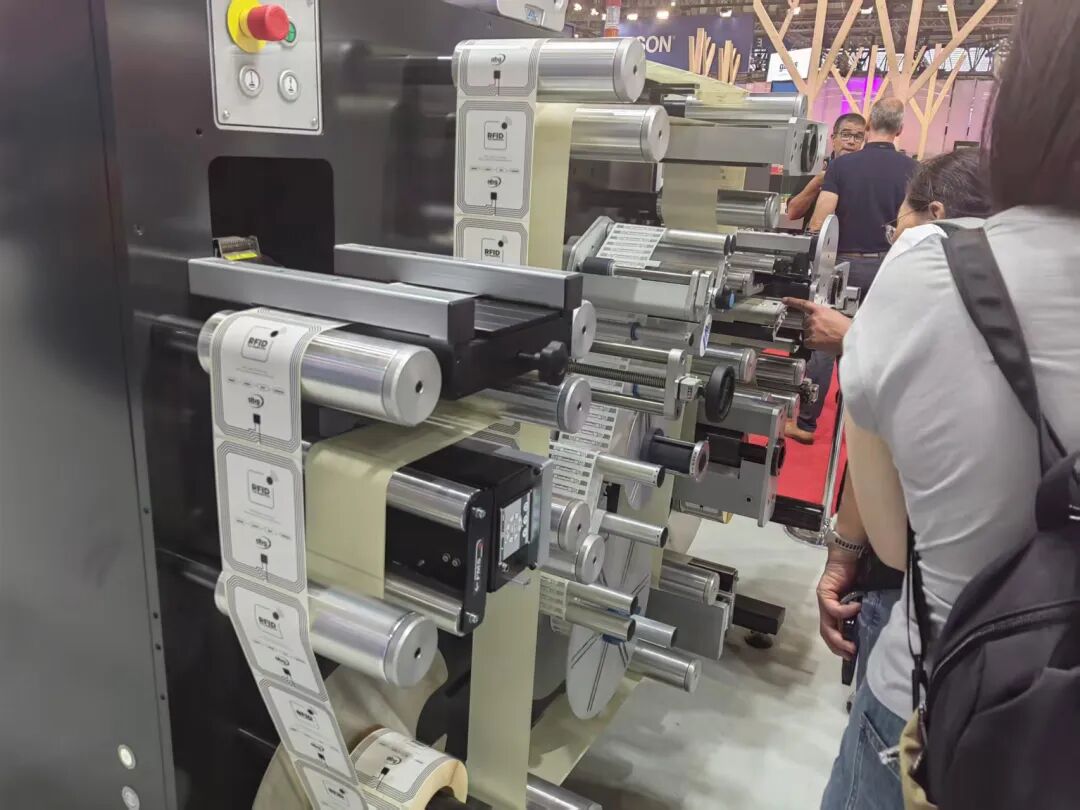
The powerful influence of flexographic printing, coupled with people's increasing interest in digital printing, has also opened up the way for hybrid label printing machines. In the future, the number of such devices is expected to increase. The hybrid printing machine combines the advantages of digital printing, such as variable data printing and short form printing, with the finishing and online processing conversion capabilities of flexographic printing. This combination brings high flexibility and cost-effectiveness. Nowadays, more and more customers view hybrid systems as a future oriented solution. Therefore, although flexographic printing is still essential, hybrid printing will play a greater and more strategic role in the next stage of market development.
In the long run, advances in digital inkjet, functional coatings, and sustainable chemistry will redefine the possibilities of label production.
03
Sustainable development remains the top priority of development
In Europe, sustainable development is not a trendy slogan, but a tangible business reality. Whether it's the Packaging and Packaging Waste Regulations (PPWR), plastic packaging taxes, or national level Extended Producer Responsibility (EPR) programs, label companies are facing unprecedented pressure to use recyclable materials, reduce carbon emissions, and increase recycling rates. As a result, many innovative measures have emerged, such as unlined labels, washable adhesives, fiber substrates, and closed-loop recycling, which are gradually becoming popular. In addition, people's interest in smart tags is growing, not only for traceability but also for tracking environmental impacts. This has driven the continuous development of the market, and it is expected that by 2027, the size of the European smart label market will reach 2.5 billion euros.
Sustainable development remains a top priority for the European labeling industry, with suppliers taking on more responsibility to continue developing products and solutions that meet the market's environmental needs. Some suppliers are investing in research and development to support de ink and recyclable ink systems, washable inks, etc., to help label companies and brand owners achieve circular economy goals.
04
The importance of automation continues to increase
Automation will continue to play an important role in innovation in European manufacturing. The persistent manpower problem in North America is equally challenging in Europe. Like automation, artificial intelligence (AI) will also help improve efficiency. Therefore, automation and artificial intelligence will help label printing companies thrive in the future.
As recruiting and retaining skilled employees becomes increasingly difficult, the importance of automation in production environments will continue to increase. Many printing factories have requested the adoption of systems that can reduce manual operation steps and dependence on operators, and this is not just a problem faced in Europe, but globally. It is expected that artificial intelligence technology will gradually be integrated into production in the future to improve process control and efficiency. This will enable label companies to further optimize operations, respond to market demand faster, and help customers achieve stable and high-quality printing results while reducing waste and improving efficiency.