


Major changes in the consumer market! Coca-Cola and LEGO are changing their packaging... How are printing companies responding?
In the context of "dual carbon" and plastic reduction, global packaging supervision has continued to tighten in recent years, and many Chinese and foreign countries have intensively implemented environmentally friendly packaging policies. At the same time, international brands such as Coca-Cola and Lego have iterated on green packaging, and the end market has continued to transform to reduction and recyclability. For printing and packaging enterprises, the industry may be ushering in a critical turning point to get rid of low-price competition and achieve green upgrading.
In this context, it is particularly urgent to sort out the key changes in global packaging regulation, the demand trend of the end market, and think about the response of Indian enterprises.
Global policies are tightening, and packaging is gradually moving towards "strong regulation"
Under the trend of sustainable development, major economies around the world have accelerated the pace of regulation in the field of packaging. From China's standardized management of express delivery and commodity packaging to the gradual improvement of the producer responsibility system in the European and American markets, packaging environmental protection policies are moving from initiative calls to rigid constraints.
In recent years, the domestic packaging environmental protection supervision system is accelerating its upgrading, and the policy system is becoming more and more perfect. Policies such as the "Notice on Further Strengthening the Management of Excessive Packaging of Commodities" and "Restricting Excessive Packaging Requirements for Food and Cosmetics" have been intensively introduced, putting forward clearer requirements for packaging in key areas.
In addition, China has launched a pilot of the Extended Producer Responsibility (EPR) system since 2016. The system requires producers to be responsible for the entire life cycle of their products, including multiple policy goals such as reducing resource waste, reducing environmental pollution, and enhancing supply chain resilience. At present, the system has covered electrical and electronic products, batteries, automobiles and some packaging, and will be expanded to food, beverage, cosmetics and e-commerce packaging by 2025.
Internationally, many countries have tightened policies to regulate the development of the packaging industry, such as the United States accelerating the EPR system, the United Kingdom strengthening producer responsibility, and the EU's Packaging and Packaging Waste Regulation (PPWR) will be fully implemented in 2026. As the focus of the policy gradually enters the stage of rule refinement and implementation, this also means that the requirements for packaging materials, structural design, recyclability and other aspects will continue to be strengthened in the next few years. For printing and packaging companies, if products enter these markets, they are actually standing in the "examination room" of the new regulations.
End brand changes, sustainable packaging is a must
The continuous tightening of regulatory policies has also driven the adjustment of terminal brand packaging strategies, and green environmental protection has been upgraded from a plus to a necessary condition for brands to enter the market and win consumer recognition. Leading brands have accelerated the sustainability reshaping of packaging systems and improved green packaging capabilities.
Taking global beverage giant Coca-Cola as an example, Coca-Cola has launched 100% rPET recycled plastic bottles in many places to improve the recycling rate of bottles and cans. In addition, Coca-Cola is gradually switching from traditional plastic shrink film to a paper-based solution called "Lift Up" from the original 1.5-liter multi-bottle beverage packaging. The Lift Up is a corrugated cardboard handle capable of jamming 1.5 litre PET bottles, reducing the use of around 200 tonnes of plastic per year. At the same time, Coca-Cola is promoting a higher target of using recycled materials, planning to make 35%~40% of the overall packaging content come from recycled materials by 2035, and improve the coverage of the recycling system.
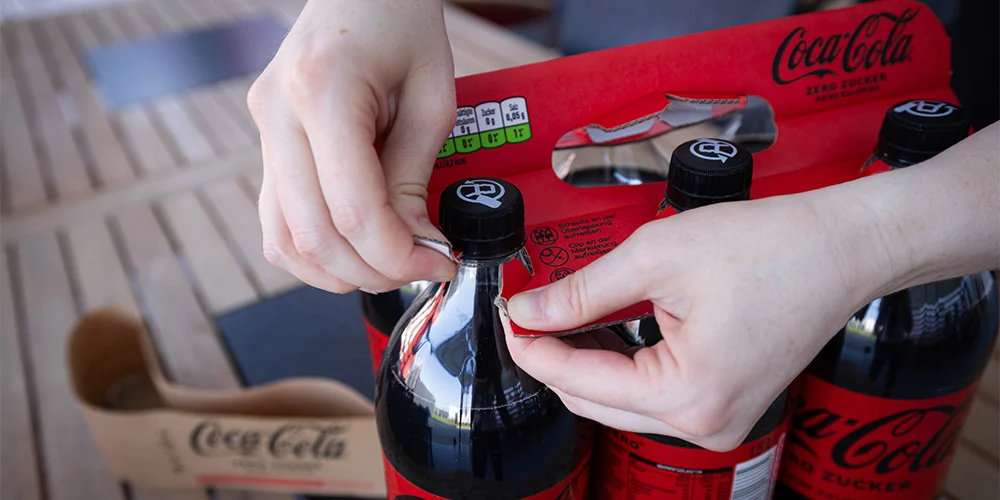 Coca-Cola 'Lift Up' Corrugated Cardboard Handle
Toy giant LEGO recently revealed on its official website that it is further promoting the transition from single-use plastic bag packaging to paper bags. Five LEGO factories are using paper alternatives to package LEGO bricks, and the rollout of new paper packaging lines in factories in China and Vietnam is now basically complete. LEGO further plans to fully implement paper packaging in its remaining factories in the Czech Republic and Hungary by 2026. Currently, 56% of LEGO brick packaging lines no longer use single-use plastic bags, instead opting for sustainably sourced, technically recyclable paper alternatives.
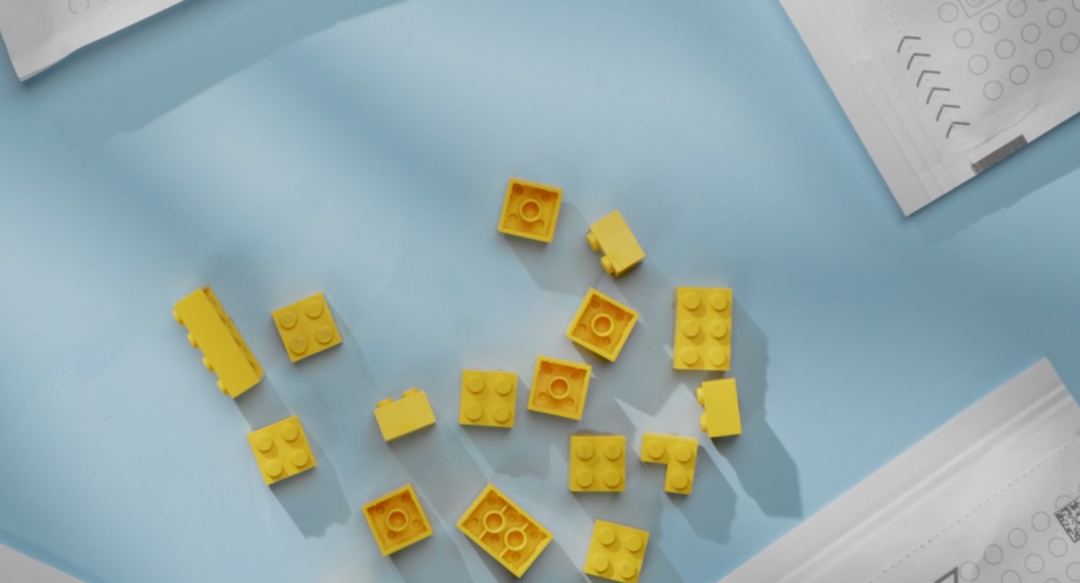 LEGO bricks
Similar changes are also occurring in other consumer sectors. Take global personal care brand Unilever as an example: in categories such as hair care, cleaning products, and other items, it is accelerating the reduction of flexible packaging, the use of single-material structures, and recyclable designs. In some markets, it also requires packaging suppliers to cooperate in completing material compliance and environmental information disclosure.
 Unilever Sustainable Packaging
Looking further, the emphasis that end brands place on sustainable packaging is the result of multiple factors working together. On one hand, regulatory requirements are becoming increasingly detailed, and brands need to make proactive adjustments in packaging to reduce compliance uncertainty and potential costs. On the other hand, retail channels, e-commerce platforms, and other outlets are gradually incorporating sustainable packaging performance into their evaluation systems. Additionally, consumers' awareness of packaging reduction and recyclability has increased, making packaging not just a cost item but an important touchpoint that affects brand image and trust. The adjustment of end brands' packaging strategies also places more forward-looking demands on printing and packaging companies, requiring them not only to "be able to do it" but also to "do it in a compliant, sustainable, and traceable way."
How Should Printing Companies Respond? Base Compliance as the Foundation and Move Towards Green Transformation
Stricter regulations and the transformation of end brands present both pressure and opportunities for printing companies. Businesses that can achieve synergy between compliance requirements, environmental practices, and operational efficiency early on are more likely to stand out in the new cycle. Printing and packaging companies can approach responses on three levels.
1. Establish a "Compliance First" Mindset to Avoid Risks in Advance
Integrate policy and regulation learning into corporate strategy and establish a regular monitoring mechanism. Printing and packaging companies need to closely follow domestic and international developments regarding packaging environmental standards, material safety, and recyclability to ensure full-process compliance. At the same time, compliance requirements should be proactively embedded into business development strategy, production processes, quality control, and supply chain management to mitigate risks at the source.
Additionally, within internal management, build a sound environmental compliance review system. Make compliance one of the company's core values to lay a solid internal foundation for subsequent green transformation.
2. Technological Upgrades to Enhance Core Capabilities
Technological upgrades are the core engine for improving green production capabilities. Printing and packaging companies should focus on key technologies related to sustainability and actively explore the research and application of new technologies, materials, and processes. For example, actively develop recyclable green materials using raw materials like plant fibers and starch, introduce eco-friendly materials such as water-based inks and UV inks, and explore post-press technical solutions that replace traditional solvent-based processes with solvent-free composites, water-based coating, and environmentally friendly adhesives to reduce the use and emission of harmful substances.
At the same time, attention should be paid to eco-friendly, efficient printing technologies such as flexography and digital printing. These technologies are quick to respond to short-run and personalized printing orders and reduce resource consumption in plate-making and other stages, enhancing the overall green production capability and market competitiveness of printing companies.
3. Product and Model Innovation to Promote Green Development
On the product side, printing and packaging companies can develop environmentally friendly packaging materials around the principles of "reduction, recyclability, and biodegradability." For instance, promote lightweight packaging materials and offer customized green packaging solutions, such as designing packaging structures that are easy to separate and recycle, thereby promoting the circular use of packaging materials.
In terms of model innovation, companies can also attempt to transform into a "comprehensive packaging solutions provider," not only providing printing production services but also participating in customers' packaging design, material selection, and supply chain optimization to integrate upstream and downstream resources and provide clients with full-chain green services from concept to finished product. Additionally, explore new models such as "green packaging sharing" and "reuse of old packaging," for example, cooperating with e-commerce platforms and logistics companies to establish packaging recycling systems and create a closed loop of 'production-use-recovery-recycling,' which both reduces customer costs and opens new growth opportunities, achieving a win-win of economic and environmental benefits.
Overall, the packaging industry is undergoing continuous change. For printing and packaging companies, how to meet regulatory requirements while balancing cost, efficiency, and sustainability goals will be a long-term challenge. Companies that proactively adapt to changes and steadily promote green transformation are likely to establish a stronger foundation for development in the next phase of industry evolution.