


How to plan the layout in the inkjet field
In the recently concluded year of 2025, Xerox closed its toner production plant in Dundalk, Ireland. With the final batch of employees receiving their layoff compensation, this factory, which held local industrial memories, ultimately could not escape being sold. Earlier, its partnership arrangements with Kyocera may have already hinted at its strategic shift in the inkjet sector.
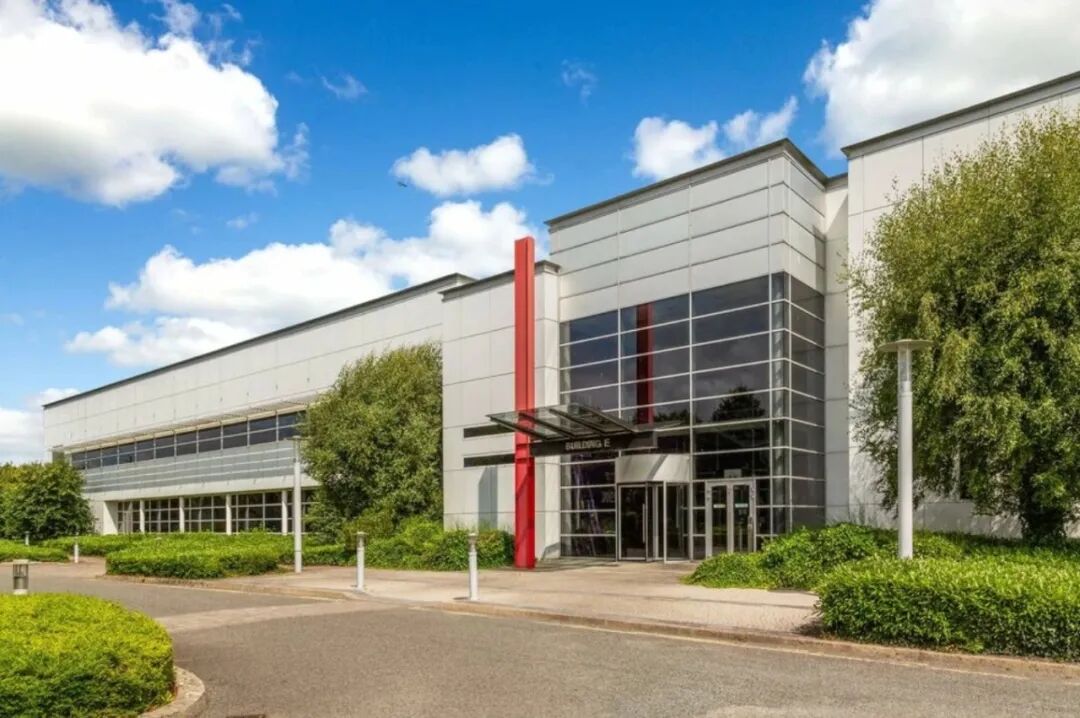
Dundalk Factory Closes, Toner Business Contracts
A Xerox spokesperson stated that this move is part of the company's strategy to "streamline operations and align with current customer needs," and that some of the toner manufacturing operations will be transferred to the company's factory in Webster, New York, USA.
The 14,554 m² "Building E", once an important part of the Xerox Business Park, was built and put into operation in 1999 and was once regarded as a significant achievement in Ireland's industrial development. However, with changes in technology and the market environment, the scale of factory operations gradually declined year by year.
In 2024, Xerox announced plans to cut 15% of its global workforce in the first quarter, signaling the beginning of the end for its Dundalk business. Although the company at the time stated that the Dundalk toner production facility would not be affected, this production base, which had been in operation for more than twenty years, ultimately exited the historical stage. The closure not only marked the end of a factory but also symbolized Xerox's strategic contraction in the traditional toner manufacturing sector, laying the groundwork for its subsequent business adjustments.
Strategic Shift, Return to the Inkjet Market
Just a few months ago, Xerox quietly entered a new track. In July 2025, Xerox announced a major strategic initiative, once again turning its focus to the single-sheet paper inkjet printing market. According to the cooperation agreement reached, Xerox joined forces with Kyocera to purchase Kyocera's single-sheet color inkjet printers to enrich its own production printing product line. Through this collaboration, Xerox will provide customers with high-performance, cost-effective color inkjet printers, which will be integrated with Xerox's production ecosystem-including Xerox Free Flow workflow automation software, post-press processing, and remote services-forming part of an end-to-end production printing solution for commercial print service providers.

Xerox's two moves in 2025 clearly reflect its strategic shift from traditional manufacturing to technology integration. Closing the toner factory is part of "simplifying the business," while partnering with Kyocera is aimed at "realigning the production printing business toward higher-value and higher-growth-potential areas."
According to market research firm IT Strategies, the global installation volume of single-sheet inkjet printers is expected to grow at a compound annual growth rate (CAGR) of over 13% from 2025 to 2030. Xerox's current strategy aligns perfectly with the stage when inkjet technology is increasingly penetrating production printing. In recent years, inkjet printing has been steadily gaining market share due to its speed, flexibility, and operational cost advantages.
On one hand, there is the quiet closure of the Dundalk factory; on the other, there is a renewed push into the inkjet segment. These series of moves clearly demonstrate how this century-old company is making strategic choices in the face of technological change-scaling back the traditional toner business while actively positioning itself in the more growth-oriented inkjet market to adapt to the trends in the digital printing industry. Factories can close, and production lines can be relocated, but technology always moves forward, and the future landscape of the printing industry is continuously being reshaped through such strategic decisions.