


From easy to imitate to hard to copy, a case study shows you how laser holographic labels can 'turn the tables' through craftsmanship!
Laser holographic labels, due to their production process characteristics, inherently possess a high level of anti-counterfeiting. In the field of printing and packaging, my company has tried combining labels with screen printing on paperboard boxes and implementing digital linking functions to enhance the anti-counterfeiting level, meet customers' personalized needs, and improve packaging quality.
In this article, I will share a case of anti-counterfeiting enhancement after actual label formation. Starting from this case, I will introduce the main process combinations and key points to note during production.
Overview of the Process
1. Main Materials and Equipment
(1) Holographic hot-stamp labels: featuring QR codes and digital information, with both being interlinked.
(2) Other materials: screen-printing UV varnish, screen-printing inks, film plates, screen-printing plates, etc.
(3) Main production equipment: screen printing machines, etc.
2. Main Processes
(1) Hot-stamping process
Generally, after the product has completed the prior offset printing process, the label is affixed to the specified position on the paperboard box through hot-stamping.
(2) Screen-printing process
The anti-counterfeiting enhancement is mainly achieved through the screen-printing process, where three treatment layers are stacked on the digital information area: a UV varnish layer, a scratch-off ink layer, and a UV black text layer (as shown in Figure 1). The dimensions and positions are determined according to the label and digital information. The main functions of the three treatment layers are as follows:
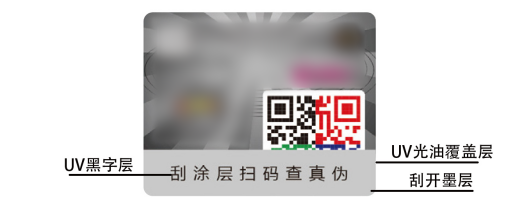
Figure 1: Process Display of Digital Information on Laser Holographic Labels
① UV Varnish Coating Layer: A layer of varnish is applied to the specified area of the label surface to facilitate the adhesion between the scratch-off layer and the label, and also to improve the scratch-off effect of the ink layer.
② Scratch-Off Ink Layer: The main step in upgrading anti-counterfeiting, this layer covers the digital information on the label and part of the QR code. Consumers can scratch off this layer to see the covered digital information, enabling anti-counterfeiting verification and other operations.
③ UV Black Text Layer: Black text such as "Scratch to Scan QR Code to Verify Authenticity" is added on the scratch-off ink layer to prompt consumers that they can scratch off the ink layer for anti-counterfeiting verification.
3. Functional Implementation of the Process
The label is combined with the screen-printing process on a paper board box. Consumers can scratch off the ink layer as prompted and use handheld devices to read the QR code, compare the retrieved information with the covered digital information, thereby performing anti-counterfeiting verification. This can effectively protect the product's digital information, achieving a higher level of anti-counterfeiting than just QR code reading alone. (As shown in Figure 2)
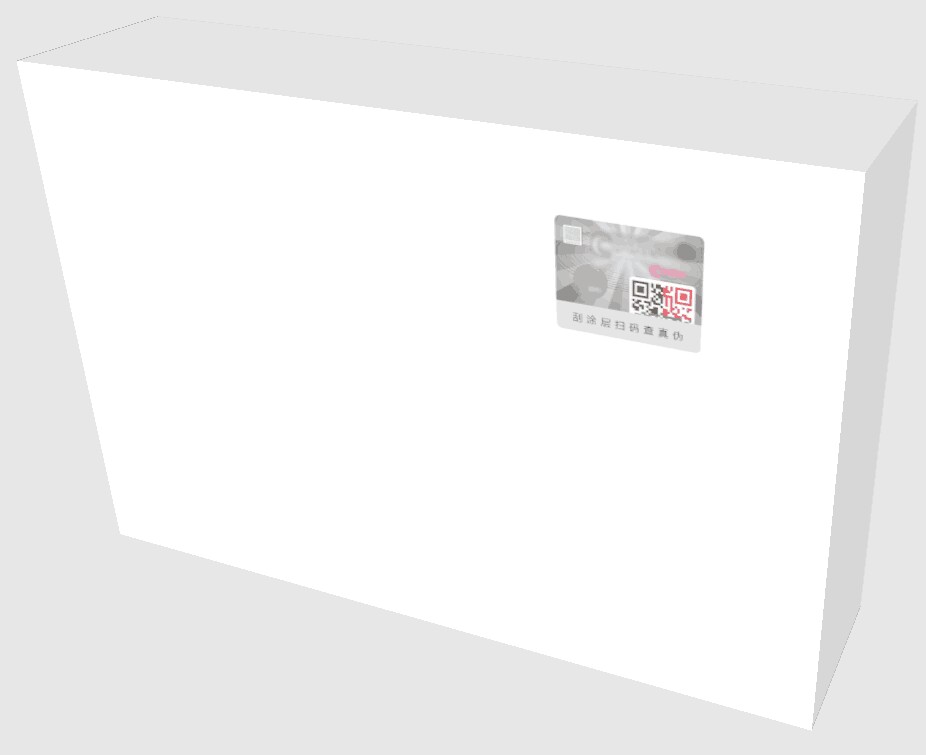
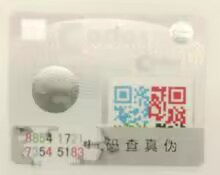
Figure 2 Laser holographic label anti-counterfeiting details
Production process precautions
The main focus and difficulty of the label and screen printing process is the firmness and ease of scraping the ink layer. There are many factors that affect its molding, such as equipment production parameters, material matching and other factors. In the actual production process, we need to conduct reasonable tests for new products in the early stage, select the correct production parameters, and focus on the process to ensure the quality of the product.
1. Main equipment production parameters
The main equipment production parameters include: drying temperature, plate making mesh, vehicle speed, etc.
(1) Drying temperature: directly affects the dryness of varnish and scraping ink, and too high or too low temperature will affect the scraping effect of scraping ink.
(2) Number of plate mesh: affects the thickness of the ink layer. The number of plate mesh is low, and the ink layer is too thick, which will affect the scraping effect of the scraping ink; The plate mesh is high, and the ink layer is too thin, which will affect the coverage and firmness of the scraped ink.
(3) Vehicle speed: It is closely related to production quality and production efficiency.
2. Material model matching
The matching degree of the three will directly affect the firmness of the scraped ink layer and the difficulty of scraping. In the actual production process of such jobs, the author's company will match different types of varnishes and inks for labels and cardboard types to ensure the quality of the product scraping.
3. Production quality requirements
(1) The overlay layer UV varnish and scraped ink should be printed densely, the edges should be neat, the size should be correct, and there should be no ink exposure in other parts.
(2) The first sheet of printing and scraping ink should be tested for firmness and ease of scraping, and the scraping effect is good, and the information code after scraping is complete and clear and changeable.
(3) After UV black printing, the visual inspection is clear, there is no missing pen hyphenation, pasted words, font size meets the requirements, etc., and there is no ink exposure in other parts.
(4) Focus on the printing set deviation, which should meet the requirements. It is recommended to add die-cut reference lines on the soft film before plate making, and print strictly according to the die-cutting lines when screen printing.
4. Other precautions
(1) The deformation rate of semi-finished products
The author's company will not produce screen film in advance during the actual production process, and the deformation rate of the semi-finished product will also affect the deviation of the set. Before the process of production, the deformation rate of the semi-finished product should be accurately measured, and the screen film should be made according to the deformation, so that the quality of the finished product will be well controlled.
(2) Packaging of finished products
After the screen printing process, necessary protective measures should be taken for the finished product to prevent the finished product from being affected due to environmental changes and long placement time.
(3) If necessary, follow up on the customer's usage.