


How can Fangdi Digital Printing quickly expand into the national market with 8 large central factories and 35 inkjet rotary equipment?
The Fangdi Digital Printing brand was established in 2016 and has since developed to have 8 large central production factories and over 10 medium-sized flagship factories. Among them, Chongqing Fangdi Digital Printing Co., Ltd. (hereinafter referred to as "Chongqing Fangdi") was established in September 2022. Fangdi Digital Printing currently has 35 digital inkjet rotary printing machines, 83 color flat digital printing machines, hundreds of black and white flat digital printing machines, and a full set of ordering equipment, with more than 800 employees. As a comprehensive printing service enterprise, Fangdi Digital Printing provides on-demand publication printing, business printing, small batch packaging printing, digital fast printing, and other services to corporate clients; We have the comprehensive service capability from printing to mass supply, truly providing customers with "one-stop" services.

Market positioning and opportunities of digital printing
In the competition with traditional printing, digital printing has demonstrated a unique market positioning due to its advantages in speed, cost, and flexibility. Its faster printing speed, lower printing cost, and higher flexibility meet the needs of short form printing, personalized printing, and variable data printing, which are exactly what traditional printing cannot achieve.
From the perspective of market size, the global digital printing market is maintaining a steady growth trend, with the Chinese market showing particularly significant growth and demonstrating strong development momentum. From the perspective of application distribution, the penetration of digital printing in multiple fields is deepening.
In terms of core application scenarios, the small batch and personalized characteristics of short form printing cater to personalized consumer needs; Variable data printing may provide customized services for enterprises; The ability of digital printing to quickly respond to market changes in the fields of on-demand publishing and fast-moving consumer goods packaging has brought new business opportunities.
However, despite the many advantages of digital printing, it also faces challenges such as high equipment investment costs, fast technological iteration, and fragmented orders. How to balance technological upgrades with cost control and improve the efficiency of handling fragmented orders has become a key issue for the sustainable development of the industry.
The core process of digital printing processing center
Efficient production processes are the foundation for digital printing enterprises to achieve competitiveness, and the core processes of digital printing processing centers need to revolve around the three goals of "precision, efficiency, and stability".
01
Key links in order receiving and preprocessing
The efficient operation of digital printing processing centers relies on strict control of the core processes. As the starting point of the entire process, accurate analysis of customer needs is crucial for order reception. The introduction of automated order management systems has greatly improved the efficiency of order processing.
02
Technical points of prepress processing
Document inspection is an important step in ensuring printing quality, and the application of digital proofing technology can effectively reduce costs and improve proofing speed.
03
Optimization of Printing Production Process
Equipment linkage, color management, and standardization are key to ensuring smooth printing production. By optimizing these processes, production efficiency can be improved and printing quality can be ensured.
04
Fine management of post-processing
Cutting, laminating, and binding are important steps in post-processing. By implementing refined management, we aim to improve product quality and enhance customer satisfaction.
05
Standardized process for quality inspection and delivery
Quality inspection is the last checkpoint to ensure product quality, and the establishment of standards for full inspection or random inspection is crucial. The choice of logistics cooperation mode is directly related to delivery efficiency.
Equipment and Technology Selection
Equipment and technology are the core carriers of digital printing production, and their selection and application directly determine the production capacity and market competitiveness of enterprises.
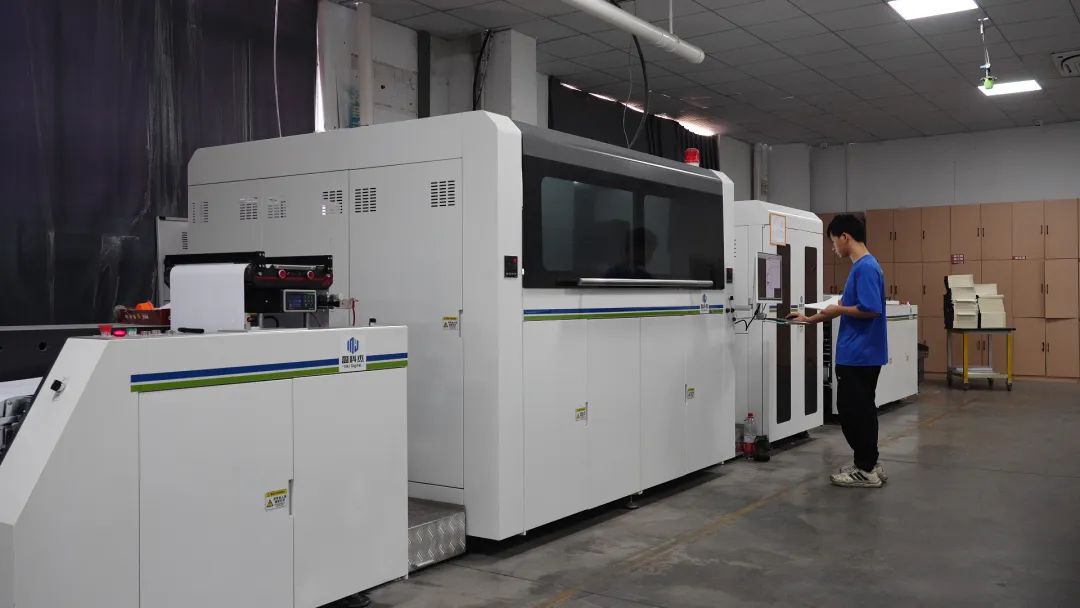
01Comprehensive comparison of mainstream digital printing machines
HP Indigo, Ricoh, Fujifilm Business Innovation, Konica Minolta and other mainstream digital printing machines have their own characteristics in printing accuracy, speed, cost and other aspects. Through comparative analysis, enterprises can choose the most suitable equipment according to their own needs.
02
Investment planning for rear equipment
In the post-processing stage, the investment priority ranking of equipment such as cutting machines, laminating machines, and binding machines is related to the smoothness and delivery efficiency of the production process. Enterprises need to fully consider and plan the investment sequence reasonably.
03
Application and Practice of Efficiency Enhancement Technology
The application of efficiency enhancing technologies such as automated online production systems, AI driven color calibration, and IoT device monitoring can significantly improve production efficiency from multiple aspects including production processes, quality control, and equipment management.
04
Calculation model for device ROI
Through the device ROI calculation model, enterprises can clearly see the relationship between investment costs and daily production capacity, thus making more informed investment decisions.
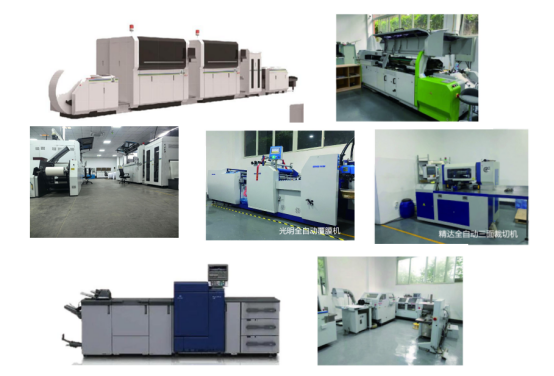
Overview of Fangdi Digital Printing Pre - and Post Press Equipment
Actual operational management strategy
Taking the practical analysis of digital printing in Chongqing Fangdi as an example, there are many pain points in the application of digital printing in book and magazine printing. Fragmentation of orders leads to increased management difficulty; The file preprocessing work is both extensive and tedious, consuming a lot of manpower and time; The amount of data in the subsequent process has doubled, increasing the complexity of processing; Customers have strong demands for timeliness, which poses a huge challenge to the company's response speed; Quality inspection and logistics distribution processes also need to be strictly controlled to ensure the final delivery of products.
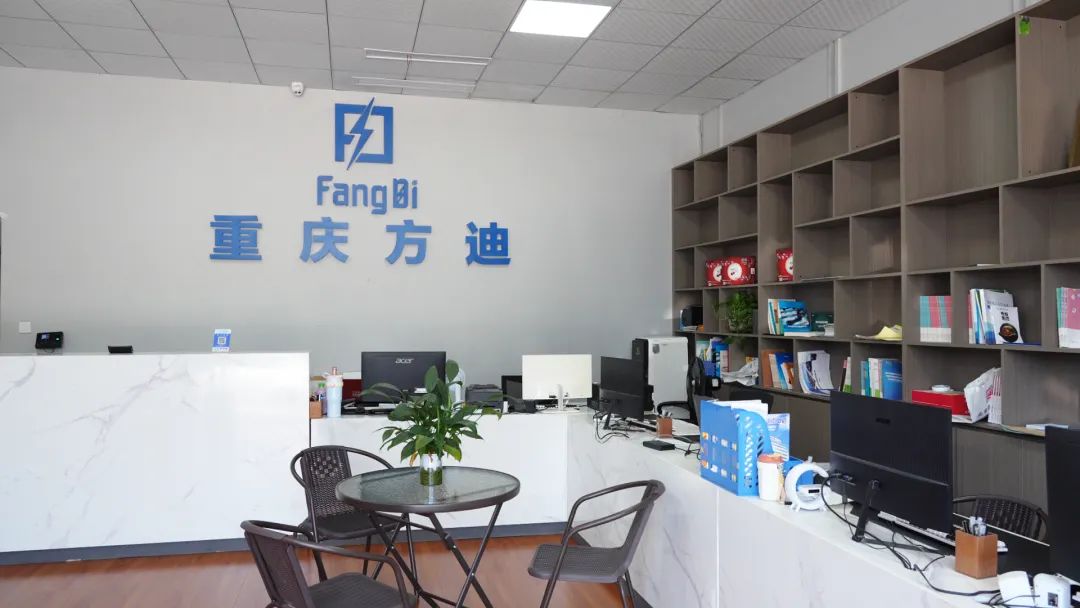
To address these pain points, operational strategies can be developed from four dimensions:
01
Effective methods for cost control
By optimizing the supply chain of paper and consumables, and developing equipment maintenance plans, costs can be effectively controlled.
02
Optimization strategies for personnel management
The implementation of skill matrix training and performance incentive system can improve employees' work efficiency and quality.
03
Innovative Model of Customer Management
The integration strategy of long tail orders and the launch of membership/subscription services can stabilize customer sources and improve customer satisfaction.
04
Introduction and Practice of Digital Tools
The introduction of MIS system and customer self-service quotation platform can improve order processing efficiency and enhance customer experience.
Consumables and personnel optimization strategy
By further focusing on the procurement of consumables and personnel allocation, enterprises can further unleash their operational potential through refined management. The core strategies include the following points.
01
centralized purchasing
Centralized procurement refers to the centralized management of procurement activities within an enterprise, unifying procurement plans and processes. This model is conducive to reducing procurement costs, improving bargaining power, and also helps ensure consistency in consumable quality and supply stability.
02
Purchase on demand
On demand procurement is a mode of purchasing based on actual needs, aimed at reducing inventory backlog and improving capital utilization efficiency. By accurately predicting and monitoring demand in real-time, enterprises can replenish consumables in a timely manner, avoiding excessive procurement or insufficient supply.
03
The use of temporary workers
Temporary workers are usually used for short-term or seasonal work peaks, and their use can quickly supplement human resources. However, it is important to plan work tasks reasonably and avoid human resource instability caused by excessive reliance on temporary workers.
04
Diversified delivery methods
With the advancement of logistics technology, delivery methods are also becoming more diversified. Enterprises can choose appropriate delivery methods based on the urgency and cost-effectiveness of orders, such as express delivery, logistics, and self built delivery teams.
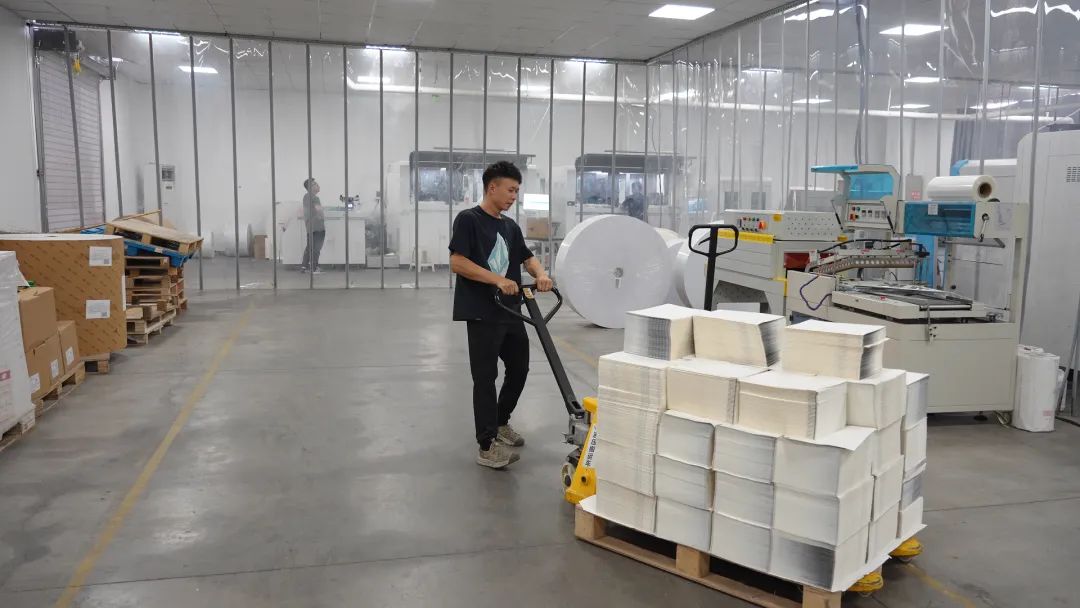
Currently, the digital printing industry is moving towards a new stage of technological upgrading and model innovation. Green printing has become an inevitable trend, and the widespread use of water-based inks has reduced environmental pollution. Carbon neutrality certification has also become a goal pursued by many enterprises, reflecting the industry's high emphasis on sustainable development; At the same time, innovation in hybrid printing technology brings new opportunities. The organic combination of digital printing and traditional printing equipment fully leverages the advantages of both, meeting personalized and small-scale printing needs while ensuring the efficiency and quality of large-scale production, opening up new business areas for enterprises; In addition, the integration and upgrade of the Web to Print platform provide an online and automated solution for the printing industry. Customers can directly submit orders and design documents through the internet, enabling enterprises to achieve automated production and management, greatly improving order processing efficiency and customer experience.
In the face of technology driven industry changes, enterprises must continuously iterate their technology and operational capabilities. Only by constantly innovating can they adapt to the constantly changing market environment and gain an advantage in fierce competition. Digital printing companies should actively embrace these trends, increase technological investment, and improve operational management levels to achieve sustainable development.