Deeply cultivate label inkjet, explore new blue ocean in online printing
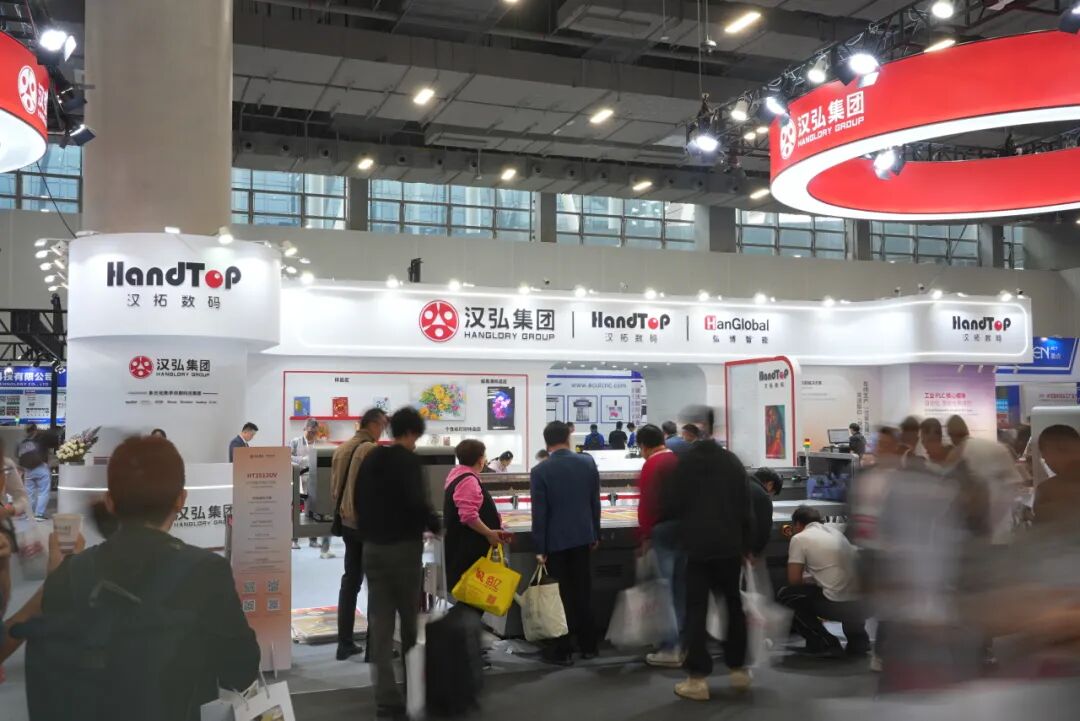
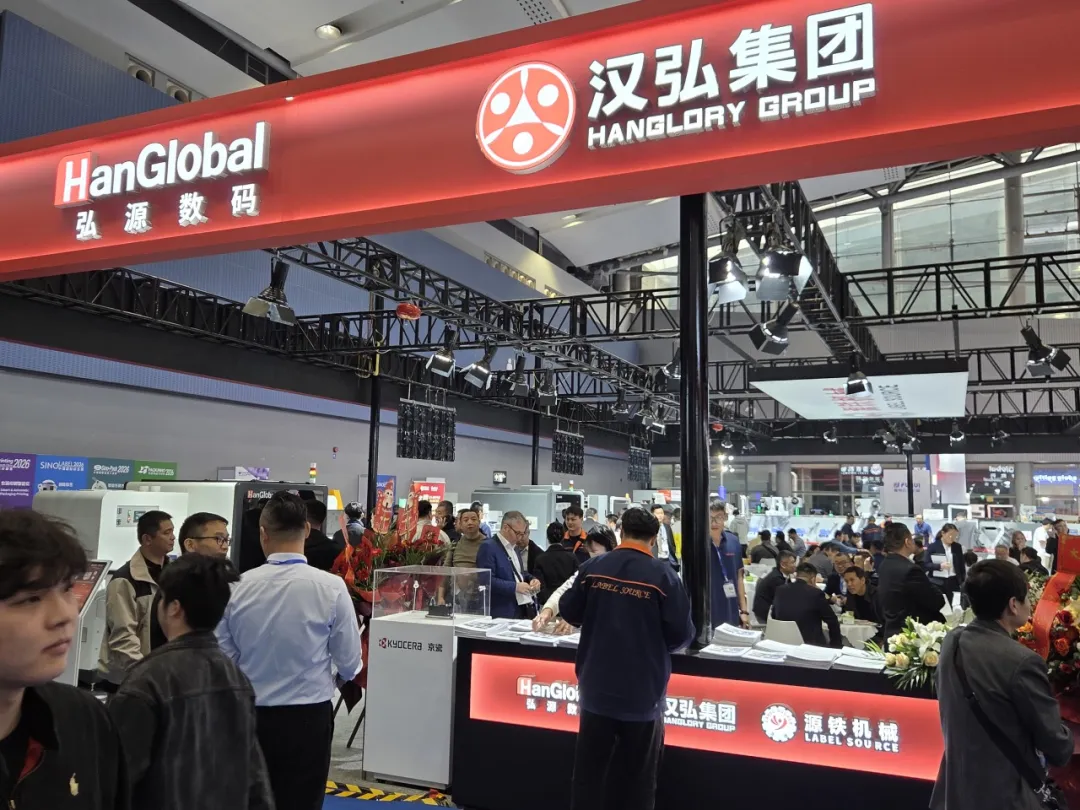
At the SINO LABEL China International Label Exhibition in March and the DPES Guangzhou Spring Exhibition, Hongbo Intelligent clearly outlined its strategic layout of focusing on three main business lines: labels, books, and online printing, through the concentrated debut of two major new products. Relying on digital inkjet technology innovation, Hongbo Intelligent injects new momentum into the development of multiple industries, while also conveying to the market the brand's determination to 'cultivate meticulously and progress continuously.'
Label Inkjet's 'Rooting Downward'
-The Inclusive Approach of LabStar 330mini
The new label machine LabStar 330mini released by Hongbo Intelligent is not simply a product iteration, but a profound response by the brand to the digital transformation pain points of small and medium-sized printing enterprises.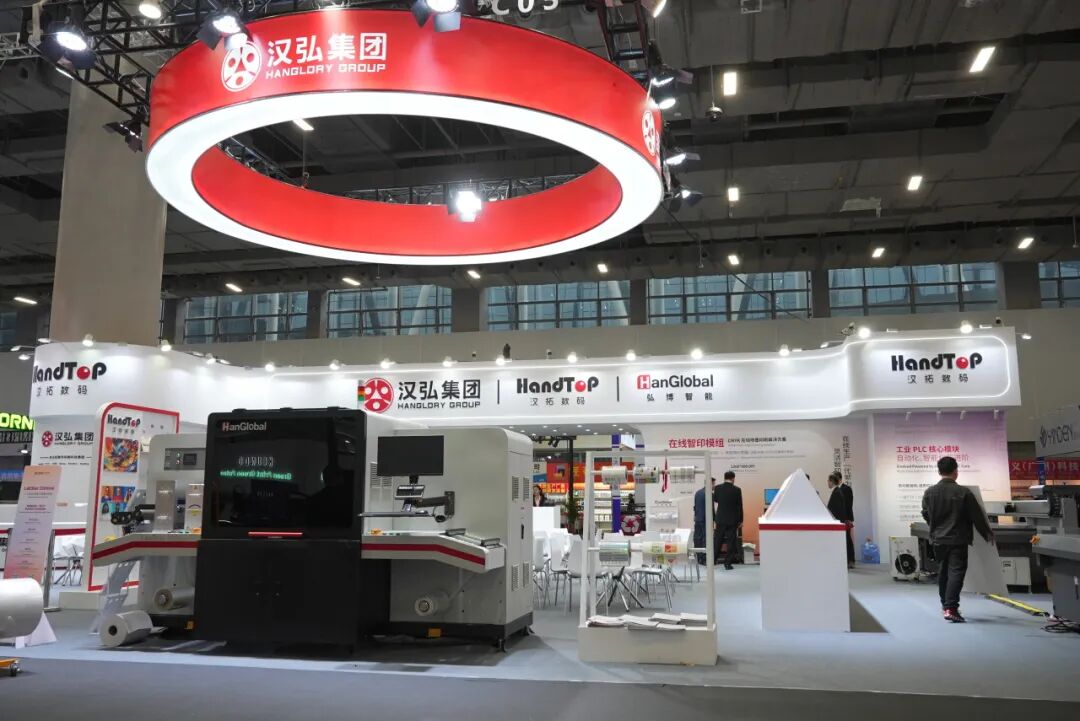
Currently, the label printing industry is accelerating its transformation from large-scale production to a model of 'flexible and fast response.' However, for many small and medium-sized printing companies, equipment investment and operating costs remain a significant barrier to digital transformation. Hongbo keenly captured this demand and positioned the LabStar 330mini as a 'lightweight breakthrough solution'-it carries not only technology but also Hongbo's original mission of 'making digital transformation simpler and more efficient.'
Adhering to the design concept of 'extreme integration, cost reduction, and efficiency improvement,' the LabStar 330mini integrates previously separate components, such as external electrical cabinets and water-cooling systems, into a more compact, all-in-one design. The machine does not separate from the roll when disassembled, greatly reducing footprint and overall operating costs. Behind this is Hongbo's meticulous consideration of the real production scenarios of small to medium-sized factories and high-density production lines-the equipment must create greater value in limited space.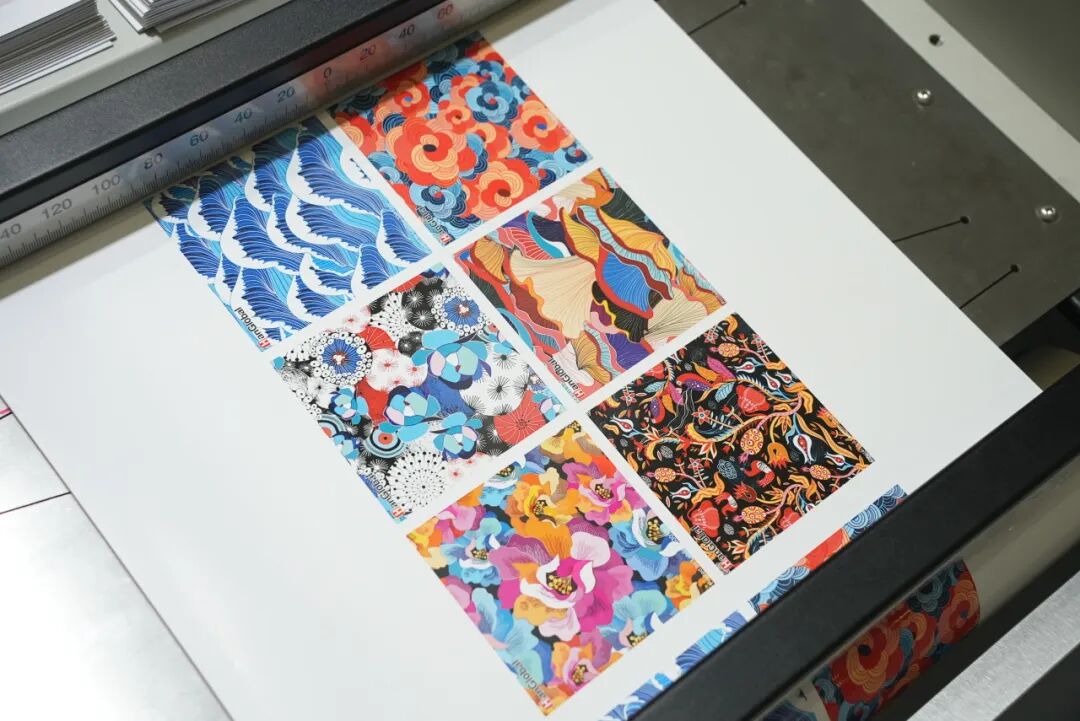
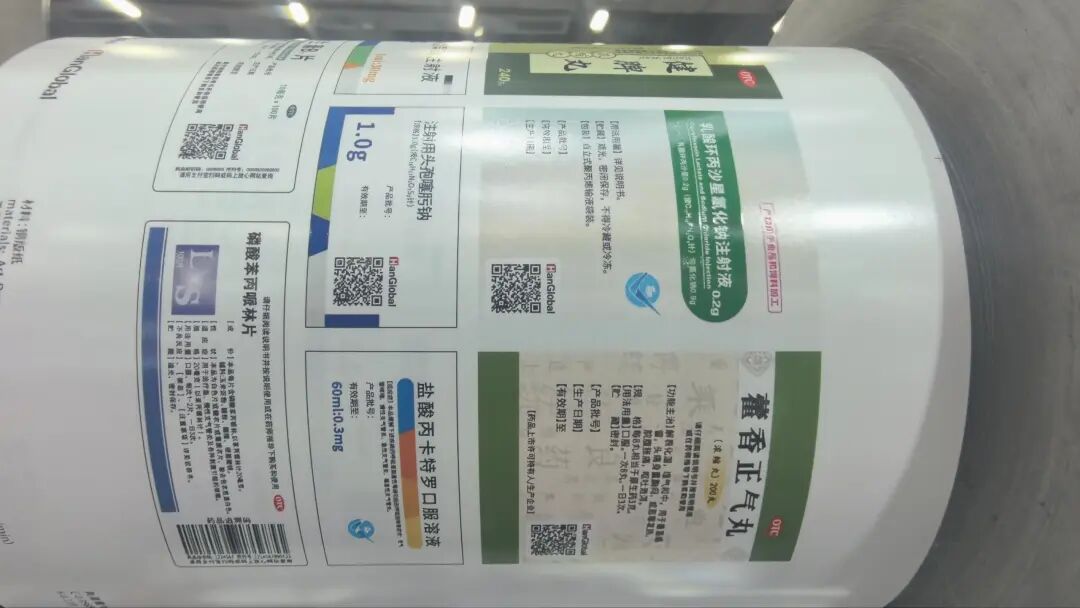
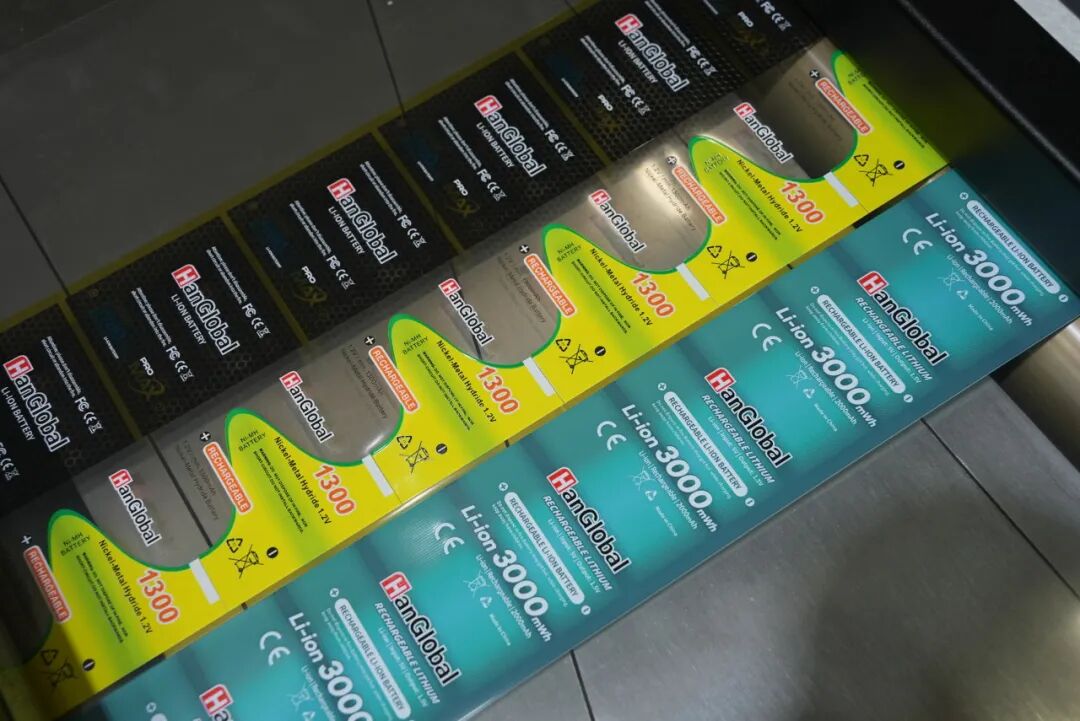
Behind the ultimate integration is Hongbo's continuous dedication to digital printing technology. On one hand, the full-process efficiency brought by on-demand inkjet and Single Pass technology makes 'on-demand production, flexible and rapid response' a reality. On the other hand, the secondary registration printing function helps printing factories easily complete precise printing of anti-counterfeiting marks, traceability codes, and spot colors, supporting missing print supplementation and overlay processes, significantly enhancing the added value of existing labels and expanding the range of orders printing companies can accept. The variable data printing function allows each label to carry dynamic information such as independent QR codes, serial numbers, and personalized graphics and text, serving as a small dynamic bridge connecting brands and consumers.
In terms of performance, the LabStar 330mini adheres to industrial-grade flagship standards: equipped with a 600DPI industrial piezoelectric ceramic printhead, a maximum printing speed of 50m/min, and CMYK (with optional single or double white) color modes paired with high-performance UV ink, it achieves clear and vibrant printing within a 322mm width. For companies pursuing a return on investment, the lower operating costs brought by ultimate integration make this device an accessible 'entry ticket' for digital transformation.
"Upward Growth" in Online Printing
-Reconstructing Industrial Manufacturing Processes with a 'Digital Link'
If the LabStar 330mini represents Hongbo's vertical deepening in the field of label inkjet, then the release of the online intelligent printing module marks Hongbo's horizontal expansion into the industrial printing sector. Following its ventures in label and book inkjet printing, this is another significant exploration of growth directions in digital printing for Hongbo, and it is also a practical implementation of 'broadening the boundaries of digital inkjet applications and empowering industries across the board.'
The core logic behind Hongbo's intelligent strategy for online printing originates from a reevaluation of traditional industrial printing processes.
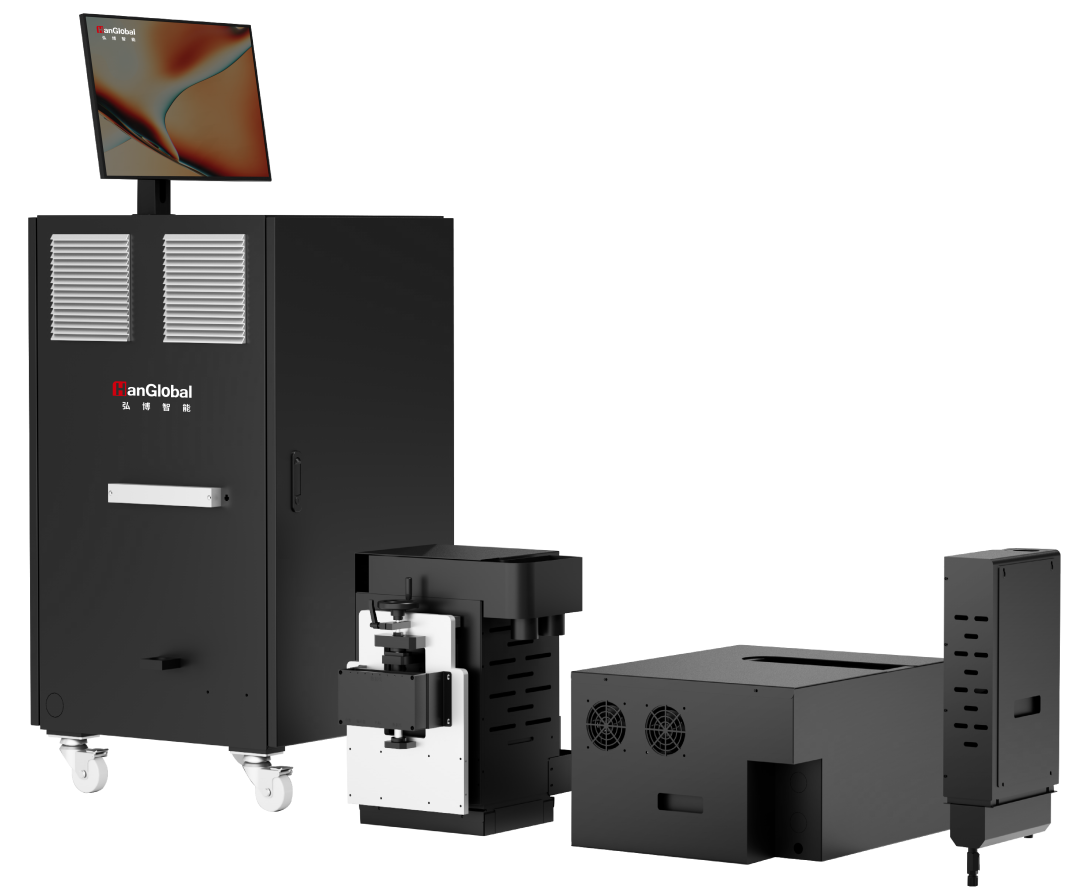
In traditional industrial manufacturing, printing is often regarded merely as a "packaging cost." The practice of purchasing labels externally and applying them upon arrival has been used for many years, yet it hides efficiency pitfalls such as inventory backlog, low labor efficiency, difficult cross-department collaboration, and labeling mismatches. When Hongbo realized the urgent need to advance industrial digitalization, it took decisive action and developed the "Online Smart Printing Module" as a core enabling tool.
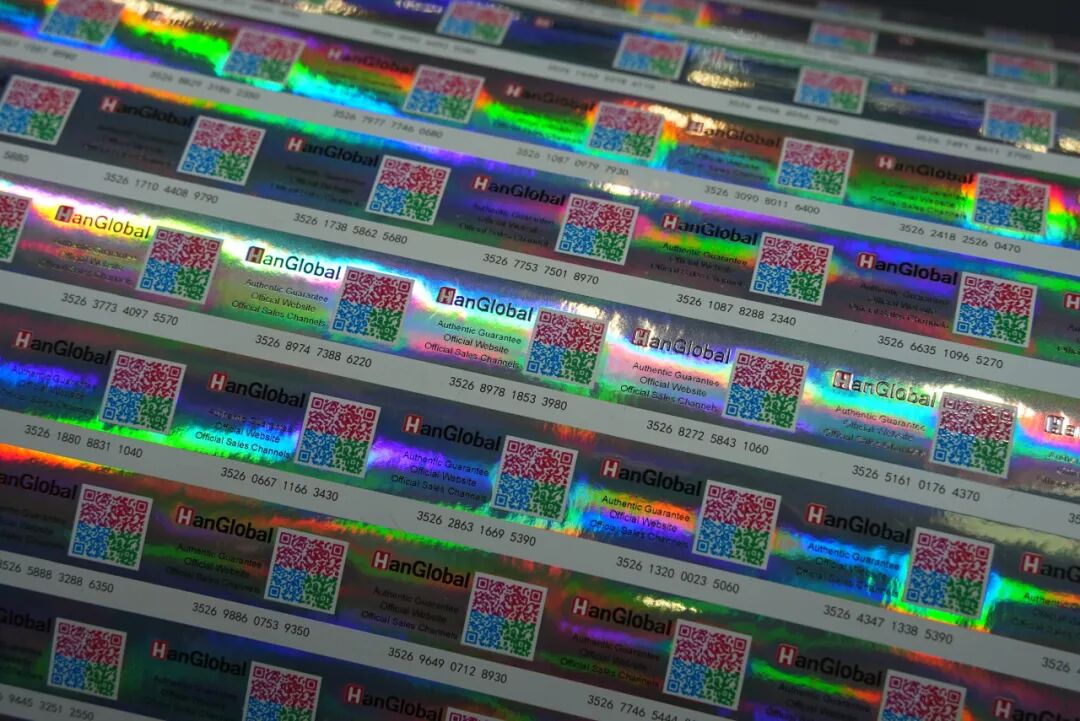
The Hongbo Online Smart Printing Module can perfectly match the pace of mainstream industrial production lines, operating at speeds up to 50m/min. Its 1200*600 DPI high-precision printing ensures accurate replication of graphics and text under industrial pace. It supports various high-value-added processes such as variable UV, 3D, Braille, and digital hot stamping, upgrading product labeling from "basic identification" to "textured presentation." Variable data printing can accurately achieve on-demand inkjet printing of various QR codes, barcodes, batch numbers, as well as logos and brand identifiers, meeting market demands for one-item-one-code, anti-counterfeiting traceability, and brand marketing.
Further reading: Hongbo Intelligent "Online Printing" Solution Seizes the Future Market (Exclusive Interview)
In Hongbo's view, the online printing module, with its three core features of plug-and-play, interconnectedness, and unmanned operation, has become a 'digital link' connecting various segments of industrial production. It can be directly embedded into the production line, enabling identification and products to be produced simultaneously; it seamlessly interfaces with MES production management systems and ERP order management systems, allowing products to enter a one-stop workflow from the moment an order is placed, driving zero inventory and intelligent production from ideal to reality. This is not only an improvement in production efficiency but also a complete reconstruction of the underlying logic of industrial production.