


Decoding the technological transition path of the label industry from the exhibition sample (Part II)
Continued from the previous article: Fu Qiang's column|Decoding the technological transition path of the label industry from exhibition samples (Part 1)
Digital post-press - technology empowerment, the market is hot and remarkable
01
Post-printing efficiency
Since 2016, Israel's Scodix launched digital inkjet technology for sheet-fed paper, and MGI has launched digital inkjet technology for web paper. This technology has quickly swept the global printing and packaging industry with its disruptive process advantages, which can not only perfectly replace the traditional local varnishing and hot stamping and embossing processes, but also create a textured 3D three-dimensional effect to meet the market's high requirements for label visual experience. Nowadays, the R&D and manufacturing of domestic digital efficiency enhancement equipment has achieved a comprehensive breakthrough, and there are dozens of suppliers who can produce related equipment, which have reached the international high-quality level in terms of equipment performance, finished product quality and visual effects, and realized the independent controllability and localization of technology.
Figure 8 is the sample displayed by Shenzhen Ruibang at the exhibition, these two character labels are based on flexographic printing, and at the same time, the digital efficiency process is accurately used to carry out local UV inkjet varnishing on the main parts of the hair and face, printing delicate transparent lines, and in the clothing area, UV inkjet stamping process is used, through pre-spraying transparent UV adhesive, after curing and then compounding hot stamping foil, finally forming metal lines and exquisite patterns with 3D effect. This label combines post-press efficiency and flexo reverse glazing technology, and the quality is comparable to that of a work of art, and the metallic gradient effect of the two women's clothing is rich in layers and high gloss, which is very visually appealing on the booth, and has become a classic application example of post-press efficiency technology.
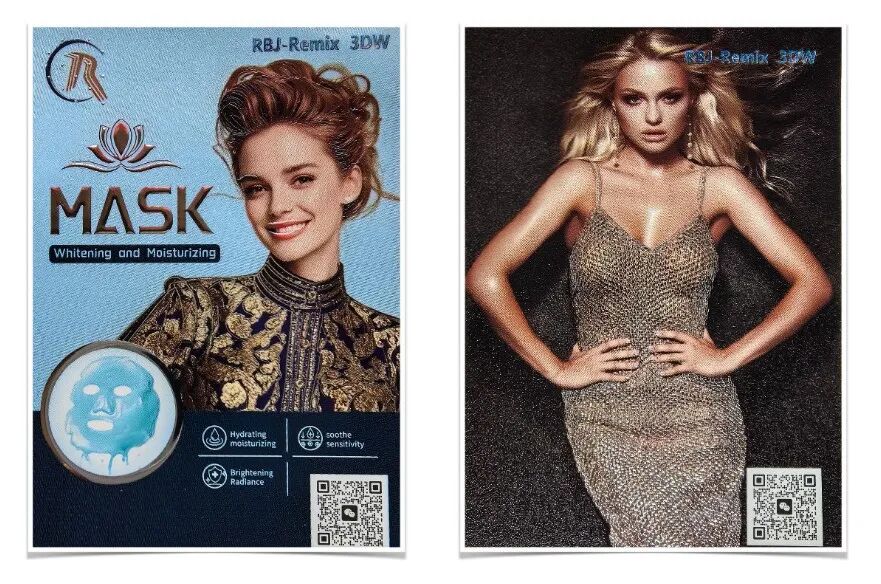
 Figure 8 Label samples obtained at the Shenzhen Ruibang booth
Figure 9 is the label sample obtained at the Priscilla booth, and its process is progressive: first, color inkjet printing is completed, then covered with transparent matte varnish through the flexo printing process, and finally transparent digital varnish is used to carry out local efficiency varnishing to create a 3D grid effect on the background surface, while making the text prominent and the animal shape present a distinct three-dimensional sense. The label forms a differentiated style with Shenzhen Ruibang's samples, with a unique design and ingenuity, a light background contrasting with dark theme graphics and texts, and a delicate grid texture composed of transparent ink, which makes the label present an elegant texture as a whole, and the three-dimensional effect makes the shelf display advantages highlighted, which can quickly attract the attention of consumers.
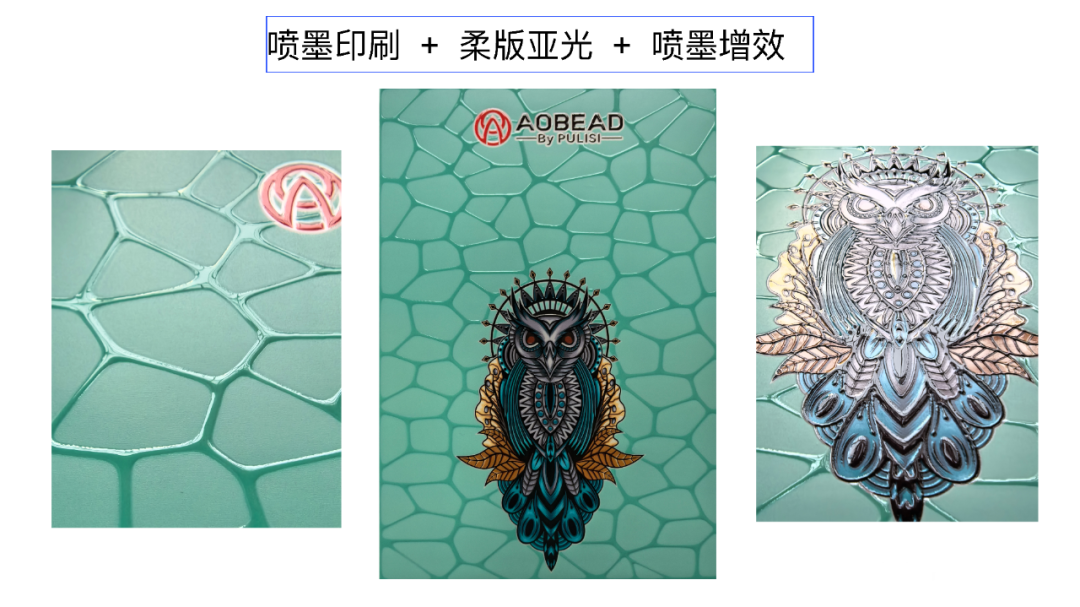
Figure 9 Sample labels obtained at the Pritzker booth
Figure 10 is the sample obtained at the Sun Machinery booth, this metalized effect label design has strong contrast and distinctive characteristics, using matte white pearlescent film BOPP as the raw material, and the creation of metallic leaf effect is quite ingenious: accurately print color dots on silver electrochemical aluminum, and finally print transparent varnish on the surface as a whole, and finally form a three-dimensional refractive effect of micro-embossing, full of texture between light and shadow changes. One of the design highlights of the label is the clever use of black ink printing, which completely covers the raw edge of the cold stamping electrochemical aluminum, so that the edges of the leaves are neat and clear, and the details highlight the level of craftsmanship.
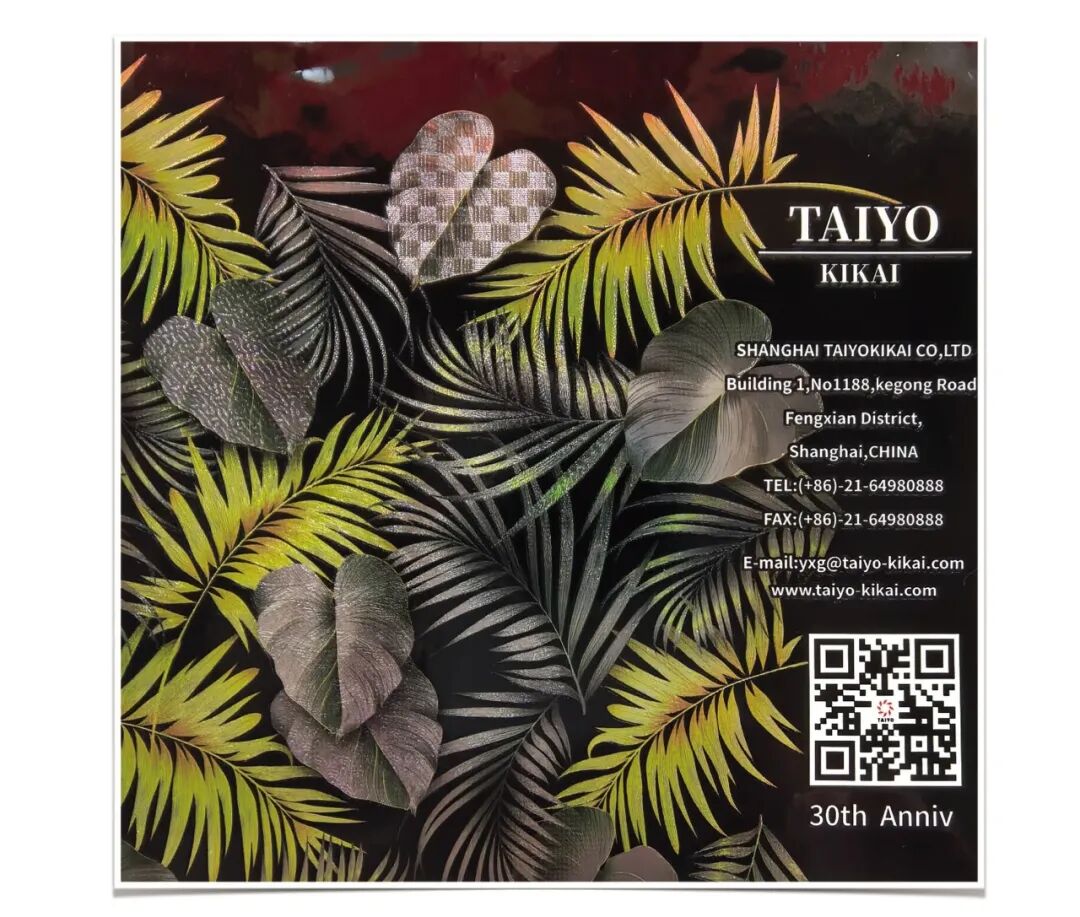
Figure 10 Label samples obtained at the Sun Machinery booth
Figure 11 is a wine label obtained at the booth of Hebei Wanjie, which selects the matte embossed paper material for the wine label, and uses the traditional offset printing combined with hot stamping and embossing, so that the label has both metallic texture and three-dimensional touch. This label abandons the popular cold stamping process and chooses hot stamping, behind which is the precise consideration of process adaptability: the hot stamping process can completely transfer the hot stamping foil to the surface of the embossed paper under the dual action of the pressure and heat of the metal plate, perfectly overcoming the material shortcomings of the uneven surface of the embossed paper; At the same time, the micro-embossing design on the printing plate can make the electrochemical aluminum surface after foil stamping show a variety of tiny patterns, making the foil stamping effect more vivid and three-dimensional. In addition, another major advantage of the hot stamping process on the surface of embossed paper is that the surface of the hot stamping foil will not crack after the embossing process, and the plastic performance is excellent, so that the metal effect and three-dimensional effect bless each other, which is more in line with the high-end and exquisite product positioning of wine.
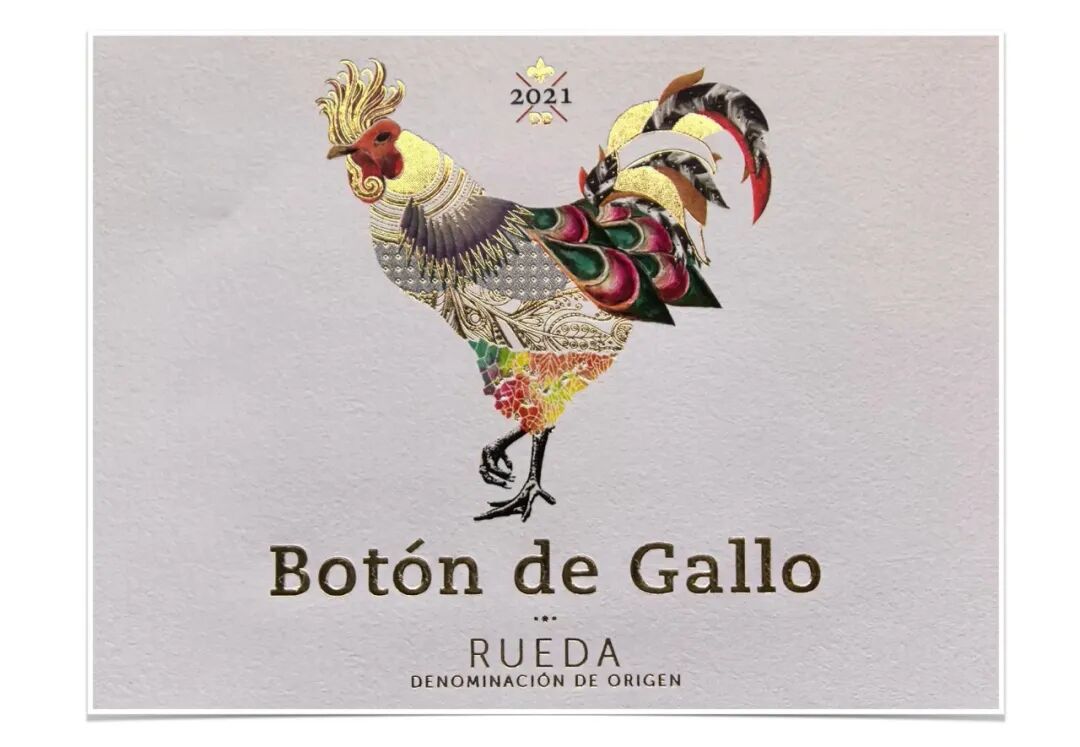
Figure 11 Label samples obtained at Hebei Wanjie's booth
In the label industry, the application scenarios of post-press efficiency continue to expand, and the application scope is becoming more and more extensive, of which wine labels are its largest potential market, and high-end wine drinks have high requirements for label texture and visual effects, so that the value of post-press efficiency enhancement technology can be fully utilized. At the same time, the flexible packaging market has become an important incremental market for post-press efficiency technology, in recent years, more and more printing factories have abandoned traditional wide-format gravure printing machines and turned to medium and narrow format printing machines to print film materials, and the efficiency enhancement equipment launched by equipment suppliers can be perfectly matched with medium and narrow format printing machines to achieve the synergistic adaptation of process and equipment. At present, there have been a large number of flexible packaging products using post-press efficiency enhancement technology on the market, and the shelf display effect of such products has been greatly improved, which can stand out among many products and is deeply recognized and welcomed by the consumer market and brands.
02
Laser die cutting
Laser die-cutting, as one of the core processes of label post-press processing, has always been a key area of concern for exhibition visitors. In previous industry exhibitions, the samples and samples displayed by various laser die-cutting equipment suppliers on site all had a common process defect: when the laser beam cuts the edge of the material, there will be different degrees of burn marks, which are manifested in four types of problems: (1) The labels printed with on-site ink are prone to slight white edges on the die-cut edges, which destroys the integrity of the picture; (2) Pure material labels without ink will have discolored yellow edges on the edges, affecting the visual aesthetics; (3) For film material labels, the edges will produce different degrees of shrinkage and hard edges, resulting in poor label forming effect; (4) On the surface of the bottom paper of the self-adhesive material, the silicone oil layer will leave traces of different shades after die-cutting, which may affect the subsequent labeling use. These quality defects not only reduce the quality of finished labels, but also become important factors restricting the rapid popularization and large-scale application of laser die-cutting technology in the label printing industry.
At this exhibition, the laser die-cutting equipment ULC350 exhibited by Ada Equipment brought surprises to the industry, and the samples produced by its on-site demonstration (as shown in Figure 12) completely avoided the quality defects of the above-mentioned traditional laser die-cutting machines, with smooth and flat die-cutting edges, no burn marks, and the quality of the finished product reached a new height in the industry. According to the technicians of Ada equipment, the core breakthrough of this equipment lies in the innovation of the die-cutting process: during die-cutting, the backing paper of the self-adhesive material is first accurately separated from the tissue paper, and then the laser die-cutting operation is carried out on the surface of the adhesive, and finally the finished label and the backing paper are re-compounded to complete the entire die-cutting process. This innovative process completely breaks the traditional technical model of laser die-cutting, is an innovative achievement of cross-border fusion coating composite process and label labeling process, and is a major technological innovation in the field of laser die-cutting technology, which has obtained relevant patent certification.
At the exhibition, there are also other laser die-cutting equipment suppliers exhibiting similar innovative die-cutting equipment, each with its own technical characteristics and process advantages, which will not be repeated here, and it is expected that the laser die-cutting market can form a development pattern of a hundred flowers and a hundred schools of thought, and promote the sustainable development of the industry in the direction of intelligence and high quality.
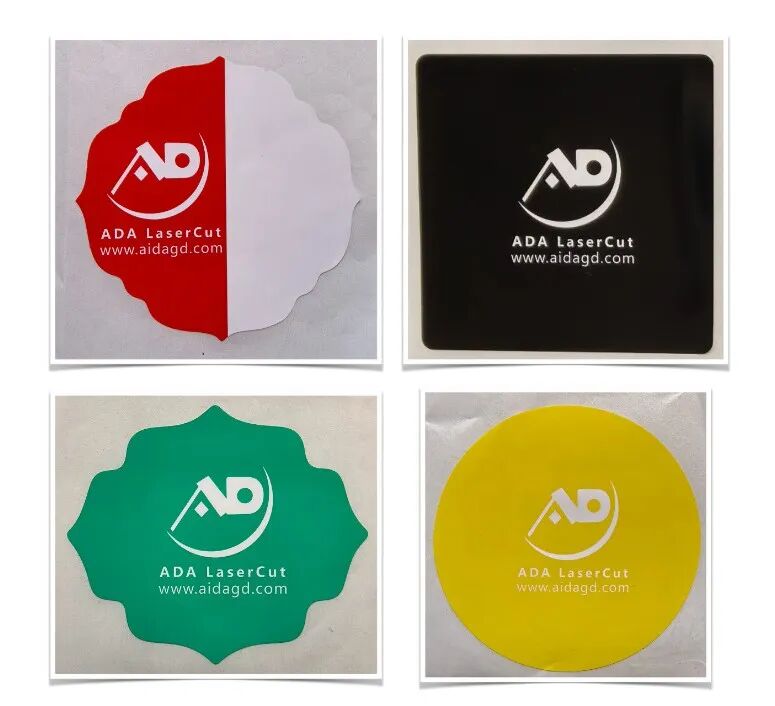
Figure 12 Label samples obtained at the Ada equipment booth
High-fidelity seven-color printing - applications are rare, and the technology needs to be deeply cultivated
Compared with the traditional printing process, its core advantages are very prominent: on the one hand, it can effectively expand the color gamut range of printed materials, make the graphics and text richer colors, more accurate color reproduction, and perfectly present the color details of the design draft; On the other hand, the production efficiency has been greatly improved, and the printing machine only needs to change the printing plate when changing orders, and there is no need to change the color sequence and clean the ink rollers, effectively reducing the downtime of changing orders. At the same time, all spot colors in this process are accurately synthesized by the dots, and there is no need to mix spot color inks separately, which not only reduces the cost of ink, but also ensures color consistency and greatly improves printing quality, so it has been unanimously praised and recognized by the global printing industry. However, the high-fidelity seven-color printing process has extremely high requirements for the supporting of the entire supply chain, and it is necessary to establish a full-process color management system, from the parameter calibration of prepress plate making, the precise adjustment of printing equipment, to the scientific determination of ink hue, and then to the consistent control of raw material materials and performance.
Figure 13 is a sample obtained at the booth of Brett Ink, which was printed and produced by a customer in Taiwan, using Brett's special ink, and made using a high-fidelity seven-color flexographic printing process on the laser film substrate. The printing effect of the whole group of labels is amazing, the colors are bright and full, the picture is layered, the small dots in the highlight part are clear and complete, there is no loss, and the dots in the dark part are evenly arranged, not equal, and not pasted, which fully demonstrates the color advantages and printing accuracy of the high-fidelity seven-color printing process. At the same time, the metallic texture of the laser film substrate and the color graphics and texts of the full color gamut are integrated with each other, making the metallic color effect of the label more vivid and the visual impact is strong, becoming one of the most popular samples for visitors at the exhibition.
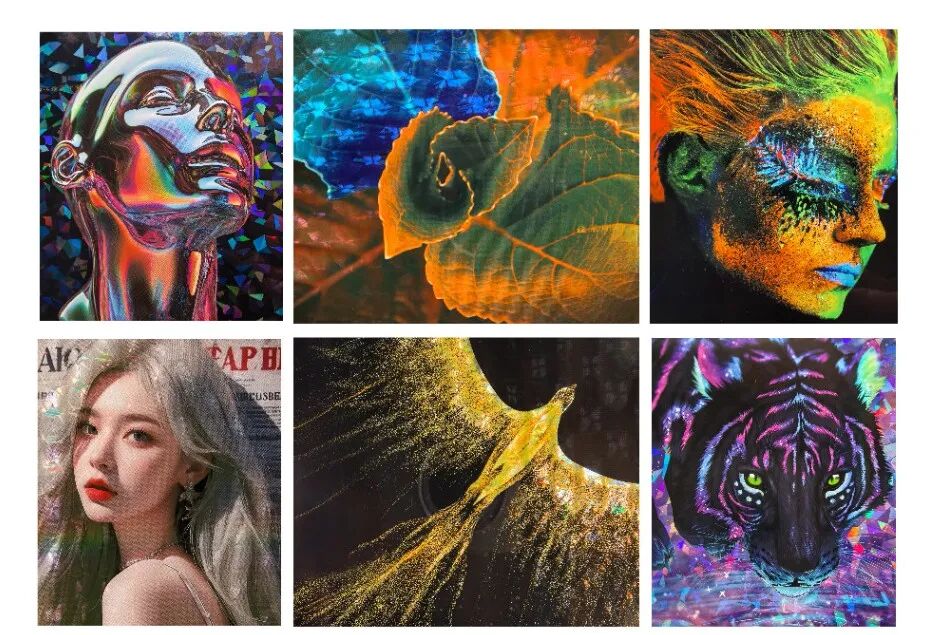
Figure 13 shows a sample obtained from the Brett Ink Company booth. This sample was printed and produced by a client from Taiwan, China, using Brett's specialized inks and created on a laser film substrate with a high-fidelity seven-color flexographic printing process. The entire set of labels demonstrates stunning printing quality, with bright and rich colors, distinct visual layers, fine highlights with small dots that are clear and intact without any loss, and uniform halftone arrangements in dark areas without moiré or blurring. This fully showcases the color advantages and printing precision of the high-fidelity seven-color printing process. At the same time, the metallic texture of the laser film substrate blends with the full-color images and text, making the metallic color effect of the labels more vivid and visually striking, making it one of the most popular samples at the exhibition.
Despite the significant advantages of the high-fidelity seven-color printing process, due to multiple limiting factors, very few companies in China's label printing industry currently use this process. In recent years' Asia Label Awards, almost no entries used this process. At this exhibition, only a few high-fidelity seven-color printing samples printed by digital printers were seen, and no mature samples made with traditional printing equipment were observed. This situation reflects that the domestic industry still has clear shortcomings in the R&D of this process, process control, and supporting supply chains. It is hoped that label printing companies in China with certain technical capabilities, equipment conditions, and financial foundations will proactively carry out the research and practice of the high-fidelity seven-color printing process, break through technical bottlenecks, improve the process system, fill the domestic industry's technological gaps, enrich the choices of label printing processes, and promote a thriving and diverse development pattern in China's label printing market.
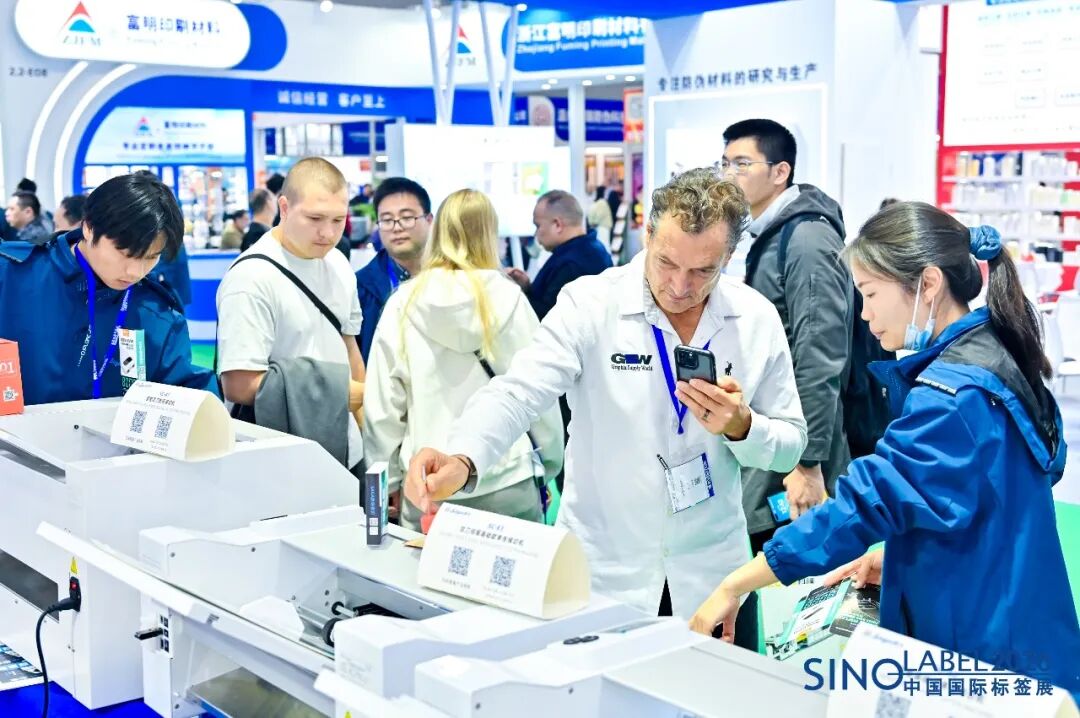
This China International Label Exhibition brought together high-quality domestic and international label industry companies, cutting-edge technologies, and innovative products, becoming an important window to decode the industry's technological advancement path. From the various samples on display, it is clear that the label industry is steadily advancing in the direction of process innovation, equipment upgrading, quality improvement, and scenario adaptation. At the same time, the exhibition also showcased distinct characteristics of industry development: traditional processes have not been eliminated but have achieved transformation and upgrading through integration with new technologies. For example, the precise application of hot stamping in wine label production demonstrates the adaptability of traditional processes; domestic enterprises' technological innovation capabilities continue to improve, from localized mass production of digital enhancement equipment to breakthroughs in laser die-cutting technology patents, showcasing China's independent innovation strength in the label industry.
We look forward to all stakeholders in the industry taking this exhibition as an opportunity to continue deepening technological innovation, enhancing industrial collaboration, allowing more cutting-edge processes to be applied, accelerating the iteration of domestic innovations, and driving China's label industry toward a higher-quality development stage in the wave of technological advancement.