


Unlock this mesh printing technology and further upgrade the cigarette pack printing effect!
CTP platemaking technology is controlled by publishing software (such as the Heidelberg CTP platemaking system prinect Cockpit), where text and image information is processed by RIP into dot-like pixels, and then directly imaged by digital thermal exposure, ultimately forming halftone levels ranging from 1% to 99%. Currently, screening technologies mainly include amplitude modulation screening, frequency modulation screening, and hybrid screening (Figure 1 shows the dot shape of hybrid screening). When outputting the plates, it is necessary to reasonably choose the screen ruling and screening method according to the halftone levels of the printed text and images, as well as the type of substrate and other process requirements.
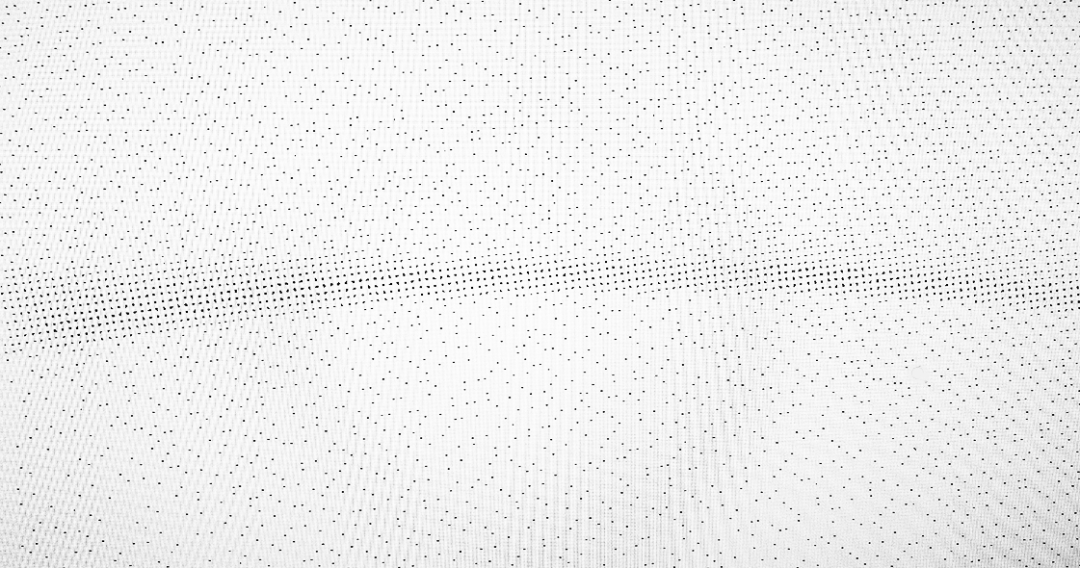 Figure 1 Hybrid Screening Dot Shapes
In the cigarette packaging printing industry, sometimes it is necessary to use amplitude-modulated (AM) screening and frequency-modulated (FM) screening in different graphic areas of the same printing plate according to the characteristics of the design original and the process requirements. This creates two different dot shapes, known as secondary screening technology - this technology is achieved based on secondary positioning exposure and is not a traditional hybrid screening. With the improvement of secondary exposure positioning accuracy in CTP (Computer-to-Plate) platemaking, it has become technically possible to apply high-line graphics, local AM screening, and local FM screening on the same CTP plate.
Secondary Screening Technology Implementation Route
The implementation route of secondary screening technology includes prepress file preprocessing (layer separation, output of corresponding PDF files), outputting 1-bit files, performing the first exposure of the CTP plate using the first 1-bit file, performing the second exposure of the CTP plate using the second 1-bit file, developing, punching, baking the plate, and printing.
First, prepress file preprocessing is based on the technical principle of CTP thermosensitive imaging. The publication files required for secondary screening are pre-separated for specific areas using special separation techniques to create two PDF files intended for publishing (PDF File 1: Guiyan Magic Small Box Lithographic Paper Imposition (Secondary Screening Technology) - AM; PDF File 2: Guiyan Magic Small Box Lithographic Paper Imposition (Secondary Screening Technology) - FM), which are then interpreted by the publishing system. The file layout schematic is shown in Figures 2 and 3. This process uses prepress file creation software and separation technology to achieve both AM and FM screening effects in different graphic areas on the same separated printing plate.
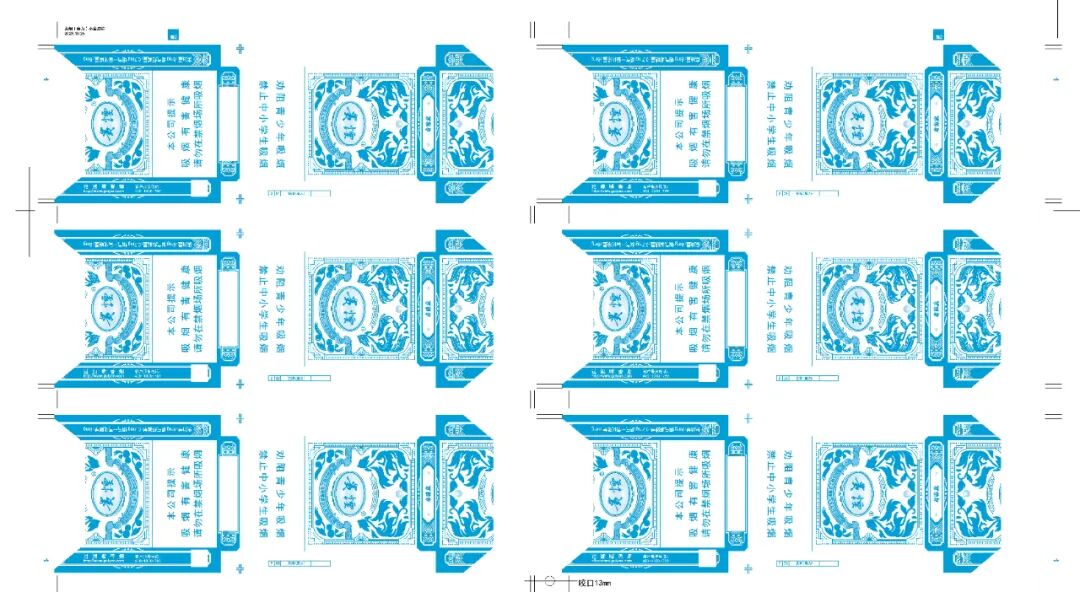
Figure 2 CTP Plate Making Example of Secondary Screening Technology - AM Screen
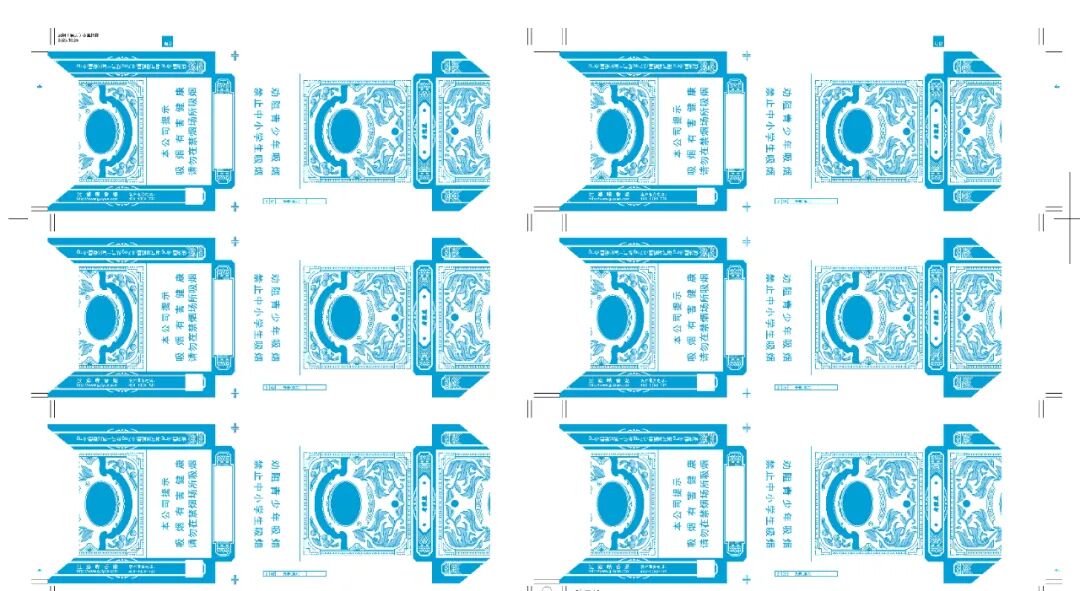
Figure 3 Example of CTP Plate Layout Using Secondary Screening Technology - Frequency Modulated Screening
Compared with traditional frequency-modulated (FM), amplitude-modulated (AM), and hybrid screening, secondary screening technology makes it easier to adjust and control the screening effect required for certain local text and images. When outputting a 1-bit file, it can freely match the corresponding publishing calibration curve. Secondly, under the technical conditions of high-precision positioning of CTP plate-making equipment, secondary positioning exposure imaging (plate output) is performed, thereby obtaining the CTP plate with the required secondary screening technology as shown in Figure 4, and a local view of the plate's screening effect is shown in Figure 5. The plates produced using secondary screening technology not only leverage the advantage of FM screening where highlight dots are less likely to be lost, but also fully utilize the advantages of AM screening where mid-tone dots are easier to control and color tones remain stable during printing.
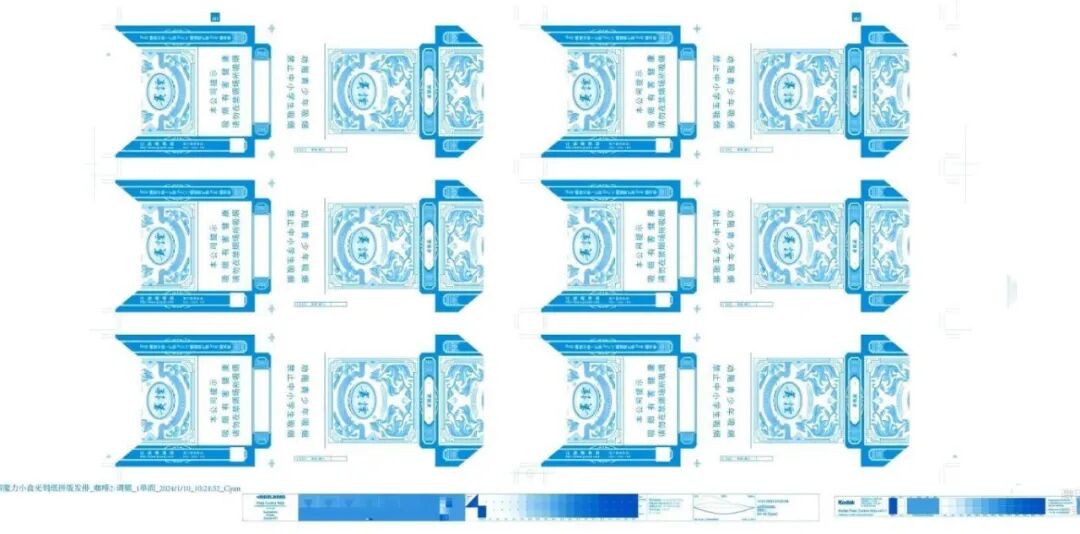
Figure 4 CTP Imposition Example of Secondary Screening Technology - AM and FM Halftone Plates
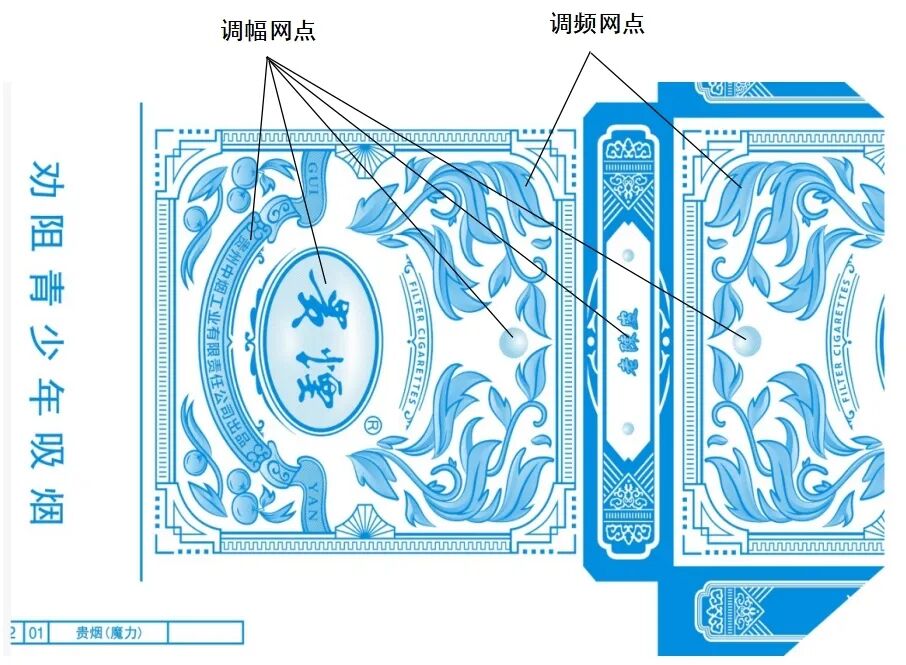
Fig.5 Example of secondary net addition effect area
Optimization of key process parameters
In the process of exploring the secondary screen technology, after many adjustments and tests of the color separation method of the prepress document, the author finally successfully produced the CTP version of the "secondary screening" dot effect, and found the appropriate plate making and printing control parameters through machine testing and verification to stabilize the printing quality.
01/ Prepress Plate Making Parameters
Based on the Heidelberg Prinect Cockpit publishing system, the parameters of the frequency modulation, amplitude modulation and hybrid network addition system are the maximum number of lines of the amplitude modulation network 400lpi, the minimum characteristic size of the frequency modulation network is 14μm, and the other parameters are as follows:
(1) Image parameters: dot area rate distribution range 1%~100%, opacity selectable range 1%~100%, resolution 2540dpi×2540dpi (or 1000×1000px/cm);
(2) Amplitude modulation network setting: the number of lines can be selected 175lpi, 200lpi, 250lpi, 300lpi, 350lpi, 400lpi, the mesh angle is cyan (C) 165°, magenta (M) 45°, yellow (Y) 0°, black (K) 105°, and the highlight part can reproduce the minimum dot area rate of about 2%;
(3) Calibration and exposure: the calibration process curve can be 50-48, 50-46, 50-44, 50-42, 50-40, 50-38, 50-36, 50-25, etc., the thermal laser intensity is 3000~4500J, and the exposure time is 150~180sec;
(4) Plate and development: CTP plate is selected from Huaguang Yangtu thermal version TP-U (thickness 0.25~0.3mm), the developer is Huaguang TPD85 plate washing liquid supplementary solution, the development temperature is 26~27°C, the development time is 20sec, and the drying temperature is 60°C.
After testing, the accuracy of secondary exposure registration ≤ 0.02mm, which meets the accuracy requirements of graphic design registration.
02/ Printing control parameters
(1) Pressure and speed: printing pressure 0.1mm paper thickness, printing speed 11000 sheets/hour;
(2) Lining and color sequence: the thickness of the lining is 0.2~0.5mm, and the color sequence is determined according to the pattern of the printed matter and the size of the ink;
(3) Ink and paper: the ink is selected from Hanghua UVYQ15-NT series (the viscosity is the best fluidity of the machine), and the paper is lithography transfer cardboard without plate slit (gram weight 237g/m², thickness 0.29mm);
(4) Wetting solution: the ratio of stock solution to alcohol (ALC) is 10%~13.5%, the temperature is 9°C, the pH value is 5~6, and the conductivity is 600~2000μs.
In this paper, the advantages of amplitude modulation and frequency modulation screen technology are combined on the same plate image, which not only gives full play to the advantages of not being easy to lose some highlights of the frequency modulation network, but also fully applies the advantages of easy control and stable hue printing process of the intermediate dots of the amplitude modulation network. The secondary screen technology can be batch plate making output in the CTP plate making process, that is, it can meet the requirements of the printing control process, and can also play a role in technical anti-counterfeiting, which has a significant effect on stabilizing product quality and enhancing the anti-counterfeiting of cigarette pack printing.