


How do the characteristics of adhesive label face materials affect die-cutting quality?
Pressure-sensitive adhesive (PSA) materials are a type of composite material, and die-cutting is different from the die-cutting of traditional printing materials. For example, die-cutting paper involves cutting through the entire material; whereas for PSA materials, die-cutting only cuts through the face material and the adhesive layer, leaving the backing paper and its silicone coating intact. This results in the die-cut label being adhered to the backing paper for later use. When considering whether a label can be accurately die-cut, whether the edges are smooth and neat, or whether the backing paper is pierced or rough edges remain, the characteristics of the PSA label face material play a very important role.
This article explains the relationship between the characteristics of PSA label face materials and die-cutting from the perspectives of the classification and characteristics of PSA label face materials, as well as how to optimize the die-cutting process, for the reader's reference.
Classification and Characteristics of PSA Label Face Materials
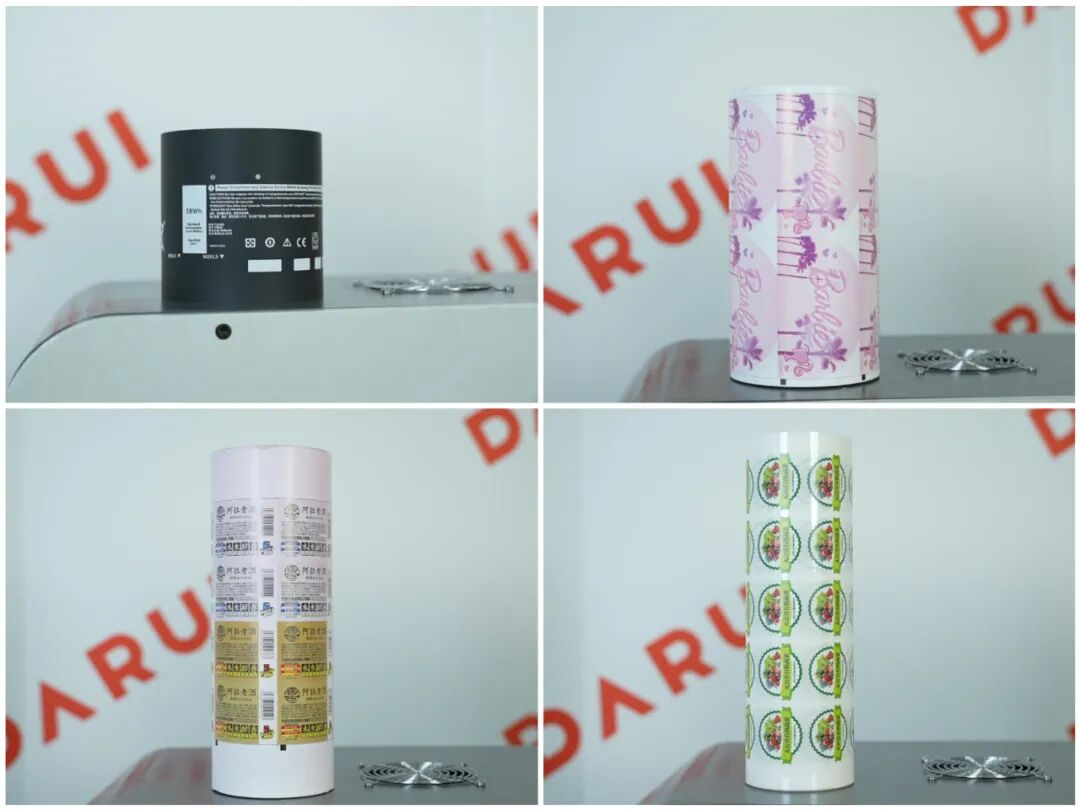
In the field of PSA labels, commonly used face materials can generally be divided into two categories: paper face materials and film face materials.
01Paper Facestock
Paper adhesive labels are suitable for various printing methods, easy to tear, breathable, and more suitable for use in dry environments. Paper materials themselves do not have waterproof or oil-proof properties, but processes such as lamination can make paper have certain water and oil resistance. Common paper facestocks include coated paper, art paper, holographic paper, aluminum foil paper, security paper, kraft paper, textured paper, etc.
Among them, art paper has a smooth surface, strong color expression, and good printing adaptability, but the texture is relatively fragile and the edges may be damaged or frayed during die-cutting; kraft paper has high strength and toughness, is wear-resistant, but has a rough surface, strong ink absorption, and can produce paper scraps during die-cutting, blocking the die and affecting cutting accuracy.
02
Film Facestock
Film materials have good water and oil resistance, smooth surfaces, and are easy to print. They have high weather resistance and corrosion resistance, ensuring long-term stability and clarity of labels, making them an ideal choice for high-end products and long-term storage labels. Common film facestocks include PET (Polyethylene Terephthalate), PP (Polypropylene), PE (Polyethylene), etc.
Among them, PET facestock has excellent chemical resistance, high temperature resistance, and mechanical strength, with good dimensional stability, and is not easily deformed during die-cutting, but due to its high hardness, it causes more wear to the die-cutting tool; PP facestock is soft, flexible, and has good fold resistance, but is prone to sticking during die-cutting, making waste removal difficult; PE facestock has low surface tension and poor adhesiveness, requiring special treatment after die-cutting to ensure label adhesion.
Specific Impact of Facestock Properties on Die-Cutting Quality
The physical and chemical properties of facestocks affect die-cutting quality in multiple aspects.
01Thickness and Uniformity
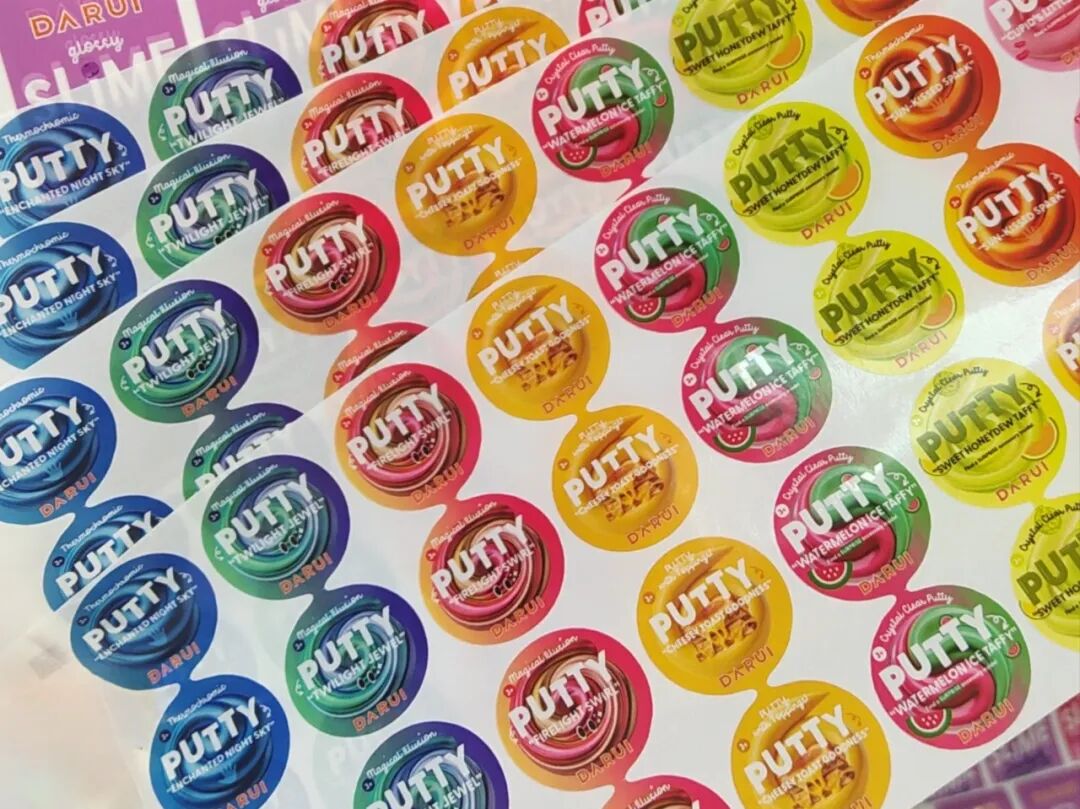
The thickness of the face material directly affects the depth of die cutting. The thicker the face material, the easier it is to die cut. Conversely, the thinner the material, the more likely it is to cut through the backing paper. Therefore, the thickness of the face material directly influences the selection of die-cutting tools and the setting of die-cutting pressure. For example, when die cutting a PET face material with a thickness of 0.1mm, it is necessary to choose a die-cutting blade with a smaller blade angle and higher hardness, and precisely control the die-cutting pressure to ensure cutting quality.
02
Flexibility and Hardness
The flexibility and hardness of the face material determine its deformation during the die-cutting process and the wear on the tools. For instance, the flexibility of PP face material makes it easy for labels with complex shapes to have uneven edges during die cutting, while the high hardness of PET face material causes the edges of die-cutting blades to dull more quickly, requiring more frequent blade replacements.
03
Surface Smoothness
The surface smoothness of the face material affects the friction and waste removal efficiency during die cutting. Smooth face materials, such as coated paper, have less friction with the cutting tool during die cutting, making the cutting process relatively smooth, but can cause difficulties in separating the labels from the backing paper. Rough-surfaced face materials, such as kraft paper, help with waste removal, but may produce paper debris during cutting, affecting die-cutting quality and equipment cleanliness.
Optimizing Die-Cutting Processes According to Face Material Characteristics
To address the impact of different face material characteristics on die-cutting quality, the die-cutting process needs to be specifically optimized according to the particular features of the face material.
01
Tool Selection
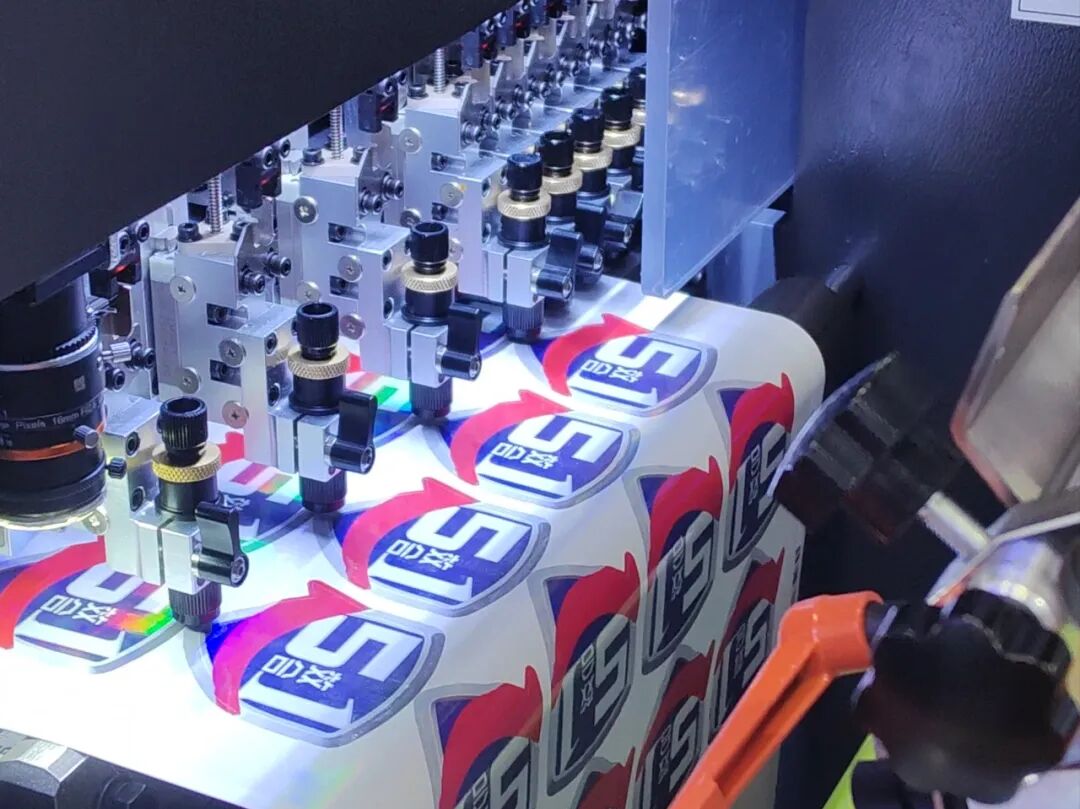
Select appropriate die-cutting tools based on the hardness and thickness of the surface material. For paper-based surfaces, carbon steel knives can be chosen, as their sharpness and wear resistance can meet the general die-cutting requirements for paper materials. For film-based surfaces, harder and sharper carbide or tungsten steel knives should be selected to ensure cutting precision and tool longevity. Additionally, when cutting surfaces with better flexibility, the blade angle can be slightly reduced to improve cutting results.
02
Die-Cutting Pressure and Speed
Accurately controlling die-cutting pressure and speed is key to ensuring die-cut quality. For example, when die-cutting PET surfaces, the die-cutting pressure can be set at 8–10 MPa, and the die-cutting speed controlled at 20–30 m/min to achieve better die-cutting results.
03
Waste Removal
Adopt corresponding waste removal processes according to the waste characteristics of different surface materials. For film-based surfaces that easily stick, a non-stick coating can be applied to the waste removal rollers to improve waste removal efficiency. For paper-based surfaces that easily produce debris, vacuum devices can be added to promptly remove paper scraps generated during die-cutting.
In summary, in actual production, it is necessary to pay attention to the compatibility of surface material characteristics and die-cutting processes and continuously summarize experiences to improve the quality and efficiency of label production.