


High scrap rate of cigarette pack hot stamping; improving this device can effectively reduce it!
Currently, in the company where I work, during the 3D hot stamping process of cigarette pack products, the machine often needs to be stopped due to pressure being too high or too low. The stamping base has to be pulled out repeatedly to adjust the pressure. Additionally, when searching for the position where the pressure needs adjustment and the specific adjustment method, a certain amount of time is consumed, which generates hot stamping scrap. Moreover, because operators cannot directly locate the pressure compensation areas, they need to repeatedly search and stop the machine for adjustment. During this process, the stamping temperature changes, resulting in hot stamping scrap, as shown in Figure 1. The above factors directly affect the production efficiency and finished product yield of cigarette pack production.

Figure 1 Foil Stamping Waste
Problems with Existing Methods
The current method of three-dimensional foil stamping pressure compensation mainly involves directly attaching the pressure-compensation paper to the back of the resin mold ① in Figure 2, and then using glue to attach it to the foil stamping base plate ②, thereby achieving pressure adjustment (pressing) during the foil stamping process. If the pressure during foil stamping does not meet process requirements, the entire resin mold needs to be lifted, and the areas requiring pressure adjustment are identified by comparing with the product's stamping effect. After finding the corresponding positions, the pressure-compensation paper is attached to the back of the resin mold ①-2, and then glued and fixed to the foil stamping base plate ②, thereby achieving pressure compensation.
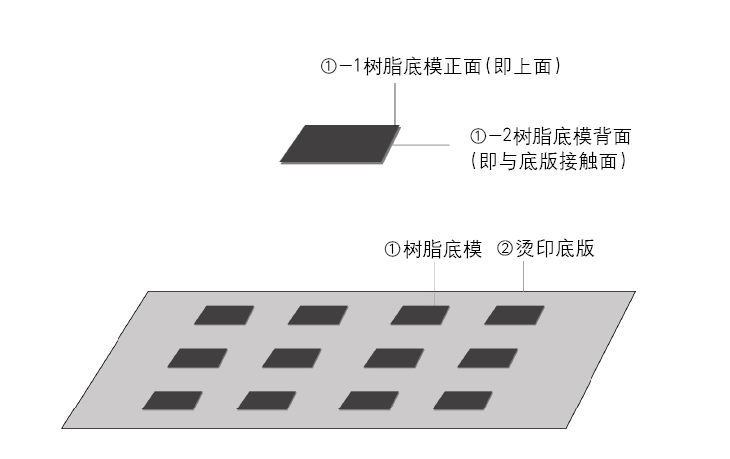
Figure 2 Schematic diagram of the original three-dimensional stamping compensation pressure device
During this process, the position of the resin base mold and the stamping die may change, so it is necessary to repeatedly check and adjust the position, resulting in a long adjustment time and an increased likelihood of defective stamping due to inaccurate positioning. At the same time, due to repeated adjustments, the bottom layer paper can also become deformed and damaged, which affects the overall stamping effect. The side view of the original three-dimensional stamping compensation pressure device is shown in Figure 3.
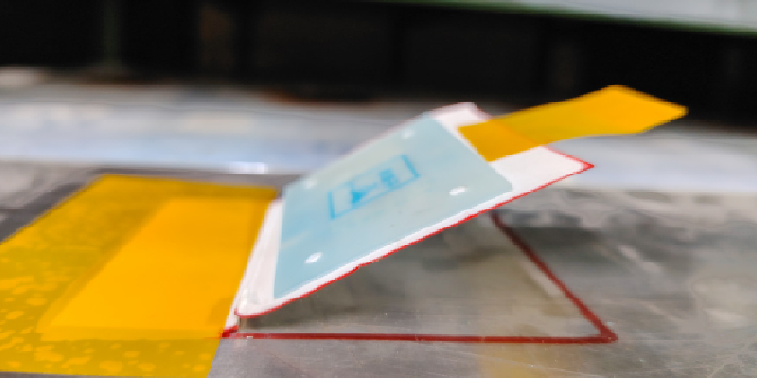 Figure 3 Side view of the original three-dimensional hot stamping pressure compensation device
Additionally, due to differences in the technical skills of operators, the timing and effectiveness of three-dimensional hot stamping pressure compensation may vary.
Feasibility Analysis and Verification
During the use of the original positioning device, taking the "Seven Wolves (Blue)" cigarette pack small box as an example, there are a total of 36 stamping positioning devices for an 18-piece product. Adjusting the pressure generally takes 7–9 hours or even longer. Each adjustment can cause misalignment between the resin bottom mold and the stamping base plate, requiring repositioning and adjustment, which is time-consuming. Meanwhile, during the stamping process, the stamping pressure directly affects the stamping quality. If the pressure is too high or too low, defective stamps are produced, such as stamping pitting, incomplete stamping, or gold fly-off. Therefore, machine stoppage is required to identify areas needing pressure adjustment and make corresponding adjustments. The area to be stamped usually accounts for a small proportion of the overall product area, meaning the adjustment area is small and changes frequently, requiring considerable patience for repeated pressure adjustments. Repeated stoppages of the hot stamping machine directly affect equipment temperature, and if the temperature is too high or too low, defective stamping will occur. Therefore, the chosen device materials must be heat-resistant, stable, and not easily deformed or damaged during repeated flexible adjustments and movements.
By analyzing the above-mentioned problems, the project team optimized and upgraded the original resin materials and product performance. It is planned to use a resin material positioning device that allows rapid pressure adjustment, which uses a composite structure to fix part of the positioning structure material, while changing the core area into a movable or flexible mechanism. The overall structure is based on a fixed part as the base, with a movable part embedded within it. This allows three-dimensional hot stamping pressure compensation during the pressure adjustment process, effectively shortening pressure adjustment time and reducing machine adjustment waste.
Additionally, to solve the problem of repeatedly identifying areas for pressure compensation adjustments, the device needs to incorporate basic pattern lines of the stamping design. Based on these considerations, during the overall material selection, in addition to the fixed resin bottom mold, the project team also uses frequently used cardboard for cigarette packaging as the base fixed part (the overall design is mainly trapezoidal to ensure the connection between fixed and embedded structures), prepares a certain amount of translucent tracing paper (with the content to be stamped printed on its surface), as well as a copper sheet buffer layer. Finally, this forms an embedded device capable of rapid compensation for three-dimensional hot stamping process pressure. The material breakdown diagram and the actual application perspective views are shown in Figures 4 and 5.
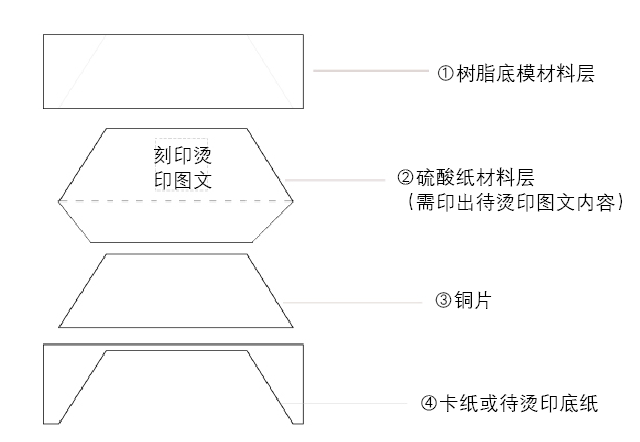
Figure 4 Material Exploded View of the Pressure Device for the Embedded Rapid Compensation Stereoscopic Hot Stamping Process
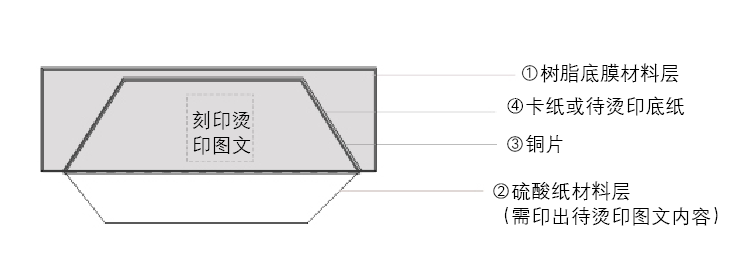 Fig.5 Perspective view of the actual application of the embedded fast-compensating three-dimensional hot stamping process pressure device
The overall border size of the material layer of the resin submold material layer in Figure 4 and 5 is consistent with that of (4) jam paper or the bottom paper to be stamped, and its main function is to make the first layer and the bottom layer completely bonded and matched, and protect the embedding device and material properties of (2) and (3).
Material (2) The sulfuric acid paper material layer is absorbent, which can absorb the moisture formed by heat generation during the hot stamping process and ensure that it is not deformed or damaged. At the same time, the sulfuric acid paper material layer needs to be printed or drawn according to the pattern on the resin submold. According to the presentation effect of the hot stamping area of the product, the area that needs to be adjusted can be directly located, reducing the search and adjustment time, reducing the scrap rate, and improving production efficiency.
Material (3) The copper sheet has a certain toughness, which can play a buffer role in pressing during the hot stamping process, and the resin base mold is not easy to fracture during hot stamping, which protects and facilitates the extraction and insertion of the sulfuric acid paper material layer.
Material (4) The cardboard or the backing paper to be stamped is hollowed out, and the hollow area is the material appearance area of (2) and (3), which can form a complete embedded card slot design with (4), and the fixed position is not offset or deformed; The overall material adaptability at material (4) is more in line with the requirements of the hot stamping process; The material layer is fixed according to the effect of the overprinting position with the hot stamping plate, and it is no longer moved or operated during the subsequent pressure adjustment process, and can be directly fixed on the hot stamping base plate.
Improve the actual effectiveness of the program
The improved positioning device can first solve the problem of repeated and hot stamping plate calibration caused by the overall opening of the resin base mold caused by the original pressure compensation method, and reduce the hot stamping waste caused by inaccurate alignment. Secondly, the embedded structure can use the pull-out design to pull out the copper sheet and sulfuric acid paper for pressure compensation at the corresponding position on the basis of achieving the overall overprinting alignment stability, reducing the time to adjust the overprint alignment and find the pressure position to be adjusted. And the overall embedded design can also solve the problem of remaking the positioning device caused by material water absorption by the pressure filling positioning device according to the material selection to the greatest extent, and improve the utilization rate of the device.
The disassembly diagram of the pressure device of the embedded rapid compensation three-dimensional hot stamping process is shown in Figure 6, and the specific decomposition effect is as follows: the embedded method is adopted, and the material embedding structure of different layers is used for flexible pulling (the expansion diagram of the pulling part is shown in Figure 7), and the composite structure of the sulfuric acid paper material layer (with hot stamping graphics) and copper sheet can be directly pulled out according to the adjustment needs, so as to make corresponding adjustments, to achieve convenience of operation and repeatability, and the synthesis diagram of the embedded rapid compensation three-dimensional hot stamping pressure device is shown in Figure 8.
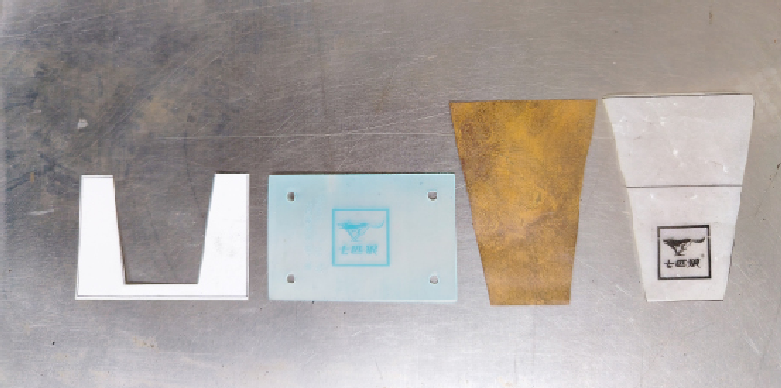
Figure 6 Exploded View of the Pressure Device for Embedded Rapid Compensation Stereoscopic Hot Stamping Process
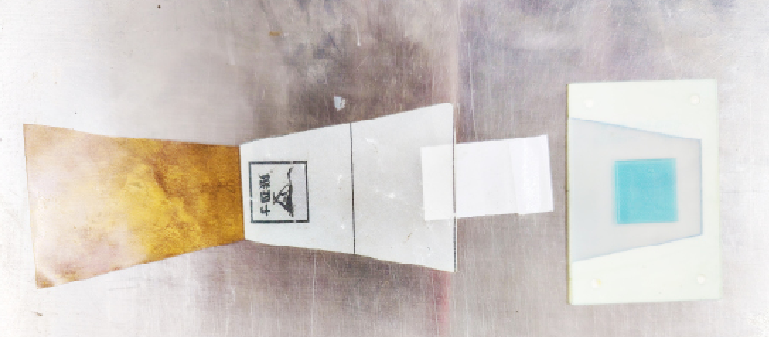
Figure 7 Pull-out Section Expanded View
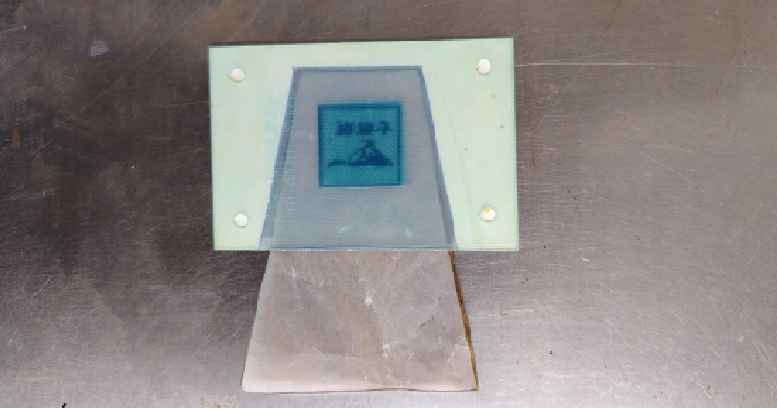
Figure 8 Schematic Diagram of the Embedded Rapid Compensation Stereo Hot Stamping Process Pressure Device
In the actual production process, the resin base film material layer and the cardboard portion constitute a fixed trapezoidal area. When pulling the composite structure of sulfuric acid paper and copper foil, pressure compensation on the sulfuric acid paper can be adjusted according to the quality of the product's stamping area. Material characteristics such as the water absorption of the sulfuric acid paper and the toughness of the copper foil make it difficult for the materials to deform or be damaged during repeated pulling, protecting the resin base mold from cracking while maximizing the stability of the overall stamping device effect. Additionally, the fixed trapezoidal area ensures the positional accuracy of the entire device, preventing misalignment.
After a period of stable operation, the new positioning device (as shown in Figure 9) has been applied to the production process of the company's "Seven Wolves (Blue)" cigarette pack small boxes. The positioning device has shown remarkable results, with pressure adjustment time stabilized at 2–3 hours, reducing the time compared to the previous method by about 71.43%, achieving the expected goals and improving efficiency.
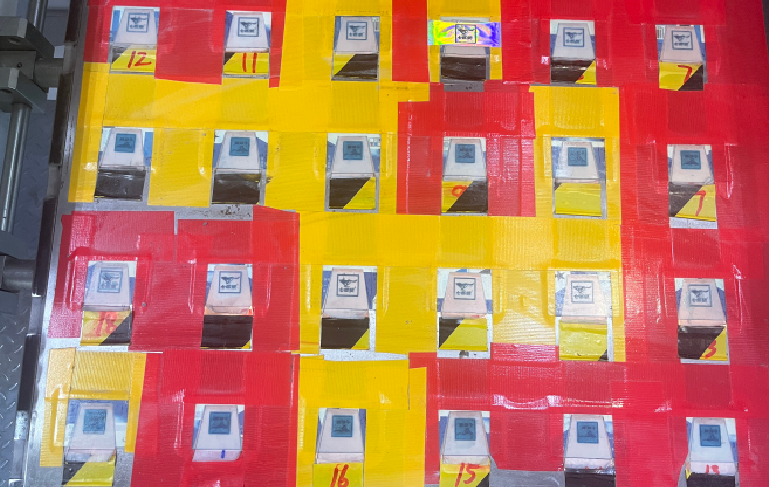
Figure 9 Schematic Diagram of the Overall Installation of the Embedded Rapid Compensation Three-Dimensional Stamping Pressure Device
In addition, in practical application of the device, due to stable pressure and reduced pressure-adjusting time, the stamping temperature changes caused by downtime are minimized, and stamping waste has been significantly reduced, improving the finished product yield. The proportion of stamping waste for the 'Seven Wolves (Blue)' cigarette pack small boxes decreased from the peak of 24.87% to 4.75% in 2025, effectively reducing the stamping waste rate.
The above practice demonstrates that the embedded rapid compensation three-dimensional stamping pressure device has advantages such as reasonable structure, low manufacturing cost, and simple installation and operation. This device can also be applied to other scenarios and has certain promotion value in stamping processes.