


Having trouble with ink leaks in a closed squeegee system? Finding the root cause is key!
For flexographic presses using closed doctor blade systems, especially high-speed ones, ink leakage is a really troublesome issue. Ink leakage not only causes ink waste, pollutes the working environment of the press, reduces production efficiency, and increases maintenance work, but in severe cases, it can even fling ink onto the plate roller or substrate surface, leading to downtime, quality accidents, and both direct and indirect economic losses, as shown in Figures 1 and 2.
So how do you solve or improve ink leakage problems? Finding the root cause is the first step. If you go with a "band-aid" approach, you might fix one issue but end up causing others, leaving you with no real solution. For example, many operators reflexively increase the pressure of the closed doctor blade system when they notice ink leakage. This might improve the leakage problem temporarily, but it also causes faster wear on the doctor blade and ink blocks under higher pressure, and could even lead to more serious anilox roll scratches.
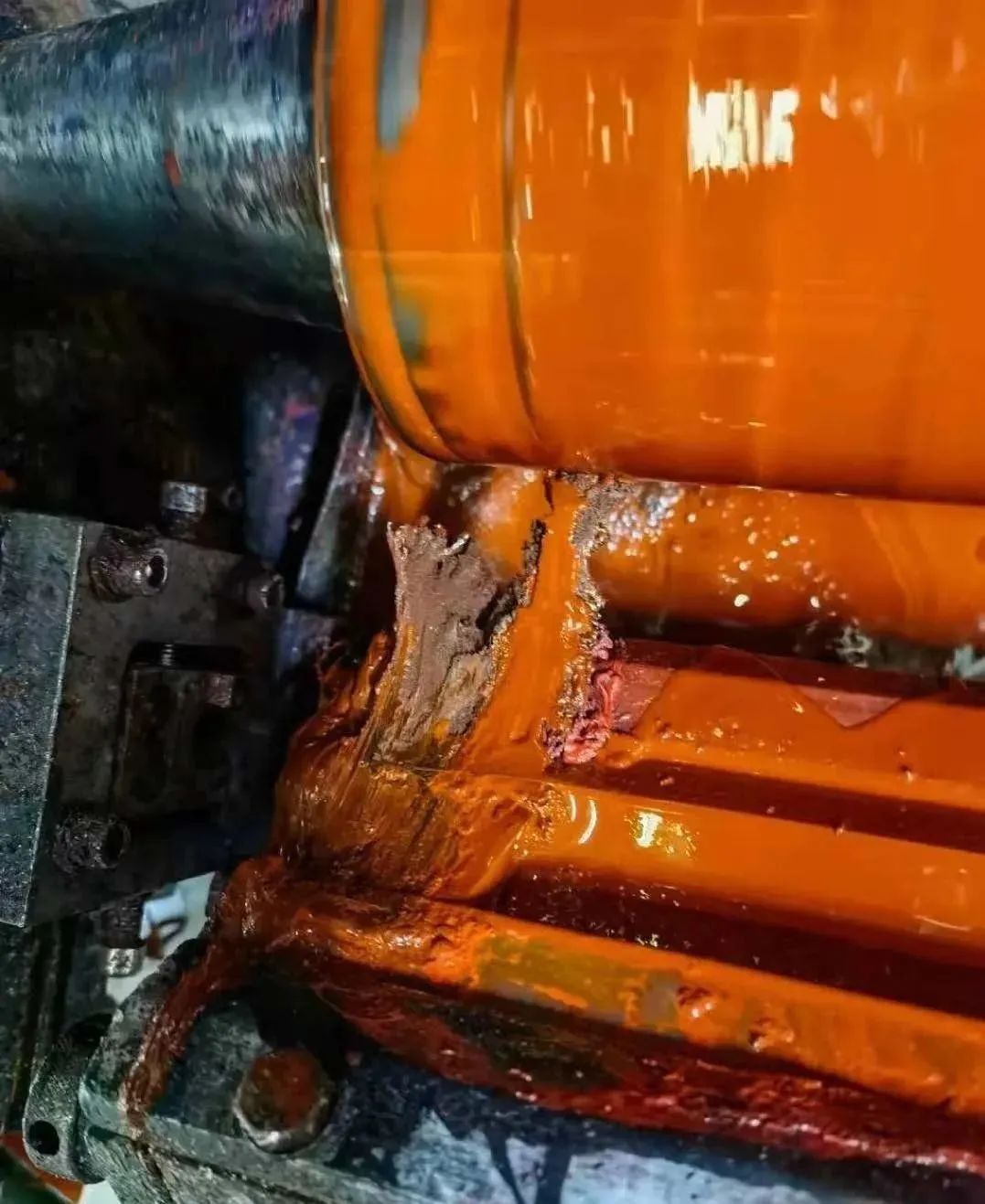
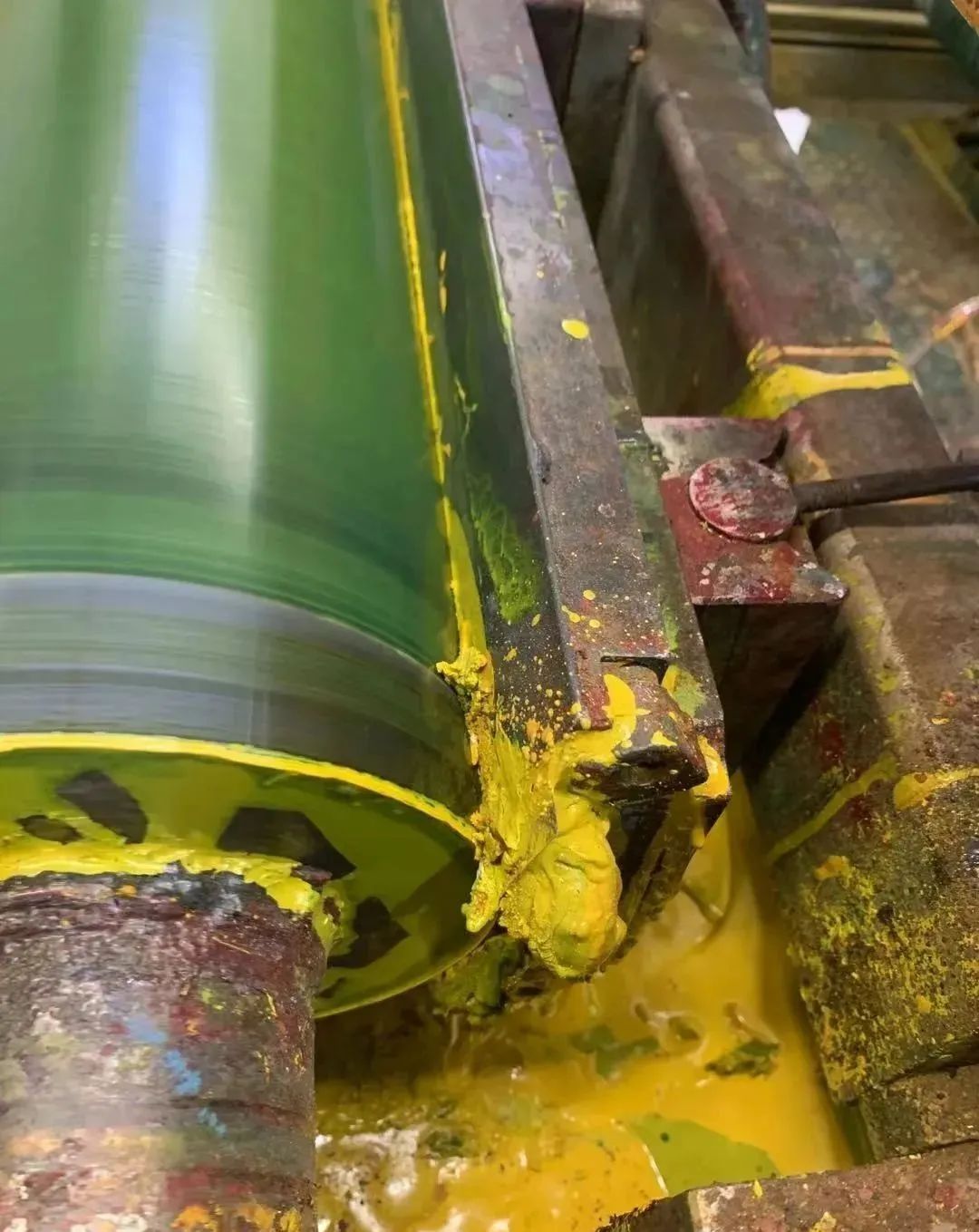
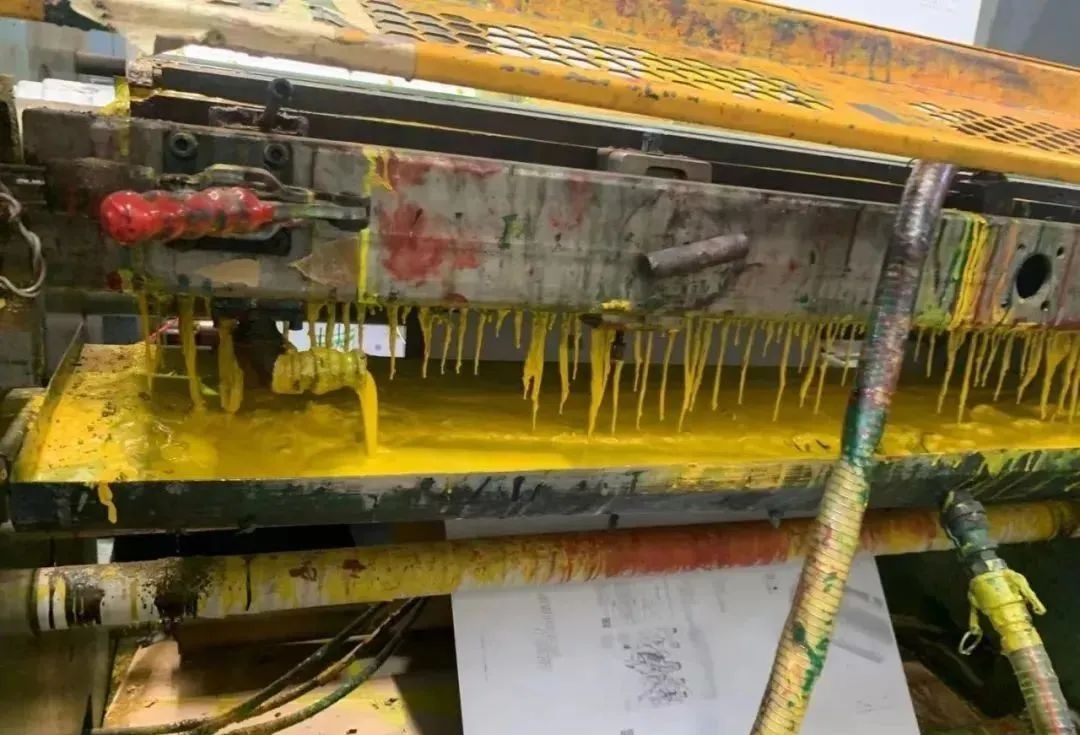
Figure 1: A squeegee with severe ink leakage
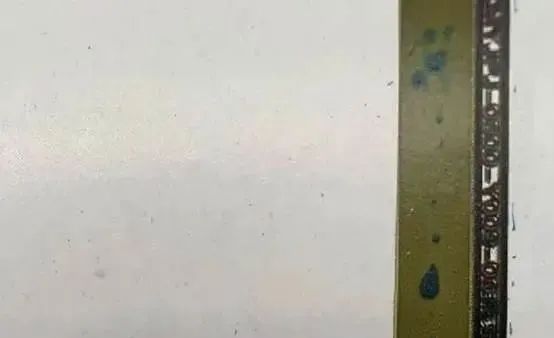
Figure 2 Ink droplets splashed onto the print
Figure 3 shows the closed doctor blade system of a typical high-speed satellite flexo press. We can see that only two doctor blades and the ink traps on the ends contact the anilox roll. In other words, if we don't consider minor ink leakage caused by the chamber doctor blade or back doctoring of the anilox roll, the ink leakage issue is directly related to the ink traps and doctor blades. This is also why many companies think of replacing the ink traps as soon as ink leakage comes up.
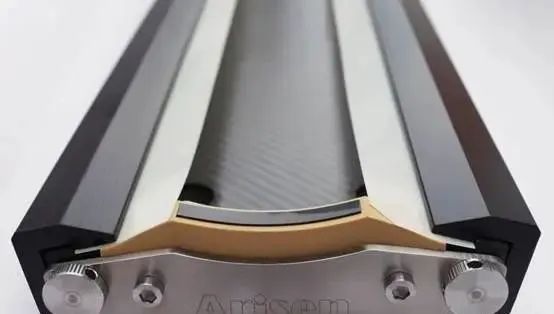
Figure 3 Typical Closed Doctor Blade System of a High-Speed Satellite Flexo Press
Obviously, we can consider the ink block as the primary factor affecting ink leakage. However, this situation can be divided into two types: one is when the ink block leaks as soon as it's installed. If we can rule out sizing issues with the ink block, the usual reasons are low machining precision of the ink chamber, insufficient rigidity of the ink chamber material, structural defects in the ink block's placement, or parallelism issues between the ink chamber and the anilox roll. These issues can be addressed by contacting the equipment manufacturer or the closed doctor blade system supplier. The other type is when the ink block initially seals well but is not wear-resistant. Within a short time, it loses its good sealing properties, causing ink leakage that gradually worsens. Most cases we encounter in daily operations fall into this second category.
Currently, there are many kinds of ink blocks on the market (as shown in Figure 4), including foam, felt, rubber, and composites made from two or more materials. Moreover, each material has many subtypes and models, so it's best to confirm the specific application and expected structure with the supplier when choosing. Once the material is selected, you also need to ensure accurate dimensional machining and a reasonable design for elasticity and compression. Then, test and compare without altering any other machine configurations to see if it achieves the expected effect.
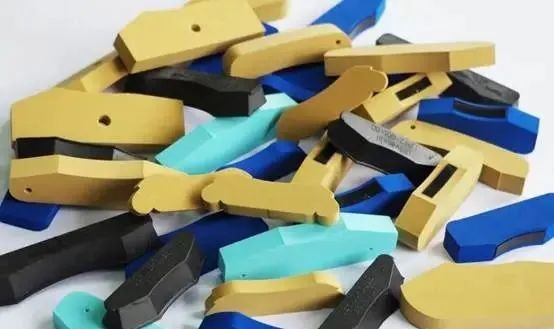
Figure 4: Ink stopper block
It should be noted that because the ink stop block and the anilox roller surface contact and generate high-speed friction during operation, the ink stop block has a certain service life. Each company's closed squeegee system structure, equipment operating speed, and order structure differ, so the expected service life of the ink stopper block also varies. Therefore, it is best to establish a fixed replacement cycle based on each company's specific situation. Currently, many companies have the experience of replacing the ink stopper block simultaneously with the scraper to avoid serious ink leakage issues during the next order. Therefore, the lifespan of the ink stop block should be kept in sync with the blade's service life and not affect production efficiency.
Additionally, for ink blocks, performance is far more important than price. If you consider ink loss caused by ink leakage, material loss, efficiency loss, quality incidents, and even customer satisfaction, using ink stoppers with good wear resistance, long-lasting good sealing, and at the same time, a higher price, is absolutely worthwhile.
If testing various ink block materials does not improve ink leakage, then consider whether there are issues with the squeegee and ink chamber itself. Studying the used squeegee is very important for understanding whether the blade is installed correctly and whether the ink squeegee system is deformed. If the reverse squeegee (also called the main blade) in the ink scraper system wears unevenly, the following possibilities may occur:
(1) If there is a problem with the scraper installation, the squeegee pressure plate needs to be cleaned, and the screw locking should be from the center to the outside (for example, the pressure plate has a screw lock structure).
(2) The ink cavity of the sealed squeegee system is not parallel to the centerline of the anilox roller, preventing uniform ink scraping on the anilox roller under normal pressure for the squeegee.
(3) Deformation of the ink chamber in the sealed squeegee system, causing the squeegee to be unable to achieve uniform ink scraping on the anilox roller under normal ink chamber pressure.
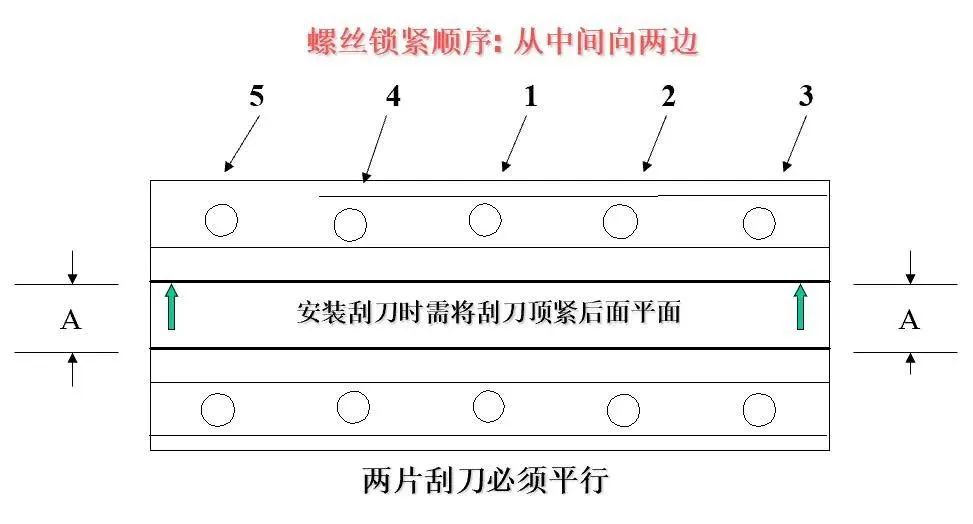
Figure 5 Schematic Diagram of Doctor Blade Installation
Finally, a mismatch between the ink chamber of the closed doctor blade system and the ink supply system, leading to excessive pressure in the ink chamber or severe ink pulse, is also a potential factor causing ink leakage. However, this issue generally requires professional intervention to identify the root cause and propose improvements.
Overall, the ink path system of flexographic printing equipment is relatively complex, and solving ink leakage problems requires considering many factors. But we believe that any problem can be improved or solved; the only difference is the approach and the cost involved. We hope that some of the experiences summarized in this article can provide ideas for industry peers and jointly promote the development and progress of the flexographic printing industry.